
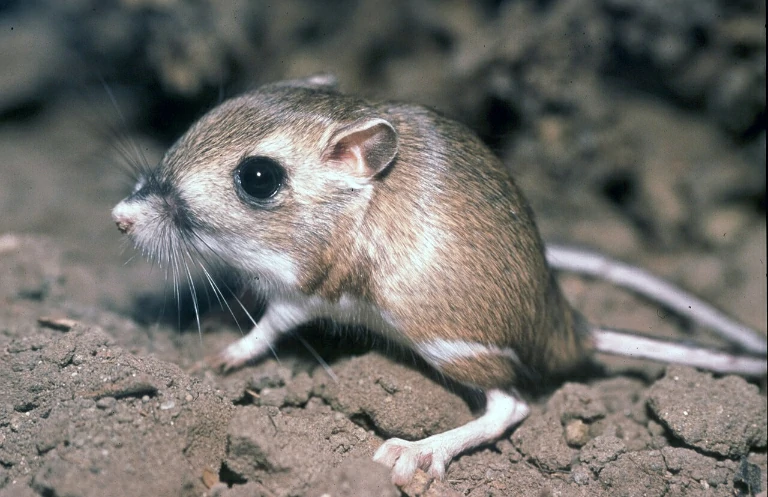
Kangaroo rats are small, adorable rodents that hop around the deserts of North America on oversized back legs. Despite their name, they’re not actually related to kangaroos or regular rats.
These amazing little animals have special abilities that help them survive in some of the driest places on Earth.
But several species of kangaroo rats are now facing serious threats to their survival, with some listed as endangered or threatened under the Endangered Species Act. So why are kangaroo rats endangered?
Kangaroo rats are endangered mainly because of habitat loss from urban development and agriculture, habitat change from altered fire patterns and invasive plants, population fragmentation that isolates groups from each other, and climate change making their desert homes even more extreme.
Not all kangaroo rat species are endangered. There are about 20 different species, and while some are doing okay, others are in serious trouble.
Understanding what’s threatening them helps us know what needs to change to protect these special desert animals.
Habitat Loss from Human Development
The biggest threat to kangaroo rats is losing the places where they live. As human populations grow in desert areas, the land that kangaroo rats need gets developed for other uses.
Urban sprawl into desert areas destroys kangaroo rat habitat. Cities like Phoenix, Las Vegas, Los Angeles, and San Diego have expanded massively into desert and scrubland areas where kangaroo rats used to live.
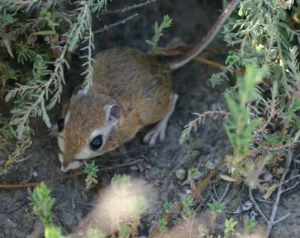
When desert land gets paved over for roads, houses, shopping centers, and parking lots, kangaroo rats lose their burrows, food sources, and breeding areas. They can’t survive in built environments.
Agricultural conversion turns wild desert into farmland. While deserts seem harsh to us, they’re actually full of plants and animals adapted to live there. When this land gets plowed for crops or turned into grazing land for livestock, it becomes useless to kangaroo rats.
The giant kangaroo rat, one of the most endangered species, has lost about 95% of its original habitat to agriculture in California’s San Joaquin Valley. This species went from being common to critically endangered in just a few decades.
Industrial development like solar farms, wind farms, and mining operations takes up huge areas of desert land. While renewable energy is important, these projects can destroy thousands of acres of kangaroo rat habitat if not planned carefully.
Even recreational development impacts kangaroo rats. Off-road vehicle parks, golf courses built in desert areas, and resort developments all remove or damage habitat.
The problem gets worse because development is permanent. Once land is built on, it’s really hard (and expensive) to restore it back to natural desert.
Changes in Fire Patterns
Fire plays a natural role in many ecosystems, including some areas where kangaroo rats live. But human activities have changed how often fires happen and how intense they are, and this hurts kangaroo rats.
In coastal California where some endangered kangaroo rat species live, fires now happen more often than they naturally should. This is partly because of climate change creating hotter, drier conditions and partly because of human-caused ignitions.
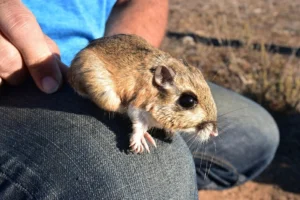
Kangaroo rats need shrubby vegetation for cover and food. After fires, it takes years for this vegetation to grow back to the right height and density. If fires happen too often, the vegetation never fully recovers.
Frequent fires favor annual grasses over the native shrubs and plants that kangaroo rats depend on. This changes the whole plant community in ways that make it less suitable for kangaroo rats.
Some areas have the opposite problem where fire suppression (putting out all fires) has changed the natural fire cycle. This can lead to buildup of vegetation and eventually more severe fires when they do happen.
After intense fires, kangaroo rats lose their burrows and food sources all at once. Small, isolated populations might not be able to recover if the whole area burns.
Young kangaroo rats are especially vulnerable after fires because they need to find new territories and create burrows, but there’s no vegetation for cover while they’re doing this.
Invasive Plants Changing Desert Ecosystems
Non-native plants that invade desert areas create serious problems for kangaroo rats and other native wildlife. These invasive species change the desert in ways that make it less suitable for species that evolved to live there.
Invasive grasses like red brome, cheatgrass, and Mediterranean grasses have spread across many western deserts. These grasses grow faster and thicker than native desert plants.
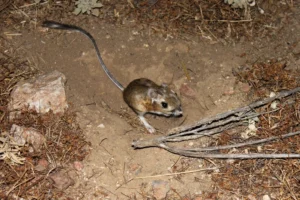
The problem is that these invasive grasses create a continuous layer of vegetation that burns easily. Native desert plants are more spread out with bare ground between them, which limits how fires spread.
When invasive grasses burn, they carry fire across large areas. Native desert plants aren’t adapted to frequent fires and die. Then the invasive grasses grow back even thicker, creating a cycle where native plants disappear.
Kangaroo rats need native shrubs and plants for food (they eat seeds from native plants) and for cover from predators. When invasive grasses replace these native plants, kangaroo rats lose both food sources and protection.
The dense grass also makes it harder for kangaroo rats to move around. They’re adapted to open desert with scattered plants, not thick grass that they have to push through.
Some invasive plants like tamarisk (salt cedar) change soil conditions and water availability in desert areas. This affects what native plants can grow, which then affects kangaroo rats.
Controlling invasive plants is expensive and difficult. Once they’re established, they’re really hard to get rid of, and they keep spreading to new areas.
Population Fragmentation and Isolation
When kangaroo rat populations get broken up into small, isolated groups, they face a whole new set of problems that threaten their long-term survival.
Roads, cities, farms, and other developments create barriers between kangaroo rat populations. These barriers prevent rats from different areas from meeting and breeding with each other.
Small, isolated populations have less genetic diversity. When kangaroo rats only breed within a small group, genetic problems can build up over time. This makes the population weaker and less able to adapt to changes.
Inbreeding in isolated populations can lead to health problems, lower reproduction rates, and reduced survival of young rats. Eventually, this can cause local extinctions.
Small populations are vulnerable to random events. A disease outbreak, severe drought, or predator increase could wipe out an entire isolated group even if other populations survive.
Kangaroo rats can’t travel long distances across unsuitable habitat. If a local population dies out, it’s really hard for kangaroo rats from other areas to recolonize that habitat.
The Stephens’ kangaroo rat in Southern California is a good example. Its habitat has been broken into small patches separated by cities and farms. Each small population is at risk of dying out.
Connecting habitat patches with wildlife corridors could help, but these are hard to create once development is already in place.
Climate Change Making Deserts More Extreme
Climate change is creating new challenges for kangaroo rats. While they’re already adapted to harsh desert conditions, the changes happening now are faster and more extreme than anything they’ve experienced before.
Rising temperatures make deserts even hotter. While kangaroo rats are adapted to heat, extreme heat events can kill them, especially young animals that haven’t developed full heat tolerance.
Changing rainfall patterns create problems. Some desert areas are getting even drier with longer droughts, while others are experiencing more intense but less frequent rain events.
Kangaroo rats depend on seeds from desert plants for food. If plants don’t produce seeds because of drought or if seeds get washed away by intense storms, kangaroo rats don’t have enough to eat.
Extended droughts reduce plant cover that kangaroo rats need for protection from predators. When desert plants die back, kangaroo rats become more visible and vulnerable.
Climate change is also helping invasive species spread. Many invasive grasses actually do better in the altered climate conditions than native plants do, which makes the invasive species problem worse.
Some kangaroo rat species live in very specific climate zones. As these zones shift because of climate change, the rats might not be able to follow or adapt quickly enough.
Young kangaroo rats are especially at risk during extreme weather events. If a whole breeding season gets wiped out by extreme heat, drought, or storms, the population can crash.
Agricultural Practices and Grazing
Agriculture doesn’t just remove habitat by converting land. The way farming and ranching are practiced in areas near kangaroo rat habitat also creates problems.
Livestock grazing changes desert vegetation. Cattle and sheep eat native plants that kangaroo rats depend on for food and cover. Overgrazing can turn diverse desert plant communities into bare ground with only a few tough species.
Grazing animals also compact the soil by walking over it repeatedly. Kangaroo rats need soft, sandy soil to dig their burrows. Compacted soil is much harder to dig in.
Pesticides and herbicides used on farms can spread to nearby natural areas through wind drift or water runoff. These chemicals can kill the insects and plants that are part of the desert ecosystem.
Agricultural water use lowers groundwater levels in some desert areas. While kangaroo rats don’t drink water (they get all the moisture they need from seeds), lower groundwater affects what plants can grow.
Changes in plant communities from altered water availability can make habitat less suitable for kangaroo rats even if it’s not directly converted to farmland.
In California’s Central Valley, intensive agriculture has converted almost all the native grassland and scrubland where giant kangaroo rats used to live. The tiny remaining populations are on the edges of agricultural land.
Predators and Competition
While predation is natural, changes that humans make to environments can increase predator numbers or introduce new competitors that kangaroo rats aren’t equipped to deal with.
Some predators like domestic and feral cats are more common near human development. These cats hunt kangaroo rats and can take a heavy toll on small populations.
Red foxes, which aren’t native to many western areas, have been introduced and spread partly because of human activities. They’re effective predators of kangaroo rats.
Coyotes are natural predators of kangaroo rats, but their populations might increase near human areas where they can find garbage and other food sources. More coyotes mean more predation pressure.
Roads create edges where predators hunt more effectively. Kangaroo rats crossing roads or living near road edges face higher predation risk.
Competition from other rodent species can be a problem in altered habitats. Some rodent species do better in disturbed or developed areas and might outcompete kangaroo rats for resources.
In fragmented habitats where kangaroo rats are squeezed into small areas, the concentration of predators in those areas can be higher than it would be in larger natural landscapes.
Why Some Species Are More Endangered Than Others
Not all kangaroo rat species face the same level of threat. Understanding why some are more endangered helps target conservation efforts.
The giant kangaroo rat is critically endangered mainly because its habitat in California’s San Joaquin Valley has been almost completely converted to agriculture. Less than 5% of its original habitat remains.
The Stephens’ kangaroo rat is endangered because it lives in Southern California valleys that have been heavily developed. Most of its habitat is now cities, roads, and farms.
The Fresno kangaroo rat is threatened for similar reasons to the giant kangaroo rat. It lives in areas that are really valuable for agriculture and urban development.
Some species have very limited ranges to begin with. If a species only lives in one valley or one region, losing even a small percentage of habitat is a big problem.
Species that are habitat specialists (only able to live in very specific conditions) are more vulnerable than generalist species that can adapt to various habitats.
Kangaroo rat species in areas with rapid human population growth face more threats than those in remote desert areas that aren’t developing as fast.
Conservation Efforts and Challenges
People are working to protect kangaroo rats, but conservation faces several challenges. Understanding these efforts and obstacles shows what’s needed to save endangered species.
Habitat protection is the most important strategy. Setting aside land as preserves, parks, or conservation areas gives kangaroo rats protected places to live.
The problem is that good kangaroo rat habitat is often in areas that are also valuable for development or agriculture. There’s competition for land use.
Habitat restoration tries to bring back degraded areas. This includes removing invasive plants, reintroducing native plants, and creating conditions that allow kangaroo rats to return.
Restoration is expensive and slow. It can take many years for restored habitat to become suitable for kangaroo rats.
Captive breeding programs exist for some critically endangered species. The idea is to breed kangaroo rats in controlled settings and then release them to boost wild populations.
Captive breeding is complicated and doesn’t address the underlying habitat problems. Released kangaroo rats won’t survive if their habitat is still degraded or missing.
Wildlife corridors to connect fragmented populations are being planned in some areas. These allow kangaroo rats to move between habitat patches.
Creating corridors is difficult when development is already in place. It requires coordination between property owners, governments, and conservation groups.
Research into kangaroo rat ecology helps us understand what they need to survive. Scientists study their diet, breeding patterns, habitat use, and responses to threats.
Funding for research and conservation is limited. There’s never enough money to do everything that’s needed.
The Importance of Kangaroo Rats in Desert Ecosystems
Understanding why kangaroo rats matter helps explain why their decline is a problem beyond just losing one species. These little animals play important roles in their ecosystems.
Kangaroo rats are seed dispersers. They collect and bury seeds in scattered locations around their territory. Seeds they don’t eat can sprout and grow into new plants.
This seed dispersal helps maintain diverse plant communities in deserts. Without kangaroo rats, some plant species might not spread as effectively.
Kangaroo rats are prey for many predators including snakes, owls, foxes, coyotes, and hawks. They’re an important food source that supports these predator populations.
If kangaroo rat populations crash, it affects the predators that depend on them. This can ripple through the whole ecosystem.
Kangaroo rat burrows create habitat for other animals. Their burrows can be used by lizards, insects, small snakes, and other creatures looking for shelter.
The digging activity of kangaroo rats affects soil conditions and can help water infiltrate the ground. This is important in desert ecosystems where water is limited.
As seed eaters, kangaroo rats affect which plants are most successful in desert areas. Their feeding preferences can influence plant community structure over time.
Losing kangaroo rats means losing these ecological functions, which can change desert ecosystems in ways we might not fully understand until it’s too late.
What Can Be Done to Help
Protecting endangered kangaroo rats requires actions at multiple levels, from individual choices to government policies. There are things people can do to help.
Support habitat conservation by donating to or volunteering with organizations that protect desert lands. Groups like The Nature Conservancy, local land trusts, and wildlife organizations work on habitat protection.
Make informed choices about where and how we develop land. Support planning decisions that protect critical habitat and create connected wild areas rather than fragmented patches.
If you live in kangaroo rat habitat areas, keep outdoor cats indoors. Free-roaming cats kill huge numbers of small mammals including endangered kangaroo rats.
Reduce your carbon footprint to help slow climate change. Use less energy, drive less, support renewable energy (when it’s sited appropriately), and make other climate-friendly choices.
Learn about and share information about kangaroo rats. Many people don’t know these animals exist or that they’re endangered. Education builds support for conservation.
Support policies that protect endangered species. The Endangered Species Act and similar laws need continued support and funding to be effective.
If you own land in or near kangaroo rat habitat, consider conservation easements or habitat management practices that benefit wildlife. Work with local conservation organizations.
Report kangaroo rat sightings to wildlife agencies. Data on where kangaroo rats are found helps track populations and guide conservation efforts.
Conclusion
Kangaroo rats are endangered mainly because of habitat loss from urban development and agriculture, changes in fire patterns and invasive plant spread, population fragmentation that isolates groups, and climate change making their already harsh desert homes even more challenging.
These small desert rodents play important roles in their ecosystems as seed dispersers, prey animals, and ecosystem engineers. Losing them would affect desert plant communities and the predators that depend on them.
Conservation efforts including habitat protection, restoration, and research are working to save endangered kangaroo rat species. But these efforts face challenges from competing land use, limited funding, and the ongoing pressures of development and climate change.
Protecting kangaroo rats requires preserving and connecting desert habitats, controlling invasive species, addressing climate change, and making land use decisions that balance human needs with wildlife conservation.
Everyone from individual landowners to government agencies has a role to play in making sure these amazing little animals don’t disappear from our deserts.

Hi, my name is Ezra Mushala, i have been interested animals all my life. I am the main author and editor here at snakeinformer.com.