
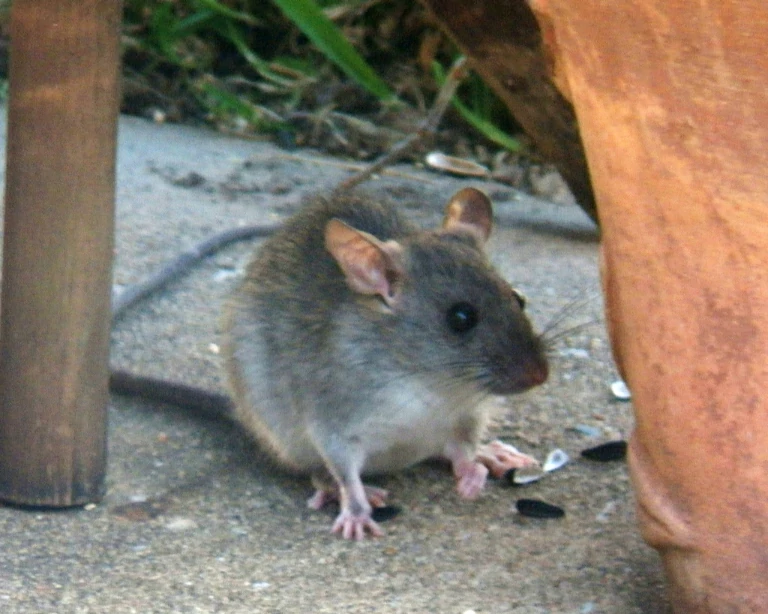
Discovering dead rats inside your home is disturbing and raises immediate concerns about your family’s health and safety.
The smell alone can be overwhelming, and knowing that rats have been living and dying in your house creates anxiety about what else might be happening behind your walls or in hidden spaces.
Whether you’ve found one dead rat or suspect there are more, understanding why this is happening is the first step to solving the problem. So why are rats dying in my house?
Rats die inside houses mainly from poison (either you put out or they ate elsewhere before entering), getting trapped in walls or tight spaces they can’t escape from, dehydration from not finding water, diseases spreading among indoor rat populations, or old age and natural causes.
The presence of dead rats means you have (or recently had) a rat infestation. Even one dead rat tells you that rats have found their way inside and have been living in your home, possibly for weeks or months.
Rat Poison Is Often the Culprit
If rats are dying in your house, poison is the most common explanation. This is true whether you deliberately put poison out or not.
Rodenticides work by causing internal bleeding or other fatal effects over several days. When rats eat poison, they don’t die immediately. They continue moving around for 24 to 72 hours before the poison takes full effect.
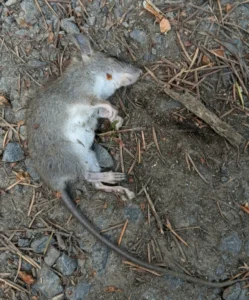
This delayed death means rats can eat poison in one part of your house (or even outside) and then crawl into walls, attics, or other hidden spaces before dying. That’s why you might smell dead rats but can’t find them easily.
If you put bait stations in your house, rats will find them, eat the poison, and then retreat to their nesting areas. They often die in walls, ceiling spaces, or other areas you can’t easily access.
Rats can also eat poison somewhere else (like in a neighbor’s house, a nearby building, or outside) and then enter your house before the poison takes effect. They might be looking for water (poison makes them very thirsty) or just following their normal routes.
The big problem with poison indoors is that you can’t control where rats die. They almost always die in the worst possible places like inside walls, under floors, in heating ducts, or behind appliances where you can’t reach them.
Dead rats in inaccessible places create terrible smells that can last for weeks. The decomposition odor is strong and unpleasant, and it’s really hard to get rid of until the body fully decomposes.
Getting Trapped in Walls and Tight Spaces
Rats are excellent climbers and can squeeze through surprisingly small openings. But sometimes they get into spaces they can’t get out of, and they die there.
Rats can squeeze through holes as small as 1/2 inch (about the size of a quarter). They use this ability to enter walls through tiny gaps around pipes, wires, or vents.
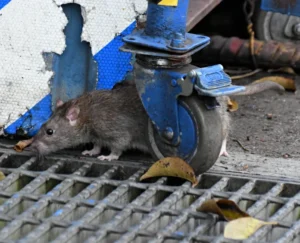
Once inside wall cavities, rats can usually move up and down freely. But sometimes they fall into spaces with smooth walls that they can’t climb out of, like gaps between walls, spaces behind built-in cabinets, or areas where walls meet floors.
Young rats are especially prone to getting stuck. They’re less experienced and might venture into tight spaces that adult rats would avoid. If they can’t turn around or back out, they become trapped.
Rats can also get stuck in insulation, particularly spray foam insulation that hardens around them, or in sticky traps if you’ve placed those in areas rats can access.
Sometimes rats get into ductwork or plumbing chases and can’t find their way back out. These spaces might have dead ends or turns that rats can get through going one direction but not the other.
When rats die from being trapped, you’ll usually smell them before you find them. The location of the smell gives you clues about where the rat is stuck.
These deaths are particularly frustrating because the rat might be just inches from where you’re standing, but behind a wall or floor that you can’t easily open up.
Dehydration from Lack of Water Access
Rats need water every day to survive. Inside a house, water sources might be limited, and rats can die from dehydration if they can’t find enough.
A rat can only survive 2 to 4 days without water. In a dry house with no leaks, drips, or accessible water sources, rats become dehydrated quickly.
Poison makes dehydration worse. Most rat poisons cause extreme thirst, and poisoned rats desperately search for water. If they can’t find it, they die faster.
Central heating and air conditioning can dry out indoor environments, making dehydration more likely. During winter when the heat is running constantly, the air inside houses becomes very dry.
If you’ve recently fixed plumbing leaks, cleaned up water sources, or sealed areas where rats were drinking (like from toilet bowls, pet water dishes, or condensation), rats that depended on those water sources might not find alternatives quickly enough.
Rats trapped in walls or other enclosed spaces die from dehydration because they can’t reach water even if they know where it is. The trapped rat might hear water running through pipes but can’t get to it.
Young rats need more frequent access to water than adults. If a mother rat dies or abandons her babies, the young rats will die from dehydration within a day or two.
Dehydrated rats often try to get to bathrooms or kitchens in their final hours, looking for water. You might find dead rats near sinks, toilets, or water heaters.
Disease Outbreaks in Indoor Rat Populations
When multiple rats are living in your house, diseases can spread quickly through the population. This can lead to multiple rat deaths over a short period.
Rats living in close quarters (like in a wall cavity or attic space) pass diseases to each other easily. One sick rat can infect an entire colony.
Stress from living in artificial indoor environments, competing for limited food and water, and dealing with human disturbances can weaken rats’ immune systems, making them more susceptible to disease.
Common rat diseases that can cause death include leptospirosis (bacterial infection spread through urine), rat bite fever (bacterial infection spread through bites and scratches), salmonella and other bacterial infections, viral infections like hantavirus, and heavy parasite loads from fleas, mites, or internal parasites.
Young rats, old rats, and rats already weakened by other factors are most likely to die from disease. Healthy adult rats can sometimes fight off infections that would kill weaker individuals.
If disease is causing deaths, you might find multiple dead rats over a period of days or weeks. The rats might look thin, have patchy or rough-looking fur, or show other visible signs of illness.
Overcrowding increases disease transmission. If you have a large rat infestation with many rats competing for space, disease spreads faster and kills more rats.
Poor conditions in nesting areas (like dirty, wet insulation or areas with rat waste buildup) create perfect conditions for bacteria and parasites to thrive.
Old Age and Natural Causes
Rats don’t live very long. In the wild, most rats only survive 6 to 12 months. Even in the protected environment of a house, rats rarely live longer than 1 to 2 years.
When rats reach the end of their natural lifespan, they become weaker and more likely to die in places where you might find them. Older rats can’t hide as effectively as younger, healthier ones.
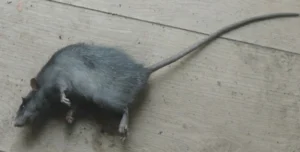
Rats dying of old age might appear thin with dull, matted fur. They might have visible tumors (rats are very prone to developing tumors as they age), cloudy eyes, or difficulty moving.
Female rats that have had multiple litters wear out faster. The stress of pregnancy and nursing babies takes a toll, and these rats often don’t live as long as males or females that haven’t reproduced.
Older rats are more likely to die during winter when temperatures drop and food might be harder to find, even indoors. The extra stress of cold weather can push an aging rat over the edge.
If you find a single dead rat that looks old and doesn’t show signs of poisoning, disease, or injury, natural causes are a likely explanation. This is especially true if the rat is in an open area rather than hidden in a wall.
Stress and Lack of Food Sources
Living in a house isn’t natural for rats, and the stress of indoor life combined with limited food can lead to deaths, especially if you’ve recently made changes.
If you’ve cleaned up and removed food sources that rats were relying on (like crumbs, accessible pantry items, pet food, or garbage), some rats might not adapt quickly enough to the change.
Rats can survive about 1 to 2 weeks without food, but starvation weakens them and makes them more vulnerable to disease, predators (like cats), or other causes of death.
Competition for limited food in an indoor environment can be fierce. Dominant rats might prevent weaker rats from eating, leading to starvation of subordinate rats.
Stress from living near humans takes a toll. Constant human activity, noise, and the threat of being discovered creates chronic stress that weakens rats over time.
If you have pets (especially cats or dogs), the stress of avoiding predators inside the house can wear rats down. Even if your pets don’t catch the rats, the constant fear affects their health.
Rats that were used to outdoor food sources might enter houses during cold months and find it hard to locate enough food indoors. These rats are more likely to starve or become weak and die from other causes.
Young rats are especially vulnerable to food shortages. If a mother rat dies or stops nursing, babies will starve quickly. You might find a whole nest of dead baby rats if something happens to the mother.
The Serious Problem of Smell from Dead Rats
One of the worst parts about rats dying in your house is the smell. Understanding the decomposition process helps you know what you’re dealing with and how long it will last.
A dead rat starts to smell within 24 to 48 hours of death, depending on temperature. Warmer temperatures speed up decomposition and make the smell appear faster and stronger.
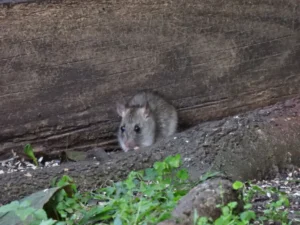
The smell gets worse over the first week as the body goes through active decomposition. This is when the odor is at its strongest and most unpleasant.
The smell can last 2 to 3 weeks or longer for a full-grown rat. Smaller rats decompose faster (1 to 2 weeks) while larger rats take longer.
Heat makes the smell worse. If a rat dies in a warm area (like near heating ducts, in an attic during summer, or in a wall with poor ventilation), the smell will be stronger and appear faster.
The odor can spread through your entire house via air vents, ductwork, or just general air circulation. A rat that died in one room can make your whole house smell.
Finding the source of the smell is really difficult when the rat is inside a wall, under a floor, or in another inaccessible space. The smell doesn’t always come from exactly where the rat is because air currents can carry it.
You might need to cut into walls or remove sections of ceiling to find and remove the dead rat if the smell is unbearable. This is expensive and creates more mess, but sometimes it’s the only solution.
Health and Safety Risks from Dead Rats Indoors
Dead rats inside your house create serious health concerns that go beyond just the unpleasant smell. Understanding these risks helps you take the situation seriously.
Disease transmission is the biggest worry. Dead rats can carry diseases that remain infectious after death, including hantavirus (spread through rat droppings and urine), leptospirosis (spread through rat urine), rat bite fever, salmonella, and in rare cases, plague.

Airborne particles from decomposition and rat waste can be breathed in, potentially causing respiratory infections or allergic reactions. This is especially dangerous if rats died in your HVAC system.
Parasites like fleas, mites, and ticks leave dead rats to find new hosts. Inside a house, these parasites will bite humans and pets. Some can transmit diseases like murine typhus.
Contamination of living spaces happens when body fluids from decomposition seep into insulation, drywall, or other building materials. This contamination can be difficult or impossible to fully clean.
Secondary poisoning risks exist if the rat died from poison. Pets might find and chew on dead rats, ingesting the poison that’s still in the rat’s system.
Attracting other pests is a problem. Dead rats attract flies, maggots, beetles, and other insects. These pests then become their own problem in your house.
Children and pets are at highest risk because they might find dead rats in accessible areas before you do. Kids don’t understand the danger, and dogs especially are attracted to dead animals.
How to Find Dead Rats in Your House
When you smell a dead rat but can’t find it, you need a systematic approach to locate the body. This can be frustrating, but being methodical helps.
Follow your nose. The smell is strongest near the source. Walk through your house and try to identify which room or area smells the worst.
Check common rat areas first. Look in attics, basements, crawl spaces, behind appliances (refrigerators, stoves, washers), under sinks, in closets, and in garage spaces.
Look for signs of rat activity in the smelly area. Check for droppings, gnaw marks, greasy rub marks on walls, or holes in walls or floors. Rats often die near where they’ve been living.
Use a flashlight to look in tight spaces, behind furniture, and in corners. Check under beds, inside rarely used cabinets, and in storage areas.
For rats in walls, the smell will be strongest along the wall where the rat died. Put your nose close to the wall (use a mask) and try to pinpoint the exact spot.
Check air vents and ductwork. Rats sometimes get into HVAC systems and die there. The smell then spreads throughout your house via the vents.
Look for stains on ceilings or walls. Body fluids from decomposition might seep through drywall, creating visible stains that show you where the rat is.
Consider using a camera inspection device. You can buy or rent flexible cameras that you can feed into walls, ceiling spaces, or other areas you can’t see into.
If you absolutely can’t find the rat, you might need to wait for it to fully decompose. This takes several weeks, but the smell will eventually go away on its own.
Safely Removing Dead Rats from Your House
When you find a dead rat indoors, proper removal is important for your health and safety. Take this seriously and use the right protective measures.
Put on protective gear before touching anything. Wear rubber or latex gloves (double them up), put on an N95 mask or respirator to avoid breathing in particles, and consider wearing safety glasses or goggles.

Ventilate the area by opening windows and turning on fans if possible. This helps reduce your exposure to airborne particles and makes the smell less overwhelming.
Spray the dead rat and surrounding area with disinfectant or a bleach solution (1 part bleach to 10 parts water). Let it sit for 5 to 10 minutes before touching anything.
Pick up the rat using paper towels or while wearing thick gloves. Avoid touching the rat directly even with gloves on if you can help it.
Place the rat directly into a plastic bag. Double bag it by putting the first bag inside a second plastic bag and seal both tightly.
Dispose of the bagged rat in your outdoor garbage. Seal the garbage bag tightly and put it in your outdoor bin right away.
Clean the area thoroughly. Spray with disinfectant, wipe down all surfaces the rat touched, and dispose of cleaning materials in sealed plastic bags.
If the rat was on carpet or upholstery, consider steam cleaning or replacing the affected material if the contamination is severe.
Wash your hands and arms thoroughly with soap and hot water immediately after cleanup. Scrub for at least 20 seconds and rinse well.
Preventing Rats from Dying in Your House
The best solution is preventing rats from getting into your house in the first place. If there are no rats inside, you won’t have dead rats to deal with.
Seal all entry points. Rats can squeeze through holes as small as 1/2 inch. Check your entire house foundation, walls, roof, around pipes and wires, gaps under doors, and holes in window screens.
Use the right materials to seal holes. Steel wool and caulk work for small gaps, hardware cloth for larger openings, metal flashing around pipes, and door sweeps on exterior doors.
Remove food sources inside your house. Store all food in sealed containers (glass, metal, or heavy plastic), clean up crumbs and spills immediately, don’t leave pet food out overnight, and keep garbage in sealed bins.
Fix water leaks and eliminate water sources. Repair leaky faucets and pipes, fix sweating or dripping pipes, and don’t leave water sitting in sinks or buckets.
Keep your house clean and clutter-free. Rats hide in clutter, so reducing mess makes your house less attractive. Store items in sealed plastic bins rather than cardboard boxes.
Set traps instead of using poison if you need to control rats. Snap traps kill instantly and you know exactly where the dead rat is. Place traps along walls, near entry points, and in areas where you see rat signs.
Check your house regularly for early signs of rats. Look for droppings, gnaw marks, greasy rub marks on walls, scratching sounds at night, and holes in walls or floors.
Work on the outside too. Keep vegetation trimmed away from your house, store firewood away from the foundation, seal gaps in garage doors, and keep outdoor garbage in sealed bins.
Conclusion
Rats die inside houses mainly from poison, getting trapped in walls or tight spaces, dehydration, diseases spreading among rat populations, or old age. The presence of dead rats means you have (or had) an active rat infestation.
Dead rats create serious problems beyond the terrible smell. They pose health risks through disease transmission, parasites, and contamination of your living space. Quick, proper cleanup using protective gear is important.
The worst part about indoor rat deaths is when they die in inaccessible places like walls, under floors, or in ceiling spaces. The smell can last for weeks and spread throughout your house via air circulation.
Prevention is the best approach. Seal all entry points, remove food and water sources, and keep your house clean. If you have rats dying in your house, deal with the root problem (the infestation) rather than just removing dead rats. For serious infestations or rats in hard-to-reach places, don’t hesitate to call professional pest control.

Hi, my name is Ezra Mushala, i have been interested animals all my life. I am the main author and editor here at snakeinformer.com.