
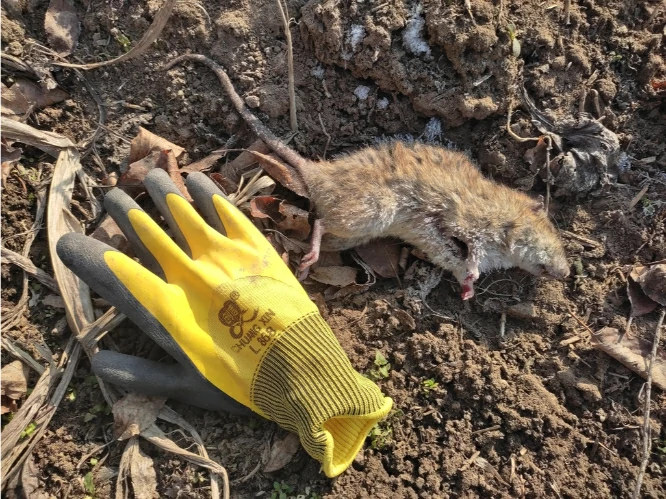
Finding dead rats in your yard can be alarming and confusing. Whether you’re discovering one dead rat or several, it’s natural to wonder what’s happening and whether there’s something in your yard causing it.
Dead rats also create health and safety concerns that you need to address quickly. The situation becomes even more worrying if you have pets or children who play in the yard. So why are rats dying in my yard?
Rats die in yards for several reasons: poisoning (from rat bait you or neighbors used), diseases spreading through the rat population, predator attacks, old age, dehydration or starvation, and exposure to extreme weather. The most common cause is rodenticide (rat poison) either you put out or that rats ate elsewhere.
Understanding why rats are dying in your yard helps you know whether there’s an ongoing problem, what risks you need to worry about, and how to safely clean up and prevent future issues.
Rat Poison Is the Most Common Cause
If you’re finding dead rats in your yard, the most likely explanation is rat poison. This is true even if you haven’t put any poison out yourself.
Rodenticides (rat poisons) work by causing internal bleeding, disrupting blood clotting, or causing other fatal effects over several days.
Rats don’t die immediately after eating poison. They continue moving around for 24 to 72 hours before the poison takes full effect.
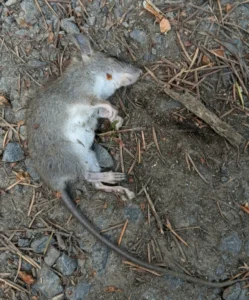
This delayed action means rats can eat poison in one location (like a neighbor’s property, a nearby building, or a public area) and then travel to your yard before dying.
If you put out poison yourself, you might find dead rats near bait stations or in areas where rats commonly travel.
But you’ll also find them in random spots throughout your yard because poisoned rats become disoriented and weak, wandering around before they die.
Second-generation anticoagulant poisons (the most common types like brodifacoum or bromadiolone) are especially potent. Just one feeding can kill a rat, and the effects last for days.
Some rats die above ground in visible locations while others crawl into hiding spots like under decks, in burrows, or beneath vegetation before dying. This is why you might smell dead rats before you find them.
The biggest concern with poison is secondary poisoning. If a pet or predator eats a poisoned rat, they can also get sick or die from the poison in the rat’s system.
Disease Outbreaks in Rat Populations
Sometimes rats die from diseases that spread through their population. When you have multiple rats living close together (like in a yard with good food and shelter), diseases spread quickly.
Leptospirosis is a bacterial infection that affects rats. It’s spread through contaminated water and urine.
In wet conditions or areas with standing water, this disease can kill rats and also poses risks to humans and pets.
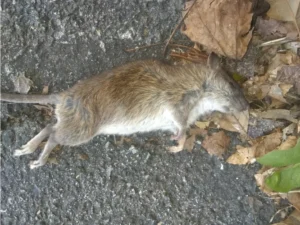
Rat bite fever is another bacterial disease that can be fatal to rats, especially younger or weaker individuals. It spreads through fighting and close contact between rats.
Salmonella and other bacterial infections can cause severe illness in rats, particularly if their immune systems are weakened by stress, poor nutrition, or age.
Viral infections like Seoul virus or other hantaviruses can spread through rat populations. While these viruses don’t always kill rats quickly, they can weaken them and make them more likely to die from other causes.
Parasitic infections from mites, fleas, or internal parasites can weaken rats over time. Heavy parasite loads can eventually kill rats, especially in combination with other stressors.
When disease is the cause, you might find multiple dead rats over a period of days or weeks. The rats might look thin, have patchy fur, or show other signs of illness.
Disease outbreaks often happen after population booms. When rat numbers get very high, stress, competition for food, and close living conditions create perfect circumstances for disease to spread.
Predators Killing Rats in Your Yard
Natural predators hunt and kill rats, and your yard might be a hunting ground for several types of predators. Sometimes predators kill more rats than they eat, leaving bodies behind.
Cats (both domestic and feral) are skilled rat hunters. While cats often eat mice whole, they sometimes kill rats and don’t eat them, leaving the bodies in your yard. Cats might also eat part of a rat and leave the rest.
Dogs sometimes catch and kill rats, especially terrier breeds that were originally bred for rat hunting. Most dogs don’t eat rats after killing them, so you’ll find the whole body.
Birds of prey like hawks, owls, eagles, and falcons hunt rats, particularly at dawn and dusk when rats are most active. These predators might drop rats they’ve caught, or kill rats on the ground and get spooked before eating them.
Snakes (especially larger species like rat snakes, racers, or gopher snakes) hunt rats but might not be able to swallow a full-grown rat. They might kill a rat and leave it if it’s too big.
Other predators like raccoons, opossums, foxes, and coyotes also hunt rats. These animals might kill rats but get distracted or scared off before eating them.
If predators are the cause, you’ll usually see signs of the attack. The rat’s body might have bite marks, scratches, or puncture wounds. The body might be partially eaten or torn apart.
Predator-killed rats often appear fresher than poisoned rats because death was immediate. Poisoned rats usually look more deteriorated because they wandered around sick for days before dying.
Rats Dying from Old Age or Natural Causes
Rats don’t live very long, even under the best conditions. In the wild, most rats only survive 6 to 12 months, though some can live up to 2 years if they avoid predators and disease.
When rats reach the end of their natural lifespan, they become weaker, slower, and more likely to die in places where you can find them. Older rats can’t hide as effectively as younger, healthier ones.
Rats dying of old age might look thin with dull, patchy fur. They might have visible tumors (rats are prone to developing tumors as they age), cloudy eyes, or other signs of aging.
Natural deaths increase in winter when food is scarcer and conditions are harsher. Older rats that might have survived a few more months in summer can die when cold weather arrives and food becomes harder to find.
Stress from overcrowding, competition for food, or harassment from younger rats can also shorten a rat’s life. Dominant rats might attack and injure weaker ones, leading to death from injuries or secondary infections.
If you find an old-looking rat that doesn’t show signs of poisoning or predator attacks, natural causes are a likely explanation. This is especially true if you only find one or two dead rats rather than many.
Dehydration and Starvation
Rats need regular access to water and food. When these resources become scarce, rats can die from dehydration or starvation.
Dehydration kills rats faster than starvation. A rat can only survive 2 to 4 days without water, depending on temperature and humidity. In hot, dry weather, rats become dehydrated even faster.
If water sources in your yard dry up (like a pond, birdbath, or leaky faucet you fixed), rats that depended on that water might not find alternative sources quickly enough.
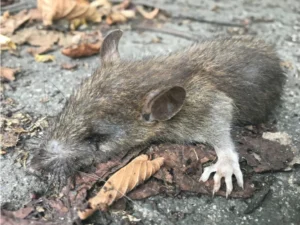
Starvation takes longer (rats can survive 1 to 2 weeks without food), but it still happens. If you recently removed food sources like bird feeders, fallen fruit, or compost, some rats might not adapt quickly enough.
Young rats are especially vulnerable to starvation and dehydration. If a mother rat dies or abandons her babies, the young rats will die quickly without care.
During droughts or extended periods without rain, dehydration becomes more common. Rats that relied on water from puddles, dew, or moist soil suddenly have no water sources.
Rats dying from dehydration often look shrunken and dried out. Their skin might look tight and their eyes sunken. Starved rats appear very thin with visible ribs and hip bones.
Weather-Related Deaths
Extreme weather can kill rats, especially when conditions change suddenly or when rats are already weakened by other factors.
Extreme cold can kill rats that don’t have adequate shelter. While rats are pretty hardy and can survive cold weather better than you might think, sudden temperature drops or extended freezes can be fatal.
Young rats, old rats, and sick rats are most vulnerable to cold. They don’t have the energy reserves to maintain body temperature when it gets really cold.
Flooding from heavy rain can drown rats in their burrows or force them above ground where they’re exposed to predators and weather. Drowned rats often wash up in yards after storms.
Extreme heat can also kill rats, particularly during heat waves. Rats can overheat if they can’t find shade or cool underground burrows. Heat-stressed rats might come out during the day looking for water and die from heat stroke.
Severe storms with high winds and heavy rain can kill rats by destroying their shelter, separating mothers from babies, or simply through exposure to the elements.
If you find dead rats after extreme weather events, weather is likely the cause. The bodies might appear in unusual places (like out in the open) because rats were forced from their normal hiding spots.
What Are The Health Risks from Dead Rats in Your Yard?
Dead rats create several health and safety concerns that you need to take seriously. Knowing the risks helps you understand why quick, proper cleanup is important.
Disease transmission is the biggest concern. Dead rats can carry diseases that remain infectious for days or even weeks after death.
These include leptospirosis (spread through rat urine), hantavirus (spread through rat droppings and urine), rat-bite fever, salmonella, and plague (though rare in most areas).
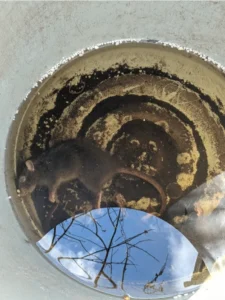
Parasites like fleas, mites, and ticks leave dead rats to find new hosts. These parasites can bite humans and pets, potentially transmitting diseases like murine typhus or even plague in some areas.
Contamination of soil and water happens when rat bodies decompose. Bacteria and pathogens from the decomposing body seep into the surrounding soil and can contaminate water sources.
Secondary poisoning risks exist if the rat died from poison. Pets or wildlife that eat or mouth dead poisoned rats can also be poisoned. This is especially dangerous for dogs, cats, and birds of prey.
Scavengers and pests are attracted to dead rats. You might see an increase in flies, maggots, beetles, ants, and other insects. Larger scavengers like raccoons, opossums, or other rats might also come to feed on the body.
Smell from decomposing rats is unpleasant and can be strong, especially in warm weather. The odor attracts more pests and makes your yard unpleasant to use.
Children and pets are at highest risk because they might touch or play with dead rats before you find them. Kids don’t always understand the danger, and dogs in particular are attracted to dead animals.
How to Safely Remove Dead Rats
When you find a dead rat in your yard, proper removal is important to protect yourself, your family, and your pets. Don’t just pick it up with your bare hands.
Wear protective gear before touching anything. Put on rubber or latex gloves (double glove if possible), wear a face mask to avoid breathing in airborne particles, and consider wearing safety glasses to protect your eyes.
Prepare your cleanup supplies. You’ll need heavy-duty plastic bags (double bag the rat), paper towels or disposable rags, and disinfectant spray or bleach solution.
Spray the dead rat and surrounding area with disinfectant before touching anything. This helps reduce airborne particles and kills some surface bacteria.
Pick up the rat using a shovel, tongs, or while wearing thick gloves. Place it directly into a plastic bag without touching it with your bare hands.
Double bag the rat by putting the first bag inside another plastic bag. Seal both bags tightly.
Dispose of the bagged rat according to local regulations. In most areas, you can put it in your outdoor trash. Some areas have specific disposal rules for dead animals, so check with your local waste management if you’re unsure.
Clean the area where the rat was found. Spray with disinfectant, let it sit for 5 to 10 minutes, then rinse if needed. Remove any contaminated soil if the rat was there for a while.
Wash your hands thoroughly with soap and hot water immediately after cleanup, even if you wore gloves. Wash your arms up to your elbows if you had any contact with the rat or contaminated surfaces.
Disinfect your tools. Clean shovels, tongs, or any other tools you used with bleach solution or disinfectant.
What to Do If You Keep Finding Dead Rats
Finding one dead rat might be a one-time thing, but if you keep finding them, there’s an ongoing issue you need to address. Multiple dead rats mean something is happening in or around your yard.
Identify the cause by looking at the bodies. Are they showing signs of poisoning (bloody noses, blood from mouth, appearing to have died slowly)? Predator attacks (bite marks, torn bodies)? Disease (thin, patchy fur, signs of illness)? This helps you know what’s happening.

Check with neighbors to see if they’re using rat poison or if they’ve noticed rats in their yards. Rats travel between properties, so your neighbors’ actions can affect your yard.
Look for rat burrows, runways, droppings, or other signs of an active rat population in your yard. If you have a rat infestation, some will naturally die and others will be killed by predators.
Stop using poison if you’ve been putting it out. While poison kills rats, it creates the problem of dead rats appearing everywhere and poses risks to pets and wildlife.
Remove attractants that bring rats to your yard. Clean up food sources (fallen fruit, bird seed, pet food, accessible garbage), eliminate water sources (fix leaks, remove standing water), and clear shelter (remove clutter, wood piles, dense vegetation).
Set up traps instead of using poison if you need to control rats. Snap traps kill instantly and you know exactly where the dead rat will be, making cleanup easier and safer.
Consider predator-friendly approaches. Installing owl boxes, allowing outdoor cats in your yard, or keeping a rat-hunting dog can help control populations naturally.
Monitor your yard regularly. Check common areas where you’ve found dead rats before, and look for new signs of rat activity.
Conclusion
Rats die in yards for various reasons, but the most common cause is rat poison (either you put out or from nearby properties). Other causes include diseases spreading through rat populations, predator attacks, old age, dehydration or starvation, and extreme weather.
Dead rats create health risks through disease transmission, parasites, and secondary poisoning if poison was involved. Quick, proper cleanup using protective gear is important to protect yourself and your family.
If you keep finding dead rats, there’s an ongoing issue you need to address. This might be an active rat infestation in your yard, neighbors using poison, or predators hunting rats in your area.
The best long-term solution is making your yard unattractive to rats by removing food, water, and shelter.
Without rats living in or visiting your yard, you won’t have the problem of dead rats appearing. If you need help identifying the cause or dealing with recurring issues, don’t hesitate to call professional pest control.

Hi, my name is Ezra Mushala, i have been interested animals all my life. I am the main author and editor here at snakeinformer.com.