
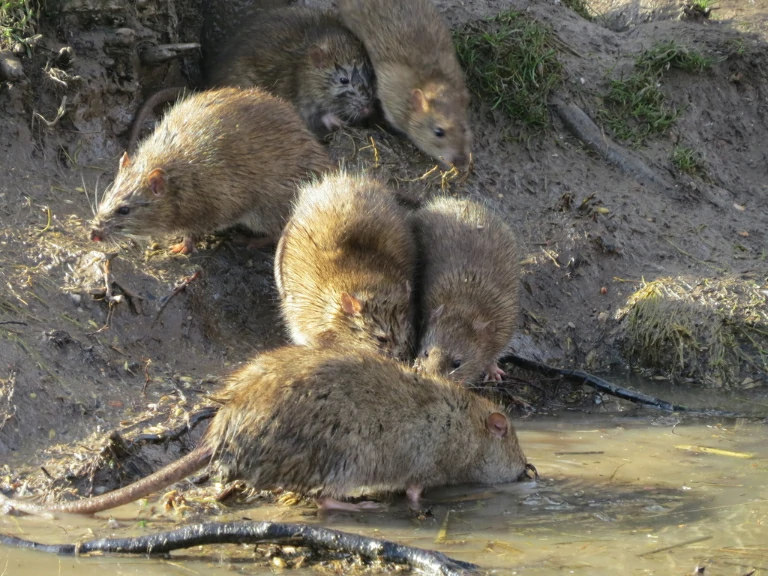
Rats have a reputation as filthy creatures. People associate them with sewers, garbage, disease, and unsanitary conditions. The mere mention of rats makes most people think of contamination and health hazards.
This reputation is so strong that calling someone a “dirty rat” is an insult, and saying a place is “rat-infested” immediately makes people think it’s disgusting and unhealthy. But is this reputation deserved? Why are rats considered dirty?
Rats are considered dirty because they live in sewers and garbage, spread diseases through their droppings and urine, carry parasites like fleas and mites, and contaminate everything they touch. They pee and poop constantly as they move around, leave grease marks on surfaces, and are linked to historical plague outbreaks that killed millions.
The reputation isn’t entirely fair though. Rats are actually quite clean in some ways, spending lots of time grooming themselves.
But their behavior, the places they live, and the diseases they carry have earned them their dirty image.
Understanding both the reality and the perception helps explain why these animals are so universally disliked.
Where Rats Live and Why It Matters
A big part of rats’ dirty reputation comes from where they choose to make their homes. These places are genuinely filthy, and rats thrive there.
Sewer systems are classic rat habitat. Rats live in the pipes and tunnels under cities, surrounded by human waste and standing water. They crawl through sewage and then emerge into buildings, bringing that contamination with them.

Garbage dumps and landfills attract huge rat populations. Rats burrow into piles of trash, eat rotting food, and nest in the warm, decomposing waste. They’re covered in whatever grime they encounter while foraging.
Dumpsters and trash areas behind restaurants and stores become rat feeding grounds. Rats climb in and out of garbage containers, walking through decaying food, grease, and all sorts of waste.
Abandoned buildings filled with debris, old furniture, and accumulated dirt house rat colonies. These places haven’t been cleaned in years, and rats make them even worse with their droppings and nesting materials.
The environments rats choose tell you something about their tolerance for filth. They don’t just visit these places; they live their entire lives there, raising babies in nests made from garbage and contaminated materials.
Rat Droppings and Urine
One of the main reasons rats are considered dirty is their bathroom habits. Rats don’t use designated areas to relieve themselves. They go wherever they happen to be.
A single rat can produce 40-50 droppings per day. In an area with a rat infestation, thousands of droppings pile up quickly. These aren’t small either; rat droppings are about 1/2 to 3/4 inch long, dark brown or black, and shaped like capsules.
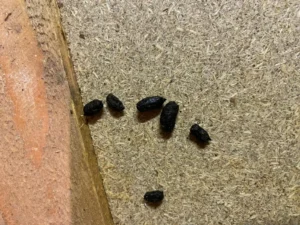
Rats also urinate constantly. They pee small amounts as they walk, marking their territory and leaving a trail. A rat might urinate several dozen times in a single day, contaminating surfaces throughout its travel route.
The droppings and urine don’t just create a mess. They contain bacteria, viruses, and parasites that can make humans and other animals sick. This contamination soaks into floors, walls, insulation, and anything else the rats come into contact with.
When droppings dry out, they crumble into dust. This dust becomes airborne when disturbed, meaning you can breathe in particles contaminated with rat waste without even knowing it. This is how diseases like Hantavirus spread.
The Grease and Smell Problem
Beyond waste, rats leave other signs of their filth. Their bodies produce oils that create visible marks wherever they travel regularly.
Rat fur is oily and dirty from their environment. When rats squeeze through tight spaces or run along walls, this oil transfers to the surface. Over time, dark grease marks build up along their regular routes.
These grease marks are actually one way pest control experts identify rat pathways. The darker and more obvious the marks, the more heavily traveled the route is. In severely infested areas, the marks can be really pronounced.
The smell from rat infestations is another issue. Rat urine has a sharp, musky odor that gets stronger as it accumulates. In badly infested buildings, the smell can be overwhelming and hard to get rid of even after the rats are gone.
Dead rats create an even worse smell. When rats die in walls or other hidden spaces, they decompose and produce an awful stench that can last for weeks. The smell seeps into everything and is hard to eliminate.
Diseases Rats Carry and Spread
The biggest reason rats are considered dirty is their role in spreading disease. Throughout history, rats have been linked to devastating epidemics that killed millions of people.
The bubonic plague, or Black Death, killed roughly a third of Europe’s population in the 1300s. While the plague bacteria was carried by fleas, those fleas lived on rats. When infected rats died, the fleas jumped to humans, spreading the disease.

This historical connection between rats and plague cemented their reputation as disease carriers. Even though plague is rare today, the association stuck in human consciousness.
Modern rats still carry numerous diseases. Leptospirosis spreads through rat urine and can cause kidney failure in humans. Hantavirus, spread through rat droppings, can be fatal. Rat-bite fever comes from bites or scratches.
Salmonella bacteria often live in rat digestive systems. When rats contaminate food with their droppings, people who eat that food can get sick with salmonellosis, causing fever, diarrhea, and stomach cramps.
Parasites That Live on Rats
Rats don’t just carry diseases themselves. They’re also hosts for various parasites that can transfer to humans, pets, and other animals.
Fleas are the most famous rat parasites. The Oriental rat flea specifically was responsible for spreading plague. Today, rat fleas can still transmit diseases and cause allergic reactions in people and pets.
Mites live in rat fur and can cause skin irritation if they bite humans. Some mites are microscopic and you won’t even see them, but you’ll feel the itchy, irritating bites.
Lice are another parasite rats carry. While rat lice don’t usually transfer to humans, they’re another sign of how many organisms live on and around rats.
Ticks found on rats can carry Lyme disease and other tick-borne illnesses. When rats come into yards or buildings, they can drop infected ticks that then bite humans or pets.
The fact that rats serve as mobile homes for all these parasites adds to their dirty reputation. They’re not just filthy themselves; they’re walking around with a whole ecosystem of gross organisms on their bodies.
How Rats Contaminate Food
Food contamination by rats is a major public health concern and reinforces why rats are seen as dirty. The way they interact with food sources is genuinely disgusting.
Rats nibble on food, taking bites out of multiple items rather than finishing one thing. This means a single rat can contaminate way more food than it actually eats.
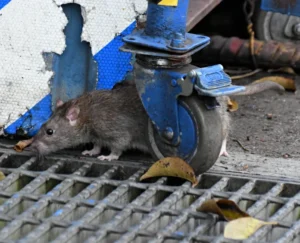
They pee and poop on food as they’re eating it or walking across it. Even if you can’t see obvious signs, microscopic contamination has occurred. This is why any food rats have accessed needs to be thrown out.
Rats carry bacteria on their feet and fur from walking through sewers and garbage. When they walk across kitchen counters, pantry shelves, or food storage areas, they transfer that contamination.
In restaurants and food processing facilities, even one rat can lead to massive food safety violations. The potential for contamination is so serious that health departments can shut down operations until the problem is resolved.
The visual of rats crawling through garbage and then across food is enough to make anyone lose their appetite. This image is deeply ingrained in how we think about rats and cleanliness.
Are Rats Actually Dirty Animals?
Here’s where it gets interesting. Despite their reputation and the filthy places they live, rats themselves are actually fairly clean animals in terms of personal grooming.
Rats spend several hours each day grooming themselves. They lick their fur, clean their paws, and wash their faces much like cats do. They’re particular about keeping their fur in order.
Pet rats kept in clean cages with proper care don’t smell bad and aren’t dirty in the way people imagine. They groom themselves constantly and will even groom cage mates.
Wild rats would probably be cleaner too if they didn’t live in such contaminated environments. The problem isn’t that rats are inherently filthy; it’s that they thrive in filth and carry it with them wherever they go.
This distinction is important. The dirtiness associated with rats comes more from their habitat and what they carry than from the rats being deliberately unclean animals. But the end result for humans is the same: rats are vectors for filth and disease.
The Psychological Factor
Part of why rats are considered dirty is psychological rather than purely factual. Humans have deep-seated reactions to rats that go beyond rational assessment of actual contamination risk.
Rats trigger disgust responses in most people. This is likely evolutionary: animals that learned to avoid disease vectors had better survival rates. That instinctive “rats are gross” feeling served our ancestors well.
Cultural stories and media reinforce the dirty rat image. Movies, books, and folklore almost always portray rats as filthy, diseased creatures associated with decay and plague. This shapes how we perceive them.
The association between rats and poverty or poor sanitation makes people feel like rats reflect badly on them. Having rats means you’re dirty or your neighborhood is unclean, even though rats can infest clean places too.
This creates a feedback loop. We think rats are dirty, so we associate them with dirty places, which reinforces that they’re dirty. The reputation feeds itself regardless of the complete facts.
Rats vs. Mice: Why the Different Perception?
Interestingly, people generally consider mice less dirty than rats, even though they have similar habits and disease-carrying potential. The difference is mostly about size and appearance.
Mice are smaller and look cuter with their big ears and eyes. This makes people react to them less harshly. A mouse seems more like a small, harmless creature even though it’s still a rodent.
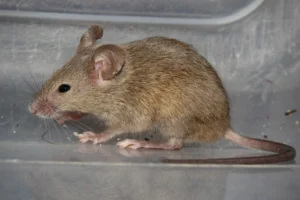
Rats are bigger, with long naked tails, sharp teeth, and a more aggressive appearance. They look threatening and creepy to most people, which adds to the dirty perception.
Mice are associated with pantries and kitchens, while rats are linked to sewers and alleys. Even though both infest similar spaces, the mental image is different.
The phrase “cute as a mouse” exists, but no one says “cute as a rat.” This linguistic difference reflects and reinforces the perception gap between these closely related rodents.
Historical Context of Rats and Filth
Understanding history helps explain why the dirty rat reputation is so strong and persistent across cultures.
During medieval times, sanitation was terrible in cities. Open sewers, piles of garbage in streets, and lack of clean water created perfect conditions for rats. Rats became symbols of urban filth and decay.
The plague outbreaks killed so many people that rats became associated with death itself. Seeing rats meant disease and death might be coming. This fear has lasted centuries.
Industrial revolution cities were even worse for sanitation, and rat populations exploded. Working-class neighborhoods struggled with overwhelming rat infestations, and rats became associated with poverty and neglect.
Literature from Charles Dickens to George Orwell used rats as symbols of degradation, despair, and the worst aspects of human society. These cultural references shaped how generations think about rats.
Even today, developing countries with sanitation challenges often have serious rat problems. The connection between rats and poor hygiene persists in modern times, not just as historical memory.
Rats in Modern Urban Environments
Cities today still struggle with rats, and the environments where they thrive reinforce their dirty reputation.
Subway systems in major cities house massive rat populations. Videos of rats running across tracks or through stations go viral on social media, disgusting millions of viewers and reinforcing negative perceptions.
Restaurant dumpster areas attract rats in huge numbers. Health code violations related to rats can shut down restaurants and make headlines, associating rats with food safety failures.
Homeless encampments sometimes have rat problems due to accumulated garbage and lack of sanitation infrastructure. This creates unfortunate associations between rats and homelessness.
Public parks in cities can have rat issues, especially in areas with lots of trash or near water bodies. Seeing rats in places where children play increases concern about disease and safety.
The visibility of rats in modern cities, particularly when caught on video and shared online, keeps their dirty reputation fresh in public consciousness.
Pet Rats vs. Wild Rats
One way to understand the dirty rat reputation is to compare pet rats with wild rats. The difference highlights what’s actually about the animal versus the environment.
Pet rats (fancy rats) kept in clean cages and handled regularly are not dirty at all. They groom themselves constantly, can be litter trained, and develop clean habits.
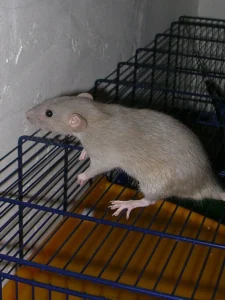
Pet rat owners report that their rats are cleaner than many other pets. They don’t smell if their cage is cleaned regularly, and they’re careful about where they eliminate.
Wild rats forced to live in sewers and garbage have no choice but to be dirty. The contamination they carry is from their environment, not from being naturally filthy animals.
This proves that the “dirty rat” label is about circumstances rather than inherent nature. But since most people only encounter wild rats in unpleasant contexts, the dirty reputation persists.
Pet rat advocates work to change this perception, but they’re fighting against centuries of cultural conditioning and the reality that wild rats do pose real health risks.
The Smell Test
Smell plays a huge role in why rats are considered dirty. The odors associated with rat infestations are genuinely unpleasant and hard to forget.
Rat urine has a distinctive sharp, ammonia-like smell that intensifies with concentration. In badly infested buildings, the urine smell can make people gag and is hard to cover up with air fresheners.
The musky odor from rat scent glands adds another layer. Male rats especially produce strong-smelling secretions used for marking territory and communicating with other rats.
Nesting materials soaked with urine and mixed with droppings create a complex smell that’s hard to describe but unmistakably unpleasant. Once you’ve smelled it, you’ll recognize it anywhere.
Dead rats decomposing in walls or crawl spaces produce one of the worst smells imaginable. The putrid odor of decay can permeate an entire building and last for weeks.
Humans are wired to be repelled by bad smells as a protection against disease. The smells associated with rats trigger this response powerfully, reinforcing the dirty perception.
Cleaning Up After Rats
The difficulty and intensity of cleaning up after a rat infestation reinforces how dirty these animals are considered to be.
Professional cleaning services use protective equipment including respirators, gloves, and sometimes full hazmat suits to clean rat-contaminated areas. This visual alone tells you how serious the contamination is.
Contaminated materials often can’t be cleaned and must be removed and disposed of. Insulation, drywall, carpeting, and other porous materials might need complete replacement.
Specialized disinfectants and sanitizers are required. Regular household cleaners aren’t strong enough to kill all the pathogens rats leave behind. Commercial-grade products are necessary.

The cleaning process itself is extensive. Every surface needs scrubbing, air ducts need cleaning, and hidden areas behind walls might need opening up for access.
Even after thorough cleaning, some contamination evidence might remain. Urine soaked into wood subfloors or concrete can be impossible to completely eliminate, and smells might linger.
Public Health Messaging
Public health departments actively promote the message that rats are dirty and dangerous. This isn’t just prejudice; it’s based on real health risks.
Health education materials about rats emphasize disease risks, contamination, and the need for professional pest control. This official messaging reinforces the dirty rat reputation.
Restaurant health inspections treat rat evidence as serious violations. Finding rat droppings or signs of rats can result in immediate closure until the problem is fixed.
Building codes and housing regulations include requirements for rat control and exclusion. The legal framework treats rats as serious health hazards that must be prevented.
Disease outbreak investigations sometimes trace infections back to rat exposure. When public health officials announce that rats were the source, it makes headlines and reinforces fear.
The official stance from health authorities worldwide is clear: rats are disease vectors and contamination sources that must be controlled. This authoritative position shapes public perception.
Conclusion
Rats are considered dirty because they live in filthy environments like sewers and garbage dumps, spread diseases through their constant urinating and defecating, carry parasites, and contaminate everything they touch. Their historical association with plague and death cemented a reputation that persists today.
While rats themselves actually groom frequently and aren’t inherently unclean animals, their behavior and habitat choices make them genuine health hazards. They thrive in contaminated environments and spread that contamination wherever they go. The diseases they carry, from leptospirosis to Hantavirus, pose real risks to human health.
The dirty rat reputation is partly cultural and psychological, reinforced by centuries of literature, media, and lived experience. But it’s also based on facts: rats do contaminate food, spread disease, and create unsanitary conditions. Whether the reputation is entirely fair to the animals themselves, it reflects real public health concerns.
Understanding why rats are considered dirty helps explain why rat control is taken so seriously by health departments, why their presence causes such strong reactions, and why preventing rat infestations is an important part of maintaining clean, healthy environments for humans.

Hi, my name is Ezra Mushala, i have been interested animals all my life. I am the main author and editor here at snakeinformer.com.