
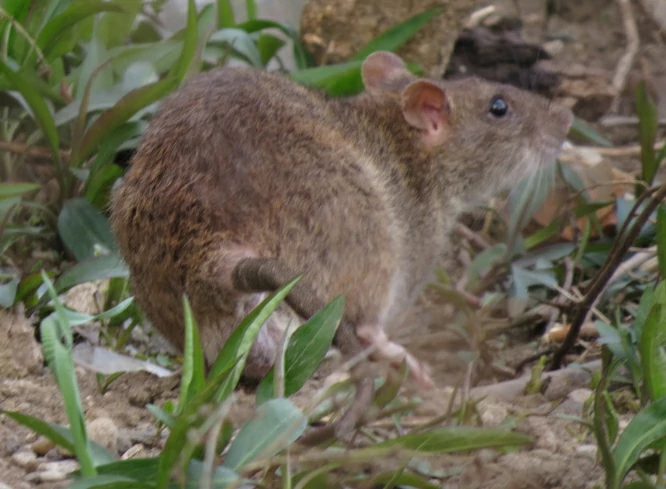
Rats are everywhere. You’ll find them on every continent except Antarctica, living in cities, forests, islands, and farmland. While some rat species are native to certain areas, invasive rats have spread across the globe, often hitching rides on ships and in cargo.
These invasive rats have caused serious problems wherever they’ve landed. They eat native plants and animals, spread disease, and change entire ecosystems in ways that can last for generations. But why are rats bad for the environment?
Rats damage the environment by eating native species to extinction, destroying plant life, spreading seeds of invasive plants, and disrupting natural food chains. On islands especially, rats have wiped out entire bird populations and pushed many species to the brink of extinction because these animals evolved without rat predators.
This damage isn’t just theoretical. Scientists have documented hundreds of cases where rats have changed ecosystems so much that they become completely different from what they were before.
Once rats get established in an area, getting rid of them is really hard and expensive.
How Rats Arrived in Places They Don’t Belong
Rats didn’t just show up everywhere on their own. Humans accidentally brought them along as stowaways on ships, in cargo containers, and through other forms of transportation.
The brown rat and black rat, the two most common invasive species, originally came from Asia. As humans started sailing around the world for trade and exploration, rats came along for the ride. They hid in food stores, nested in cargo, and jumped ship at every port.
Islands were hit especially hard. Many islands never had any land mammals before humans arrived. The birds, reptiles, and insects that lived there had no experience with predators like rats.
When rats landed on these islands, they found paradise. Tons of food, no predators, and animals that didn’t know to be afraid of them. Rat populations exploded, and the damage began almost immediately.
Rats and Native Bird Populations
Birds have been the biggest victims of rat invasions, particularly on islands. Ground-nesting birds are especially vulnerable because rats can easily find and raid their nests.
Rats eat bird eggs and chicks. They’re really good at climbing, so even birds that nest in low trees or bushes aren’t safe. A single rat can wipe out an entire nest in one night.
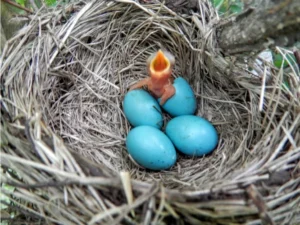
On New Zealand, rats have contributed to the extinction of several native bird species. The Stephens Island wren went extinct partly because of rats (and cats). Other birds like the kakapo, a flightless parrot, are critically endangered largely because rats eat their eggs and chicks.
Seabirds that nest in burrows are particularly at risk. Rats can follow them into their nesting tunnels and kill adults, chicks, and eggs. Some seabird colonies that existed for thousands of years have disappeared within decades of rats arriving.
The damage isn’t just about losing individual birds. When bird populations crash, it affects the whole ecosystem. Birds pollinate plants, spread seeds, and control insect populations. Without them, forests and other habitats start to change.
Impact on Reptiles and Amphibians
Rats don’t just go after birds. They also hunt reptiles and amphibians, many of which can’t defend themselves against these introduced predators.
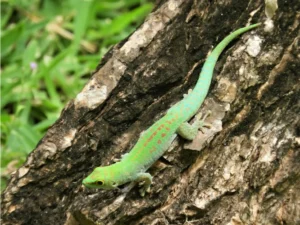
Small lizards are easy prey for rats. In places like the Galápagos Islands and various Caribbean islands, native lizards have declined or disappeared after rats showed up. These lizards often evolved on islands without mammal predators, so they have no defenses.
Frogs and salamanders face the same problem. Rats eat their eggs, which are usually laid in vulnerable spots like ponds or under logs. They also hunt adult amphibians when they can catch them.
Sea turtles have suffered too. Rats dig up turtle nests on beaches and eat the eggs before they can hatch. On some islands, rat predation has reduced sea turtle hatching success by more than 90 percent.
The loss of these reptiles and amphibians creates ripple effects. Lizards eat insects, frogs control mosquito populations, and turtles help maintain healthy ocean ecosystems. When rats reduce these populations, the whole environment suffers.
What Rats Do to Plant Communities
You might think rats mainly eat animals, but they actually consume huge amounts of plant material too. This causes its own set of problems for native ecosystems.
Rats eat seeds, fruits, flowers, and young shoots. When they eat seeds before they can sprout, they prevent plants from reproducing. Some rare plant species have declined because rats eat so many of their seeds that new plants can’t grow.
On tropical islands, rats climb trees to eat fruits and flowers. This reduces the food available for native birds, bats, and insects that depend on these resources. It also means fewer fruits fall to the ground to sprout into new trees.
Rats also spread the seeds of invasive plants. They eat fruits from weedy, aggressive plants and deposit the seeds in their droppings far from the parent plant. This helps invasive species spread even faster.
Some native plants evolved to have their seeds spread by birds or other native animals. When rats replace these animals, the plants lose their seed dispersers. This can lead to forest composition changing over time, with fewer native plants and more weeds.
How Rats Change Food Chains and Ecosystems
Ecosystems are like complex puzzles where every piece affects the others. When rats show up, they don’t just hurt one or two species. They change the whole puzzle.
Rats are what scientists call “mesopredators.” They’re not at the top of the food chain, but they’re predators that eat a lot of smaller animals. When you add a new mesopredator to an ecosystem that never had one, everything gets thrown off balance.
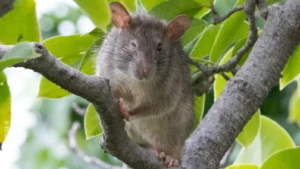
Native predators like owls, hawks, and snakes might seem like they’d just eat the rats and solve the problem. But it doesn’t work that way. Rats reproduce so fast that predators can’t keep up. And often, native predators weren’t built to hunt rats effectively.
Meanwhile, the animals that rats eat start disappearing. This means less food for other predators that relied on those prey species. It also means changes in insect populations, plant growth, and nutrient cycling through the soil.
In forests, rats can actually prevent trees from regenerating. They eat so many seeds and seedlings that old trees aren’t replaced when they die. Over decades, this can turn a lush forest into a degraded habitat with fewer plants and animals.
The Problem with Invasive Species Competition
Rats don’t just hunt native animals. They also compete with them for food and shelter, and rats usually win these competitions.
Native rodents, for instance, often can’t compete with invasive rats. Brown rats and black rats are aggressive, reproduce faster, and can eat a wider variety of foods than many native species. They push native rodents out of the best habitats and food sources.
This competition extends to other animals too. Native birds that forage on the ground have to compete with rats for insects, seeds, and fruits. Rats are often more aggressive and better at finding food, so the birds lose out.
Rats also take over nesting and shelter sites. They nest in tree hollows, rock crevices, and burrows that native animals might need. When rats move in, native species have nowhere to go.
The problem gets worse because rats can live in a huge range of habitats. They can survive in forests, grasslands, wetlands, and even rocky areas. This means they spread their impact across entire landscapes, not just one type of environment.
Rats as Disease Carriers in Wild Ecosystems
Beyond directly eating other animals and plants, rats spread diseases that can devastate wildlife populations. This is a less visible but equally serious form of environmental damage.
Rats carry parasites, bacteria, and viruses that can infect native animals. When these diseases jump from rats to wildlife, they can cause massive die-offs, especially in species that have no natural immunity.
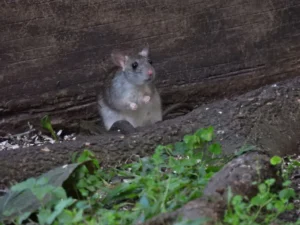
Leptospirosis, a bacterial disease carried by rats, can infect a wide range of mammals. Sea lions, monk seals, and other marine mammals have suffered outbreaks traced back to rat urine contaminating their habitats.
Rats also carry parasites like toxoplasma, which can infect birds and other wildlife. In some cases, these parasites change the behavior of infected animals, making them easier prey for predators or less able to reproduce successfully.
The diseases rats carry can even affect plants indirectly. When rats spread pathogens that kill pollinating insects or seed-dispersing birds, plant reproduction suffers even if the rats never touch the plants directly.
Island Ecosystems: The Worst-Case Scenario
Islands show the most dramatic examples of environmental damage from rats. This is because island ecosystems are particularly fragile and unique.
Many island species evolved in isolation for millions of years. Without mammal predators, birds lost the ability to fly, laid their eggs on the ground, and became fearless. When rats arrived, these species had no defense.
Scientists estimate that rats have contributed to at least 40-60% of all bird and reptile extinctions on islands worldwide. That’s a staggering number considering how recently rats arrived in most places.
Some islands have lost more than 90% of their seabird populations within just a few decades of rat arrival. Entire ecosystems have shifted from seabird-dominated to rat-dominated, changing everything from soil nutrients to plant communities.
The good news is that island rat eradication programs have shown amazing results. When rats are removed, native species often bounce back incredibly fast, proving that the damage, while severe, can sometimes be reversed if we act quickly enough.
Effects on Soil and Nutrient Cycling
Rats affect the environment in ways you might not immediately think about, like changing how nutrients move through ecosystems.
In places with lots of seabirds, bird droppings fertilize the soil and provide nutrients that help plants grow. When rats reduce seabird populations, less guano gets deposited, and soil fertility drops. This affects plant growth and the entire food web.

Rats also change soil structure by digging burrows. While some burrowing is natural in many ecosystems, the sheer number of rat burrows can lead to erosion, especially on slopes or in areas with loose soil.
Their digging can also expose tree roots, destroy the burrows of native animals, and create pathways for invasive plants to take hold. In coastal areas, rat burrows can even contribute to dune erosion and habitat loss.
The way rats process organic matter is different from native species too. They cache food, scatter waste, and change decomposition patterns. Over time, this can alter soil chemistry and the nutrients available to plants.
How Rats Affect Coral Reefs and Ocean Health
This might surprise you, but rats on land can actually damage ocean ecosystems, particularly coral reefs. The connection happens through seabirds.
Seabirds feed in the ocean and nest on land. Their droppings on islands wash into the water and provide nutrients that feed plankton and small fish. These small fish feed larger fish, which support healthy reef ecosystems.
When rats reduce seabird populations, less nutrient flows from land to sea. Studies have shown that islands with rats have lower fish populations and less healthy coral reefs nearby compared to rat-free islands.
The difference is really dramatic. One study found that islands with seabirds (and no rats) had fish biomass that was 50% higher than rat-infested islands. The coral itself was healthier, too, with better growth and more biodiversity.
This shows how connected ecosystems are. You can’t damage one part without affecting others, even when they seem completely separate like land and ocean habitats.
The Problem with Rat Population Growth
One reason rats cause so much environmental damage is how fast they reproduce. This isn’t just about having lots of babies, it’s about exponential growth that quickly overwhelms an ecosystem.
A single female rat can have 5-10 litters per year, with 6-12 babies in each litter. Do the math, and one pair of rats can lead to thousands of descendants in just a year or two if conditions are right.
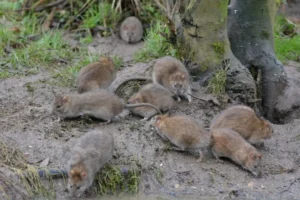
This rapid reproduction means rat populations can explode before native species have time to adapt or before natural controls can kick in. By the time people notice the problem, the damage is already severe.
The speed of reproduction also makes rats really hard to control once they’re established. Even if you remove most of the rats from an area, the survivors can rebuild the population quickly. This is why rat eradication efforts need to be thorough and complete.
In environments with year-round warmth and food availability, rats can breed continuously. They don’t have seasonal slowdowns like many animals in temperate climates. This gives them an even bigger advantage in places like tropical islands.
What Happens When Rats Are Removed
The good news is that when rats are successfully removed from an area, the environmental recovery can be dramatic and fast. This shows just how much damage rats were causing.
On islands where rats have been eradicated, seabird populations often start recovering within just a few years. Birds that hadn’t nested there in decades return once the threat is gone. Egg hatching success goes from near zero to normal levels.
Native plants also bounce back. Seeds that were being eaten by rats can now sprout. Trees start regenerating, and forests can recover. In some cases, plant species thought to be extinct on an island have reappeared after rats were removed.
Lizards, insects, and other small animals show population increases too. The whole ecosystem starts functioning more like it did before rats arrived, with native species taking back their roles.
The recovery isn’t always perfect or immediate. Some species might already be extinct, and the ecosystem might have changed in ways that can’t be completely reversed. But the improvements are usually significant and clear.
Why Prevention Matters More Than Control
Given how much damage rats cause and how hard they are to remove, preventing rat invasions in the first place is really important for protecting the environment.
Biosecurity measures at ports and on ships can stop rats from reaching new places. Inspecting cargo, using rat guards on mooring lines, and monitoring islands can catch invasions early when they’re still manageable.

Some island nations have strict rules about what can be brought onto sensitive islands. They check boats, require quarantine periods, and use trained dogs to sniff out rodents in cargo. These efforts might seem extreme, but they’re way cheaper and easier than trying to eradicate rats later.
For islands that are already rat-free, maintaining that status is critical. Just one pregnant female rat reaching the shore can restart the whole problem. Constant vigilance is necessary.
Education also plays a role. When people understand why keeping rats out matters, they’re more likely to support biosecurity measures and report rat sightings quickly.
Conclusion
Rats damage the environment in multiple ways, from eating native species to spreading disease and changing entire ecosystems. Their impact is most severe on islands where they’ve driven species to extinction and fundamentally altered habitats that took millions of years to develop.
The environmental harm from rats goes beyond just the animals and plants they directly eat. They change food chains, spread invasive species, reduce soil fertility, and even affect ocean health through their impact on seabirds. Their rapid reproduction and adaptability make them incredibly hard to control once they’re established.
The good news is that rat eradication works when it’s done properly. Islands around the world have shown dramatic ecological recovery after rats are removed, proving that the damage can be reversed if we act quickly enough. Prevention, though, remains the best strategy since keeping rats out is much easier and cheaper than removing them later.
Understanding why rats are bad for the environment helps us protect the places and species that are most at risk. Every rat-free island maintained, every early invasion detected, and every successful eradication project is a win for biodiversity and ecosystem health.

Hi, my name is Ezra Mushala, i have been interested animals all my life. I am the main author and editor here at snakeinformer.com.