
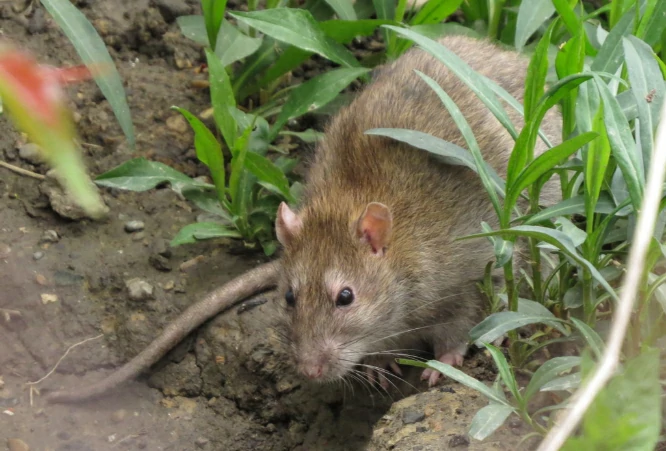
Rats are social animals who typically live in groups, so it might seem strange that they sometimes kill their own kind. But fatal fights between rats do happen, and they can be surprisingly brutal.
These aren’t just minor squabbles that got out of hand. Sometimes rats deliberately kill other rats. Why do rats kill each other?
Rats kill each other to establish or defend dominance in their hierarchy, protect territory and resources, defend their young, during conflicts between unfamiliar rats, when sick or injured rats are perceived as threats, or when overcrowding creates extreme stress and aggression.
While rats are social, they’re also competitive and territorial. Under certain conditions, these traits lead to deadly violence between individuals who might otherwise live peacefully together.
Dominance Hierarchy Conflicts
Rats live in social groups with clear ranking systems. Every rat has a place in the hierarchy, and sometimes establishing or challenging that place turns deadly.
Young male rats reaching sexual maturity often challenge established dominant males. These challenges can escalate from posturing to fighting to death if neither rat backs down.

The dominant position comes with privileges like first access to food, best nesting spots, and mating opportunities. These benefits are worth fighting for from an evolutionary perspective.
Most dominance fights don’t end in death. Usually one rat submits, showing subordinate behavior, and the fight ends. But if the losing rat doesn’t submit or can’t escape, the dominant rat might kill them.
Sometimes two evenly matched rats fight for dominance and neither backs down. These prolonged fights can result in fatal injuries even if death wasn’t the original goal.
Older dominant rats losing their physical strength might be challenged by younger rats. If the old rat can’t defend their position but also won’t submit, fatal fighting can result.
In captive settings where rats can’t escape each other, dominance conflicts are more likely to turn deadly. Wild rats can flee to different territories, but caged rats are trapped together.
Territory and Resource Protection
Rats are territorial animals who defend their claimed spaces and resources aggressively. This territorial behavior can lead to killing in certain situations.
When a new rat enters an established rat’s territory, the resident rat might attack to drive them out. If the intruder doesn’t leave or can’t leave, the attack can become fatal.

Food is a major resource worth fighting over. In environments where food is scarce, rats become more aggressive about protecting their food sources and might kill competitors.
Nesting sites are valuable, especially for pregnant or nursing females. A female protecting her nest might kill another rat who gets too close to her babies.
Water sources in areas where water is limited become defended territories. Rats have been known to kill other rats who try to access their water.
Male rats are particularly territorial during breeding season. Their hormones increase aggression, and they’re more likely to fight to the death over territory and mating opportunities.
In the wild, territory is easier to divide. But in confined spaces like buildings or cages, rats can’t avoid each other’s territories, leading to more fatal conflicts.
Introduction Aggression Between Unfamiliar Rats
Rats are highly suspicious of unfamiliar rats, and introducing unknown rats to each other is when many fatal attacks occur.
Rats recognize group members by scent. A rat who smells different is an outsider and potential threat. This triggers defensive and aggressive responses.
Wild rats from different colonies who meet will often fight. These aren’t dominance displays within a group; they’re territorial conflicts between separate groups.

Male rats are especially aggressive toward unfamiliar males. Two adult males who don’t know each other often can’t be safely housed together without careful, gradual introduction.
Even with gradual introduction protocols, some rats simply won’t accept each other. Their personalities or hormonal states make them incompatible, and forced proximity leads to violence.
Rats introduced too quickly, without proper acclimation time, are more likely to fight fatally. They haven’t had time to get used to each other’s scent or establish any relationship.
Sometimes introductions go well initially, but violence erupts days or weeks later. The rats tolerated each other at first but underlying tension eventually exploded into fatal fighting.
Protecting Young and Vulnerable Group Members
Mother rats are fiercely protective of their babies, and this maternal aggression can turn deadly under certain circumstances.
A female rat with babies will attack any rat who approaches her nest too closely, even rats she normally lives peacefully with. If the intruder persists, she might kill them.
Male rats sometimes kill babies that aren’t theirs, a behavior called infanticide. This happens more often when new males enter a group. Killing existing babies makes the females ready to breed again.
Females will fight to the death to prevent infanticide. A mother rat defending her pups from a male rat will fight with extreme aggression.
Sometimes pregnant females will kill other pregnant females to reduce future competition for resources. This is more common in stressful or overcrowded conditions.
Older juvenile rats might be killed by adult rats if resources are very limited. The adults eliminate future competitors before those competitors are strong enough to fight back effectively.
Stress and Overcrowding Effects
When rats are stressed or living in overcrowded conditions, their social structure breaks down and violence increases dramatically.
Overcrowding creates constant tension. Rats can’t get away from each other, personal space doesn’t exist, and minor conflicts escalate faster.
In severely overcrowded conditions, rats experience chronic stress. Their stress hormones stay elevated, making them more irritable and aggressive overall.

Limited resources combined with overcrowding is especially dangerous. When many rats are competing for insufficient food, water, or nesting space, fatal fights become more common.
Stress from other sources (loud noise, predators nearby, unstable environment) can trigger aggressive behavior between rats who’d normally get along fine.
Some research suggests that in extreme overcrowding, normal social behavior completely collapses. Rats might attack and kill seemingly at random as the group dynamics fail.
Providing adequate space, enrichment, and resources dramatically reduces rat-on-rat violence. Most fatal fighting happens in suboptimal conditions.
Illness and Injury Responses
Rats sometimes kill sick or injured members of their group. This seems cruel but has evolutionary explanations.
A sick rat might smell different due to infection or metabolic changes. Other rats detect this smell difference and may attack the sick rat as if they’re an outsider.
Rats who are weak from illness can’t defend themselves or show proper submissive behaviors. This can trigger aggression from dominant rats who interpret the weakness as challenging behavior.
Injured rats bleeding or showing wounds might be attacked by other rats. The scent of blood can trigger aggressive or even predatory responses.
In some cases, killing sick rats might limit disease spread through the group. Rats who carried and spread disease died along with their pathogens, while rats who eliminated sick group members survived.
However, not all rat groups kill sick members. Many rats will actually care for sick or injured group members, grooming them and sharing food. The response varies by individual and group.
Sudden behavioral changes from neurological illness can make a rat seem threatening or strange to their group, triggering attacks even from former friends.
Gender Differences in Lethal Aggression
Male and female rats show different patterns in when and why they kill each other.
Male rats are more likely to kill other males than females are to kill other females. Male-male competition over dominance and mating drives much of this violence.
Intact (non-neutered) male rats are significantly more aggressive than neutered males. Testosterone increases territorial and dominance aggression.
Female rats mainly show lethal aggression when protecting their young or when competing for nesting sites during pregnancy.
Mixed-gender groups are sometimes more stable than all-male groups because females reduce tension through social grooming and interaction.
However, males might kill female rats if the female has babies the male didn’t father, or if the female aggressively defends resources the male wants.
Old female rats are sometimes killed by younger females in overcrowded or resource-poor conditions, though this is less common than male-male killings.
Age-Related Killing Patterns
The age of rats involved affects both the likelihood and dynamics of fatal fighting.
Young rats reaching adolescence become more aggressive as hormones kick in. This is when previously peaceful young rats might suddenly start serious fighting.
Very young rats (under 8 weeks) rarely kill each other. They’re still learning social skills, and their fights are mostly play or minor dominance displays.
Adult rats in their prime (6 months to 18 months) are most likely to engage in fatal fighting. They’re strong, territorial, and motivated to maintain or improve their social position.
Elderly rats are sometimes killed by younger, stronger rats who take over territory or resources. The old rats can’t defend themselves effectively.
Older rats might also become more irritable and less tolerant, leading to conflicts they would have avoided when younger.
Baby rats are sometimes killed by adult rats (both male and female) in stressed or overcrowded groups. The adults eliminate competition before it grows strong.
Cannibalism After Killing
When rats kill other rats, they sometimes eat the body afterward. This isn’t universal but it’s common enough to note.
Rats are opportunistic omnivores. A dead rat is food, regardless of how it died. From a survival perspective, consuming available protein makes sense.
Cannibalism is more likely when food is scarce. Well-fed rats might kill another rat but leave the body. Hungry rats will often consume it.
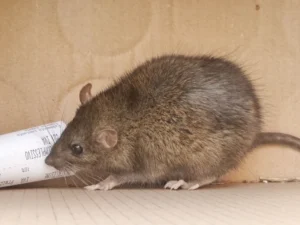
Mother rats sometimes eat dead babies, whether they died naturally or were killed. This reclaims nutrients and removes the body that might attract predators.
Male rats who kill babies through infanticide will sometimes eat them. This is particularly disturbing to human observers but makes biological sense for the rat.
Some rats won’t cannibalize even when hungry, while others readily will. Individual variation in this behavior is significant.
The smell of a dead rat can trigger eating behavior in other rats even if they weren’t the ones who killed it.
Preventing Rat-on-Rat Killing
If you keep pet rats, understanding what triggers fatal fighting helps you prevent it.
Provide adequate space. The minimum cage size for rats is often stated, but bigger is always better. Overcrowding dramatically increases violence.
Ensure multiple food and water sources so rats don’t compete over single resources. Competition triggers much of the aggression that turns deadly.
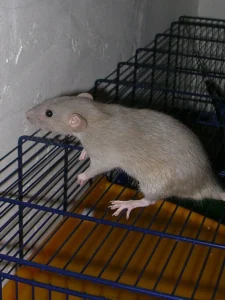
Introduce new rats slowly and carefully. Use neutral territory, swap bedding to exchange scents, and allow gradual contact before full introduction.
Consider neutering male rats, especially if you’re housing multiple males together. This significantly reduces testosterone-driven aggression.
Watch for early signs of serious aggression: relentless chasing, one rat preventing another from eating or drinking, visible wounds, or constant stressed vocalizations.
Separate rats immediately if fighting becomes dangerous. Don’t wait to see if they’ll work it out. Fatal attacks happen quickly.
Provide hiding spots and multiple levels so subordinate rats can escape from dominant rats when needed. Exit routes reduce violent confrontations.
When Separation Is Necessary
Sometimes rats simply cannot live together safely, and permanent separation is the only option.
If rats have fought to the point of serious injury multiple times despite your interventions, they can’t be housed together. The risk is too high.

Some individual rats are simply too aggressive to live with others safely. These rats need to be housed alone, even though this isn’t ideal for a social species.
When one rat is clearly terrorizing another to the point where the victim is constantly hiding, not eating well, or showing severe stress, separation is necessary.
If introductions have failed multiple times with proper protocols, accept that those specific rats aren’t compatible. Not all rats can live together.
Males who’ve reached sexual maturity and are fighting constantly often need to be separated or neutered. Some male pairs never work out.
Keep separated rats in cages where they can still see and smell other rats if possible. Complete isolation is stressful, but they need physical separation for safety.
Signs a Rat Is at Risk of Being Killed
Recognizing when a rat is in danger helps you intervene before fatal attacks occur.
A rat who’s constantly hiding and only coming out when other rats are sleeping is likely being bullied. This extreme subordination can precede killing.
Visible wounds, especially around the back, rump, or tail, indicate serious fighting. These are the areas dominant rats target on fleeing subordinates.
Weight loss in one rat while others maintain weight suggests that rat isn’t getting adequate access to food, either from intimidation or active blocking.
A rat who flinches or runs whenever other rats approach is experiencing high fear. This fear response indicates the social situation has become dangerous.
Excessive vocalization, particularly distressed squeaking, during interactions with other rats signals the interaction is not normal social behavior.
A rat who’s being targeted might have patches of missing fur from being over-groomed by aggressive rats, or from self-grooming due to stress.
Conclusion
Rats kill each other for various reasons, most related to establishing dominance, defending territory and resources, protecting young, or responding to stress and overcrowding. While rats are social, they’re also competitive, and this competition can turn deadly under certain conditions.
Understanding the triggers for fatal rat-on-rat aggression helps pet owners prevent it through proper housing, introductions, and environmental management. Providing adequate space, resources, and careful monitoring significantly reduces the risk.
Not all rat aggression leads to death. Most social conflicts resolve through displays, minor fighting, and establishment of hierarchy without fatal outcomes. But when conditions are right, or wrong rather, rats are capable of killing their own kind.
If you keep rats, respect their complex social needs, watch for warning signs of dangerous aggression, and be prepared to separate rats who can’t safely live together. Understanding why rats kill each other is the first step in preventing it.

Hi, my name is Ezra Mushala, i have been interested animals all my life. I am the main author and editor here at snakeinformer.com.