
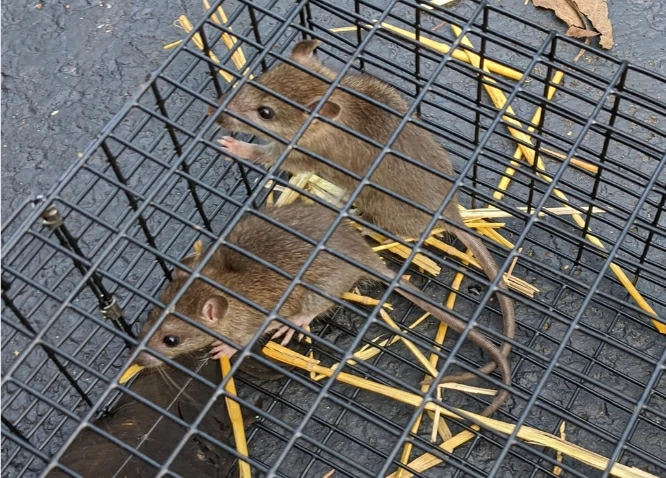
You’ve seen a rat in your garage. You set a trap, catch it, and remove it. A few days later, there’s another rat in the exact same spot. Then another. And another.
It feels like you’re fighting an endless battle with rats who just won’t stay away. Why do rats keep coming back to the same place?
Rats keep returning to the same place because that location provides what they need to survive: food sources, water access, shelter, and safe pathways. They also follow scent trails left by other rats, and their excellent memory guides them back to reliable resource locations.
Getting rid of one rat doesn’t solve the problem if the things that attracted that rat are still there. You’re not necessarily seeing the same rat return. You’re seeing new rats finding the same attractive location that the first rat found.
Food Sources Are the Main Attraction
The number one reason rats return to a location is because there’s food there. If they can eat at your place, they’ll keep coming back.
Rats need to eat constantly. They have high metabolisms and need to consume food equivalent to about 10% of their body weight daily. Reliable food sources are worth returning to repeatedly.
Even small amounts of food matter. Crumbs under appliances, pet food left out overnight, birdseed spilled under feeders, or grease around grills all attract rats.

Rats are opportunistic eaters. They’ll eat human food, pet food, livestock feed, birdseed, garbage, compost, fruit from trees, vegetables from gardens, and more. If any of these are accessible, rats will return.
Food doesn’t have to be visible or obvious. Rats can smell food through walls and packaging. They know food is there even when you can’t see it.
Rats remember where they found food. Their spatial memory is excellent, and once they’ve located a food source, they’ll return to that exact spot to check for more.
Seasonal food sources also bring rats back repeatedly. Fruit trees dropping fruit, gardens producing vegetables, or outdoor pet feeding stations used in specific seasons create predictable rat visits.
Water Access Keeps Them Returning
Water is essential for rats, and many locations that attract them have accessible water sources that people don’t think about.
Rats need to drink water daily, especially if they’re eating dry foods. Places with reliable water sources become regular stops on their foraging routes.
Outdoor water sources include pet water bowls, birdbaths, leaky outdoor faucets, air conditioner condensation drips, pool areas, ponds, and even water collecting in plant saucers.
Indoor water sources are often hidden: leaky pipes under sinks, dripping faucets, condensation from appliances, or water from overwatered plants.
Rats can survive on surprisingly little water if they’re eating moist foods, but they still prefer locations where water is available. Having both food and water in one place makes that location even more attractive.
Standing water after rain in areas with poor drainage attracts rats. They’ll return to these spots regularly, knowing water collects there.
Even humidity can help rats meet their water needs. Damp basements or crawl spaces provide moisture that rats can use.
Shelter and Nesting Opportunities
Rats are always looking for safe places to nest and hide. Locations offering good shelter will see rats return again and again.
Rats prefer enclosed, protected spaces where they feel safe from predators. Garages, sheds, attics, crawl spaces, and spaces under buildings provide this security.
Clutter creates excellent rat habitat. Stacked boxes, piles of materials, unused equipment, and general disorder give rats places to hide and build nests.

Rats build nests for breeding. A female rat looking for a place to have babies will return repeatedly to a location she’s identified as safe and suitable.
Even if you remove rats, the shelter opportunities remain. New rats will find and use the same attractive spaces unless you modify them.
Insulation in attics and walls makes perfect nesting material. Rats will return to locations where good nesting materials are available.
Outdoor shelter includes dense vegetation, wood piles, debris piles, abandoned vehicles, and spaces under decks or sheds. These areas see repeat rat visits.
Temperature control is part of shelter. Rats seek cool spaces in summer and warm spaces in winter. Locations offering comfortable temperatures attract rats repeatedly.
Scent Trails and Chemical Communication
Rats navigate and communicate using scent, and these chemical signals guide them back to the same locations.
Rats constantly mark their pathways with urine. These scent trails create a chemical map that other rats can follow.
Even after you remove a rat, their scent marks remain. New rats following scent trails will arrive at the same location the previous rat used.
Rats can detect scent marks from other rats even when humans can’t smell anything. The chemicals persist on surfaces for weeks or months.
Pheromones in rat urine communicate various messages: “food is this way,” “safe path,” “nesting area,” or “other rats live here.” These messages attract more rats.
Female rats in heat release pheromones that attract male rats from considerable distances. Males will return repeatedly to areas where they’ve detected female pheromones.
Cleaning up after removing rats isn’t enough if you only use normal cleaners. You need enzymatic cleaners designed to break down the chemical markers rats use.
Scent trails create highways. Rats follow the same paths over and over, and new rats use these established routes to find resources.
Excellent Spatial Memory and Learning
Rats have remarkable memories for locations and will return to places they remember as beneficial.
A rat’s hippocampus (the brain area for spatial memory) is highly developed. They create detailed mental maps of their territory, including safe routes and resource locations.
Rats remember where they found food, even if that food isn’t always there. They’ll check back periodically at locations where they’ve successfully foraged before.
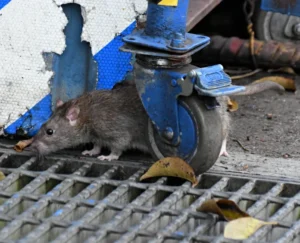
They learn patterns. If food appears in a location at specific times (like pet feeding times or garbage collection days), rats adjust their visits accordingly.
Young rats learn from adult rats. They follow experienced rats to food sources and shelter, creating generational knowledge of good locations.
Rats can remember locations for months or even years. A location that provided good resources once will be checked repeatedly, even with gaps between visits.
They also remember danger. If a rat escapes from a trap or dangerous situation, they might avoid that specific trap but still return to the general area because the resources are worth the risk.
This memory means that simply removing food for a few days won’t stop rats from returning. They’ll keep checking because they remember the location as a food source.
Safe Pathways and Travel Routes
Rats use established pathways and will keep returning to locations that offer safe routes to resources.
Rats are prey animals and prefer to travel along edges and under cover. They don’t like crossing open spaces where predators might see them.
Once they find a safe path to a resource, they use it repeatedly. These paths become worn from use, creating visible runways in some cases.
Walls, fences, pipes, and wires serve as rat highways. They run along these structures because it feels safer than being in the open.
Rats can squeeze through incredibly small openings (any gap the size of a quarter or larger). If they’ve found an entry point, they’ll use it repeatedly.
They prefer traveling at night when it’s darker and predators are less active. Locations with good nighttime cover (like overgrown vegetation or poor lighting) see more rat traffic.
Rats avoid changes to their pathways. If you block one route, they’ll often find another route to the same location rather than giving up on the resource.
Underground travel is also common. Rats will use drainage systems, sewer lines, and underground utility corridors to move safely between locations.
Social Behavior and Colony Formation
Rats are social animals who live in groups. Once a location supports one rat, it often attracts more, creating ongoing return visits.
When one rat finds good resources, they’re not keeping it secret. Other rats in the area will follow scent trails and social cues to the same location.
Rats communicate about food sources. If one rat is well-fed from a location, other rats notice and investigate where the food is coming from.

Established colonies create home ranges. The rats living in that colony will continue using the same territory, including returning repeatedly to the same feeding and water locations.
Young rats from the colony disperse when mature but often stay in the general area. They’ll continue visiting locations they learned about while growing up.
Removing one rat from a colony doesn’t eliminate the colony. The remaining rats continue their established patterns, including returning to known resource locations.
Breeding within a colony means constant population pressure. Even if you remove rats regularly, breeding produces new rats who join the existing routes and resource visits.
Seasonal Patterns and Survival Needs
Rats return to the same places seasonally as their needs change throughout the year.
In fall, rats seek indoor locations as weather cools. Buildings that were ignored in summer suddenly see rat activity as animals look for warm shelter.
Winter food scarcity drives rats to reliable food sources. Locations providing consistent food see more rat visits during cold months when natural food is limited.
Spring breeding season increases rat activity as pregnant females search for nesting sites. Locations offering good shelter see repeated visits from breeding females.

Summer might bring rats to water sources as temperatures rise and natural water sources dry up.
Gardens and orchards see seasonal rat activity when crops are producing. Rats return during harvest season and may be absent when there’s no food available.
Rats adjust their territories based on seasonal resource availability. A location might see no rats for months, then have them return when seasonal resources appear.
Why Removing One Rat Doesn’t Solve the Problem
Many people trap or kill a rat and expect the problem to end. But unless you address why the rat was there, more will come.
You’re not fighting one rat. You’re dealing with a location that attracts rats. Think of it as a rat restaurant that’s still open for business.
In urban and suburban areas, rat populations are large. When one rat is removed, another rat from the surrounding population finds and uses the same resources.
The supply of rats looking for resources exceeds the available resources in most environments. Your location is competing with other locations for rat occupancy.
Young rats are constantly looking for territories. As they mature, they seek new areas to claim. They’ll find and use the same attractive locations older rats used.
Removing rats without removing attractants is an endless cycle. You can trap rats indefinitely without reducing the problem if the attractants remain.
How to Actually Stop Rats from Returning
To permanently keep rats away, you need to eliminate the reasons they come in the first place.
Remove food sources. Store food in sealed containers, clean up spills immediately, don’t leave pet food out overnight, secure garbage, and eliminate access to any edible materials.

Eliminate water sources. Fix leaky faucets, remove standing water, bring pet water bowls inside at night, and address drainage issues.
Remove shelter opportunities. Clear clutter, trim vegetation away from buildings, remove debris piles, seal gaps in buildings, and make the environment inhospitable for nesting.
Block entry points. Seal any opening larger than a quarter inch. Use steel wool, metal sheeting, or concrete. Rats can chew through many materials, so choose barriers carefully.
Clean thoroughly to remove scent trails. Use enzymatic cleaners specifically designed to break down animal scent markers.
Modify the environment to be less rat-friendly. Keep grass short, remove ground cover near buildings, eliminate hiding spots, and maintain good lighting.
Use multiple approaches simultaneously. Removing just food but leaving shelter won’t work. You need to address all the attractants.
The Role of Neighbors and Surrounding Environment
Your individual efforts matter less if the surrounding environment attracts rats.
In connected housing (apartments, townhomes, row houses), rats can live in one unit and feed in another. Addressing your unit alone might not stop them from returning.
Neighborhood-wide rat problems require community solutions. If everyone has attractants, eliminating them at your property just sends rats to nearby properties temporarily.

Rats have large home ranges. A rat might nest in one location and feed at several different locations within a several-block radius.
Commercial areas near residential zones often create rat populations that spill over into homes. Restaurants, grocery stores, and food businesses attract rats that then explore nearby residential areas.
Natural areas, parks, and waterways near homes provide rat habitat. These populations regularly explore into developed areas looking for food.
Talk to neighbors about coordinated efforts. Everyone reducing attractants simultaneously has much more impact than individual efforts.
When Professional Help Is Needed
Sometimes DIY efforts aren’t enough, and professional pest control becomes necessary.
If you’ve eliminated obvious attractants but rats keep returning, there might be hidden food sources, water leaks, or entry points you’re missing. Professionals can identify these.
Large infestations require professional intervention. When there’s an established colony with breeding populations, removal needs to be systematic and thorough.
Structural issues like rats living in walls or under foundations often need professional assessment and repair.
If you’re in a multi-unit building and rats keep coming into your unit from shared walls or spaces, management needs to hire professionals to address the building-wide problem.
Health and safety concerns also warrant professional help. Rat infestations can pose disease risks, and professionals have proper equipment and training.
Some municipalities offer free or reduced-cost pest control services, especially for low-income residents. Check what programs are available.
Conclusion
Rats keep coming back to the same place because that place offers what they need: food, water, shelter, and safe access routes. Their excellent memory and scent trail communication mean once one rat finds a good location, more rats will follow.
Simply removing rats without addressing why they’re there creates an endless cycle. New rats will keep finding the same attractive conditions that brought previous rats.
Permanent solutions require eliminating the attractants. Remove food sources, eliminate water access, deny shelter, seal entry points, and clean scent trails. Only by making the location unattractive to rats will you stop them from returning.
This takes effort and persistence, but it works. A location with no food, water, or shelter, that rats can’t access, won’t see rats returning no matter how many were there before.

Hi, my name is Ezra Mushala, i have been interested animals all my life. I am the main author and editor here at snakeinformer.com.