
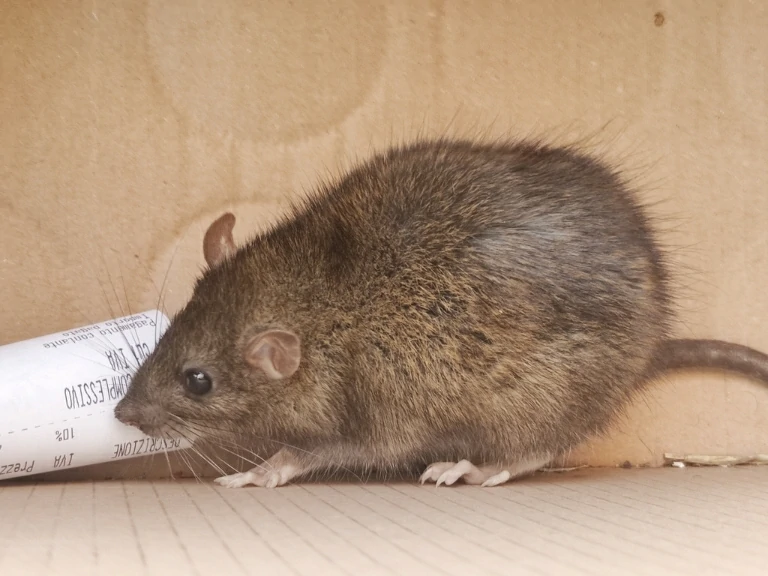
If you own snakes, you know that feeding costs add up quickly. Buying frozen or live rats from pet stores gets expensive, especially if you have multiple snakes or large species that eat frequently.
Many snake owners consider breeding their own feeder rats to save money and have a steady food supply. How to breed rats for snakes?
To breed rats for snakes, start with healthy breeding pairs (one male with 1-3 families), house them in separate cages with proper bedding and ventilation, provide high-protein food and fresh water, breed females at 3-4 months old, separate pregnant females before birth, and humanely cull babies at the appropriate size for your snakes using approved methods like CO2 or cervical dislocation.
Breeding feeder rats takes planning, space, and a strong stomach. You’ll need to handle breeding, birthing, and culling, which isn’t for everyone. But if you’re committed, it can save you lots of money and give you complete control over your snakes’ food quality.
Is Breeding Your Own Feeders Worth It?
Before you start, think about whether breeding rats for feeders makes sense for your situation.
If you only have one small snake that eats once a week, buying frozen rats is probably easier and cheaper. The setup costs and time investment for breeding won’t pay off.

But if you have multiple snakes, large snakes that eat frequently, or snakes that only eat live prey, breeding your own rats can save you serious money over time.
A frozen rat from a pet store costs $2-$8 depending on size. A large adult snake might eat 2-3 rats per month. That’s $50-$200+ per year per snake just for food.
Breeding rats costs money upfront (cages, breeding stock, supplies), but once you’re established, the cost per rat drops to around $0.50-$1.50 each.
You also have quality control. You know exactly what your rats are eating, so you can provide better nutrition for your snakes.
Starting With Quality Breeding Stock
Your breeding colony is only as good as the rats you start with.
Buy your initial breeding rats from a reputable breeder or supplier, not a pet store. You want healthy rats from good genetic lines.
Look for rats that are 8-12 weeks old, active, bright-eyed, with smooth coats and no signs of respiratory problems (sneezing, wheezing, discharge).

Avoid rats with kinked tails, bad bites, or any obvious health issues. These problems can be passed to offspring.
Start small. One male and two or three females is a good beginning. You can always expand later once you get the hang of it.
Check the rats’ backgrounds if possible. Rats from lines bred specifically as feeders are often hardier and breed more reliably than fancy pet rats.
Housing Setup for Breeding Rats
Proper housing is really important for successful breeding.
You’ll need separate cages for your breeding groups. A common setup is one male housed with 2-3 females (called a colony breeding system).
Use plastic tubs, aquariums, or wire cages. Plastic tubs are cheap and easy to clean. Wire cages provide better ventilation but rats can be messy.
Each adult rat needs at least 2 cubic feet of space. For a colony of one male and three females, a 40-gallon plastic tub or large wire cage works well.
Bedding should be paper-based (like Yesterday’s News) or aspen shavings. Never use cedar or pine shavings as they can cause respiratory problems.
Provide hiding spots (cardboard boxes, PVC pipes) where pregnant females can nest and feel secure.
Keep cages in a quiet area with stable temperature (65-75°F) and away from direct sunlight.
Ventilation is super important. Poor air quality leads to respiratory infections, which can wipe out your colony.
Feeding Your Breeding Colony
Well-fed rats breed better and produce healthier babies.
Use a good quality rodent block or lab block as the main diet. These are specially formulated pellets with balanced nutrition.
Supplement with small amounts of fresh vegetables (carrots, broccoli, dark leafy greens) a few times per week.

Pregnant and nursing females need extra protein. Add small amounts of cooked eggs, chicken, or dog food to their diet during these times.
Always provide fresh, clean water. Use water bottles with sipper tubes to keep water clean.
Avoid feeding too many treats or fatty foods. Fat rats have breeding problems and health issues.
Make sure food is available at all times. Rats eat small amounts throughout the day and night.
The Breeding Process
Once your rats are settled and healthy, breeding usually happens naturally.
House one male with 2-3 females in a colony setup. The male will mate with the females, and they’ll cycle in and out of pregnancy naturally.
Female rats come into heat (are receptive to breeding) every 4-5 days. You’ll see them arch their backs and vibrate their ears when the male approaches.
You won’t necessarily see them mating. It often happens at night or when you’re not watching.
About a week into pregnancy, you might notice the female’s belly getting bigger. By two weeks, it’s pretty obvious.
Don’t bother pregnancy testing or separating females immediately. Just watch for signs and separate them a few days before they’re due.
Gestation is 21-23 days from mating to birth.
Caring for Pregnant Rats
Pregnant rats don’t need much special care, but there are a few things to do.
About 3-5 days before the due date (around day 18-19), separate the pregnant female into her own cage. This prevents the male from breeding her right after birth and gives her peace and quiet.
Provide extra nesting material like shredded paper towels or tissues. She’ll build a nest for the babies.
Make sure she has plenty of food and water within easy reach of the nest area.
Keep the cage in a quiet, low-traffic area. Stress can cause pregnant rats to abandon or eat their babies.
Don’t handle her too much in the last few days before birth.
Birth and Early Care of Baby Rats
Rat births usually happen at night and are quick.
Most rats give birth without any problems. You’ll wake up one morning and find a nest full of tiny pink babies.
Don’t disturb the nest for the first 24-48 hours. The mother needs time to bond with the babies and settle in.
Baby rats (called pups or pinkies when newborn) are born hairless, blind, and helpless. They look like little pink jellybeans.
After a couple days, you can carefully check the litter to count babies and remove any that didn’t survive. Do this gently and wash your hands first (unscented soap).
Make sure the mother has extra food and water. Nursing takes a lot of energy.
Growth Stages of Feeder Rats
Understanding how rats grow helps you plan when to cull them for feeding.
- Pinkies (0-7 days): Newborns, hairless, eyes closed, completely helpless. Good for very small snakes or baby snakes.
- Fuzzies (7-14 days): Growing fur but eyes still closed. Slightly bigger than pinkies.
- Hoppers (14-21 days): Eyes open, starting to move around, still nursing. About mouse-sized.
- Weanlings (3-4 weeks): Weaned from mother, eating solid food, very active. Small rat size.
- Small/Medium rats (5-8 weeks): Growing quickly, good size for medium snakes.
- Large/Adult rats (3+ months): Full-grown, good for large snakes.
Most breeders cull rats between 3-8 weeks depending on their snakes’ needs.
How to Humanely Cull Feeder Rats
This is the hardest part of breeding feeders, but it’s necessary and needs to be done humanely.
The most humane methods approved by veterinary associations are CO2 euthanasia or cervical dislocation (for experienced handlers).
CO2 method: Place rats in a container, gradually introduce CO2 gas (not CO2 ice), which causes them to fall asleep and then die painlessly. You can buy CO2 systems designed for this.

Cervical dislocation: A quick method that instantly breaks the neck. This requires practice and confidence. Many people learn from experienced breeders.
Never use methods like drowning, freezing alive, or blunt force trauma. These are inhumane and cause suffering.
Many people struggle with culling at first. It’s okay to feel bad about it. You’re providing food for your snakes, which is necessary, but doing it humanely respects the rats.
Some breeders cull right before feeding (live feeding), but this can be dangerous for your snake and stressful for the rat.
Storage and Feeding
Once you’ve culled rats, you need to store them properly if you’re not feeding immediately.
Place culled rats in plastic bags, label with size and date, and freeze immediately.
Frozen rats stay good for 6-12 months in a regular freezer.
When feeding, thaw frozen rats in the refrigerator overnight or in warm (not hot) water. Never microwave them as this causes hot spots that can burn your snake’s mouth.
Room temperature or slightly warm rats are best for feeding. Most snakes won’t eat cold prey.
If you’re feeding live, separate the rat from the colony beforehand so it’s calm. Put it in the snake’s enclosure and supervise the entire time.
Managing Your Colony Size
Your colony will grow fast, so you need to manage numbers carefully.
Track which females are pregnant and when they’re due. A simple calendar or spreadsheet helps.

Cull babies at the right size for your snakes’ needs. Don’t let them grow too big if you don’t need large rats.
Retire breeding females after 1-2 years. Older females have smaller litters and more health problems. You can cull them as jumbo feeders or humanely euthanize them.
Replace retired females with young females from your colony to keep production steady.
Keep only the number of breeding rats you need. Overproduction leads to too many rats and wasted resources.
Health and Disease Prevention
A sick colony can’t produce feeders and can even make your snakes sick.
Watch for signs of respiratory infection (sneezing, wheezing, chattering, red discharge from nose or eyes). This is the most common rat health problem.
If you see respiratory symptoms, isolate sick rats immediately and improve ventilation. Serious cases might need vet treatment.
Keep cages clean. Dirty, ammonia-filled cages cause respiratory problems and stress.
Quarantine new rats for 2-3 weeks before adding them to your colony. This prevents introducing diseases.
Don’t overcrowd cages. Stress and overcrowding lower immune systems and increase disease.
If you lose multiple rats suddenly or see widespread illness, consult a vet who treats rodents.
Legal and Ethical Considerations
Check your local laws before breeding feeder rats.
Some cities and counties have regulations about breeding animals or keeping large numbers of rodents.

If you’re selling excess feeders, you might need a business license or animal dealer permit depending on your location.
Treat your feeder rats humanely even though they’re food for your snakes. They deserve proper care, clean housing, and humane culling.
Don’t breed more rats than you need. Overproduction wastes resources and creates unnecessary suffering.
Common Problems and Solutions
Problem: Females eating their babies.
Solution: Make sure they have enough protein, don’t disturb nests for the first few days, reduce stress.
Problem: Small litters or failed pregnancies.
Solution: Check nutrition (add protein), make sure rats aren’t too young or too old, reduce stress.
Problem: Aggressive males.
Solution: Replace with a calmer male. Some males are too rough with females.
Problem: Rats escaping.
Solution: Use secure lids, check for gaps, use clips on tub lids.
Problem: Strong smell.
Solution: Clean cages more frequently, improve ventilation, use better bedding.
Cost Breakdown
Here’s roughly what breeding your own feeders costs.
Initial setup ($150-$300):
- Breeding rats: $30-$60
- Cages/tubs: $50-$100
- Bedding, water bottles, food dishes: $30-$50
- Initial food supply: $20-$30
Monthly costs ($30-$60):
- Food: $20-$40
- Bedding: $10-$20
After the initial investment, each rat costs about $0.50-$1.50 to raise to feeding size.
If you’re feeding multiple snakes, you’ll break even in 6-12 months and save money after that.
Is It Right for You?
Breeding feeder rats isn’t for everyone.
You need space for multiple cages, time for daily care and cleaning, and the ability to handle culling.
It’s not as gross or difficult as some people think, but it does require commitment.
If you’re squeamish about culling or don’t have space, buying frozen feeders might be better.
But if you have multiple snakes, want to save money long-term, and can handle the responsibilities, breeding your own feeders gives you quality control and steady supply.
Conclusion
Breeding rats for snakes involves setting up proper housing, starting with healthy breeding stock, providing good nutrition, managing pregnancies and births, and humanely culling rats at appropriate sizes.
The process requires space, time, and the ability to handle the less pleasant aspects like culling. But for snake owners with multiple or large snakes, it can save significant money and provide high-quality feeders.
Start small with one male and a few females, learn as you go, and expand your colony once you’re comfortable with the process. With proper care and management, you can maintain a sustainable feeder colony that keeps your snakes well-fed and healthy.

Hi, my name is Ezra Mushala, i have been interested animals all my life. I am the main author and editor here at snakeinformer.com.