
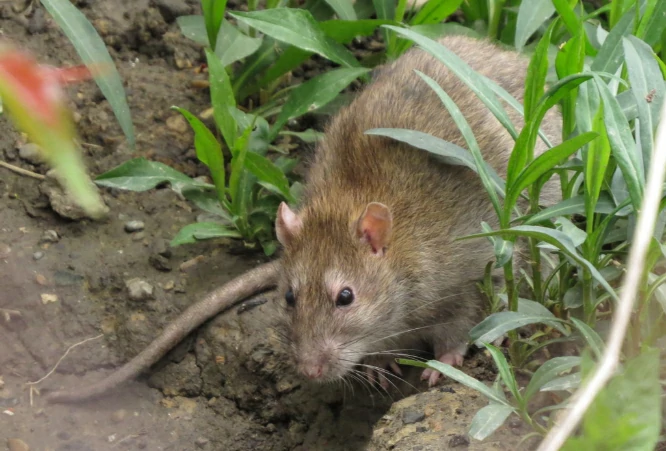
Finding rats in your garden is stressful enough, but what really worries most people is how fast those few rats can turn into a serious infestation. Rats are known for breeding quickly, and gardens provide everything they need to thrive (food, water, shelter). How quickly do rats breed in garden?
Rats can breed extremely quickly in gardens. A single pair of rats can produce 6-10 litters per year with 6-12 babies per litter. Under ideal garden conditions, two rats can theoretically lead to over 1,000 descendants in just one year when you account for their offspring also breeding.
Gardens are perfect breeding grounds for rats because they offer food (vegetables, fruits, seeds, compost), water sources, and plenty of hiding spots. Once rats establish themselves in your garden, their population can explode faster than you’d think.
The Basic Rat Breeding Cycle
Understanding how rats breed helps explain why garden infestations get out of hand so quickly.
Female rats (called does) reach sexual maturity at just 8-12 weeks old. Males (called bucks) are ready to breed around the same age.
Once mature, rats don’t have a specific breeding season like some animals. They can breed year-round, which means your garden can become a rat nursery any time of year.

The gestation period (pregnancy length) for rats is only 21-23 days. That’s just three weeks from mating to birth.
After giving birth, a female rat can get pregnant again within 24-48 hours. She can mate and conceive while still nursing her current litter of babies.
This rapid breeding cycle is what makes rat populations explode so quickly in gardens.
How Many Babies Do Garden Rats Have?
The number of babies in each litter varies, but rats are definitely productive.
A typical rat litter has 6-12 babies, with an average of about 8-10 pups. First-time mothers often have smaller litters (around 6-8 babies), while experienced mothers can have larger litters.
In really good conditions (like a garden full of food), some rats can have litters of 14-16 babies, though this is less common.
Baby rats grow fast. They’re weaned (stop nursing) at about 3-4 weeks old, and by 8-12 weeks, they’re ready to breed themselves.
This means a baby rat born in your garden in spring could be producing its own babies by mid-summer.
How Many Litters Per Year?
In a garden setting with good food and shelter, rats can have a lot of litters.
Theoretically, a female rat could have up to 12 litters per year since she can get pregnant again right after giving birth. But in reality, most wild rats have 4-7 litters per year.

Gardens actually provide better conditions than many other environments. With regular access to vegetable gardens, fruit trees, bird feeders, and compost bins, garden rats are well-fed and healthy.
Well-fed rats breed more successfully. They have larger litters, and more of the babies survive to breeding age.
During warmer months (spring through fall), breeding activity is highest. Rats might slow down a bit in winter, but if your garden has good shelter (like sheds, woodpiles, or thick vegetation), they’ll keep breeding even in cold weather.
The Math Behind Rat Population Explosions
When you run the numbers, it’s actually scary how fast rats can multiply.
Let’s start with one pair of rats (one male, one female) in your garden in January.
If the female has 6 litters that year with an average of 8 babies per litter, that’s 48 babies from just that one mother. If half of those babies are female (24), and they each start breeding at 3 months old, they could each produce several litters before the year ends.
Scientists estimate that a single pair of rats could theoretically lead to over 1,000 descendants in a year if all the offspring survive and breed. In reality, many rats die from predators, disease, or other causes, but even with mortality, you can still end up with hundreds of rats from just two.
By the second year, if the population keeps growing unchecked, you could have thousands of rats.
This is why even seeing one or two rats in your garden is a problem that needs immediate attention.
Why Gardens Are Perfect for Breeding
Gardens provide everything rats need to breed successfully and raise their young.
Food is abundant. Vegetable gardens offer fresh produce, fruit trees drop fruit, bird feeders provide seeds, and compost bins are full of food scraps. Rats aren’t picky eaters, so they’ll eat almost anything available.
Water is easy to find. Garden ponds, bird baths, pet water bowls, dripping hoses, and even morning dew on plants provide drinking water.

Shelter is everywhere. Rats nest under sheds, in woodpiles, inside compost bins, beneath thick bushes, in overgrown vegetation, and in burrows they dig in garden beds.
Protection from predators is better in gardens than in open areas. Dense plantings, garden structures, and clutter give rats places to hide from cats, hawks, and other predators.
All of these factors combined mean rats in gardens are healthier, breed more successfully, and more of their babies survive.
Seasonal Breeding Patterns
While rats can breed year-round, there are seasonal patterns in gardens.
Spring and summer are peak breeding seasons. Warmer weather, abundant food from growing plants, and longer days encourage breeding activity.
In spring, you’ll often see a surge in rat activity as rats that survived winter start breeding heavily. Gardens start producing food, and rats take advantage of it.
Fall can see another breeding spike as rats prepare for winter. They breed more to ensure some offspring survive the colder months.
Winter breeding slows down in colder climates, but doesn’t stop completely. If your garden has a heated greenhouse, shed with heat, or even just good insulation in compost piles (which generate heat), rats will keep breeding.
In warmer climates where winters are mild, rats breed consistently all year with little seasonal change.
How Fast Baby Rats Mature
The speed at which baby rats mature is another reason populations grow so quickly.
Newborn rats are tiny, hairless, and completely helpless. But they grow incredibly fast.
By 2 weeks old, they have fur and their eyes are open. By 3-4 weeks, they’re running around and starting to eat solid food. By 6-8 weeks, they’re nearly full-sized.

At 8-12 weeks old, they’re sexually mature and can start breeding themselves.
This means the babies born in your garden in April could be producing their own litters by June or July. Three generations can exist in a single growing season.
Young rats from early-season litters will breed multiple times before the year ends, adding even more rats to your garden population.
Survival Rates in Gardens
How many baby rats actually survive to adulthood affects how fast the population grows.
In harsh wild environments, many baby rats die from cold, starvation, disease, or predators. Survival rates might be 20-30%.
But in gardens, survival rates are much higher, sometimes 50-70% or more. The abundant food, water, and shelter mean more babies make it to breeding age.
If you have a cat, it might catch some rats, but cats typically can’t control a rat population once it’s established. A breeding female produces babies faster than a cat can catch them.
Birds of prey (hawks, owls) also catch some rats, but again, not enough to stop population growth if breeding is happening rapidly.
The better conditions in your garden mean rats breed faster and more of their babies survive, leading to exponential population growth.
Signs Your Garden Has Breeding Rats
Knowing the signs helps you catch a breeding problem early.
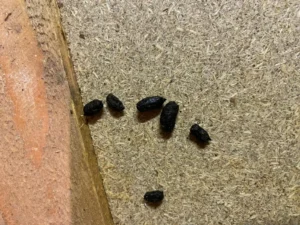
Rat droppings are one of the most obvious signs. Fresh droppings are dark, shiny, and soft. Old ones are gray and crumbly. Finding lots of droppings in one area suggests a nest nearby.
Burrows and holes in your garden, especially along fences, under sheds, or in garden beds, indicate rats are living and likely breeding there.
Gnaw marks on vegetables, fruits, wood structures, or plastic containers show rat activity.
Seeing rats during the day is a bad sign. Rats are normally nocturnal, so daytime sightings often mean the population is large enough that some rats are forced to search for food during the day.
Finding baby rats or hearing squeaking from hidden areas means breeding is definitely happening.
Paths or runways along fences, walls, or through vegetation show regular rat traffic between nesting and feeding areas.
Different Rat Species Breed at Different Rates
The type of rat in your garden affects how fast the population grows.
Norway rats (also called brown rats or sewer rats) are the most common garden rats in many areas. They’re the ones that dig burrows and live at ground level.

Roof rats (also called black rats or ship rats) prefer to live off the ground in trees, attics, or on roofs, but they’ll also live in gardens, especially if there are climbing opportunities.
Norway rats typically have larger litters (8-12 babies) but might have slightly fewer litters per year in wild conditions.
Roof rats have slightly smaller litters (6-8 babies) but can breed just as frequently.
Both species breed fast enough to create serious infestations in gardens within a single season.
Environmental Factors That Speed Up Breeding
Certain conditions in your garden can make rats breed even faster.
Abundant food is the biggest factor. If your garden has lots of vegetables, fallen fruit, compost, or bird seed, rats will be healthier and breed more.
Mild weather keeps breeding going year-round. In warm climates or during mild winters, rats never really stop breeding.
Lack of predators means more rats survive to breed. If your area has few cats, owls, hawks, or snakes, rat populations grow faster.
Lots of hiding places make rats feel safe, which encourages breeding. Dense vegetation, cluttered areas, and undisturbed spots are all attractive to breeding rats.
Water availability is also important. Gardens with ponds, fountains, or regular watering provide rats with easy access to water, which they need to stay healthy and breed successfully.
How Quickly an Infestation Becomes Unmanageable
Once rats establish themselves, the timeline to a serious problem is short.
If you spot one or two rats in your garden in early spring, you could have dozens by summer and potentially over a hundred by fall if you don’t take action.
Most people don’t realize they have a rat problem until the population is already fairly large. Rats are sneaky and mostly active at night, so you might not notice them until there are quite a few.
By the time you’re seeing rats regularly, hearing them at night, or finding lots of droppings, the infestation is probably already significant.
The good news is that catching the problem early (within the first month or two) makes control much easier. Waiting even a few months can turn a manageable problem into a major infestation.
Why You Can’t Wait to Address It
Given how quickly rats breed, acting immediately when you spot them is really important.
Every week you wait, there could be new litters being born. Every month you delay, those new babies are getting closer to breeding age themselves.

Rats also cause damage while they breed. They eat your vegetables and fruits, contaminate areas with droppings and urine, chew through irrigation lines, damage plant roots with their burrows, and can carry diseases.
The longer rats are in your garden, the more established their burrow systems become, making them harder to get rid of.
Rats can also move from your garden into your home, especially as weather gets colder or if the outdoor population gets too large. Once they’re in your house, the problem becomes even more serious.
Prevention Is Easier Than Removal
Stopping rats from breeding in your garden in the first place is much easier than getting rid of an established population.
Remove food sources by harvesting vegetables promptly, picking up fallen fruit, securing compost bins with tight lids, and removing or protecting bird feeders.
Eliminate water sources where possible. Fix leaky hoses and faucets, empty standing water, and cover ponds with netting at night.
Remove shelter by clearing brush piles, trimming overgrown vegetation, sealing gaps under sheds, and keeping your garden tidy.
Seal entry points to any structures. Check sheds, greenhouses, and garage foundations for gaps where rats could enter and nest.
Use hardware cloth around garden bed edges and bury it a few inches to prevent burrowing.
These preventive steps make your garden much less attractive to rats and discourage them from settling in to breed.
Conclusion
Rats breed extremely quickly in gardens, with a single pair potentially leading to hundreds or even thousands of descendants in just one year.
Female rats can have 4-10 litters per year with 6-12 babies each, and those babies become sexually mature in just 8-12 weeks. Gardens provide ideal conditions (food, water, shelter) that support rapid breeding and high survival rates.
If you see signs of rats in your garden, act immediately. Every week you wait, the population grows exponentially. Remove food and water sources, eliminate shelter, and consider traps or professional pest control to stop the breeding cycle before a small problem becomes a major infestation.
The key is catching it early. One or two rats are manageable. A hundred rats are a serious problem that’s much harder and more expensive to solve.

Hi, my name is Ezra Mushala, i have been interested animals all my life. I am the main author and editor here at snakeinformer.com.