

When you’ve got rats in your house, garage, or yard, you want to get rid of them fast.
There are tons of different rat traps on the market, from cheap wooden snap traps to fancy electronic zappers, and it’s hard to know which one will actually work. What is the best trap to catch a rat?
The best trap to catch a rat is a snap trap, specifically the expanded trigger snap trap. These traps kill rats quickly and humanely, they’re affordable, easy to set, and they work reliably when placed in the right spots with the right bait. They’re the most effective option for most people dealing with rats.
Snap traps have been around forever because they work. They’re simple, effective, and when you use them correctly, they solve your rat problem without breaking the bank or making things complicated.
Why Snap Traps Work Better Than Other Options
Snap traps work on a really simple principle. The rat goes for the bait, triggers the mechanism, and a metal bar snaps down fast and hard. When it works right, the rat dies instantly from the impact.
This instant kill is important for a few reasons. First, it’s humane. The rat doesn’t suffer or struggle for hours like it would with glue traps or poison.
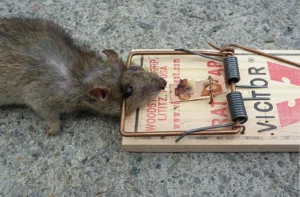
Second, it’s clean and contained. The rat is right there in the trap, so you know exactly where it is and can dispose of it easily.
Compare this to poison, where the rat might eat the bait and then go die somewhere in your walls where you can’t reach it.
You’ll smell it for weeks but won’t be able to do anything about it. Or glue traps, where the rat stays alive and stuck until you deal with it (which is a whole different nightmare).
Snap traps also don’t require batteries, electricity, or any ongoing costs. You buy them once, and you can use them over and over. They’re probably the most cost-effective solution for catching rats.
What Makes Expanded Trigger Snap Traps the Best Choice
Regular wooden snap traps work okay, but expanded trigger snap traps work way better. The difference is in the trigger plate.
On old-style snap traps, the trigger is just a small metal piece that the rat has to step on or touch to set off the trap. Rats can sometimes steal the bait without triggering these traps because they’re careful and light on their feet.
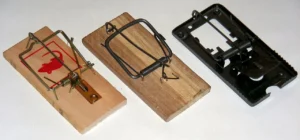
Expanded trigger traps have a much bigger trigger area, usually a wide plastic or metal plate. This means the rat has a much harder time getting the bait without setting off the trap. They basically can’t avoid triggering it when they go for the food.
This bigger trigger also means you don’t have to be as precise with your bait placement. You just put a dab of peanut butter or whatever you’re using on the trigger, and the trap is ready to go.
Victor is one of the most popular brands for these expanded trigger snap traps, but there are other good options too. You’re usually looking at spending around five to ten dollars per trap, sometimes less if you buy them in packs.
How to Set Up a Snap Trap the Right Way
Even the best trap won’t work if you don’t set it up correctly. There’s a bit of strategy involved in where you place traps and how you bait them.
First, you need to find where the rats are actually traveling. Look for signs like droppings, gnaw marks, greasy smudge marks on walls (from their fur), or small paths through dust. Rats like to move along walls and in corners because they feel safer there than out in the open.
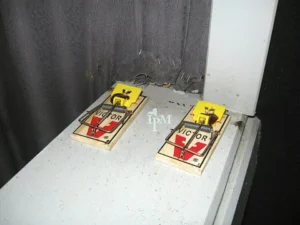
Place your traps along these paths, with the trigger end facing the wall. Rats naturally run along walls with their bodies close to the surface, so this puts the bait right in their path.
For bait, peanut butter works great because it’s sticky and smells strong. Rats can’t just grab it and run like they could with a piece of cheese.
Other good options include chocolate, bacon, dried fruit, or nutella. Use just a small amount, about the size of a pea.
Set multiple traps. Don’t just put out one or two and hope for the best. Rats are suspicious of new things in their environment, so having several traps increases your chances. Put them about ten to fifteen feet apart along the areas where you’ve seen rat activity.
How Snap Traps Compare to Electronic Traps
Electronic traps are another popular option, and they do have some advantages. These traps use batteries to deliver a high-voltage shock that kills the rat instantly when it enters the chamber.
The main benefit of electronic traps is that they’re really clean. The rat goes into a closed chamber, gets zapped, and you can dump out the body without touching it.
Some models even have an indicator light that tells you when you’ve caught something.
But electronic traps cost a lot more than snap traps. You’re usually looking at thirty to fifty dollars or more for a decent one. They also need batteries, which is an ongoing cost. And if the batteries die or the trap malfunctions, you won’t catch anything.
For most people dealing with a rat problem, the extra cost of electronic traps isn’t worth it when snap traps work just as well.
If you’ve got extra money and you want the convenience, electronic traps are fine. But you don’t need them to solve the problem.
Why You Should Avoid Glue Traps
Glue traps are cheap and easy to find, which makes them tempting. But they’re honestly one of the worst ways to catch rats.
The problem with glue traps is that they don’t kill the rat. They just hold it in place until you deal with it. This means the rat is alive, terrified, and struggling for however long it takes you to find it.
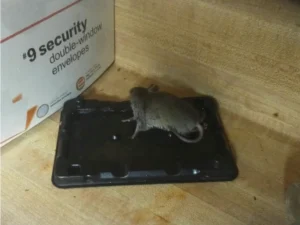
Rats will injure themselves trying to escape, sometimes pulling off their own skin or breaking bones.
When you do find the rat, you’re faced with a terrible choice. You either have to kill it yourself (which most people aren’t prepared to do), or try to free it with oil and release it somewhere (which probably won’t end well for an injured rat).
On top of being cruel, glue traps aren’t even that effective. Rats can sometimes pull free if they’re strong enough, especially larger rats. And glue traps will catch anything that walks on them, including pets, birds, or other animals you didn’t want to trap.
Just skip the glue traps. They cause unnecessary suffering and create more problems than they solve.
What About Live Catch Traps?
Live catch traps are cage-style traps that capture the rat alive so you can release it somewhere else. These appeal to people who don’t want to kill the rats.
The trap works by luring the rat inside with bait. When the rat enters and touches the trigger, a door snaps shut behind it. The rat is then stuck inside the cage until you let it out.
Live traps can work, but they have some serious downsides. First, you have to check them really often, like every few hours. A rat stuck in a cage without food or water will get stressed, and stress can kill a rat pretty quickly.
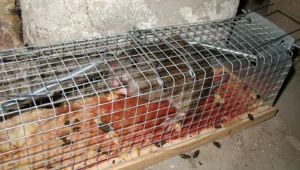
Second, you need to release the rat somewhere, and that’s harder than it sounds. If you release it too close to your house, it’ll just come back.
If you release it in someone else’s neighborhood, you’re making the rat their problem. And releasing it in the wild means it probably won’t survive because pet rats and wild rats that have been living near humans aren’t good at finding food and shelter on their own.
Third, catching and relocating rats might actually be illegal in your area. Some places don’t allow you to relocate pest animals because of concerns about spreading disease or disrupting local ecosystems.
Live traps work best for people who’ve accidentally caught a pet rat or a rat they want to keep. For pest control, snap traps are more practical.
How Many Traps You Actually Need
One trap isn’t going to solve your rat problem. Rats are smart, and they’re cautious around new things. You need multiple traps to be effective.
A good rule is to start with at least six to twelve traps for a typical rat problem in a house. If you’ve got a serious infestation or you’re dealing with rats in a large area like a garage or barn, you might need twenty or more.
This might sound like overkill, but rats reproduce fast. One female rat can have up to six litters a year, with about six to twelve babies in each litter. If you only catch one or two rats, there are probably more breeding in the walls.
Setting out lots of traps also increases your chances of putting one in the right spot. Rats have specific travel routes, and you might not know exactly where they are. Multiple traps cover more ground.
The good news is that snap traps are cheap enough that buying a bunch of them won’t break the bank. You can get a pack of six for around ten to fifteen dollars, sometimes less.
Where to Place Rat Traps for the Best Results
Location is everything when it comes to catching rats. You can have the best trap in the world, but if it’s not in the right spot, you won’t catch anything.
Start by looking for signs of rat activity. Check along walls, especially in kitchens, basements, attics, and garages. Look in corners, behind appliances, under sinks, and near any openings where pipes or wires come into the house.
Rats leave droppings that look like dark rice grains. Fresh droppings are shiny and soft, while old droppings are dull and hard. If you find fresh droppings, that’s a good spot for a trap.
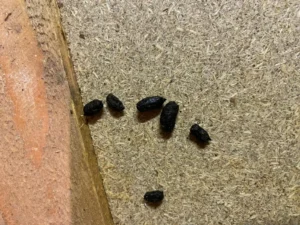
You might also see gnaw marks on wood, plastic, or even electrical wires. Rats need to chew constantly to keep their teeth from growing too long, so they’ll chew on just about anything.
Greasy smudge marks on walls are another sign. Rats have oily fur, and they leave marks where they repeatedly rub against surfaces as they travel their routes.
Once you’ve found these signs, place traps right in those areas. Put the trigger end close to the wall so the rat will encounter it as it moves along its normal path.
What Bait Works Best for Rat Traps
The right bait can make a big difference in whether rats go for your traps. Different rats like different things, so it’s worth trying a few options.
Peanut butter is probably the most popular choice, and for good reason. It’s sticky, so rats can’t just grab it and run. It smells strong, which attracts rats from a distance. And most rats seem to love it.
Other good options include chocolate, hazelnut spread like nutella, bacon or bacon grease, dried fruits like raisins, and nuts. Some rats even go for marshmallows or gumdrops.
Cheese is the traditional rat bait you see in cartoons, but it doesn’t actually work as well as people think. It’s not sticky enough, and rats can often steal it without triggering the trap.
Whatever bait you choose, use just a small amount. A pea-sized dab is enough. Too much bait and the rat might be able to lick it off without applying enough pressure to trigger the trap.
How to Check and Reset Your Traps
Once you’ve set your traps, you need to check them regularly. This is important for a few reasons.
First, if you’ve caught a rat, you want to dispose of it and reset the trap as soon as possible. A dead rat in a trap isn’t going to smell great after a day or two, especially in warm weather.
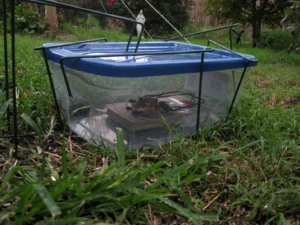
Second, if the trap has been triggered but didn’t catch anything (maybe the rat stole the bait or triggered it from the side), you need to reset it. A sprung trap isn’t catching anything.
Third, you want to monitor which traps are getting activity and which ones aren’t. If a trap hasn’t been touched in a week, try moving it to a different spot.
Check your traps at least once a day, preferably twice. Morning and evening checks work well. Wear gloves when you’re handling traps with dead rats on them, and dispose of the bodies properly by double-bagging them and putting them in the outdoor trash.
How Long Does It Take to Catch All the Rats?
This depends on how many rats you have and how good your trap placement is. With a minor rat problem (just one or two rats), you might catch them all within a few days.
With a bigger infestation, it could take a couple of weeks or even longer. You’ll catch some rats right away, but others will be more cautious. T
hey might avoid the traps at first, especially if they see or smell that other rats have been caught there.
Keep your traps set even after you think you’ve caught all the rats. Leave them up for at least a week after the last catch to make sure there aren’t any more hiding out. Rats are sneaky, and you might have stragglers.
If you’re still catching rats after a month, you probably have a bigger problem than traps alone can solve. You might have an entry point that’s letting new rats in from outside. Look for gaps around pipes, holes in walls, or openings under doors, and seal those up.
When to Call a Professional Instead of Using Traps Yourself
Sometimes a rat problem is too big or too complicated to handle on your own. Here are some signs that you should call a pest control professional.
If you’re catching rats constantly but the problem never seems to get better, you probably have a large infestation or a constant source of new rats coming in. A professional can help identify entry points and develop a comprehensive plan.

If you’re seeing rats during the day, that’s a bad sign. Rats are normally active at night, so daytime sightings usually mean the population is so large that they’re running out of food and having to compete for it during all hours.
If you’ve found rat nests (they look like piles of shredded material in hidden spots), or if you’re hearing lots of scratching and squeaking in your walls, you’ve got a serious problem.
Also, if you’re just not comfortable dealing with dead rats or setting traps, there’s no shame in hiring someone. Pest control companies deal with this stuff every day, and they can solve your problem quickly.
Conclusion
The best trap to catch a rat is an expanded trigger snap trap. These traps are affordable, effective, humane, and easy to use. T
hey kill rats instantly, which is better for the animal and easier for you to deal with than methods like glue traps or poison.
To get the best results, place multiple traps along walls and in areas where you’ve seen signs of rat activity. Use sticky bait like peanut butter, check your traps daily, and keep them set until you haven’t caught anything for at least a week.
If you’ve got a serious infestation or you’re not comfortable handling traps yourself, don’t hesitate to call a professional pest control company. But for most typical rat problems, snap traps will solve the issue if you use them correctly.

Hi, my name is Ezra Mushala, i have been interested animals all my life. I am the main author and editor here at snakeinformer.com.