
Your sump pump sits in a pit in your basement, and it’s connected to pipes that lead outside. This setup is necessary for keeping water out of your basement, but those same pipes and openings can create pathways for unwanted visitors.
If you’ve been finding mice in your basement and can’t figure out how they’re getting in, your sump pump might be the culprit. So can mice actually come in through a sump pump?
Yes, mice can come in through a sump pump. They can enter through the discharge pipe that leads outside, through gaps around the sump pit cover, or by climbing down the pipes into the pit itself. Once inside the sump pit, mice can easily climb out and access your basement.
The problem is that sump pump systems have multiple potential entry points. The discharge line has to go outside somehow, and that connection to the exterior is an opportunity for mice. Even if you have a covered sump pit, mice can find their way in if there are any gaps or if the cover isn’t sealed properly.
How Mice Get Into Sump Pumps
The discharge pipe is the most common entry point. This pipe carries water from your sump pit to outside your home, which means it creates a direct pathway from exterior to interior.
Many discharge pipes have an opening at the end where water flows out. If this opening doesn’t have a proper screen or check valve, mice can climb or swim into the pipe from outside.
Mice can also get in through gaps around where the discharge pipe exits your home. The hole in your foundation is usually bigger than the pipe itself, and if the gap isn’t sealed properly, mice can squeeze through.
The area where pipes enter the sump pit is another entry point. There are usually openings in the pit for drain tiles and other pipes. If these aren’t sealed tightly, mice can use them to get into the pit.
Gaps around the sump pit cover are surprisingly common. Many pit covers just sit on top without being sealed. If there’s even a small gap, mice can squeeze through and drop down into the pit.
Why Sump Pits Attract Mice
Sump pits often have water in them, which mice need to drink. In dry conditions, this standing water can actually attract mice to your sump pump area.
The pit provides shelter. It’s dark, enclosed, and relatively protected. Mice feel safe in spaces like this, especially if the pit isn’t checked regularly.
Warmth from your home radiates into the basement, and mice can feel this warmth near the sump pit. This is particularly attractive in cold weather when mice are actively looking for warm places.
The pipes and openings around a sump pump create multiple hiding spots. Mice can nest near the pit, inside the pit, or in the spaces around the pipes.
Signs Mice Are Using Your Sump Pump
Mouse droppings around the sump pit are the most obvious sign. Check the floor around the pit, on top of the cover, and inside the pit itself if you can see in.
You might hear scratching or splashing sounds coming from the pit. Mice can swim, and if they fall into water in the pit, they’ll make noise trying to get out.
Grease marks around the pit cover or on the pipes show where mice have been traveling. These dark, oily streaks are left by mouse fur as they squeeze through tight spaces.
If you open your sump pit and see nesting material (shredded paper, fabric, or insulation), mice have definitely been inside. They might be nesting in the pit itself or nearby and using the pit for access.
A bad smell coming from the sump pit area can indicate dead mice. Sometimes mice fall into the pit and drown, or they die nearby from traps or poison.
The Discharge Pipe Problem
The discharge pipe is usually the weakest link in keeping mice out. This pipe has to go outside, and wherever it exits your home is a potential entry point.
Many discharge pipes just end with an open hole where water flows out. Without any barrier, mice can walk or swim right into this opening.
Check valves can help but aren’t always mouse-proof. These valves are designed to prevent water from flowing back into the sump pit, but they don’t always block mice. Some mice can push through flexible check valves.
The pipe route matters too. If your discharge pipe runs above ground, mice might find the exterior opening and follow the pipe back to your home. Underground pipes are harder for mice to access from outside.
Freeze-protected discharge setups can create additional entry points. These systems have special outlets that release water if the main pipe freezes. Each of these outlets is another potential way for mice to get in.
How to Seal the Discharge Pipe
Install a screen or mesh at the end of the discharge pipe. Use hardware cloth with quarter-inch openings or smaller. Make sure it’s securely attached so mice can’t push it off.
Seal the gap where the discharge pipe exits your foundation. Use caulk, expanding foam, or hydraulic cement to fill the space around the pipe. This blocks mice from using the gap to enter.
Consider installing a more secure check valve. Some check valves are specifically designed to keep pests out while still allowing water to flow. These have tighter seals than basic models.
Make sure your discharge pipe slopes away from your house. This isn’t just for drainage; it also makes it less likely that mice will climb up the pipe from the exterior end.
Bury the discharge pipe if possible. Underground pipes are much harder for mice to access. Just make sure the buried section still drains properly.
Sealing the Sump Pit Cover
Replace loose-fitting covers with ones that seal tightly. A good sump pit cover should have a gasket or seal that creates an airtight barrier.
If you have a cover with holes for pipes, seal around those openings. Use foam, caulk, or rubber grommets to close any gaps where pipes pass through the cover.
Some sump pit covers have built-in holes for radon mitigation systems. If you’re not using these holes, plug them completely.
Make sure the cover fits the pit properly. If your cover is too small or misshapen, replace it with one that’s the right size for your pit.
Consider using adhesive or clips to secure the cover in place. This prevents mice from pushing the cover aside to get in.
Checking Inside the Sump Pit
Look for openings where pipes enter the pit. Drain tiles and other pipes usually have gaps around them. These should be sealed with hydraulic cement or expanding foam.
Check the condition of the pit itself. Cracks in the concrete can be entry points for mice. Seal any cracks with hydraulic cement.
Make sure the pit doesn’t have extra holes or openings that aren’t being used. Sometimes pits have additional openings that were part of the original construction but aren’t needed. These should be sealed.
Look at how the pump is mounted. If there are gaps around the pump or its mounting bracket, mice might use these to get in or out of the pit.
Clean out any debris in the pit. Old leaves, dirt, and other material can provide hiding spots for mice and make it harder to see entry points.
What to Do If a Mouse Is in Your Sump Pit
If you find a live mouse in the pit, you need to get it out safely. Don’t just leave it there hoping it will drown; mice can swim for a surprisingly long time.
The easiest way is to put a board or stick into the pit that reaches from the water to the rim. This gives the mouse a way to climb out on its own.
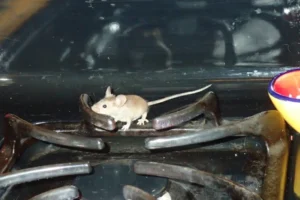
You can also use a small net or bucket to scoop the mouse out. Wear gloves and be careful; cornered mice can bite.
Once the mouse is out, immediately seal whatever entry point it used. Don’t wait because more mice might follow the same route.
If you find a dead mouse in the pit, remove it immediately. Use gloves and put it in a sealed bag before disposing of it. Then clean the pit area thoroughly to remove any scent that might attract other mice.
Protecting the Sump Pump Components
Check that all pipes and fittings are tight. Loose connections can create gaps that mice exploit.
Look at the power cord where it enters the pit. This is often overlooked, but the hole for the cord needs to be sealed too.
If you have a battery backup system, check around the battery housing for gaps. The connections and mounting brackets can create small openings.
Inspect the float switch and make sure its mechanism isn’t blocked. Mice nesting in the pit can interfere with the float, which would prevent your pump from working properly.
Consider adding a sump pump alarm. While this doesn’t keep mice out, it alerts you if the pump fails, which could happen if mice damage components.
The Connection Between Drain Tiles and Mice
Drain tiles are perforated pipes that collect water around your foundation and channel it to the sump pit. These tiles connect to your pit through openings that can be entry points for mice.
The problem is that drain tiles often have gaps or cracks where sections join together. Mice can travel through these underground pipes to reach your sump pit.
Some drain tile systems connect to daylight openings where they exit above ground. If these openings aren’t screened, mice can enter the system from outside.
There’s not much you can do about mice in your drain tile system once it’s installed. The best approach is to seal where the tiles enter the sump pit and screen any exterior openings.
Can Mice Climb Out of Sump Pits?
Yes, mice are excellent climbers and can easily get out of most sump pits. The walls might seem smooth, but mice can climb rough concrete or use pipes and cords as ladders.
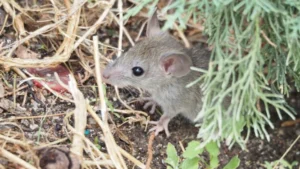
If your sump pit has exposed drain tiles or pipes along the walls, these are basically stairs for mice. They’ll climb right up and out.
Even without obvious handholds, mice can jump surprisingly high. From the water level or the bottom of a partially full pit, many mice can jump high enough to reach the rim or grab the edge.
This is why just having a pit isn’t enough to trap mice. Once they get in, they can usually get back out and into your basement.
Seasonal Concerns with Sump Pumps and Mice
Fall and winter are the worst times for mice entering through sump pumps. Mice are actively looking for warm, sheltered spots, and your basement is much more attractive than the cold outdoors.
Spring can bring water problems that create new entry points. Heavy rain and snowmelt can cause soil to shift, which might open gaps around your discharge pipe or foundation.
Summer is actually a good time to inspect and seal your sump pump. The weather is nice for working outside, and you can address problems before fall when mice start looking for winter homes.
Check your sump pump system after major weather events. Flooding, freezing, or severe storms can damage seals or create new openings.
Mice vs Rats in Sump Pumps
Both mice and rats can use sump pumps to enter your home, but there are some differences. Mice are smaller and can fit through tighter spaces, so they’re more likely to squeeze through small gaps in covers or around pipes.
Rats need larger openings. They’re also better swimmers and might be more likely to swim up discharge pipes from outside.
The signs are similar, but rat droppings are much larger (about the size of an olive) compared to mouse droppings (about the size of a rice grain).

If you’re trying to mouse-proof your sump pump and do a thorough job, you’ll also rat-proof it. The same measures work for both pests.
Professional Solutions vs DIY
You can handle most sump pump mouse-proofing yourself. Sealing gaps, installing screens, and securing covers are all straightforward DIY projects.
But if you have a complex sump pump system with battery backup, multiple discharge lines, or a radon mitigation system, you might want professional help. Plumbers or pest control experts can seal these systems without interfering with their function.
If mice are getting in through your drain tile system, that’s harder to address yourself. You might need professional help to locate and seal exterior openings in the drain tile network.
Professional pest control can also help if you have an active infestation. They can determine all the ways mice are getting in and develop a comprehensive solution.
Maintaining a Mouse-Free Sump Pump
Inspect your sump pump system at least twice a year. Spring and fall are good times because these are when mice activity peaks.
Clean around the sump pit regularly. Don’t let clutter accumulate nearby because it gives mice places to hide and makes it harder to spot problems.
Test your sump pump regularly to make sure it’s working. A functioning pump is less likely to have standing water that attracts mice.
Check all seals and screens after the pump runs. The vibration and water flow can sometimes loosen seals or damage screens over time.
Keep the area around your exterior discharge pipe clean and clear. Cut back vegetation and don’t store items near the pipe outlet.
Conclusion
Mice can definitely come in through sump pumps, and they often do. The discharge pipe that leads outside is the most common entry point, but mice can also get in through gaps in the pit cover, around pipes entering the pit, or through connected drain tile systems.
The key to keeping mice out is sealing all potential entry points. Install screens on discharge pipe outlets, seal gaps where pipes exit your foundation, make sure your pit cover fits tightly and doesn’t have gaps, and seal around any pipes that enter the pit.
Regular inspection and maintenance are critical. Check your sump pump system at least twice a year for new gaps, damaged seals, or signs of mouse activity. If you catch problems early, you can fix them before mice establish themselves in your basement.

Hi, my name is Ezra Mushala, i have been interested animals all my life. I am the main author and editor here at snakeinformer.com.