
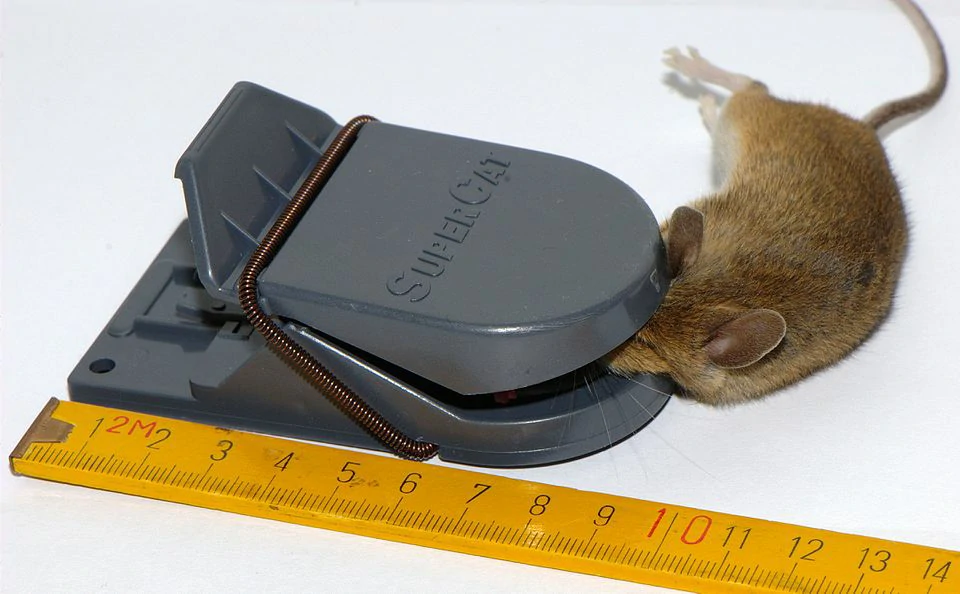
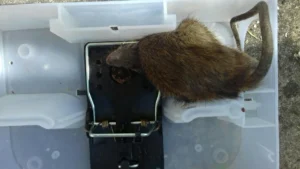
You’ve caught a rat in one of your traps, and now you’re staring at it wondering if you should toss the whole thing in the garbage or clean it up and use it again.
Rat traps aren’t exactly cheap, especially if you need several of them, so reusing them would save money. Can a rat trap be reused?
Yes, most rat traps can be reused multiple times. Snap traps, electric traps, and live traps are all designed to catch more than one rat. You just need to clean them properly between uses, check that the mechanism still works correctly, and reset them with fresh bait.
The key is making sure you clean the trap well and that it’s still functioning properly. A dirty or damaged trap won’t work as well, and might not work at all.
How Many Times Can You Reuse a Rat Trap?
The number of times you can reuse a rat trap depends on what type you have and how well you take care of it. High-quality traps last longer than cheap ones.
A good wooden or plastic snap trap can catch dozens of rats if you maintain it properly. Some people use the same traps for years without problems.
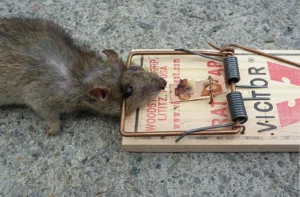
The spring mechanism is usually what wears out first. After catching many rats, the spring might get weaker or the metal might start to bend. When this happens, the trap won’t snap as hard or as reliably.
Electric traps can be reused hundreds of times in theory. These are built more like appliances and are designed for long-term use. The battery or power supply might need replacing before the trap itself wears out.
Live traps are probably the most durable option. Since they don’t kill rats with force, there’s less stress on the mechanism. A metal live trap can last for many years.
Glue traps are the exception. These are one-time use only because once a rat is stuck to the glue, you can’t really clean it off and reuse the board. You have to throw the whole thing away.
Why You Should Clean Rat Traps Between Uses
Cleaning your rat trap isn’t just about hygiene, it actually affects how well the trap works. Rats are smart animals with a good sense of smell.
If a rat smells death or the scent of another rat on a trap, they might avoid it. Rats learn from the deaths of other rats in their colony and become trap-shy.
Blood, urine, and other fluids from the dead rat can also corrode the trap mechanism over time. This is especially true for metal parts, which can rust if you leave organic material on them.
Bacteria and disease can grow on a dirty trap. Rats carry all kinds of diseases, and you don’t want those germs sitting on a trap in your home where you or your pets might touch it.
A clean trap also lets you inspect it properly. When there’s no mess in the way, you can see if any parts are bent, broken, or wearing out.
How to Clean a Snap Trap Properly
Cleaning a snap trap is straightforward, but you need to do it carefully to avoid getting hurt. These traps can still snap on your fingers even when they’re dirty.
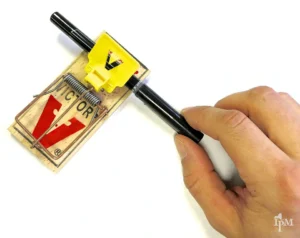
First, make sure the trap is not set. If it’s still set, use a stick or tool to trigger it from a safe distance. Never use your fingers to release a set trap.
Put on disposable gloves before you handle the trap or the dead rat. This protects you from diseases and just makes the whole process less gross.
Remove the dead rat from the trap and put it in a plastic bag. Seal the bag tightly and throw it in your outdoor garbage. Don’t leave it in your kitchen trash.
Take the trap outside or to a sink you don’t use for food prep. Spray it down with a disinfectant or a bleach solution (1 part bleach to 10 parts water).
Scrub the trap with an old brush or rag. Get into all the corners and around the spring mechanism. You want to remove all visible blood, fur, and other material.
Rinse the trap thoroughly with water. Make sure all the cleaning solution is washed away. Any leftover bleach smell might make rats avoid the trap.
Let the trap air dry completely before you reset it. A wet trap can rust, and moisture might affect the bait you put on it.
What to Do With Electric Traps
Electric traps require a bit more care when cleaning because you’re dealing with electrical components. You can’t just spray them down with water like you would a snap trap.
Unplug the trap or remove the batteries first. This is really important for safety. You don’t want to get shocked while cleaning it.
Open the trap according to the manufacturer’s instructions. Most electric traps have a chamber where the dead rat ends up, and this opens up for cleaning.
Remove the dead rat the same way you would with a snap trap: use gloves and put it in a sealed plastic bag.
Wipe down the inside of the trap with a damp cloth or paper towels. You can use a disinfectant spray, but don’t soak the trap. Just make it damp enough to clean.
Pay special attention to the metal plates that deliver the shock. These need to be clean to work properly. Use a dry cloth to wipe them down after you’ve cleaned them with a damp one.
Let everything dry completely before you close the trap back up and replace the batteries or plug it in. Moisture and electricity don’t mix.
Cleaning Live Traps
Live traps are the easiest to clean because you don’t have to deal with a dead rat. The rat is still alive when you check the trap, so there’s usually less mess.
After you’ve released the rat far from your home, check the trap for urine or droppings. Rats often leave waste in the trap while they’re waiting.
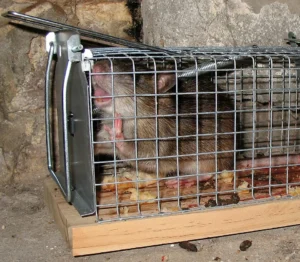
Wash the trap with soap and water. You can use dish soap or any other mild detergent. Since these traps are usually all metal or heavy plastic, you don’t have to worry about damaging them.
A hose works well for rinsing live traps. Spray water through all the openings to flush out anything stuck inside.
Disinfect the trap with a bleach solution or commercial disinfectant. This kills any bacteria or viruses the rat might have left behind.
Rinse again to remove all the disinfectant. You don’t want strong chemical smells that might make the next rat suspicious.
Dry the trap in the sun if possible. Sunlight is a natural disinfectant and helps prevent rust on metal traps.
When to Replace a Rat Trap Instead of Reusing It
Even with good care, rat traps don’t last forever. You need to know when it’s time to throw one out and buy a new one.
If the spring on a snap trap is bent or doesn’t snap with much force anymore, replace the trap. A weak trap might not kill rats quickly, which is cruel, and might not kill them at all.
Rust on metal parts is a bad sign. A little surface rust might be okay, but if parts are flaking or the mechanism is stiff, the trap is done.
Cracks in plastic traps mean they’re on their way out. The plastic can break completely when the trap snaps, and then it’s useless.
If you can’t get a trap clean no matter how hard you scrub, it’s time to replace it. Old blood and organic material that’s really stuck on there will keep scaring rats away.
Electric traps that don’t deliver a shock anymore need to be replaced. If you’ve changed the batteries and it still doesn’t work, something inside has probably failed.
Any trap that doesn’t trigger reliably should be thrown out. If you have to set it multiple times before it stays set, or if it goes off randomly, it’s not safe or effective.
Does Cleaning Remove the Scent Completely?
This is a tricky question. You can remove visible dirt and most of the scent by cleaning, but rats have really sensitive noses. They might still pick up traces of what happened.
Studies show that rats can smell where other rats have been even after humans think an area is clean. Their sense of smell is much better than ours.
To really minimize scent, some people recommend using scent eliminators made for hunting. These products are designed to neutralize organic odors at a molecular level.
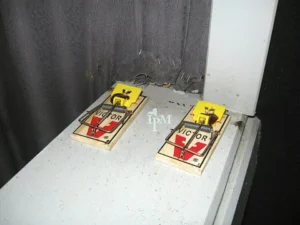
Leaving traps outside in the sun and rain for a few days can also help. Weather naturally breaks down organic compounds and removes odors.
Some pest control professionals rotate their traps. They’ll clean a trap and then let it sit unused for a week or two before deploying it again. This gives scents more time to fade.
If you’re having trouble catching rats with a trap you’ve reused, the scent issue might be why. In that case, buying a new trap might be worth it.
Safety Concerns When Cleaning Rat Traps
Handling rat traps and dead rats comes with real health risks. Taking proper precautions is really important.
Rats can carry diseases like leptospirosis, hantavirus, and salmonella. These can be transmitted through contact with rat urine, droppings, or saliva.

Always wear gloves when handling traps with dead rats. Disposable latex or nitrile gloves work well. Throw them away after each use.
Don’t touch your face while you’re cleaning traps. It’s easy to forget and scratch your nose or rub your eye, but this can transfer bacteria or viruses.
Work in a well-ventilated area, preferably outside. Some diseases can become airborne when you disturb dried rat droppings.
If you have any cuts or open wounds on your hands, extra protection is needed. Either don’t handle the traps at all, or wear two layers of gloves.
Wash your hands thoroughly with soap and hot water after you’re done, even if you wore gloves. Scrub for at least 20 seconds.
Consider wearing a mask if you’re dealing with a trap that’s been sitting for a while. Dried rat waste can create dust that you don’t want to breathe.
Can You Boil Rat Traps to Clean Them?
Boiling is a really effective way to sterilize things, and some people wonder if this works for rat traps. The answer depends on what the trap is made from.
Wooden traps should never be boiled. The wood will absorb water, swell, and warp. This can mess up the mechanism and make the trap useless.
Plastic traps are also risky to boil. Many plastics will melt or deform at boiling temperatures. Even if they don’t completely melt, they might warp enough that the trap doesn’t work right.
All-metal traps can potentially be boiled, but it’s not really necessary. Regular cleaning with disinfectant works just as well and is easier.
If you really want to sterilize a metal trap with heat, you could leave it in direct sunlight on a hot day. The temperature won’t get as high as boiling, but it’ll still kill most bacteria.
Electric traps obviously should never be boiled or submerged in water. This will destroy the electrical components.
The effort and risk of boiling traps isn’t worth it when simpler cleaning methods work fine. Save the boiling for your cooking pots.
How to Store Rat Traps Between Uses
If you’ve solved your rat problem and want to save your traps for potential future use, proper storage helps them last longer.
Clean the traps thoroughly before storing them. Don’t put away a dirty trap thinking you’ll clean it later. Old organic material can corrode metal and attract bugs.
Make sure traps are completely dry. Any moisture left on metal parts can cause rust during storage.
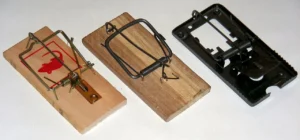
Store traps in a dry place. A garage shelf, shed, or basement works as long as it’s not damp. Avoid storing them where they’ll get wet from leaks or humidity.
Keep traps where kids and pets can’t reach them. Even an unset trap can be dangerous if someone plays with it and accidentally sets it.
Put wooden traps in a sealed plastic bag or container. This keeps moisture out and prevents the wood from absorbing humidity from the air.
Electric traps should have the batteries removed before storage. Batteries can corrode if left in devices for long periods, and they might leak.
Check stored traps before using them again. Springs can weaken over time even without use, and plastic can become brittle with age.
Alternatives to Cleaning and Reusing Traps
If the idea of cleaning rat traps grosses you out or seems like too much work, there are alternatives to consider.
Disposable rat traps are available. These are designed to be thrown away with the dead rat still inside. They’re more expensive per trap, but you never have to touch the rat or clean anything.
Some disposable traps come in enclosed boxes. When you check them and find a dead rat, you just throw the whole box away. It’s more sanitary but creates more waste.
You could hire a pest control service to handle everything for you. They set the traps, check them, clean or replace them, and dispose of dead rats. This costs more but saves you all the hassle.
If you have a severe rat problem, buying cheap traps and treating them as disposable might make sense. A pack of basic snap traps doesn’t cost much, and your time and peace of mind might be worth more.
For people who can’t handle the cleaning process due to health issues or phobias, these alternatives are worth the extra cost.
Do Different Bait Types Affect Trap Reusability?
The type of bait you use can make a difference in how easy a trap is to clean and reuse.
Peanut butter is popular bait, and it’s pretty easy to clean off. It might leave some oily residue, but soap and water handle it fine.
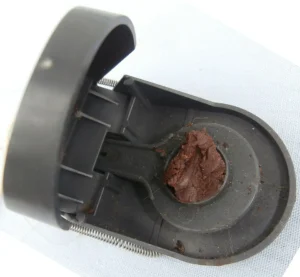
Chocolate or other sticky sweets can be harder to clean. They tend to get into crevices and harden, making scrubbing more difficult.
Bacon or other meat baits leave grease and can smell really bad if they sit on a trap for days. These are the hardest to clean thoroughly.
Dried fruit or nuts are probably the easiest. They don’t leave much residue, and what’s left wipes away easily.
Professional bait blocks designed for traps often clean up well. These are formulated to not make a mess, which is one reason pest control professionals use them.
If you plan to reuse traps many times, choosing cleaner baits can save you effort. The trade-off is that rats might be less attracted to some of the cleaner options.
How Often Should You Clean Reused Traps?
The simple answer is: clean the trap every single time you catch a rat. Don’t reuse a dirty trap.
Some people wonder if they can skip cleaning if they catch another rat right away. The answer is no. Each catch leaves more organic material and stronger scents.
If you set a trap and don’t catch anything for a week or more, you should still clean it before resetting. Dust, insects, and environmental exposure can affect the trap.
Traps that are outside face more exposure to weather and dirt. These might need cleaning even if they haven’t caught anything, just to keep them functional.
If you’re using multiple traps, it can help to keep a cleaning schedule. Check all traps daily, clean the ones that have caught rats, and inspect the others.
Being consistent about cleaning helps your traps work better and last longer. It’s worth building it into your routine.
What Professional Pest Control Does
Professional pest control companies reuse traps all the time, but they follow strict protocols that most homeowners don’t.
They clean traps thoroughly between each job, not just between each rat. A trap used at one property gets fully cleaned before it’s used at another.
Professionals often have industrial-grade disinfectants that are stronger than what you can buy at the store. These kill more pathogens and remove scents more effectively.
Many pest control companies rotate large numbers of traps. This lets each trap air out between uses, which helps eliminate scents naturally.
They also inspect traps carefully before each use. Worn-out parts get replaced, and traps that don’t meet standards are thrown out.
Some companies use professional trap cleaning equipment. This might include power washers, sanitizing sprays, and special brushes designed for the job.
The investment in proper cleaning is worth it for professionals because good traps are expensive, and reusing them saves money in the long run.
Conclusion
Rat traps can definitely be reused, and in most cases, they should be. A quality snap trap, electric trap, or live trap can catch many rats if you take care of it properly.
The key is thorough cleaning after each catch. Remove all organic material, disinfect the trap, and make sure it’s completely dry before you reset it.
Inspect your traps regularly for signs of wear. Replace them when springs get weak, parts rust, or the mechanism doesn’t work reliably anymore.
Taking the time to clean and maintain your traps saves money and makes them more effective. Rats are less likely to avoid a clean trap, and a well-maintained trap works more reliably.
If cleaning traps isn’t something you can handle, disposable options or professional pest control services are available. But for most people, learning to clean and reuse traps is a practical skill.
With proper care, a good rat trap can be a long-term investment in keeping your home rodent-free. It’s definitely worth the small effort to clean them between uses.

Hi, my name is Ezra Mushala, i have been interested animals all my life. I am the main author and editor here at snakeinformer.com.