
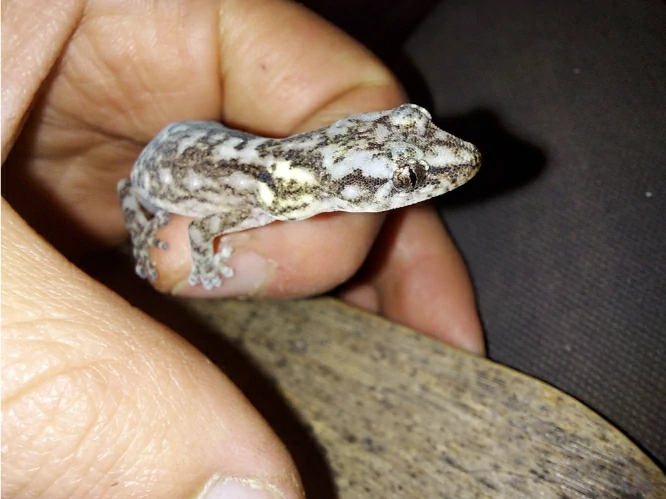
Geckos are small lizards known for their sticky toes and quiet, easygoing nature. You’ll find them climbing walls or sitting near a porch light waiting for bugs to show up.
But if you’ve come across one in your house, you might be wondering: are geckos dangerous or harmful to humans?
No, geckos aren’t dangerous or harmful to humans. They don’t have venom, they rarely bite, and even if one does bite you, it won’t hurt much or cause any real damage. Geckos are shy animals that would much rather run away from you than come anywhere near you.
Still, that doesn’t mean there’s nothing to know here. A few small things are worth understanding before you handle one or let your kids near one.
Geckos Don’t Have Venom or Poison
Geckos don’t carry venom, and they’re not poisonous either. This means they can’t inject you with anything harmful, and touching their skin won’t hurt you in any way.
This is actually true for almost all gecko species around the world. Out of over 1,500 known gecko species, none are considered dangerous to people.
Even the largest geckos, like the tokay gecko, don’t pose any real threat beyond a startled bite.
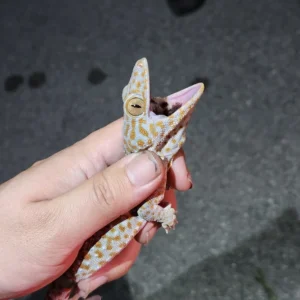
Some people mix up “poisonous” and “venomous,” so it’s worth quickly explaining the difference.
Venomous animals inject toxins into you, usually through a bite or sting, think snakes or scorpions.
Poisonous animals release toxins that you’d have to touch or swallow to be affected, like some frogs and toads.
Geckos are neither. They don’t inject anything, and their skin doesn’t release anything harmful either. You could pick one up bare-handed and walk away completely fine.
Gecko Bites Are Rare and Barely Hurt
Most geckos would rather flee than bite. Biting is really a last resort for them, something they’ll only do if they feel cornered or seriously threatened.
If a gecko does bite you, it’s usually because it felt trapped, was startled, or mistook your finger for food. Even then, the bite itself is nothing to worry about.
Small gecko species have tiny teeth that can barely break human skin. You might feel a light pinch, but that’s about it.
Larger species, like tokay geckos or leopard geckos, have slightly stronger jaws and could leave a small mark or a light scratch, but it still won’t be a serious injury.
There’s no venom involved, so you don’t need to worry about swelling, numbness, or any kind of reaction beyond normal minor irritation.
Washing the area with soap and water is really all you need to do.
Why Some People Think Geckos Are Scary
Geckos have a reputation in some cultures as unlucky or even dangerous creatures, but that’s mostly based on old myths rather than anything factual.
In parts of Southeast Asia, some people believe gecko urine can cause skin problems or even leprosy if it touches your skin. This isn’t true.
Gecko urine, like the urine of most lizards, is mostly made of uric acid and won’t harm your skin.
Others assume that because geckos look a little unusual, with big eyes and sticky toes, they must be venomous or aggressive.
Really, their strange look is just how they’ve evolved to climb walls and hunt bugs at night. It has nothing to do with being dangerous.
If anything, geckos are one of the more harmless lizards you could come across. They spend most of their time hiding, hunting insects, and avoiding anything bigger than them, which usually includes you.
Geckos Can Lose Their Tails, But That’s Not Dangerous to You
One thing that surprises a lot of people is watching a gecko’s tail fall off. This is called autotomy, which just means the ability to drop a body part on purpose to escape danger.
If a predator (or a person) grabs a gecko by the tail, the tail will snap off and keep wiggling on the ground for a bit.
This distracts whatever grabbed it, giving the gecko a chance to run off and hide.
This isn’t dangerous to you at all, and it doesn’t hurt the gecko in any serious way either.
The tail grows back over the next few weeks or months, though it usually looks a little different from the original one.
If you’re handling a gecko, it’s best to avoid grabbing it by the tail.
Not because it’s dangerous to you, but because losing a tail takes a lot of energy for the gecko to regrow, and it’s just not a great experience for the animal.
Are Geckos Safe Around Kids and Pets?
Geckos are generally safe to have around kids and pets, as long as everyone is gentle with them. Since geckos don’t bite often and aren’t venomous, the risk to a child is very low.
Still, it’s a good idea to teach kids not to squeeze or grab a gecko too tightly.
Geckos are small and fragile, and rough handling can hurt them or cause them to drop their tail out of stress.
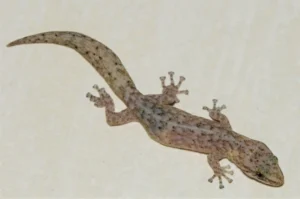
As for pets, cats and dogs might try to chase or play with a gecko if they spot one. This is more of a risk to the gecko than to your pet.
Just keep an eye on things if you have a curious cat or dog and a gecko happens to be around.
If you keep a pet gecko at home, like a leopard gecko or crested gecko, handling it gently and washing your hands afterward is really all the safety you need to think about.
What About Salmonella?
Like many reptiles, geckos can sometimes carry salmonella bacteria without showing any signs of being sick themselves. This is worth knowing, even though it’s a small risk.
Salmonella can be picked up through direct contact with a gecko or anything it has touched, including its enclosure, water dish, or droppings.
It’s spread through the mouth, so the main risk comes from touching your face or eating without washing your hands first.
Symptoms of a salmonella infection usually include stomach cramps, diarrhea, fever, and nausea.
Most healthy adults recover without needing serious treatment, but young kids, older adults, and anyone with a weaker immune system should be more careful.
Washing your hands thoroughly after handling a gecko or cleaning its tank is the easiest way to stay safe. This one habit basically removes almost all of the risk.
House Geckos vs. Wild Geckos vs. Pet Geckos
Not every gecko you come across is the same, and it helps to know the difference.
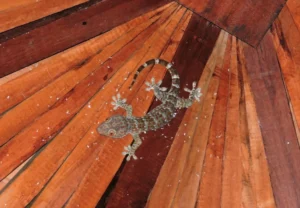
House geckos are the small, pale lizards you’ll often see near porch lights or climbing walls at night, especially in warmer parts of the US, and very commonly across Australia and Southeast Asia. They’re harmless and mostly just there to eat bugs.
Wild geckos found outdoors, depending on where you live, are usually just as harmless. In the US, common species like the Mediterranean house gecko or the Texas banded gecko pose no threat to humans at all.
Pet geckos, like leopard geckos or crested geckos, are popular because they’re calm, easy to care for, and don’t bite often. These species have been bred for generations to be comfortable around people, so they tend to be even more relaxed than their wild relatives.
Here’s a quick look at how a few common gecko species compare:
| Gecko Species | Where You’ll Find Them | Bite Risk | Notes |
|---|---|---|---|
| Leopard Gecko | Popular pet, native to Asia | Very low | Calm, rarely bites, great for beginners |
| Crested Gecko | Popular pet, native to New Caledonia | Very low | Gentle, may jump if startled |
| Tokay Gecko | Southeast Asia, some parts of the US | Moderate | Bigger bite, more likely to bite if handled |
| Mediterranean House Gecko | Common across the southern US | Very low | Shy, avoids people, rarely seen up close |
| Texas Banded Gecko | Southwestern US | Very low | Small, quiet, spends most time hidden |
As you can see, even the “riskiest” gecko on this list (the tokay gecko) is still not dangerous. It just has a stronger bite than the others and is a little more likely to use it if it feels threatened.
How to Safely Handle a Gecko
If you want to pick up a gecko, whether it’s a pet or one you found in your house, a few simple habits will keep both you and the gecko safe and comfortable.
Wash your hands before and after handling the gecko. This protects the gecko from oils, lotions, or soap residue on your skin, and it protects you from any bacteria the gecko might be carrying.
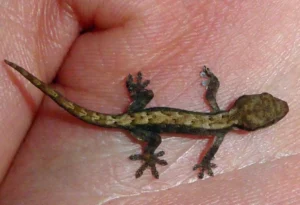
Support the gecko’s body gently with an open hand instead of gripping it. Geckos feel safer when they’re not being squeezed, and this also lowers the chance of stress-related tail loss.
Avoid grabbing the tail. As mentioned earlier, this can cause the tail to drop off, which isn’t dangerous to you but isn’t great for the gecko either.
Keep handling sessions short, especially with wild geckos or ones that aren’t used to people. A few minutes is usually enough, and it keeps stress levels low for the animal.
If the gecko seems agitated, like it’s trying to bolt, puffing up, or opening its mouth, it’s best to just let it go. Forcing the interaction is more likely to lead to a bite or a dropped tail.
Why Do Geckos Make Noise?
If you’ve ever heard a chirping or clicking sound at night and couldn’t figure out where it came from, there’s a good chance a gecko was behind it. Many gecko species, especially tokay geckos and house geckos, are surprisingly vocal for such small animals.
This noise isn’t a warning sign or anything to be concerned about. Geckos chirp and click mainly to communicate with each other, whether that’s to attract a mate, mark their territory, or warn off another gecko that’s gotten too close.
Some people find the sound a little unsettling the first time they hear it, especially since it’s coming from something they can’t see.
Once you know it’s just a small lizard talking to its neighbors, it tends to stop being creepy and starts being kind of charming.
Tokay geckos in particular are known for a loud, two-part call that sounds like “to-kay,” which is actually where they got their name from.
It can be surprisingly loud for an animal that’s usually only a few inches long.
Where You’re Most Likely to Find Geckos
Geckos tend to show up in specific spots, and knowing where to expect them can make it a lot less surprising if you come across one.
Outdoors, they’re often found on walls, tree trunks, fences, and anywhere insects tend to gather, especially near outdoor lights at night.
Porch lights and streetlights attract bugs, and bugs attract geckos looking for an easy meal.
Indoors, geckos usually sneak in through small gaps around windows, doors, or vents.
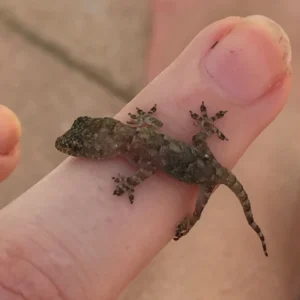
Once inside, they tend to stay near warm, quiet areas like behind furniture, curtains, or picture frames, especially if there’s a light source nearby that draws in insects.
In warmer parts of the US, like Florida, Texas, and other southern states, house geckos are a common sight both outside and occasionally inside homes.
In the UK, geckos are far less common outdoors due to the cooler climate, so most people there will only come across one as a pet. Australia, on the other hand, has a wide variety of native gecko species, and it’s fairly normal to spot one on a wall or ceiling at night.
If you do find one indoors and would rather it stay outside, the easiest approach is to gently guide it toward an open door or window rather than trying to catch it by hand. This avoids unnecessary stress for the gecko and lowers any small chance of a defensive bite.
Common Myths About Geckos, Debunked
Beyond the urine myth mentioned earlier, there are a handful of other beliefs about geckos that just aren’t backed up by anything factual.
One common myth is that geckos are slimy or wet to the touch, similar to frogs. This isn’t true at all. Gecko skin is dry and covered in tiny scales, and many species even feel a bit soft or velvety when you touch them gently.
Another myth is that all geckos can change color like a chameleon. While some species can shift their color slightly based on temperature or mood, most geckos stay a fairly consistent color and pattern throughout their life.
Some people also believe geckos are aggressive because of how tokay geckos are sometimes portrayed online, hissing and lunging when handled roughly.
In reality, this reaction only happens when a gecko feels seriously threatened or is handled in a way it doesn’t like. Left alone, even tokay geckos are calm, quiet animals.
Quick Answers to Common Gecko Questions
A few more small questions tend to come up alongside this topic, so here are quick, honest answers to round things out.
Can geckos jump on you on purpose? Not really. Geckos mostly move to hunt bugs or escape danger, not to seek out humans. If one lands near you, it’s almost always by accident.
Do geckos carry diseases besides salmonella? Salmonella is really the main concern, and even that risk is low with basic hand washing. Geckos aren’t known carriers of anything else that poses a real risk to humans.
Are baby geckos more dangerous than adults? No. Baby geckos are just as harmless as adults, just smaller and even less capable of causing any kind of injury if they were to bite.
Should you be scared if a gecko runs toward you? Not usually. This is more often a sign the gecko is startled and moving without much direction, rather than any kind of aggressive move toward you.
Conclusion
Geckos really aren’t something you need to worry about. They don’t have venom, they’re not poisonous, and bites are both rare and mild when they do happen. Most of what people fear about geckos comes down to myths rather than anything based in fact.
The small risks that do exist, like a light bite or the chance of salmonella, are easy to manage with basic hygiene and a gentle touch. Wash your hands, handle them carefully, and you’ll have no trouble sharing your space with these quiet, bug-eating little lizards.
Whether you’re finding them on your porch at night or keeping one as a pet, geckos are about as harmless as lizards get. There’s really no reason to be afraid of them, just a good reason to treat them gently.

Hi, my name is Ezra Mushala, i have been interested animals all my life. I am the main author and editor here at snakeinformer.com.