
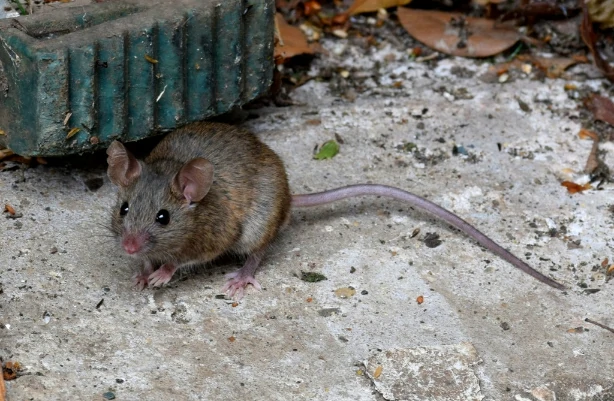
When you’re dealing with a mouse problem, one of the most common DIY solutions you’ll hear about is stuffing steel wool into holes and gaps to keep mice out.
It seems like it should work: steel wool is tough, scratchy, and uncomfortable to chew. But does it actually stop mice from getting into your house? Can mice get through steel wool?
No, mice can’t chew through steel wool. The metal fibers are too tough for their teeth, and trying to chew it hurts their mouth and gums. However, mice can pull steel wool out if it’s not secured properly, so you need to combine it with caulk, foam, or cement to hold it in place.
Steel wool works as a mouse barrier because mice hate the texture and can’t bite through metal. But on its own, it’s not a complete solution.
You need to use it the right way to actually keep mice out for good.
Why Steel Wool Works Against Mice
Steel wool is effective against mice for several specific reasons that have to do with how mice try to get through barriers.
Mice can’t chew through metal. Their teeth are strong and can gnaw through wood, plastic, rubber, and even soft metals like aluminum, but steel is too hard. When they try to bite steel wool, it doesn’t break down like other materials.
The texture of steel wool is extremely uncomfortable for mice. The sharp metal fibers poke and scratch their mouth, nose, and gums. Even if a mouse wanted to keep trying, the pain and discomfort make them give up and look for easier entry points.
Steel wool also doesn’t provide good grip for pulling. Unlike soft materials that mice can grab and tear with their teeth, steel wool is slippery and the fibers don’t give them anything solid to bite down on.
When steel wool is packed tightly into a hole, it creates a dense barrier that’s hard for mice to get through even if they try to push past it instead of chewing. The interlocking fibers form a tough obstacle.
The Problem with Using Only Steel Wool
While steel wool stops mice from chewing through, it has one major weakness that you need to know about.
Mice can pull steel wool out of holes if it’s not secured. They’re persistent and smart, and if the steel wool is just stuffed into a gap loosely, mice will work at it until they pull enough out to create an opening they can squeeze through.
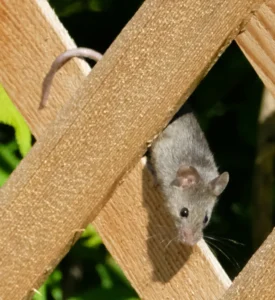
Steel wool can also rust over time, especially in damp areas. Once it rusts badly enough, it becomes weaker and mice might be able to work through it or pull it apart more easily.
If you don’t pack the steel wool tightly enough, mice can compress it or push it aside. They’re surprisingly strong for their size and can manipulate loose materials.
Steel wool by itself doesn’t completely fill a gap. Even when stuffed in, there might be tiny spaces around the edges or between fibers that determined mice could work to expand.
This is why you should never use steel wool alone. It needs to be combined with something that holds it firmly in place.
How to Use Steel Wool to Keep Mice Out
To make steel wool actually work as a mouse barrier, you need to use it the right way with other materials.
First, choose the right type of steel wool. Use coarse grade steel wool (grade 3 or 4), not the fine stuff you use for cleaning. Coarser steel wool is tougher and harder for mice to manipulate.
Clean the area around the hole before you start. Remove any dirt, debris, or old materials so you have a clean surface to work with. This helps everything stick together better.
Stuff the steel wool tightly into the hole or gap. Really pack it in there – it should be compressed and difficult to pull out. Don’t just loosely place it in the opening.
Then, seal around and over the steel wool with something that hardens. You can use caulk, expanding foam, or cement. This holds the steel wool in place and creates a solid barrier that mice can’t pull apart.
For bigger holes, you might want to use hardware cloth (metal mesh) along with steel wool. The hardware cloth provides structure, the steel wool fills gaps, and caulk or cement seals everything together.
Make sure you seal the entire hole, not just part of it. Mice only need an opening about the size of a dime (6-7 mm) to squeeze through, so even a small gap you miss can let them in.
What Materials Work Best With Steel Wool?
The materials you use with steel wool make a big difference in how well your repair holds up.
Caulk is good for small gaps and cracks. Use a high-quality exterior caulk that’s paintable and weatherproof.
Apply it over and around the steel wool to seal everything. Just know that mice can sometimes chew through caulk if they really want to, so it works best for smaller repairs.

Expanding foam is popular because it’s easy to use and fills irregular spaces well. Spray it over the steel wool and let it expand and harden.
The foam holds the steel wool in place and creates a solid barrier. However, mice can chew through foam by itself, which is why you need the steel wool inside it.
Cement or mortar is the strongest option. It’s best for larger holes or areas where you need a permanent, super tough repair. Mix cement according to the package directions, press steel wool into the hole, then cover it completely with cement. Once it dries, mice definitely can’t get through.
Quick-setting cement is especially good for urgent repairs. It hardens in minutes instead of hours, so you can seal holes fast when you need to.
For the best protection, some people use a combination. They stuff steel wool in the hole, spray expanding foam over it to fill the space, then once the foam dries, they cover the whole thing with caulk or cement. This creates multiple layers of protection.
Where to Use Steel Wool Around Your Home
Knowing where to put steel wool is just as important as knowing how to install it.
Check around pipes and utility lines where they enter your house. These are super common entry points for mice because there are often gaps around the pipes where they go through walls or foundations.
Look at your foundation for cracks and holes. Even small foundation cracks can let mice in, and steel wool combined with cement is perfect for sealing these.
Seal gaps around windows and doors. If there are spaces in the framing or areas where the trim doesn’t fit tightly, mice can use these to get inside.
Check your attic vents and crawl space vents. These need to have proper screening, but if there are gaps around the vent covers, steel wool can help seal them.
Look in your basement or crawl space for any holes where mice might come up from below. Pay special attention to areas where the house sits on the foundation and where floor joists meet walls.
Don’t forget about gaps around your HVAC system, water heater, and other mechanical equipment. These often have openings for wiring or venting that need to be sealed.
Which Types of Steel Wool Should You Avoid?
Not all steel wool is good for keeping mice out, and some types can actually cause problems.
Don’t use fine grade steel wool (grade 0000 or 000). This is the soft, fluffy steel wool used for polishing and cleaning. It’s too fine and mice can work through it more easily than coarse grades.
Avoid steel wool that’s coated with soap or oil. Some steel wool pads come pre-soaped for cleaning, and this coating can prevent caulk or foam from sticking to it properly.
Don’t use copper or brass wool thinking it’s the same thing. While these metals are also tough, they’re softer than steel and mice can chew through them more easily.
Stainless steel wool is okay, but regular steel wool actually works just as well and is usually cheaper. The main advantage of stainless is that it won’t rust, which matters if you’re using it in damp areas without sealing it in cement.
How Long Does Steel Wool Last as a Mouse Barrier?
When installed correctly, steel wool can last a very long time as a mouse barrier.
If you seal steel wool with cement or mortar, it will basically last forever. The cement protects it from moisture and holds it permanently in place. Mice can’t pull it out and it won’t rust away.
Steel wool sealed with caulk or foam will last several years. Eventually, you might need to check and redo these repairs, especially in areas exposed to weather or moisture.
Unsealed steel wool will rust, especially in damp areas. Rust makes it weaker and changes its texture. In really wet conditions, steel wool can rust away within months to a year.
In dry, protected areas inside your house, steel wool can last years even without being sealed. But it’s still better to seal it for maximum effectiveness.
You should inspect your steel wool repairs at least once a year. Look for signs that mice have been working at them, check for rust, and make sure everything is still sealed tightly.
What Other Materials Can Mice Not Chew Through?
Steel wool isn’t the only material that stops mice, and knowing your options helps you choose the best solution for different situations.
Hardware cloth is excellent for covering larger openings. This is metal mesh (usually 1/4 inch or smaller openings) that mice can’t chew through. It’s great for covering vents, larger holes, or creating barriers in crawl spaces.

Sheet metal works well for covering bigger areas. You can attach sheets of metal over holes or vulnerable areas with screws or nails. Mice definitely can’t chew through sheet metal.
Cement and concrete are perfect for permanent repairs. Once these materials harden, mice can’t get through them. They’re best for foundation repairs and larger structural gaps.
Heavy-duty caulk by itself can work for very small cracks, but it’s not as reliable as when combined with steel wool or mesh. Mice can chew through caulk if they’re motivated enough.
Brick and masonry block any mouse. If you’re closing off a larger opening permanently, building it up with bricks or blocks and mortar is as good as it gets.
What Mice CAN Chew Through
Understanding what doesn’t work helps you avoid wasting time and money on ineffective solutions.
Mice can chew through wood easily. This includes plywood, particle board, and even solid wood. They’ll gnaw holes right through wood barriers if they smell food on the other side.
Plastic of any kind won’t stop mice. They can chew through plastic containers, plastic sheeting, PVC pipes, and even thick hard plastics given enough time.
Regular expanding foam by itself is not a barrier. Mice chew through spray foam easily. That’s why you need steel wool or mesh inside the foam.
Rubber and vinyl are no match for mouse teeth. Weatherstripping, rubber seals, and vinyl materials get chewed through quickly.
Soft metals like aluminum or copper can be gnawed through. While it takes mice longer than with plastic or wood, they can do it if they’re persistent.
Drywall and plaster are super easy for mice to chew through. They often make holes in walls to create entry points or expand existing gaps.
Signs That Mice Are Working on Your Steel Wool Repairs
Even with steel wool installed, you should watch for signs that mice are trying to get through.
If you see steel wool fibers on the floor or ground near a sealed hole, it means mice are trying to pull it out. This is a sign you need to reinforce the repair, probably by adding more cement or caulk over it.
Fresh gnaw marks around your steel wool repair show that mice are testing it. Even though they can’t chew through the steel wool, they might be trying to work around it or find weak spots.
New droppings near a repair you made could mean mice are investigating that area and looking for ways through. Check your repair carefully to make sure it’s still secure.
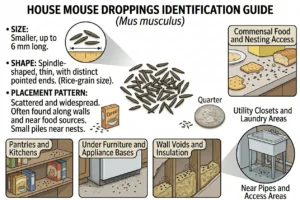
If you hear scratching or gnawing sounds near places you’ve sealed with steel wool, mice might be trying to find another way in nearby. Check the whole area, not just the spot you sealed.
Gaps appearing around your steel wool could mean it’s shifting or the sealant is failing. This happens more with foam that can compress or caulk that dries and shrinks over time.
Professional vs DIY Steel Wool Installation
You can definitely install steel wool yourself, but there are times when calling a professional makes more sense.
For most small holes and gaps, DIY steel wool installation is fine. If you can see the hole clearly, reach it easily, and it’s not in a complicated spot, you can handle it yourself with basic materials from the hardware store.
But if you have a serious mouse infestation, a professional pest control company can find all the entry points you might miss. They know where mice typically get in and have experience finding hidden gaps.
For holes in difficult-to-reach places (like high up on the outside of your house, inside walls, or under your house), professionals have the tools and expertise to do the job safely and correctly.
If you’ve tried sealing holes yourself but mice keep getting in, a professional can figure out what you’re missing. There might be entry points you haven’t found or your repairs might not be done correctly.
Some repairs require construction skills beyond just stuffing steel wool in holes. If you need to fix foundation damage, replace rotted wood, or make structural repairs, you might need a contractor.
Conclusion
Mice can’t chew through steel wool, which makes it an effective material for keeping them out of your house. The metal fibers are too tough for their teeth and too uncomfortable for them to work with.
However, steel wool only works if you use it correctly. You must pack it tightly into holes and seal it in place with caulk, expanding foam, or cement. Without something holding it there, mice can pull it out and create openings to squeeze through.
The best mouse prevention uses steel wool as one part of a complete approach. Combine it with other materials, seal all entry points you can find, remove food sources, and stay vigilant about checking your repairs.
If you take the time to install steel wool properly in all the gaps and holes where mice might enter, it will keep them out for years. Just remember that one gap you miss is all mice need to get inside, so be thorough when you’re looking for entry points to seal.

Hi, my name is Ezra Mushala, i have been interested animals all my life. I am the main author and editor here at snakeinformer.com.