
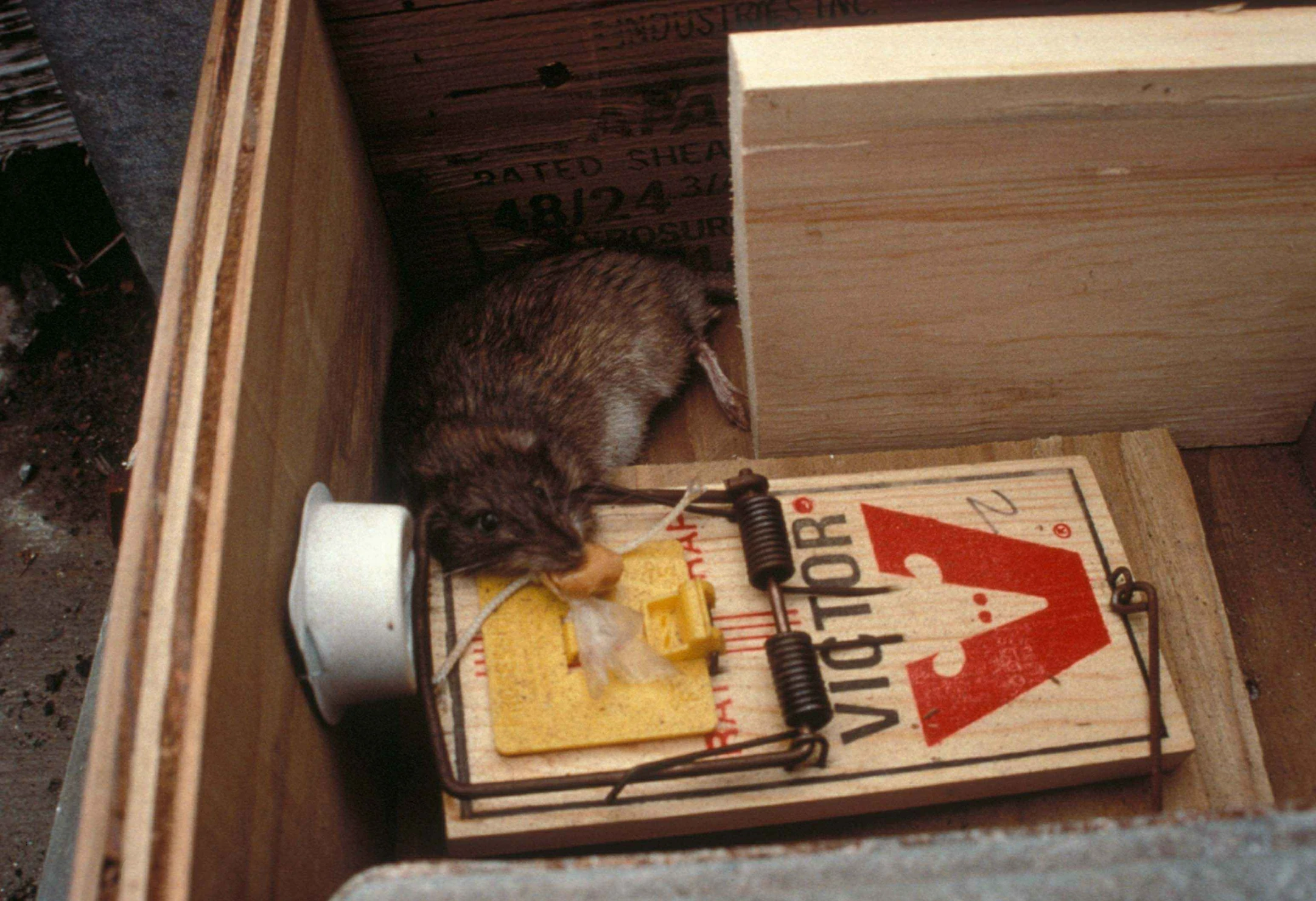
When you discover you have a rat problem, your first instinct is probably to grab a trap or two and hope that solves it. But rats rarely travel alone, and using just one or two traps usually isn’t enough to deal with an infestation.
If you want to get rid of rats quickly and effectively, you need to use the right number of traps in the right places. So how many rat traps do you actually need?
For a small rat problem (1-3 rats), you’ll need at least 6-12 traps. For a moderate infestation, use 12-24 traps. For a large infestation, you might need 24 or more traps placed throughout your home. The key is to use more traps than you think you need, placed close together in areas where rats are active.
Using multiple traps increases your chances of catching rats quickly before they reproduce. Rats breed fast, so the sooner you catch them all, the better.
Why You Need More Traps Than You Think
Most people underestimate how many traps they actually need. They think one or two traps will do the job, but that’s rarely the case.
Rats are cautious creatures, and they don’t always go for the first trap they see. If you only have one trap in a room, the rat might avoid it completely or take days to approach it.

When you use multiple traps, you’re covering more ground and giving yourself better odds. Even if the rat avoids one trap, there’s another one nearby that might catch it.
Also, if you have more than one rat (which is almost always the case), you need enough traps to catch them all at once. If you catch one rat but leave traps out for days trying to catch the others, the surviving rats will become more cautious and harder to trap.
How to Figure Out How Many Rats You Have
Before you can decide how many traps you need, it helps to get an idea of how many rats you’re dealing with. Obviously, you can’t count them directly, but there are signs that can give you a clue.
Look for droppings. Rat droppings are about the size of a raisin and are dark brown or black. If you find a lot of droppings in one area, you probably have multiple rats.
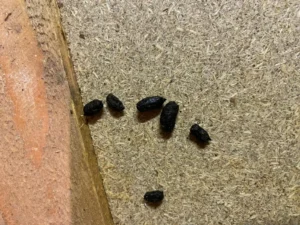
Fresh droppings are shiny and soft, while old droppings are dull and crumbly. If you clean up all the droppings and new ones appear within 24 hours, you’ve got active rats.
You can also look for gnaw marks, greasy rub marks along walls, and scratching sounds at night. The more signs you see, the bigger the problem.
If you’re seeing rats during the day, that’s a bad sign. Rats are nocturnal, so if they’re out in daylight, it usually means there are so many rats that they’re competing for food and space.
The Rule of Thumb for How Many Traps to Use
A good rule of thumb is to use at least 6-12 traps for every rat you think you have. This might sound like overkill, but it’s actually the most effective approach.
If you think you have 2 rats, use 12-24 traps. If you think you have 5 rats, use 30-60 traps. Yes, that sounds like a lot, but professional pest control companies use this same strategy.
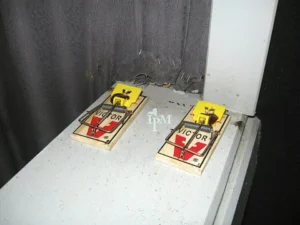
The idea is to saturate the area with traps so the rats can’t avoid them. When traps are placed every 10-15 feet along walls and in high-activity areas, rats will eventually encounter one no matter which route they take.
Using more traps also means you’ll catch multiple rats at the same time, which prevents the survivors from learning to avoid traps.
Where to Place Your Traps for Maximum Effectiveness
Just having a lot of traps isn’t enough. You need to place them in the right spots where rats are actually traveling.
Rats almost always run along walls rather than out in the open. They use their whiskers to feel their way along edges, so that’s where your traps should go.
Place traps with the trigger plate facing the wall, perpendicular to the baseboard. This way, when the rat runs along the wall, it’ll step right onto the trigger.
Good spots include along baseboards, behind appliances, under sinks, in attics, in basements, in crawl spaces, and in garages. Anywhere you’ve seen droppings or other signs of activity is a prime location.
Don’t just put all your traps in one room. Spread them throughout your home in any area where you’ve noticed rat activity.
Should You Place Traps Close Together or Far Apart?
When you’re using multiple traps, spacing matters. You don’t want them too far apart, or rats might slip through the gaps.
Place traps about 10-15 feet apart along the walls. If you’ve seen heavy rat activity in a specific spot, you can place traps even closer together, like 5-10 feet apart.
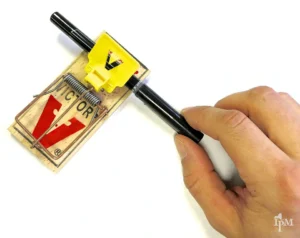
In small rooms like bathrooms or closets, you might only need 2-3 traps. In larger rooms like kitchens or living rooms, you’ll need 4-6 traps or more.
The goal is to create a “trap line” along the walls so rats can’t move through the area without encountering a trap.
Using Different Types of Traps Together
You don’t have to stick to just snap traps. You can mix in other types of traps to increase your chances of catching rats.
Electronic traps deliver a quick electric shock and are very effective. They’re also more humane than snap traps because they kill instantly.
Glue traps can work, but they’re controversial because they don’t kill the rat quickly. The rat gets stuck and can suffer for hours or even days.
Live catch traps let you catch rats without killing them, but then you have to deal with releasing them far away from your home. If you don’t take them far enough, they’ll just come back.
Using a combination of snap traps and electronic traps gives you the best results. Place them in the same areas and see which ones the rats prefer.
How Many Traps to Use in Different Rooms
Different rooms in your home will need different numbers of traps depending on their size and how much rat activity you’ve seen there.
In a small bathroom or closet, 2-3 traps should be enough. In a medium-sized bedroom or office, use 4-6 traps.
In larger rooms like kitchens, living rooms, or basements, you’ll want 6-12 traps. Kitchens are especially important because that’s where rats go to find food.
Attics and crawl spaces can be tricky because they’re usually large and cluttered. Start with 6-12 traps and add more if you’re still seeing signs of rats after a few days.
Don’t forget about your garage if it’s attached to your home. Rats often use garages as entry points, so placing 4-6 traps there can catch them before they get inside.
What to Do If You’re Still Seeing Rats After Setting Traps
If you’ve set out a bunch of traps and you’re still seeing rats or finding fresh droppings, don’t give up. There are a few things you can try.
First, add even more traps. You might not have used enough, or the rats might be traveling in areas where you don’t have traps yet.
Second, check your bait. If the bait has dried out or doesn’t smell strong anymore, replace it with fresh bait. Peanut butter, bacon, and dried fruit are all good options.
Third, make sure your traps are positioned correctly. They should be along walls with the trigger plate facing the wall. If they’re out in the middle of the floor, rats will avoid them.
You can also try leaving some traps unset for a day or two with bait on them. This lets the rats get comfortable eating from the traps without any danger. Then set the traps, and they’ll be less cautious.
How Long Should You Leave Traps Out?
Don’t expect to catch all your rats in one night. It usually takes several days to a week to catch all of them, especially if they’re cautious.
Leave your traps out and check them every day. If a trap has caught a rat, dispose of the rat and reset the trap with fresh bait.
Even after you haven’t caught a rat in a few days, keep the traps out for at least another week. Sometimes rats will lay low for a bit before coming back out.
If you haven’t caught any rats in two weeks and you’re not seeing any new signs of activity (no fresh droppings, no gnaw marks, no sounds), you can probably take the traps down.
But keep a few traps stored away just in case. Rats can come back, especially if there are still entry points in your home that haven’t been sealed.
Signs You Need to Add More Traps
There are some clear signs that you need to use more traps than you currently have out.
If you’re catching rats but still seeing fresh droppings or hearing scratching at night, you haven’t caught them all yet. Add more traps in the areas where you’re still seeing activity.
If your traps keep getting triggered but you’re not catching anything, the rats might be stealing the bait without getting caught. Use more traps and secure the bait better by pressing it into the trigger plate.
If you catch one rat and then nothing for several days, the other rats might have become trap-shy. Add more traps with different baits and try placing them in slightly different locations.
The Cost of Using Multiple Traps
Buying a lot of traps might seem expensive upfront, but it’s actually cheaper than dealing with a long-term rat infestation or hiring a professional pest control company.
Basic snap traps usually cost between $2-$5 each, so buying 12-24 traps will run you about $25-$100. Electronic traps are pricier at $30-$60 each, but they’re reusable and very effective.
Compare that to professional pest control, which can cost $200-$500 or more for an initial treatment, plus additional visits. If you do it yourself with enough traps, you can solve the problem for a fraction of the cost.
Plus, once you’ve bought the traps, you can reuse them if rats ever come back. Just clean them thoroughly with hot soapy water after each use.
What Professional Pest Control Companies Do
If you’re curious, professional pest control companies use the same strategy of placing multiple traps throughout your home. They don’t just set one or two traps and hope for the best.
A professional will usually place 20-40 traps or more during an initial treatment, depending on the size of your home and the severity of the infestation.
They’ll also identify entry points where rats are getting in and seal those up. This is just as important as trapping because if you don’t seal the entry points, new rats will keep coming in.
You can do this same approach yourself if you’re willing to buy enough traps and put in the time to place them correctly.
How to Know When You’ve Caught All the Rats
It’s hard to be 100% certain that all the rats are gone, but there are signs that indicate you’ve won the battle.
If you haven’t caught a rat in your traps for at least a week, that’s a good sign. Check for fresh droppings in the areas where you used to see them. If the droppings are old and crumbly, not shiny and fresh, the rats are probably gone.

Listen for sounds at night. Rats are active at night, so if you’re not hearing any scratching, squeaking, or scurrying, they’re likely gone.
You can also do a flour test. Sprinkle a thin layer of flour on the floor in areas where you used to see rat activity. Check it the next morning for footprints. If there are no tracks, you probably don’t have rats anymore.
Conclusion
When it comes to rat traps, more is always better. For a small problem, use at least 6-12 traps. For a moderate infestation, use 12-24 traps. For a large infestation, don’t hesitate to use 24 or more.
Place them along walls in areas where rats are active, check them daily, and keep them baited with fresh food. With enough traps in the right places, you’ll catch all the rats quickly and effectively.

Hi, my name is Ezra Mushala, i have been interested animals all my life. I am the main author and editor here at snakeinformer.com.