
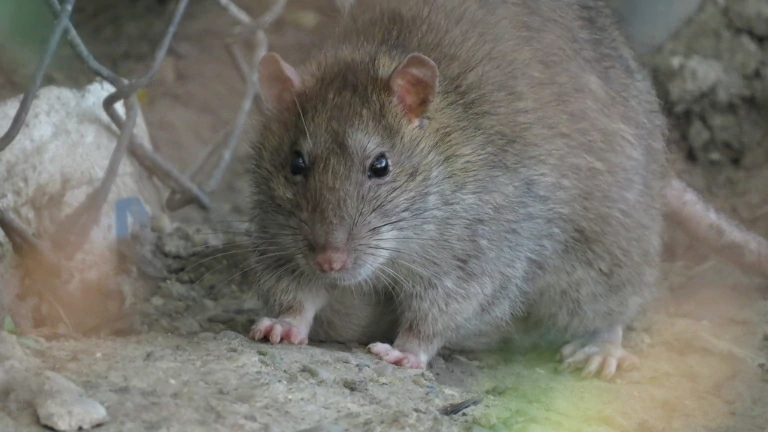
When you’re trying to get rid of rats, you’ve got lots of options. Snap traps, glue traps, poison, and live-catch traps are all common choices. But what about snares?
You might’ve seen them used for catching larger animals like rabbits or even coyotes, and you’re wondering if they’d work on rats too.
Snares are simple devices, just a loop of wire or cable that tightens around an animal when it walks through. They’re used by trappers and hunters, but are they practical for rats? Can you catch a rat in a snare?
Yes, you can catch a rat in a snare, but it’s not practical or humane for most situations. Snares work better on larger animals with predictable paths. Rats are small, quick, and unpredictable, which makes snaring them difficult. There are also legal and ethical concerns since snares can cause suffering if not set up correctly.
Snares can technically work on rats, but they come with a lot of problems. They’re hard to set correctly for such a small animal, and they often don’t kill quickly.
For most people dealing with rats in their home, there are much better options that are easier to use and more humane.
How Snares Actually Work
A snare is basically a loop made from wire, cable, or cord. The loop is positioned along a path where an animal is likely to walk. When the animal sticks its head through the loop, the snare tightens and traps it.
There are two main types of snares. One type kills the animal by tightening around its neck and cutting off air or blood flow. The other type just holds the animal in place without killing it, which is called a live-holding snare.

Killing snares are designed to close quickly and tightly. They’re meant to cause death within seconds by choking the animal or breaking its neck.
Live-holding snares have a stop mechanism that prevents them from closing all the way, so the animal is trapped but not killed.
Both types need to be set at exactly the right height and position. If the loop is too high or too low, the animal won’t get caught. If it’s too loose or too tight, it won’t work properly.
Why Snares Are Designed for Larger Animals
Snares were originally created for trapping animals like foxes, coyotes, rabbits, and even deer. These animals are much bigger than rats, and they follow predictable paths through the landscape.
Larger animals create visible trails that trappers can follow. They walk through the same spots repeatedly, which makes it easier to position a snare in the right place.

Their size also makes them easier targets. A snare that’s set at rabbit height will catch a rabbit almost every time it walks through.
Rats are different. They’re small, fast, and they don’t always follow the same exact path. While rats do tend to travel along walls and in certain areas, their routes are less predictable than the trails larger animals make.
The size difference also matters when it comes to how the snare closes. A snare designed for a coyote uses thick cable that can handle a lot of force.
A snare for a rat would need to be made from very thin wire, which is harder to work with and less reliable.
The Challenges of Snaring Rats
Setting a snare for a rat is technically possible, but it comes with several challenges that make it impractical for most situations. The first challenge is size.
Rats are only a few inches tall, and their heads are small.

You’d need to create a loop that’s just the right diameter. Too big, and the rat walks right through without getting caught. Too small, and the rat won’t stick its head through at all. Getting this perfect is a lot harder than it sounds.
The second challenge is placement. The snare loop needs to be positioned exactly where the rat will walk.
Rats do follow certain paths, but they can also change their routes, climb over obstacles, or squeeze under things. One small miscalculation and the rat avoids the snare completely.
Rats are also very cautious around new objects. When they see something unfamiliar in their path, they often avoid it for days until they feel safe. A visible snare wire might scare them off, which means you’d need to hide it extremely well.
Legal and Ethical Issues with Snaring Rats
In many places, using snares is regulated by law. These laws are usually aimed at protecting wildlife and preventing animal cruelty. Even though rats are considered pests, some of these laws still apply.
Some states and countries ban certain types of snares completely. Others require you to have a trapping license or permit. If you’re thinking about using snares, you need to check your local laws first.
Even if snares are legal where you live, there are ethical concerns. Snares don’t always kill quickly, especially when they’re set for small animals like rats.
A rat caught in a poorly set snare might struggle for hours or even days before it dies. This is considered inhumane by most standards.
Animal welfare organizations generally recommend against using snares for pest control. They argue that snap traps, electronic traps, or even poison are more humane because they work faster.
If you do use a snare, you’re required by law in many areas to check it regularly. This usually means at least once every 24 hours. If you can’t commit to checking your snares daily, you shouldn’t use them at all.
Why Snap Traps Are More Practical
Snap traps are specifically designed for rats. They’re sized correctly, they trigger reliably, and when they work, they kill almost instantly. This makes them both more effective and more humane than snares.
Setting a snap trap is also much easier. You don’t need to calculate exact heights or positions. You just put bait on the trigger, place the trap along a wall where rats travel, and wait. The rat comes for the bait, steps on the trigger, and the trap does the rest.
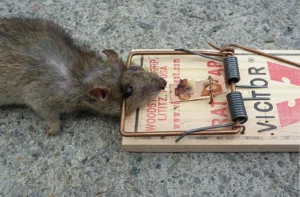
Snap traps are also legal pretty much everywhere. You don’t need a permit, you don’t need training, and you don’t have to worry about breaking animal cruelty laws.
The cost is another factor. A good snap trap costs just a few dollars. The materials to make a snare aren’t expensive either, but when you factor in the time and effort to set it correctly, snap traps are the better value.
What About Live-Catch Snares for Rats?
Some people prefer to catch rats alive and release them elsewhere. Live-catch snares are designed to hold an animal without killing it. Could these work for rats?
In theory, yes. A live-catch snare with a stop mechanism could trap a rat around the body or neck without tightening enough to kill it. But the same challenges apply. You’d need to set it perfectly, and the rat would need to walk through it at just the right angle.
There’s also the issue of stress. A rat caught in a snare is going to panic. It’ll struggle, potentially injuring itself in the process. Even if the snare doesn’t physically hurt the rat, the stress and fear can be harmful.
If you want to catch rats alive, there are much better tools available. Live-catch cage traps are designed specifically for this purpose. They’re humane, easy to use, and much more reliable than snares.
These traps work like a small cage with a trigger inside. When the rat enters and steps on the trigger, a door closes behind it. The rat is trapped but unharmed, and you can release it far away from your home.
Situations Where Snares Might Be Considered
There are a few specific situations where someone might consider using snares for rats, even though it’s not common. These are usually outdoor scenarios where traditional traps aren’t practical.
If you’ve got rats living in a wild area like a field, forest, or large outdoor property, and you’re trying to trap them in a location where you can’t easily place snap traps, a snare might seem like an option. But even in these cases, there are better choices.

Some professional trappers use snares as part of larger pest control operations. They might set dozens of snares in different locations to cover a wide area. But these are trained professionals who know how to set snares correctly and check them regularly.
For the average homeowner dealing with rats in or around their house, snares just don’t make sense. The effort required to set them correctly is much higher than the effort needed to use a snap trap or other conventional method.
The Risk of Catching Non-Target Animals
One big problem with snares is that they’re not selective. Any animal that walks through the loop can get caught. This is called catching a non-target animal, and it’s a serious concern.
If you set a snare for a rat in your yard, you might catch a squirrel, a bird, someone’s pet cat, or even a small dog. These animals don’t deserve to be trapped or killed just because they happened to walk through the wrong spot.
Snap traps have this problem too, but to a lesser extent. They’re usually placed in areas where only rats are likely to go, like along walls or in tight spaces. Snares, especially outdoor ones, are more likely to catch whatever comes along.
If you do catch a non-target animal in a snare, you’re responsible for dealing with it. This might mean releasing an injured animal, disposing of a dead animal, or even facing legal consequences if you trap someone’s pet.
How Rats Respond to Snares
Rats are smart animals. They learn from experience and they’re very good at avoiding danger. If a rat sees a snare wire or senses something unusual in its path, it’ll often find a different route.
Even if a rat does walk into a snare, its small size and flexibility can sometimes help it escape. Rats can squeeze through incredibly tight spaces, and they’re strong for their size. A snare that’s not set perfectly might hold a rat for a few seconds before it wriggles free.
Rats also have sharp teeth. If a snare catches a rat around the body instead of the neck, the rat might be able to chew through the wire and escape. This is especially true with thinner wire that’s sized appropriately for a rat.
All of these factors make snares unreliable for rats compared to other trapping methods.
The Skill Required to Set Snares Correctly
Setting snares isn’t as simple as it looks. Professional trappers spend years learning how to position snares correctly, choose the right materials, and predict animal behavior.
For larger animals, there are guides and training courses available. But for rats, there’s very little information out there because it’s just not a common practice. You’d essentially be figuring things out on your own through trial and error.
This learning curve means you’d probably fail many times before you successfully catch a rat. During that time, you could’ve caught dozens of rats using snap traps instead.
If you’re serious about learning to use snares, you’d need to study trapping techniques, understand animal behavior, and practice setting snares in different conditions. For most people, this level of effort just isn’t worth it when easier options exist.
Materials Needed to Make a Rat Snare
If you were going to make a snare for a rat, you’d need some specific materials. The wire needs to be thin enough to be invisible but strong enough to hold a struggling rat.
Picture-hanging wire or thin brass wire might work. You’d need wire that’s flexible enough to form a loop but stiff enough to hold its shape. The diameter should be small so the rat doesn’t see it easily.

You’d also need something to anchor the snare. This could be a stake driven into the ground or a fixed object like a fence post. The anchor needs to be strong enough that the rat can’t pull free if it gets caught.
Some snares use a spring or weight system to tighten the loop quickly when triggered. Building this mechanism for a rat-sized snare would require precision and mechanical knowledge.
All of this is doable, but it’s more complicated than just buying a snap trap and putting peanut butter on it.
Comparing Snares to Other Rat Control Methods
When you compare snares to other rat control methods, snares come out at the bottom of the list for most situations. Snap traps are faster, easier, and more humane. Electronic traps are even better, delivering a quick electric shock that kills instantly.
Poison is controversial, but it’s still more commonly used than snares. Live-catch traps are better if you want to avoid killing rats. Even glue traps, which many people consider inhumane, are more practical than snares for indoor use.
The only real advantage of snares is that they’re simple and can be made from basic materials. If you’re in a survival situation with no other options, a snare might be your only choice. But in normal circumstances, there’s always a better method available.
What Professionals Say About Snaring Rats
Pest control professionals generally don’t use snares for rats. When you call an exterminator, they’ll bring snap traps, bait stations, or electronic traps. They might use exclusion methods to seal up entry points. But snares? Almost never.
The reason is simple: snares aren’t reliable enough for professional work. When a customer is paying for pest control, they expect results. Snares are too unpredictable and require too much expertise to be worth using.
Wildlife control experts also tend to avoid snares for small animals. They’re more likely to use snares for larger pests like raccoons or groundhogs, and even then, only in specific situations.
If the professionals who do this for a living don’t use snares for rats, that should tell you something about their effectiveness.
Conclusion
You can catch a rat in a snare, but it’s not a good idea for most situations. Snares are designed for larger animals and predictable trails. Rats are too small, too quick, and too unpredictable to make snaring practical.
There are also legal and ethical concerns. Snares can cause unnecessary suffering if they don’t work correctly, and they might catch non-target animals. In many places, using snares requires permits or is banned entirely.
For dealing with rats in your home or property, stick with methods that are proven to work. Snap traps, electronic traps, and live-catch cages are all easier to use, more effective, and more humane than snares.
Save the snares for larger animals where they actually make sense.

Hi, my name is Ezra Mushala, i have been interested animals all my life. I am the main author and editor here at snakeinformer.com.