
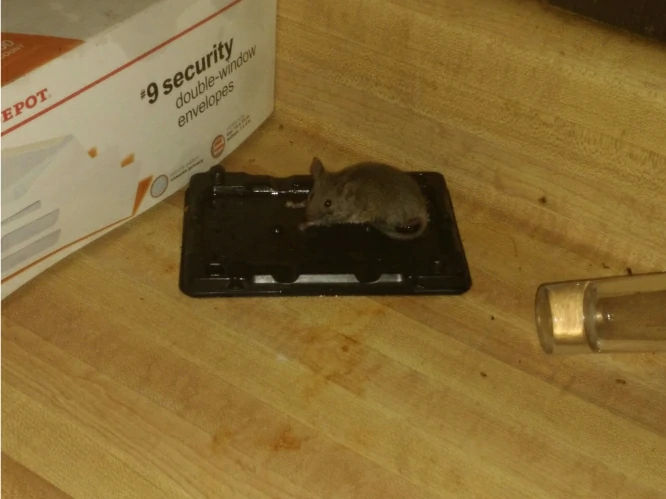
After you’ve caught a rat in a glue trap, you’re left with the unpleasant task of getting rid of it. This isn’t something most people want to think about, but it needs to be done properly for health and safety reasons. How do you dispose of a rat glue trap?
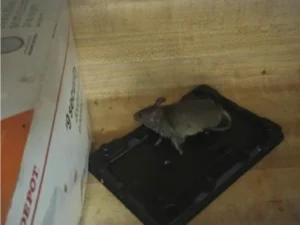
To dispose of a rat (or mice) glue trap, put the entire trap (with the dead rat still stuck to it) into a plastic bag, seal it tight, then put that bag inside a second plastic bag and seal that one too. This double-bagged trap can then go in your regular outdoor trash. Always wear gloves when handling the trap.
The key is to contain everything so there’s no smell, no disease risk, and no chance of anything leaking out. It’s not complicated, but you need to do it right.
Why You Need to Wear Gloves When Handling Glue Traps
Before you do anything with a glue trap that has a rat on it, put on thick gloves. This isn’t optional, it’s a safety requirement.
Rats carry diseases that can make humans really sick. Even a dead rat can transmit things like leptospirosis, hantavirus, salmonella, and rat-bite fever. These diseases can spread through contact with rat blood, urine, feces, or saliva.
When you’re handling a glue trap with a rat stuck to it, there’s almost always going to be some bodily fluids present. The rat might have urinated or defecated while it was struggling.
There might be blood if the rat injured itself trying to escape. You don’t want any of that touching your skin.
Thick gloves also protect you from the glue itself. Rat trap glue is incredibly sticky and really hard to get off your skin. If you get it on your hands, you’ll be washing and scrubbing for a long time.
Disposable latex or nitrile gloves work okay, but leather work gloves are better because they’re thicker and sturdier. Whatever gloves you use, throw them away after you’re done. Don’t try to wash and reuse gloves that have touched a rat trap.
The Double-Bagging Method for Disposal
The standard way to dispose of a rat glue trap is to double-bag it before throwing it in the trash. Here’s exactly how to do it.
First, get two plastic bags that are big enough to hold the glue trap. Regular grocery bags or small trash bags work fine as long as the trap fits inside with room to close the bag.
Put the first bag inside the second one so you’re working with both bags at the same time. This makes the process easier than trying to bag it twice separately.

Pick up the glue trap by the edges, trying not to touch the area where the rat is stuck. Carefully put the whole trap (with the rat still on it) into the inner bag. Don’t try to remove the rat from the trap first. Leave everything together.
Seal the inner bag by tying it closed or using a twist tie. Make sure it’s tight so nothing can leak out.
Now seal the outer bag the same way. This double layer keeps smells contained and prevents any fluids from leaking through if the rat starts to decay.
Take the double-bagged trap outside to your garbage bin and put it in the trash. Don’t leave it sitting around inside your house, even if it’s bagged. The smell will get bad quickly, especially in warm weather.
What if the Rat is Still Alive on the Glue Trap?
Sometimes you’ll check your glue trap and find a rat that’s still alive and stuck. This creates a more complicated disposal situation because you need to deal with a living animal.
The most humane thing to do is kill the rat quickly before you dispose of the trap. The rat is suffering being stuck to the trap, and it will eventually die from stress, dehydration, or injuries. Ending its life quickly is kinder than letting it slowly die in a trash bag.
The fastest way to kill a rat on a glue trap is with a sharp blow to the head. Put the trap inside a plastic bag first so you don’t have to look directly at what you’re doing. Then use a heavy object like a hammer or a thick stick to deliver one quick, hard strike to the rat’s head area.
Make sure you hit hard enough to kill instantly. A weak hit will just injure the rat and make it suffer more. If you can’t do this effectively, it’s not the right method for you.
Another option is to put the entire trap with the live rat into a container and fill it with water to drown the rat. This takes several minutes, which isn’t as quick as a blow to the head, but some people find it easier emotionally.
Once the rat is dead, proceed with the double-bagging method described above.
Can You Throw Rat Glue Traps in Regular Trash?
Yes, you can put rat glue traps in your regular household trash as long as they’re properly bagged. You don’t need any special disposal service for this.
The double-bagging method contains any smells and fluids, so the trap won’t contaminate the other garbage. Most garbage collection services are fine with this as long as everything is sealed up.
That said, check your local regulations if you’re unsure. Some areas have specific rules about disposing of pest animal remains. These rules vary by city and county, so what’s allowed in one place might not be allowed in another.
In most cases, though, double-bagging the trap and putting it in the trash is perfectly legal and acceptable. The trash is going to a landfill anyway, where it will be buried and eventually break down.
Just make sure you put the bagged trap in your outdoor trash bin, not in your indoor kitchen garbage. You want it out of your living space as soon as possible.
Should You Bury Rat Glue Traps Instead of Trashing Them?
Some people prefer to bury dead rats rather than putting them in the trash. This is an option, but it comes with some considerations.
If you want to bury the trap and rat, you need to dig a hole that’s at least two feet deep. This is deep enough that other animals won’t dig it back up. If you bury it too shallow, dogs, cats, or wild animals might smell it and dig it up, which creates a whole new problem.
Choose a spot that’s away from gardens, wells, or any water sources. You don’t want decomposing rat fluids seeping into areas where you grow food or get drinking water.
Before you bury the trap, you should still put it in a plastic bag. This helps contain it and speeds up decomposition.
Keep in mind that burying pest animals might not be legal in your area. Some cities and counties don’t allow it because of concerns about groundwater contamination or disease spread. Check your local rules before you dig.
For most people, throwing the bagged trap in the trash is easier and just as effective as burying it. But if you’ve got the space and you prefer burial, it can work.
How to Clean Up After Disposing of a Glue Trap
After you’ve disposed of the trap, you’re not quite done. You need to clean the area where the trap was sitting.
Get a disinfectant spray or make a cleaning solution with bleach and water (about one part bleach to ten parts water). Spray or wipe down the floor or surface where the glue trap was placed.
This kills any bacteria or viruses that the rat might have left behind. Rats can leave behind pathogens in their urine and feces, and you want to make sure those are cleaned up.
Let the disinfectant sit for a few minutes before wiping it up. This gives it time to actually kill germs rather than just moving them around.
If the rat struggled a lot and there’s blood or other fluids on the floor near where the trap was, clean that up too. Use paper towels to wipe it up, then throw those paper towels in the trash. Don’t use a reusable cloth that you’ll wash and use again.
After cleaning the area, wash your hands thoroughly with soap and hot water, even if you were wearing gloves the whole time. Take off your gloves and throw them away before you wash your hands.
What About the Smell From Dead Rats on Glue Traps?
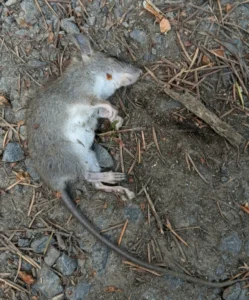
One of the worst parts of using glue traps is the smell. If a rat has been stuck for a while, or if you don’t find it right away, the smell can get pretty bad.
The smell comes from the rat’s waste (it will urinate and defecate while stuck), and if the rat is dead, from the decomposition process that starts happening pretty quickly.
This is why it’s so important to check your glue traps at least twice a day. The sooner you find a caught rat, the less time it has to create smell problems.
If you’ve already got a stinky trap, the double-bagging method helps contain the smell. Make sure both bags are sealed really tight.
After you’ve removed the trap, you might still have some smell in the area where it was. Open windows to air out the room. Use an odor eliminator spray (not just air freshener, but something that actually neutralizes odors).
You can also put out bowls of white vinegar or baking soda in the room. These absorb odors from the air. Leave them out overnight, then throw them away in the morning.
If the smell has soaked into carpet or fabric, you might need to use a carpet cleaner or fabric spray designed for pet odors. These are strong enough to handle the smell from rodents.
Can You Reuse Glue Traps or Should You Throw Them Away?
Glue traps are designed to be single-use. Once a rat (or anything else) gets stuck to them, you should throw the whole trap away.
Some people try to reuse glue traps by removing whatever got stuck and adding more glue. This is a bad idea for a few reasons.
First, it’s nearly impossible to completely clean a used glue trap. There will be rat hair, bodily fluids, and other contamination left on the trap. Other rats will smell this and avoid the trap.
Second, the glue loses its stickiness over time, especially after something has been stuck to it and pulled at it. Even if you add more glue on top, the underlying adhesive is compromised.
Third, trying to remove a dead rat from a glue trap is messy and increases your exposure to disease. You’re much better off just throwing the whole thing away and using a fresh trap if you need to catch more rats.
Glue traps are cheap enough that reusing them isn’t worth the hassle or health risk. Buy new ones when you need them.
What to Do if You Can’t Handle Disposing of the Trap Yourself
Not everyone can handle dealing with dead rats. If you’re too squeamish or if the situation is too gross for you to manage, you have options.
You can call a pest control company. They deal with this kind of thing all the time, and most will come out and remove the trap for you. There will be a service fee, but it’s worth it if you really can’t do it yourself.
Ask a friend or neighbor who’s more comfortable with this kind of thing. Some people are just better at handling dead animals than others, and there’s no shame in asking for help.
Local animal control might help in some areas, though they’re more likely to help with larger dead animals than with rats. It’s worth calling to ask.
If you’re renting, your landlord or property manager might be willing to handle it, especially if the rat problem is a building-wide issue rather than something specific to your unit.
Whatever you do, don’t just leave the trap with the dead rat sitting there. Even if you can’t handle it yourself, get someone else to do it as soon as possible. The longer it sits, the worse the smell gets and the higher the disease risk becomes.
How Often You Should Check Glue Traps You’ve Set Out
If you’ve got glue traps set in your home, you need to check them regularly. This isn’t something you can set and forget about.
Check your traps at least twice a day, once in the morning and once in the evening. Rats are most active at night, so your morning check will often be when you find caught rats.
More frequent checks are even better, especially if you know you have active rats in the area. Some people check every few hours during the day.
The reason for frequent checking is humane treatment and odor control. A rat stuck to a glue trap is suffering, and the sooner you find it and end its suffering (or dispose of it if it’s already dead), the better.
Frequent checks also prevent smell problems. A dead rat that’s been sitting on a trap for 24 hours will smell much worse than one that’s only been there for a few hours.
If you’re going to be away from home for more than a day, either don’t set glue traps, or have someone come check them for you. Don’t leave glue traps active while you’re on vacation or away for the weekend.
The Environmental Impact of Throwing Away Glue Traps
Glue traps aren’t great for the environment. They’re made of plastic and adhesive, neither of which breaks down quickly in a landfill.
When you throw away a glue trap with a dead rat on it, both the trap and the rat end up in a landfill. The rat will decompose eventually, but the plastic trap will sit there for decades or longer.
If this bothers you, consider using snap traps instead of glue traps. Snap traps can be cleaned and reused many times, which produces less waste. They’re also more humane because they kill instantly rather than leaving the rat stuck and suffering.
If you’ve already got glue traps and you want to minimize waste, make sure you’re only setting them in areas where you’re actually seeing rat activity. Don’t put out ten glue traps when you only need two. This reduces the number of traps you’ll eventually throw away.
There’s not really a “green” way to dispose of used glue traps with rats on them. The best you can do is use fewer of them in the first place by choosing more sustainable pest control methods when possible.
Conclusion
Disposing of a rat glue trap is straightforward but needs to be done carefully. Wear thick gloves, double-bag the entire trap with the rat still on it, seal both bags tightly, and put it in your outdoor trash.
Always check your glue traps at least twice a day so you can dispose of caught rats quickly. This reduces smell problems and is more humane for the animal.
After disposal, clean the area where the trap was with disinfectant, and wash your hands thoroughly even if you wore gloves. If you can’t handle the disposal yourself, call a pest control company or ask someone who can help.
For future pest control, consider using snap traps or other methods that are more humane and create less waste than glue traps.

Hi, my name is Ezra Mushala, i have been interested animals all my life. I am the main author and editor here at snakeinformer.com.