

Electric rat traps look like the modern, high-tech solution to dealing with rats. They promise quick kills, no mess, and easy disposal.
But when you’re spending thirty to fifty dollars or more on a trap, you want to know if it’s actually worth the money. Does an electric rat trap work?
Yes, electric rat traps work really well when used correctly. They kill rats instantly with a high-voltage shock, which is humane and effective. They’re more expensive than snap traps, but they’re cleaner, easier to use, and you don’t have to see or touch the dead rat. For people who can afford them, they’re one of the best options available.
Electric traps are basically the premium option for rat control. They cost more, but they deliver on their promises if you get a good model and set them up right.
How Electric Rat Traps Actually Kill Rats
Electric rat traps work by luring a rat into a enclosed chamber with bait. Once the rat is fully inside and touches metal contact plates on the floor, the trap delivers a high-voltage electric shock.
The shock is strong enough to kill the rat almost instantly, usually in just a few seconds. It’s similar to being struck by lightning. The rat’s heart stops, its brain stops, and death happens faster than the rat can really process what’s happening.
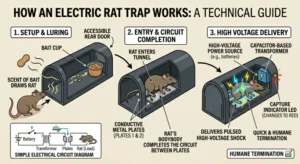
After the rat is dead, most electric traps have an indicator light that turns on to let you know you’ve caught something. Some fancier models even send you a notification on your phone through an app.
The whole system runs on batteries, usually four C batteries or four AA batteries depending on the model. The batteries can last for a long time because the trap only uses power during the actual kill, which takes just a few seconds.
Why Electric Traps Are More Humane Than Other Options
One of the biggest selling points of electric traps is how humane they are. When you compare them to other trapping methods, they come out on top.
Snap traps can be humane if they work perfectly, but sometimes they don’t. A snap trap might catch the rat by the leg or tail instead of the head, which means the rat is injured but not dead. Then you’ve got a suffering animal to deal with.
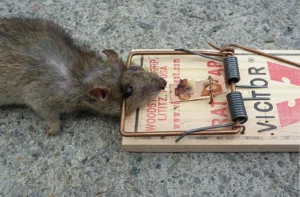
Glue traps are terrible from a humane perspective. The rat stays alive and stuck, often for hours, and can seriously hurt itself trying to escape. You end up having to kill the rat yourself, which most people aren’t prepared to do.
Poison makes rats die slowly over days. They get internal bleeding, feel sick, and eventually die somewhere you probably can’t find them. It’s not a quick or painless death.
Electric traps kill in seconds with a method that’s as close to instant as you can get. The rat doesn’t suffer, doesn’t know what hit it, and doesn’t have time to feel pain. If you care about not making animals suffer unnecessarily, electric traps are the way to go.
The Biggest Advantages of Using Electric Rat Traps
Besides being humane, electric traps have several other benefits that make them worth the higher price for a lot of people.
First, they’re really clean. The rat dies inside an enclosed chamber, so there’s no blood, no exposed body, and no mess. You don’t have to look at the dead rat if you don’t want to. You just open a door at the back of the trap, dump the rat into a bag, and you’re done.
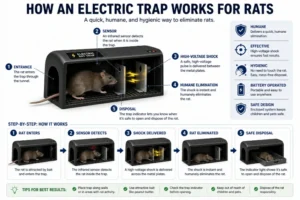
Second, they’re safe to use around pets and kids. Once the trap door closes, it’s completely enclosed. There’s no exposed bait, no snap bar that could catch a finger or paw, and no way for anything except a rat-sized animal to get inside the kill chamber.
Third, they’re easy to bait and set. You just put a little peanut butter or other bait in the chamber, turn the trap on, and you’re good to go. There’s no fiddling with springs or trigger plates.
Fourth, you get that indicator light. Instead of having to check every trap manually to see if you’ve caught anything, you can just look for the blinking light. This saves time if you’ve got multiple traps set up.
What Are the Downsides of Electric Rat Traps?
Even though electric traps work well, they’re not perfect. There are some legitimate downsides to consider before you spend the money.
The biggest issue is cost. A good electric rat trap will run you anywhere from thirty to seventy-five dollars, sometimes even more for top-of-the-line models. Compare that to snap traps that cost three to five dollars each, and you’re paying a lot more.
You also need to keep buying batteries. Depending on how often you catch rats, batteries might last months or might need replacing every few weeks. This is an ongoing cost that adds up over time.
Electric traps are bigger than snap traps. They need to have enough space for the rat to walk all the way inside the chamber before the shock happens. This means they don’t fit in tight spaces as easily as snap traps do.
Some rats can be suspicious of electric traps because they’re obviously a new object in the environment. The entrance tunnel might look like a trap to a cautious rat. You can help with this by leaving the trap turned off for a day or two to let rats get used to it before you turn it on.
Finally, if the batteries die, you won’t catch anything and you won’t know the trap isn’t working. Some models have low-battery indicators, but not all of them do.
Which Electric Rat Trap Models Work Best
There are quite a few electric rat trap brands on the market, and not all of them work equally well.
Victor is one of the most popular and reliable brands. Their M2 Smart-Kill trap is designed for rats and is used by a lot of pest control professionals. It’s got a good track record of actually killing rats effectively, and it’s built to last.

Rat Zapper is another well-known brand. Their Classic model is affordable and gets good reviews from users. The Ultra model is bigger and designed to handle larger rats.
The Electronic Rat Trap by Hoont is a budget-friendly option that still works pretty well. It’s not quite as sturdy as the Victor models, but it’s cheaper and does the job.
VEBIOZ makes electronic traps that are popular on Amazon. They work, but the quality can be hit or miss depending on which specific model you get.
Whatever brand you choose, make sure it’s specifically designed for rats, not mice. Mouse traps are smaller and won’t work as well on rats. Also check that it can actually deliver enough voltage to kill a rat instantly. Some cheap models don’t have enough power and just stun the rat without killing it.
How to Set Up an Electric Rat Trap for Best Results
Just like any trap, electric traps work better when you set them up correctly.
First, put the trap in an area where you’ve seen rat activity. Look for droppings, gnaw marks, or greasy smudge marks on walls. Rats travel along walls and in corners, so place your trap against a wall with the entrance facing the rat’s likely path.
Second, use good bait. Peanut butter is the classic choice and it works great. Put a small amount (about a pea-sized dab) at the back of the kill chamber. The rat needs to walk all the way inside to get the bait, which is when it triggers the shock.
Third, if rats seem hesitant to enter the trap, try leaving it turned off for a day or two with bait inside. This lets rats get used to the trap and learn that they can get food from it safely. Once they’re comfortable, turn it on.
Fourth, make sure your batteries are fresh. A trap with weak batteries might not deliver enough voltage to kill the rat instantly, which defeats the whole purpose.
Fifth, check the trap regularly. Even though there’s an indicator light, you should still physically check to make sure everything is working and to dispose of any caught rats.
How Long Do Batteries Last in Electric Rat Traps?
Battery life is one of the questions people ask most about electric traps, and the answer varies quite a bit.
In general, a set of fresh batteries can last for around thirty to fifty kills. This means if you’re dealing with a minor rat problem and you only catch a few rats, your batteries might last for months.
If you’re dealing with a serious infestation and you’re catching rats every day or two, you’ll go through batteries much faster. You might need to replace them every couple of weeks.

The actual power drain when a rat is killed is pretty low. It only takes a few seconds to deliver the shock, so each kill doesn’t use much battery. The main drain comes from the trap being on and ready all the time.
Some traps have a low-battery indicator light, which is really helpful. You’ll know when it’s time to change batteries before the trap stops working. If your trap doesn’t have this feature, it’s a good idea to keep track of how many rats you’ve caught and replace batteries proactively.
Using good quality batteries helps too. Cheap dollar-store batteries won’t last as long as name-brand alkaline batteries.
Can Electric Traps Catch Multiple Rats Before You Empty Them?
This is a common question, and the answer is no. Unlike bucket traps that can theoretically hold multiple rodents, electric traps only work for one rat at a time.
Once a rat is killed inside the chamber, the trap won’t reset itself. The dead rat blocks the entrance and trigger area, so another rat can’t get in. Plus, other rats will smell the dead rat and avoid the trap completely.
This means you need to check your trap and empty it after each catch. If you don’t, you’re basically taking that trap out of service.
The upside is that most electric traps are really easy to empty. You just open a back door or lift a lid, tip the rat into a plastic bag, and close it back up. You don’t have to touch anything.
After emptying the trap, clean it out if there’s any blood or mess inside. A quick wipe with a disinfectant spray and a paper towel is usually all you need. Then add fresh bait and turn it back on.
How Electric Traps Compare to Snap Traps in Real-World Use
When it comes to actual effectiveness at catching and killing rats, electric traps and snap traps are pretty similar. Both work well when placed correctly with good bait.
The main differences come down to convenience and cost. Electric traps are more convenient because they’re cleaner, easier to empty, and have that indicator light. Snap traps are way cheaper and you can set a lot more of them for the same money.
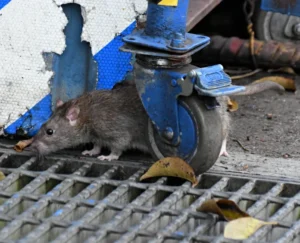
If you’re trying to catch one or two rats in your house and you don’t mind spending a bit more, an electric trap makes sense. It’s easier to deal with and more pleasant to use.
If you’re dealing with a larger infestation, or if you’re on a budget, snap traps are more practical. You can buy a dozen snap traps for the price of one electric trap. More traps means better coverage and faster results.
Some people use both. They’ll set up a few electric traps in high-traffic areas and supplement them with snap traps in other spots. This gives you the convenience of electric traps where it matters most, while still covering lots of ground with cheaper snap traps.
What to Do When Your Electric Trap Isn’t Catching Anything
If you’ve got an electric trap set up but you’re not catching rats, there are a few things to check.
First, make sure the trap is actually working. Put a pen or pencil into the chamber to trigger it (while wearing gloves and being careful). If it shocks the pen and the indicator light comes on, the trap is functional. If nothing happens, check your batteries.
Second, check your placement. The trap might be in the wrong spot. Move it to an area with more recent signs of rat activity, like fresh droppings or new gnaw marks.
Third, try different bait. Not all rats like the same food. If peanut butter isn’t working, try bacon grease, chocolate, hazelnut spread, or even nesting material.
Fourth, make sure the trap isn’t too clean and new-looking. Rats are suspicious of anything that looks out of place. You can help by leaving the trap in position for a few days (turned off) so it picks up the scent of the area and becomes part of the environment.
Fifth, consider that the rats might just be cautious. Try the pre-baiting method where you leave the trap off for a couple days with bait inside. Let the rats learn that it’s safe to go in and eat. Then turn it on.
Are Electric Rat Traps Safe to Use in Your Home?
Yes, electric traps are designed to be safe for use in homes, even with pets and kids around.
The trap only delivers a shock inside the enclosed chamber, and the entrance tunnel is sized so that only small rodents can fit through. A cat’s paw or a kid’s finger won’t fit inside to reach the shock plates.
The trap also won’t shock you when you’re setting it up or emptying it. The shock is only delivered when the rat is inside and completes the circuit between the metal plates. When you open the back to empty the trap, the circuit can’t complete.

That said, you should still keep electric traps out of reach of young kids if possible, just as a general safety precaution. And you should definitely read the instructions that come with your specific trap to understand any safety features or warnings.
Don’t use electric traps in wet areas like basements that flood or outdoor areas where they might get rained on. Water and electricity don’t mix, and you could damage the trap or create a safety hazard.
Conclusion
Electric rat traps definitely work, and they work well. They kill rats instantly and humanely, they’re clean and easy to use, and they’re safer than many other options.
The main downside is cost. You’re paying a premium for the convenience and the technology. If you can afford it and you value not having to see or touch dead rats, electric traps are worth the money.
If you’re on a budget or dealing with a large infestation, traditional snap traps will do the job for a fraction of the cost.
But for a smaller rat problem or for people who want the easiest, most humane option available, electric traps are one of the best choices on the market.
Just make sure you buy a quality model, use fresh batteries, and place it in the right spot with good bait.

Hi, my name is Ezra Mushala, i have been interested animals all my life. I am the main author and editor here at snakeinformer.com.