
If you’ve got moles tearing up your yard and you already have some rat traps sitting in your garage, you might be wondering if you can just use those instead of buying special mole traps.
After all, both are small animals, and a trap is a trap, right? Can you use a rat trap for moles?
No, you can’t really use a regular rat trap for moles. Moles live underground in tunnels and don’t come up to the surface where you’d set a rat trap. Even if you put a rat trap in their tunnel, it won’t work well because moles are built differently than rats and the trap won’t trigger or kill them properly.
Rat traps are designed to catch animals that walk on the ground and come out to look for food.
Moles spend almost their entire lives underground, so the way you catch them has to be completely different.
Why Rat Traps Don’t Work in Mole Tunnels
When you think about how a rat trap works, it’s pretty simple. The rat steps on a trigger plate or pulls at bait, and the spring-loaded bar snaps down on them.
This works great for rats because they’re moving around on flat ground and they’re the right size and shape for the trap to hit them properly.
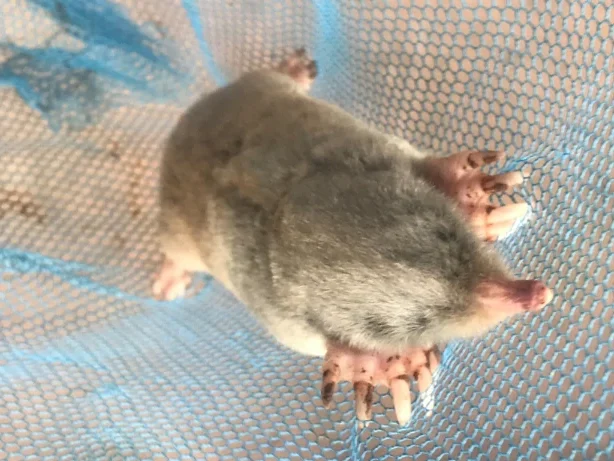
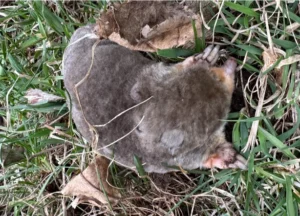
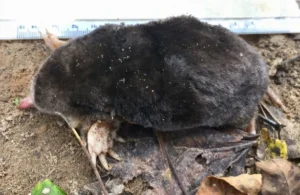
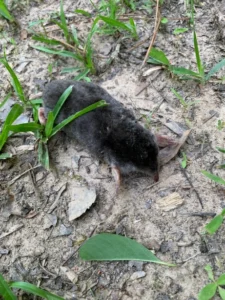
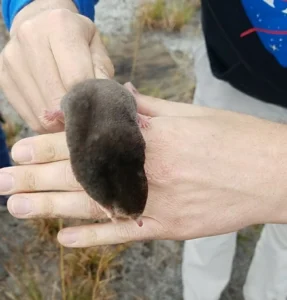
Moles are a different story. They’re built like little furry torpedoes, with short legs, powerful front feet for digging, and a long pointed nose. They move through their tunnels by pushing forward with their front legs, and they’re low to the ground.
If you were to put a regular wooden or plastic rat trap in a mole tunnel, a few things would go wrong. First, the mole might not even trigger the trap because they’re not heavy enough or they don’t step on the trigger plate in the right way.
Second, even if the trap does snap, it might not hit the mole in a way that actually catches or kills it because of how they’re shaped.
Mole traps are designed specifically to work in narrow underground tunnels and to catch an animal that’s moving in a straight line through dirt. They use completely different mechanisms than rat traps.
How Moles Actually Live and Move Around
To understand why rat traps won’t work, you need to know a bit about how moles actually live. These animals spend almost all their time underground in a network of tunnels they dig themselves.
Moles are built for digging. Their front feet are huge compared to their body size, and they’re turned outward like little shovels. They use these feet to push dirt out of the way as they tunnel through the soil looking for food.
Most of the tunnels you see as raised ridges in your lawn are actually shallow feeding tunnels. Moles dig these just below the surface to hunt for earthworms, grubs, and insects.
They might only use a feeding tunnel once or twice before abandoning it and digging a new one.
Deeper down, moles have main runways that they use over and over again. These are the tunnels that connect to their nest and the areas where they find the most food. If you’re going to catch a mole, you need to find these main tunnels, not the shallow temporary ones.
What Kind of Traps Actually Work for Moles?
Real mole traps look nothing like rat traps. They’re designed to fit inside a tunnel and catch the mole when it comes through.
The most common type is called a scissor trap or choker trap. You dig down to find the main tunnel, place the trap inside, and cover it back up. When the mole pushes through the tunnel, it triggers the trap and two metal loops close around its body.
Another popular type is the harpoon trap. This one sits on top of the ground over a tunnel. When the mole pushes up against the trigger pan from below, sharp spikes shoot down into the tunnel and kill the mole instantly.
There are also tunnel traps that look like metal tubes with spring-loaded doors on each end. The mole crawls into the tube, triggers the mechanism, and the doors snap shut to trap it inside.
All of these work because they’re designed specifically for how moles move through tunnels. A rat trap just isn’t built for that kind of situation.
Could You Maybe Modify a Rat Trap to Catch Moles?
Some people have tried to get creative and modify rat traps to use for moles, but it really doesn’t work well even when you change things around.
The basic problem is that rat traps need to be set on a flat surface, and they need an animal to approach from above or from the side. In a tunnel, there’s no flat surface and the mole is coming straight at the trap from one direction in a narrow space.
You could try to wedge a rat trap into a tunnel, but the spring bar would probably just smack against the tunnel wall instead of hitting the mole. Or the trap might fill up with dirt and not work at all.
Even if you somehow got lucky and caught a mole with a modified rat trap, it would be pure luck. You’d waste a lot of time setting and resetting the trap in different spots, and you’d probably end up with nothing to show for it.
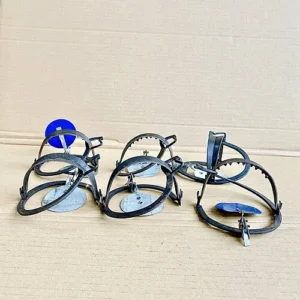
It’s much better to just get a proper mole trap. They’re not that expensive, usually around ten to twenty dollars, and they actually work the way they’re supposed to.
Why You Can’t Just Put Bait in a Rat Trap for Moles
With rats, you can lure them to a trap using bait like peanut butter, cheese, or other food they like. You might think you could do the same thing with moles, but it won’t work.
Moles are insectivores, which means they only eat insects and worms. They won’t eat cheese, peanut butter, seeds, or any of the baits that work for rats. They’re basically just looking for live prey moving through the soil.
Even if you somehow got fresh earthworms and put them on a rat trap as bait, moles probably wouldn’t find them. Moles hunt by feel and by sensing movement in the soil. They’re not following smells to find food the way rats do.
This is another reason why mole traps are designed so differently. Instead of using bait, they rely on being placed in the right spot where the mole will naturally travel. The trap just waits for the mole to come through its normal tunnel.
What About Snap Traps Designed for Smaller Animals?
You might be thinking about those smaller snap traps designed for mice or chipmunks. These are basically just miniature versions of rat traps, and they won’t work for moles either.
Even though moles are pretty small (usually around six to eight inches long), they’re not shaped like mice.
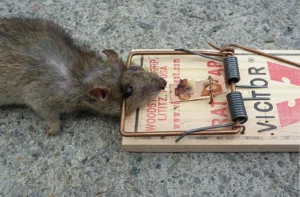
Mice have legs that stick down from their body, so a small snap trap can catch them across the back or neck. Moles are built low and flat, and they’d probably just push right under the kill bar of a mouse trap.
Also, mouse traps are still designed to sit on a flat surface and catch an animal approaching from the side or above. They have the same basic problem as rat traps when it comes to working in an underground tunnel.
If you’re dealing with moles, you really need equipment that’s made specifically for the job. Trying to make do with whatever traps you have lying around will just waste your time.
Can You Use Rat Traps to Catch Moles if They Come Above Ground?
Moles do occasionally come to the surface, but it’s pretty rare. They might pop up if their tunnel system gets flooded, or if they’re young moles looking for new territory, or sometimes in the early morning or evening.
Even in these cases, rat traps still won’t work well. Moles that are above ground are usually moving fast because they feel exposed and vulnerable. They’re not going to stop to investigate a trap or take bait.
Their eyesight is really poor (they basically can’t see much at all), so they’re not looking around for food visually. They rely on their sense of touch and their ability to detect vibrations. A stationary rat trap sitting on the ground isn’t going to attract their attention.
If you did happen to see a mole above ground and wanted to catch it, you’d be better off trying to catch it with a bucket or box, or just leaving it alone. It’ll probably disappear back underground pretty quickly anyway.
What Works Better Than Traps for Getting Rid of Moles
If you’re not excited about the idea of setting mole traps in your yard, there are other ways to deal with moles that might work better for your situation.
One method is to go after their food source. Moles are mainly eating grubs and earthworms in your lawn. If you treat your lawn to reduce the grub population, moles might move on to somewhere else where food is easier to find.
This won’t get rid of earthworms (and you probably don’t want to anyway, since they’re good for your soil), but it can help.
Another option is to use a mole repellent. These come in granules or sprays that you put on your lawn. They usually contain castor oil, which moles apparently don’t like.
The idea is that it makes your yard less appealing, so the moles go dig somewhere else. Results with repellents are kind of hit or miss, though.
Some people have success with natural predators. If you have cats or dogs that like to hunt, they might catch moles when they’re near the surface. Owls, hawks, and snakes also eat moles. But you can’t really control these predators, so it’s not a reliable method.
You can also try flooding their tunnels with water from a garden hose. This might drive them away temporarily, but they’ll usually just dig new tunnels once the ground dries out.
How to Tell if You Have Moles or Something Else
Before you worry about what kind of trap to use, make sure you actually have moles and not some other animal that’s messing up your yard.
The telltale sign of moles is raised ridges in your lawn that look like someone drew lines across your grass. These are the shallow feeding tunnels.
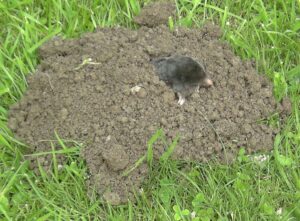
You might also see volcano-shaped mounds of dirt where the mole has pushed soil up from deeper tunnels.
Voles, on the other hand, create surface runways through the grass that look like little highways. They don’t usually make raised tunnels like moles do.
Voles are more like mice and they do stay above ground, so rat traps can actually work for voles.
Gophers make fan-shaped mounds of dirt and their holes are more obvious than mole tunnels. Pocket gophers are bigger than moles and they eat plant roots, not insects.
If you’re seeing damage to plants and vegetables, it’s probably not moles. Moles don’t eat plants (though they might accidentally damage roots while tunneling).
If plants are being eaten, you’re more likely dealing with voles, gophers, or rabbits.
The Real Cost Difference Between Rat Traps and Mole Traps
One reason people want to use rat traps for moles is because they’re trying to save money. Rat traps are cheap, usually just a couple dollars each, and you might already have some.
Mole traps are more expensive, but not crazy expensive. A decent scissor trap or harpoon trap will cost you somewhere between ten and twenty-five dollars. Higher-end traps might be thirty or forty dollars.
When you think about it, the price difference isn’t that huge. If you waste hours of your time trying to catch moles with rat traps that don’t work, you’re actually losing money. Your time is worth something, and so is the frustration of dealing with an ongoing mole problem.
It makes more sense to spend fifteen bucks on a proper mole trap and actually solve the problem than to save a few dollars using the wrong equipment and getting nowhere.
What Experienced Pest Control People Say About Using Rat Traps for Moles
If you talk to anyone who deals with pest control professionally, they’ll tell you straight up that rat traps won’t work for moles. They’ve tried every shortcut and workaround there is, and they know what actually works.
Professional pest control operators use specific mole traps, and they know exactly how to place them in active tunnels for the best results. They don’t mess around with rat traps because it would just waste their time and make their customers unhappy.
Some pest control companies don’t even offer mole trapping because it’s so labor-intensive. They’d rather focus on methods like baiting or repellents. The ones that do trap moles are using equipment designed specifically for the job.
If you’re serious about getting rid of moles, it’s worth either buying the right kind of trap or hiring someone who knows what they’re doing. Trying to make rat traps work is just going to leave you frustrated.
Conclusion
You can’t really use a rat trap to catch moles because the two animals live in completely different ways and are built differently. Moles spend their lives underground in tunnels, and they need traps designed to work in that environment.
Rat traps are made to catch animals moving on flat ground who are attracted to bait. Moles don’t respond to bait, they don’t walk on flat ground, and their body shape means a rat trap won’t catch them even if they do trigger it.
If you’ve got a mole problem, invest in a proper mole trap like a scissor trap or harpoon trap. They’re not super expensive, and they actually work.
Trying to use rat traps will just waste your time and let the moles keep destroying your lawn while you figure out they don’t work.

Hi, my name is Ezra Mushala, i have been interested animals all my life. I am the main author and editor here at snakeinformer.com.