
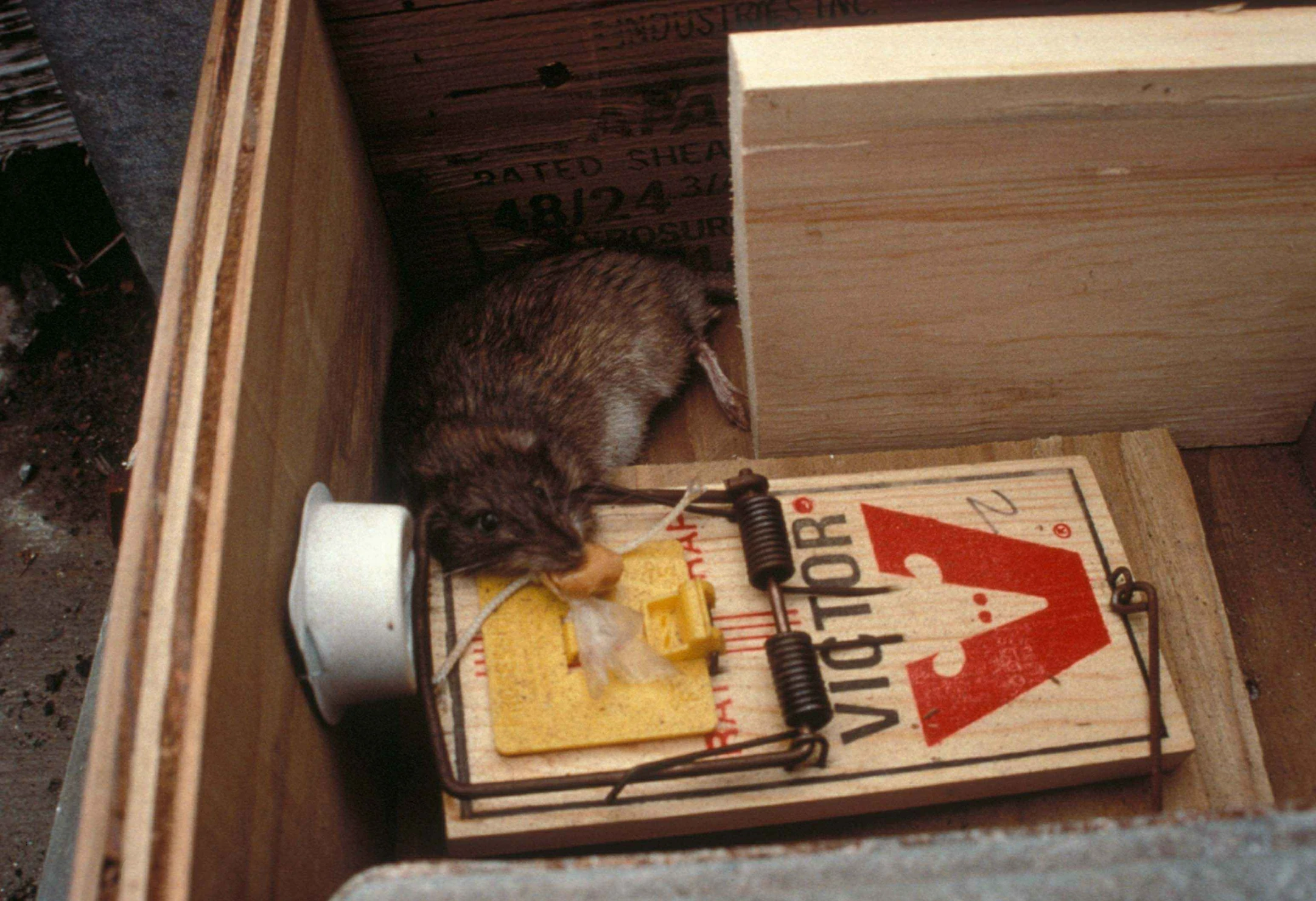
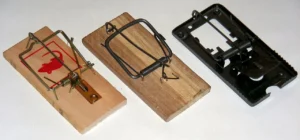
Wooden rat traps are one of the cheapest and most common ways to deal with a rat problem. They’re simple, effective, and you can find them at just about any hardware store for a few dollars.
But after you’ve caught a rat, you might be wondering if you need to throw the whole trap away or if you can clean it up and use it again. Can you reuse a wooden rat trap?
Yes, you can reuse a wooden rat trap. You just need to clean it really well after each catch to get rid of blood, fur, and smells that might scare off other rats. If the trap is still working properly and isn’t damaged, there’s no reason you can’t use it multiple times.
Most wooden rat traps are built to last for several uses if you take care of them. The main thing you need to worry about is making sure the trap is clean and doesn’t smell like death, which can actually warn other rats to stay away.
Why Cleaning Your Wooden Rat Trap Really Matters
When you catch a rat in a wooden trap, things can get messy. There’s usually blood, bits of fur, and sometimes other stuff you don’t want to think about too much.
If you don’t clean this off before setting the trap again, you’re basically putting up a warning sign for other rats.
Rats have a really strong sense of smell. They can pick up on the scent of a dead rat from pretty far away, and when they do, they know something dangerous happened in that spot.
This means they’ll avoid your trap completely, even if you’ve loaded it with the most tempting bait you can find.
But it’s not just about the smell. Dried blood and other nasty stuff can also gum up the spring mechanism on your trap.
If the spring doesn’t snap as fast as it should, the trap won’t work right and rats might be able to grab the bait and get away.
How to Clean a Wooden Rat Trap the Right Way
Cleaning a wooden rat trap isn’t complicated, but you need to do it carefully to protect yourself and make sure the trap works for the next round.
First, you’ll want to wear gloves. Rats can carry all kinds of diseases, and you don’t want to touch anything that’s been in contact with rat blood or body fluids. Disposable gloves work great for this.
Start by removing any pieces of the rat that might still be stuck to the trap. Sometimes fur gets caught in the spring or under the kill bar. You can use a stiff brush or even an old toothbrush to scrub these parts clean.
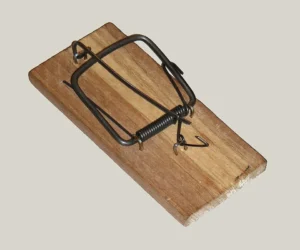
Next, you’ll want to disinfect the trap. You can use a diluted bleach solution (about one part bleach to ten parts water), or you can use rubbing alcohol.
Spray or wipe down the entire trap, paying special attention to the areas where the rat made contact. Let it sit for a few minutes so the disinfectant has time to kill any bacteria or viruses.
After that, rinse the trap with clean water and let it dry completely. If there’s still a smell after cleaning, you can leave the trap outside in the sun for a few hours.
Sunlight is actually really good at breaking down odors and killing germs.
When You Should Throw Out a Wooden Rat Trap Instead of Reusing It
Even though you can reuse wooden rat traps, there are times when it’s better to just toss the old one and get a new trap.
If the wood is cracked or split, the trap won’t work as well. A damaged trap might not snap with enough force to kill the rat quickly, which means you could end up with an injured rat that’s still alive and suffering. That’s not good for you or the rat.
Also, if the spring mechanism is bent, rusty, or doesn’t snap back like it should, it’s time for a new trap.
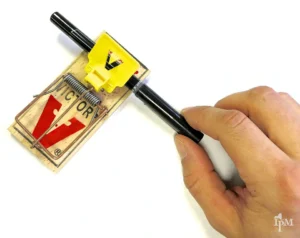
You can sometimes bend the metal parts back into shape, but if the spring has lost its tension, the trap is basically useless.
Sometimes the wood gets so soaked with blood and other fluids that no amount of cleaning will get rid of the smell.
If you’ve cleaned the trap multiple times and it still reeks, other rats will definitely smell it too. In that case, it’s worth spending a couple bucks on a fresh trap.
How Many Times Can You Actually Reuse a Wooden Rat Trap?
There’s no set number of times you can reuse a wooden rat trap because it really depends on how well you take care of it and how messy each catch is.
If you’re dealing with smaller rats and the trap kills them cleanly without too much blood, you might be able to reuse the same trap ten or fifteen times, maybe even more. S
ome people have reported using the same trap for months during a bad infestation.
But if you’re catching larger rats, or if the trap doesn’t kill them instantly and they struggle, things get messier.
The wood can absorb fluids, the mechanism can get damaged, and you might only get three or four uses out of the trap before it needs to be replaced.
The key is to inspect the trap carefully after each use. If it looks clean, smells okay, and the spring still snaps hard, you’re good to go. If any of those things aren’t right, it’s probably time for a new one.
What About the Smell That Won’t Go Away
Sometimes, no matter how much you scrub and disinfect, a wooden rat trap just keeps smelling bad. This happens because wood is porous, which means it can soak up liquids and hold onto smells.
If you’re having this problem, there are a few tricks you can try before giving up on the trap. One method is to soak the trap in a mixture of water and white vinegar for about thirty minutes.
Vinegar is really good at breaking down organic smells. After soaking, scrub it again with a brush, rinse it well, and let it dry in the sun.
Another option is to use baking soda. After cleaning the trap, sprinkle baking soda all over it and let it sit overnight. Baking soda absorbs odors pretty well. In the morning, brush off the baking soda and check if the smell is gone.
If these methods don’t work, the smell has probably soaked too deep into the wood. At that point, you’re better off replacing the trap. A new wooden trap is usually only two or three dollars, so it’s not a huge expense.
Can You Clean Wooden Rat Traps in the Dishwasher?
This is a question that comes up sometimes, and the short answer is no, you shouldn’t clean wooden rat traps in the dishwasher.
There are a few reasons for this. First, you don’t want rat blood, fur, and disease-causing germs anywhere near the dishes you eat off of. Even if you run an empty cycle after washing the trap, it’s just not worth the risk.
Second, the hot water and steam in a dishwasher can warp the wood and mess up the spring mechanism.
Wooden traps aren’t designed to handle that kind of heat and moisture. You might pull out a trap that’s swollen, bent, or completely useless.
Stick to hand cleaning with gloves, disinfectant, and a brush. It takes a bit more time, but it’s much safer for you and your family.
Should You Wear Gloves When Handling Used Rat Traps?
Yes, you should absolutely wear gloves when you’re handling a rat trap that’s caught something. This is really important for your health.
Rats carry diseases like leptospirosis, hantavirus, and salmonella. These can be spread through contact with rat blood, urine, or droppings.
If you’ve got any cuts or scratches on your hands, you could get infected just by touching a contaminated trap.
Even if the rat looks clean and healthy, you can’t tell what diseases it might be carrying just by looking at it. It’s always better to be safe and wear disposable gloves whenever you’re handling a trap that’s been used.
After you’re done cleaning the trap, throw away the gloves and wash your hands really well with soap and hot water.
Don’t touch your face, eat, or drink anything until you’ve washed up.
How to Make Your Wooden Rat Trap Last Longer
If you want to get the most uses out of your wooden rat traps, there are a few things you can do to make them last longer.
First, clean them right away after each catch. The longer you wait, the more time blood and other stuff has to soak into the wood and mess up the mechanism.
If you clean it within a few hours, it’s much easier to get everything off.
Second, store your traps in a dry place when you’re not using them. If they get wet or sit in a damp area, the wood can rot and the metal parts can rust.
A garage, shed, or closet works fine as long as it’s not too humid.
Third, check the spring mechanism every time before you set the trap. Make sure it snaps back hard and fast.
If it seems weak or slow, you can try oiling the hinge with a tiny bit of vegetable oil or WD-40. Just don’t use too much, or it might affect how the trap works.
Do Plastic Rat Traps Work Better Than Wooden Ones for Reusing?
Plastic rat traps have become more popular in recent years, and one of the reasons is that they’re easier to clean and reuse than wooden traps.
Plastic doesn’t absorb blood and smells the way wood does, so you can usually just rinse off a plastic trap, give it a quick scrub, and it’s ready to go again.
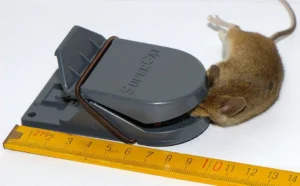
This makes them a bit more convenient if you’re planning to reuse your traps a lot.
But plastic traps do have some downsides. They’re usually more expensive than wooden traps, sometimes costing two or three times as much. Also, some people find that they don’t snap as hard as wooden traps, which can mean less effective kills.
If you’re dealing with a serious rat problem and you know you’ll be reusing traps many times, plastic might be worth the extra cost.
But if you’re just dealing with an occasional rat, wooden traps work fine as long as you clean them properly.
What to Do With the Rat After You’ve Removed It From the Trap
Before you can clean and reuse your wooden rat trap, you need to deal with the dead rat. This part isn’t fun, but it’s important to do it safely.
Put on your gloves first. Then, you can either remove the rat from the trap or dispose of the whole thing together if the trap is too damaged or dirty to reuse. If you’re keeping the trap, carefully open the spring mechanism and remove the rat.
Put the dead rat in a plastic bag, seal it tight, and then put that bag inside another plastic bag. This is called double-bagging, and it helps contain any smells or fluids.
You can then throw this in your regular trash. Some people prefer to bury dead rats in their yard, but check your local regulations first because some areas don’t allow this.
Never touch the rat with your bare hands, and don’t leave it sitting out where pets or wild animals can get to it. Handle it as quickly as you can and get it disposed of properly.
Conclusion
You can definitely reuse wooden rat traps if you clean them well after each catch. The key is to remove all the blood, fur, and smells that might warn other rats away, and to make sure the trap mechanism is still working right.
With proper care and cleaning, a wooden rat trap can last for many uses. Just remember to wear gloves when handling used traps, disinfect them properly, and inspect them for damage before setting them again.
If the trap is too damaged, too smelly, or the spring isn’t working right anymore, it’s time to replace it.
Wooden traps are cheap enough that you don’t need to stress too much about how many times you use each one
. But if you take a few minutes to clean them after each catch, you can save money and keep catching rats with the same trap for quite a while.

Hi, my name is Ezra Mushala, i have been interested animals all my life. I am the main author and editor here at snakeinformer.com.