
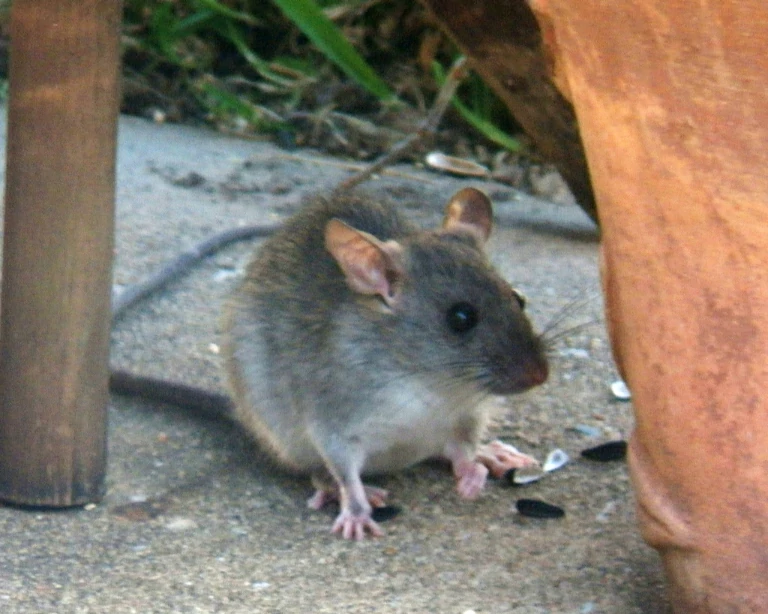
You’ve set out traps, used bait, and waited patiently, but the rats in your home are still running around like they own the place. The bait keeps disappearing, but the traps never seem to catch anything.
It’s frustrating, and you’re probably wondering what you’re doing wrong. The good news is, you’re not alone in this struggle. So why can’t you catch a rat in a trap?
You can’t catch a rat in a trap because rats are naturally cautious of new objects, you might be using the wrong bait or trap placement, or the rats have already learned to avoid your traps. Rats are smart animals that can figure out how traps work and remember to stay away from them.
Catching rats isn’t as simple as putting out a trap with some cheese and waiting. Rats are clever, careful creatures with strong survival instincts.
They don’t just walk into obvious traps. You need to understand their behavior and adjust your approach to outsmart them.
Rats Are Naturally Afraid of New Things
One of the biggest reasons you’re not catching rats is something called neophobia. This is a fear of anything new or unfamiliar in their environment. When you first put out a trap, rats won’t go anywhere near it.

They’ll watch it from a distance for days, sometimes even a week or more, before they feel safe enough to investigate.
This is a survival instinct that’s kept rats alive for thousands of years. In the wild, new objects can mean danger, so rats have learned to be extremely cautious.
If you just set a trap and expect to catch a rat the same night, you’ll probably be disappointed. The rat needs time to get used to seeing the trap in its territory.
Some experts even suggest leaving traps unset for several days with bait on them, just so the rats learn to trust the trap as a food source.
You’re Putting Traps in the Wrong Places
Rats don’t wander randomly around your house. They follow the same routes over and over again, creating what’s called a “runway.” These runways are usually along walls, in corners, behind furniture, and in other areas where the rat feels protected.
If you’re putting traps in the middle of a room or in open spaces, rats probably won’t go near them. Rats feel vulnerable in open areas because they’re prey animals in the wild.
They stick to the edges where they can quickly hide if they sense danger.
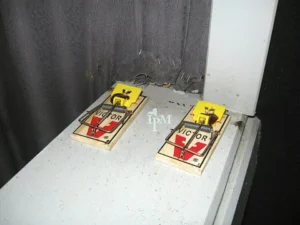
Look for signs of rat activity before you set your traps. You’re looking for droppings, which are about the size of a raisin and dark brown or black. You might also see greasy smear marks along walls where the rats’ fur rubs against surfaces as they travel.
Gnaw marks are another good sign. Rats chew on everything to keep their teeth worn down, so you might see bite marks on wood, plastic, cardboard, or even electrical wires. Put your traps near these signs of activity, not just where you think the rats might be.
The Bait You’re Using Isn’t Working
Everyone thinks rats love cheese, but that’s actually more of a myth than reality. Rats will eat cheese if there’s nothing else available, but it’s not their favorite food. If you’re using cheese as bait and not catching anything, that’s probably why.
Rats prefer high-protein, high-fat foods with strong smells. Peanut butter is one of the best baits you can use because it’s sticky (so the rat has to work to get it off the trap), it smells strong, and rats really like the taste. A small amount is all you need, about the size of a pea.
Other good bait options include nuts, dried fruit, bacon, beef jerky, or even chocolate. Some rats prefer sweet foods while others go for savory options. If one type of bait isn’t working after a few days, switch it up and try something different.
You also need to make sure you’re not using too much bait. If there’s a huge pile of food on the trap, the rat might be able to nibble at it without actually triggering the trap mechanism. A small amount that forces the rat to really press down on the trigger plate works better.
Your Traps Aren’t Sensitive Enough
Sometimes the problem isn’t where you put the trap or what bait you used, it’s the trap itself. If the trigger mechanism is too stiff or not sensitive enough, a rat can steal the bait without setting off the trap.
This is really common with cheap traps or old traps that have been used many times. The springs get worn out or rusty, and the trigger doesn’t work as well as it should. If you’ve been using the same traps for months or years, it might be time to buy new ones.
You can test the sensitivity of your trap before you set it. Put it on a flat surface and very gently touch the trigger plate. If it takes a lot of pressure to make it snap, the rat might be able to carefully remove the bait without getting caught.
Some people actually adjust their traps to make them more sensitive, but you have to be really careful when you do this. A trap that’s too sensitive might snap while you’re trying to set it up, which can really hurt your fingers.
Rats Have Learned Your Traps Are Dangerous
Here’s something that might surprise you: if you’ve been trying to catch the same rats for a while, they might have already figured out that your traps are dangerous. Rats are smart enough to learn from experience and even from watching other rats.
If a rat has triggered a trap before and escaped (maybe the trap didn’t work properly, or it only caught the rat’s tail), that rat will remember and avoid similar traps in the future.
Even worse, rats can communicate danger to other rats through scent marking and vocalizations you can’t hear.
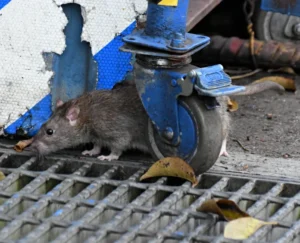
This is called trap-shyness, and it’s a real problem if you’ve been using the same approach for a long time. Once rats become trap-shy, you might need to switch to a completely different type of trap or change your baiting strategy entirely.
Some pest control professionals deal with this by using what’s called pre-baiting. They put out food in the area where they want to trap rats, but without any traps at all. They do this for several days until the rats are comfortable eating in that spot. Then they bring in the traps, and the rats are caught off guard.
You’re Leaving Human Scent on the Traps
Rats have an incredibly good sense of smell. When you handle traps with your bare hands, you leave your scent all over them. This human smell can make rats suspicious and keep them away from the traps.
Professional pest controllers often wear gloves when they set traps to avoid this problem. You don’t need fancy gloves, just regular disposable gloves from the drugstore will work fine.
Some people even go further and rub the traps with dirt or put them outside for a day before using them to get rid of any factory smells or human scent. This might seem extreme, but if you’re really struggling to catch rats, it’s worth trying.
You should also avoid using scented soaps or hand lotions before handling traps. Even if you wear gloves, strong artificial scents can transfer to the traps and make rats avoid them.
There Are Too Many Other Food Sources
If you’ve got food easily available in your home, why would a rat risk going to a trap for a tiny bit of peanut butter? Rats will always choose the easiest, safest food source, and if your kitchen has crumbs on the floor, unsealed food in cabinets, or a full pet food bowl sitting out all day, that’s where they’ll eat.
Before you expect your traps to work, you need to remove or secure all other food sources. Store everything in sealed containers, including pet food, cereal, crackers, and bread. Don’t leave dirty dishes in the sink overnight because even small bits of food residue can attract rats.
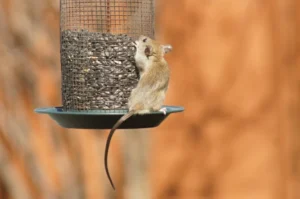
Take out your garbage every night and use trash cans with tight-fitting lids. Clean up any spills or crumbs right away. Basically, you want to make your traps the only reliable food source the rats can find.
This is called competition baiting, and it’s one of the most effective ways to improve your trap success rate. When rats are hungry and can’t find food anywhere else, they’re much more likely to risk investigating your traps.
You’re Not Using Enough Traps
One trap isn’t going to cut it if you’ve got a serious rat problem. Rats breed really fast. A female rat can have up to 12 babies at a time and can get pregnant again just a day after giving birth. One pair of rats can turn into dozens in just a few months.
If you’re only using one or two traps, you’re not going to make a dent in the population even if you do catch a few rats. You need multiple traps set in different locations along the rats’ runways.
A good rule is to use at least 6 to 12 traps if you know you have rats in your home. Place them every 10 to 15 feet along walls where you’ve seen signs of activity. The more traps you have out, the better your chances of catching something.
Just make sure you’re checking and resetting your traps regularly. A sprung trap that’s been sitting there for days isn’t doing you any good, and if other rats see a dead rat in a trap, they’ll definitely stay away from it.
The Wrong Type of Trap for Your Situation
Not all rat traps are created equal, and what works in one situation might not work in another. Snap traps are the traditional choice and work well if they’re set correctly, but some rats learn to avoid them.
Electronic traps deliver a quick electric shock and are often more effective because rats don’t associate them with danger as easily. They’re more expensive, but they might be worth it if you’re having trouble with snap traps.
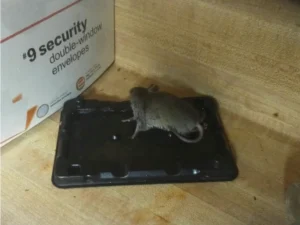
Glue traps can work, but they’re controversial because rats can suffer for a long time before they die. Also, rats can sometimes pull themselves free from glue traps, especially larger rats.
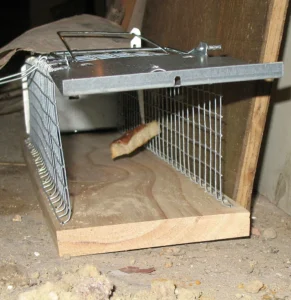
Live traps are good if you want to catch and release, but you need to check them frequently and you need somewhere to release the rats. In many areas, it’s actually illegal to release rats in public spaces or nature preserves.
If you’ve been using one type of trap without success, try switching to a different style. Sometimes a change is all it takes to start catching rats.
Your Home Has Too Many Hiding Spots
Rats feel safe when they have lots of places to hide. If your home is cluttered with boxes, piles of stuff, or lots of furniture pushed against walls, rats have endless hiding spots and won’t feel the need to venture out to your traps.
Cleaning up and decluttering can actually help you catch rats. When you remove their hiding spots, they have to travel more in the open, which increases the chances they’ll encounter your traps.
This also makes it easier for you to see where the rats are traveling. In a cluttered space, you might not notice their runways or droppings. In a clean, organized space, signs of rat activity are much more obvious.
Focus on areas like basements, attics, garages, and storage rooms. These are often the most cluttered parts of a home and also the most likely places for rats to nest.
Timing Matters More Than You Think
Rats are most active at night, especially in the hours just after sunset and just before sunrise. If you’re setting your traps during the day and checking them during the day, you might be missing the window when rats are actually out looking for food.
Set your traps in the evening before the rats become active. Make sure everything is in place, the bait is fresh, and the traps are properly set before dark. Then leave them alone overnight.
Check your traps first thing in the morning. If you’ve caught something, you can remove it and reset the trap for the next night. If the bait is gone but the trap hasn’t been triggered, that tells you the trap isn’t sensitive enough or the rat is being really careful.
Some people have success leaving traps set for several nights in a row in the same location. This gives the rats time to get used to them and stop seeing them as threatening.
You’re Giving Up Too Soon
Catching rats takes patience and persistence. If you set out traps and don’t catch anything in the first few nights, don’t give up and remove the traps. Remember, rats need time to get comfortable with new objects in their territory.
It can take a week or even longer for rats to stop being suspicious of your traps. During this time, keep the bait fresh, make sure the traps are properly set, and resist the urge to keep moving them around.
Every time you move a trap to a new location, you’re resetting the clock on the rats’ comfort level. They need to get used to seeing it in one spot. If you’re constantly changing things, the rats will stay suspicious.
That said, if you’ve had traps in the same spot for two weeks with fresh bait and you’re not catching anything, then it’s time to try a different location or a different approach.
Environmental Factors Are Working Against You
Sometimes external factors make it harder to catch rats. If it’s warm outside and there’s plenty of food available in nature, rats might not be as desperate to come inside your home looking for food. They’ll be more cautious and selective.
During winter, rats are more likely to take risks to find food and shelter, which can actually make them easier to catch. They’re hungrier and more willing to investigate new food sources like your baited traps.
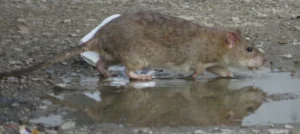
Weather can also affect how well scents travel. If it’s really humid, the smell of your bait might not spread as far. If it’s too dry, the bait might dry out quickly and lose its appeal.
Pay attention to these factors and adjust your strategy accordingly. You might need to use stronger-smelling bait in some conditions or set out more traps during times when rats are less active.
Conclusion
Catching rats isn’t as straightforward as most people think. These animals are smart, cautious, and adaptable. If your traps aren’t working, it’s usually because you need to adjust your approach, not because rats are impossible to catch.
Start by making sure you’re using the right bait in the right locations. Give the rats time to get comfortable with the traps. Remove other food sources so the rats are actually hungry enough to risk investigating your traps.
And remember, if you’ve tried everything and you’re still not having success, there’s no shame in calling a professional pest control service.
Sometimes a rat problem is too big or too established for DIY methods to handle, and experts have tools and techniques that regular homeowners don’t have access to.

Hi, my name is Ezra Mushala, i have been interested animals all my life. I am the main author and editor here at snakeinformer.com.