

You’ve baited a trap, and a rat took the bait but didn’t get caught. Or maybe a rat approached the trap, got spooked, and ran off.
Now you’re wondering if that same rat will come back and give you another chance. So will a rat return to a trap after avoiding it once?
It depends on the rat’s experience with the trap. If a rat successfully took bait without getting caught, it will likely return. But if the trap snapped and missed, injured the rat, or the rat witnessed another rat get caught, it will probably avoid that trap completely.
The key factor is whether the rat associates the trap with danger. A positive experience (free food) encourages return visits, while a negative experience (injury, fear, or witnessing danger) creates lasting avoidance.
When Rats Will Return to Traps
If a rat manages to steal bait from a trap without triggering it, this is actually the worst-case scenario for you. The rat got rewarded with food and learned that this location is safe.
That rat will absolutely come back, probably multiple times, and it will keep stealing bait. Each successful theft reinforces the behavior and makes the rat bolder.

This happens most often with traps that have triggers that aren’t sensitive enough, or with rats that are small or agile enough to take bait without applying enough pressure to snap the trap.
The rat isn’t being clever or outsmarting you (though it might seem that way). It just got lucky, and now it thinks this is a reliable food source.
Some rats will even develop a routine of checking certain trap locations regularly for free meals. They essentially turn your traps into feeding stations.
When Rats Won’t Return to Traps
If a trap snaps but misses the rat or only catches it briefly (maybe grabbing fur or tail), that rat learned a very important lesson: this location is dangerous.
Most rats won’t return to a trap after a close call like this. The fear and shock of nearly being caught creates a strong negative association with that specific location.
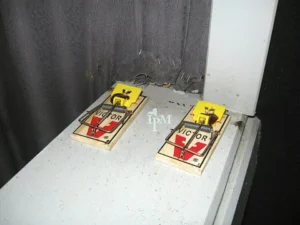
This avoidance can last for weeks or even months. Rats have good spatial memory, and they’ll remember exactly where the danger was.
If a rat was injured by a trap but escaped, the avoidance is even stronger. Pain is a powerful teacher, and rats will go out of their way to avoid the area where they got hurt.
Some rats will avoid not just that specific trap location but any similar-looking trap anywhere in your house. They generalize the danger to all traps.
The Role of Trap Type
Different types of traps affect whether rats will return or not.
With snap traps, if the rat gets away, it almost never returns. The sudden movement and loud snap create fear even if the rat wasn’t physically touched.
Electronic traps usually kill instantly, so there’s no return. But if the trap malfunctions and shocks the rat without killing it, that rat will avoid it forever.
Live traps have an interesting pattern. If a rat enters a live trap but the door doesn’t close (malfunction or poor trigger), the rat might return because nothing bad actually happened. It just explored a strange box and left.
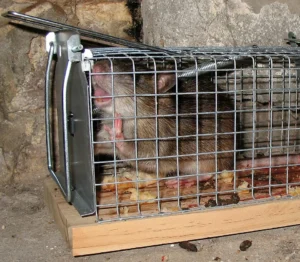
Glue traps that partially catch a rat (it pulls free leaving behind some fur) will absolutely be avoided afterward. The struggle to escape creates a traumatic memory.
Pre-Baiting and Return Behavior
Pre-baiting is when you leave traps unset (with bait but not armed) for several days to get rats comfortable with them.
During pre-baiting, rats will return to the trap multiple times because they’re getting free food with no consequences. This builds confidence and routine.
Then, when you finally set the trap, the rat returns out of habit, not realizing the danger. This technique works really well, but it requires patience.
The downside is that you’re deliberately training rats to return to traps. If you mess up and set the trap too early (before the rats are fully comfortable), you lose your chance and the rats won’t come back.
Pre-baiting works best when you wait until rats are visiting the trap regularly and confidently. You’ll know because the bait will be eaten consistently every night.
Social Learning and Trap Return
Rats learn from watching other rats, and this affects whether they’ll return to traps.
If a rat sees or hears another rat get caught in a trap, it will avoid that trap even if it has never personally had a bad experience there.

The sounds of a rat in distress (squealing, thrashing) are warning signals to other rats. They investigate, figure out what happened, and remember to avoid that location.
Rats can also detect stress pheromones and other chemical signals from trapped rats. These scent markers essentially say “danger happened here,” and other rats pick up on them.
This means that even if your trap successfully catches one rat, the other rats in your house might never return to that trap location. You’ll need to move the trap or use different methods.
Memory and Trap Locations
Rats have excellent spatial memory. They remember the layout of their territory down to small details.
If a trap is in a specific corner, and a rat had a bad experience there, moving the trap just a few inches won’t fool the rat. It remembers the general area as dangerous.
You need to move traps to completely different locations to get another chance. A trap that failed in the kitchen won’t work in the kitchen again, but it might work in the basement.
This spatial memory is so good that even if you remove a trap for several weeks, rats might still avoid that exact spot. The memory fades over time but slowly.
Some experienced rats seem to develop a general wariness of all corners or all wall edges if they’ve had bad experiences with traps in those locations before.
How Bait Affects Return Behavior
The type and quality of bait influences whether rats will risk returning to a trap.
If the bait is something rats desperately want (like high-protein food when other food is scarce), they might return to a trap even if they’re somewhat suspicious of it.
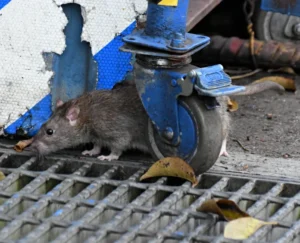
Conversely, if rats have plenty of other food sources, they won’t risk approaching a trap that seems even slightly dangerous. Why take the risk when there’s safe food elsewhere?
Changing bait types can sometimes get rats to return. If they associate peanut butter with danger, switching to bacon or chocolate might make the trap seem new and different enough to try again.
Fresh bait is also important. Old, dried-out bait that’s been sitting for days isn’t as attractive, and rats won’t take risks for mediocre food.
Age and Experience of Rats
Young, inexperienced rats are much more likely to return to traps than older rats.
Juvenile rats haven’t learned to be as cautious yet. If they got bait successfully once, they’ll come back for more. Even if they had a close call, they might try again out of boldness or hunger.
Adult rats that have survived for months or years in an environment with traps are much warier. They’ve learned that new objects and free food can be dangerous.
These older rats are the hardest to catch. They won’t give you many chances, and if they avoid a trap once, they’re unlikely to return no matter what you do.
In multi-generational rat populations, the survivors are the smart, cautious ones. These are the rats that won’t return to traps.
Hunger Level and Return Behavior
Desperation changes rat behavior dramatically.
A well-fed rat that had a scary experience with a trap won’t return. It has other options and no reason to risk danger.

A starving rat might return to a trap even knowing it’s dangerous. When survival is at stake, rats will take risks they’d normally avoid.
This is why some trappers recommend removing all other food sources before setting traps. If rats are hungry enough, they’re more likely to approach traps and less likely to be deterred by bad experiences.
However, this strategy can be impractical in homes where you can’t completely control access to food and water.
Multiple Traps and Return Patterns
If you have multiple traps set, a rat that avoids one trap might still approach others.
Rats don’t necessarily generalize danger to all traps at first. They might avoid the specific trap that scared them but still investigate other traps elsewhere.
This is why using many traps increases your chances. Even if rats become trap-shy in one area, you might catch them in another location.
Over time, as rats have bad experiences with multiple traps, they learn to avoid all traps everywhere. But initially, each trap is treated separately.
Can You Get a Second Chance?
If a rat avoided your trap once, you can sometimes get another opportunity, but you need to change something.
Taking a break from trapping for a week or two can help. Rats’ memories fade somewhat over time, and they might become less cautious about a location if nothing has happened there recently.

Moving the trap to a different location entirely (not just a few inches) gives you a fresh start with that rat.
Completely changing the trap type can work. If a rat avoided a snap trap, an electronic trap or live trap might not trigger the same fear response.
Disguising the trap can help too. Covering it with a cardboard box (with entrance holes cut out), or burying it under paper towels or bedding material makes it seem like a different object.
Signs a Rat Is Returning to Your Trap
How do you know if the same rat is coming back or if you’re dealing with different rats?
If bait consistently disappears without the trap being triggered, and this happens at the same trap location repeatedly, it’s probably the same rat returning.
You might notice the same pattern of approach. For example, if bait is always disturbed from the same angle or in the same way, it suggests a single rat with a learned technique.
Trail cameras can confirm whether it’s the same rat. You can actually see if the same individual (identified by size, coloring, or behavior) is returning.
If you’re in doubt, marking the trap location and monitoring it closely for several nights will reveal patterns.
Professional Trapper Strategies
Experienced pest control professionals have techniques for dealing with rats that won’t return to traps.
They often use trap rotation, constantly moving traps to new locations so rats don’t have time to learn and avoid specific spots.

They’ll also use dummy traps (unset traps left in place) to get rats used to seeing traps everywhere. Then they randomly arm different traps, so rats can’t predict which ones are safe.
Some professionals use monitoring systems to track which traps are getting activity and which are being avoided. This data tells them where to focus efforts.
They might also combine trapping with other methods (like exclusion or habitat modification) to force rats into areas where traps are waiting.
Conclusion
Whether a rat will return to a trap depends entirely on its previous experience there. Rats that successfully stole bait will absolutely come back for more free food. But rats that escaped being caught, got injured, or witnessed danger won’t return to that trap.
Understanding this behavior is key to successful rat control. If rats are stealing bait, you need more sensitive traps or different trap placement. If rats avoided a trap once and won’t return, you need to move it or completely change your approach.
The smartest strategy is to use many traps in different locations, remove them after failures, and constantly adapt your tactics. Rats learn fast, but you can stay ahead of them by being even more adaptable.

Hi, my name is Ezra Mushala, i have been interested animals all my life. I am the main author and editor here at snakeinformer.com.