
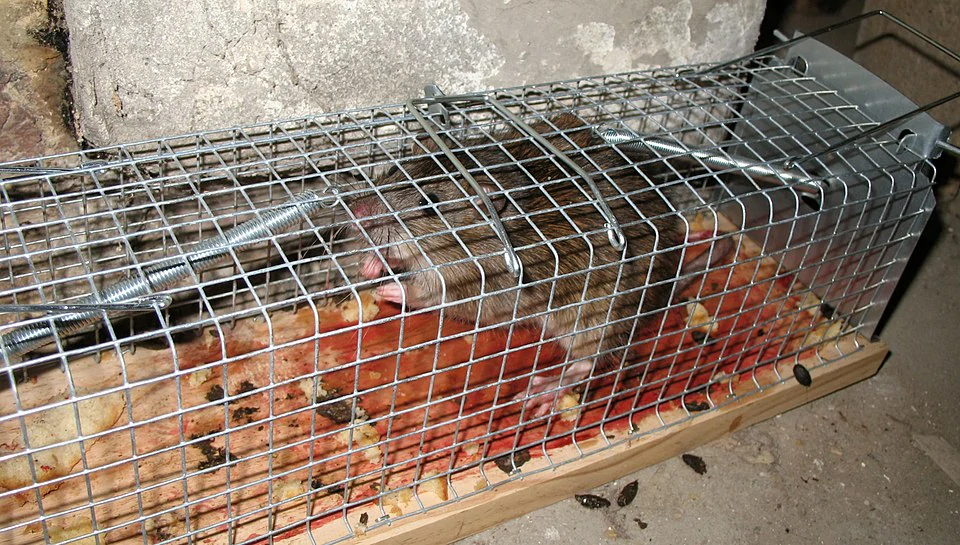
If you’ve ever tried to trap rats, you might have noticed something frustrating. The first trap catches a rat or two, but then suddenly, the traps stop working.
The rats seem to be avoiding them completely, even though there’s still activity in your house. It almost seems like the rats know what the traps are. So can rats actually recognize or identify traps?
Yes, rats can learn to recognize and avoid traps, especially after seeing another rat get caught or after having a bad experience with one themselves. They’re intelligent animals that learn from both their own experiences and by watching other rats.
This ability to learn and avoid danger makes rats much harder to catch than most other pests. You’re not just dealing with a simple animal that acts on instinct. You’re dealing with a smart creature that adapts to threats.
How Smart Are Rats Really?
Rats are way more intelligent than most people give them credit for. Studies have shown they can solve complex problems, remember solutions, and even show empathy for other rats.

They can learn to navigate mazes, remember routes, and adapt their behavior based on rewards and punishments. Their memory is excellent, and they can remember specific locations and experiences for months.
Rats also learn by watching other rats. If one rat gets caught in a trap, other rats that see or hear it happen will avoid that trap. This social learning makes them especially hard to deal with.
Their intelligence is actually one of the main reasons rats have been so successful as a species. They can adapt to new environments and new threats incredibly quickly.
What Is Neophobia in Rats?
One of the most important things to understand about rats is their natural fear of new objects. This is called neophobia, and it’s a big reason why traps don’t work immediately.
When you first put out a trap, rats will usually avoid it for several days or even weeks. It’s new, it’s different, and rats are naturally suspicious of anything unfamiliar in their environment.

This fear is an evolved survival mechanism. In nature, new objects could be dangerous, so rats that approached them carefully were more likely to survive and pass on their genes.
Over time, if the new object (your trap) doesn’t seem to be doing anything harmful, rats will eventually get comfortable and approach it. This is why some people recommend leaving traps unset for a few days first.
But if the trap catches a rat right away, the other rats will connect the trap with danger, and neophobia kicks back in even stronger.
How Rats Learn from Caught Rats
When a rat gets caught in a trap, it usually makes noise. It might squeal, thrash around, or make distress sounds. Other rats hear this and investigate.
Rats that see or hear another rat getting caught will often avoid that specific trap location from then on. They connect the trap with the danger and the suffering they witnessed.

This is especially true with snap traps that don’t kill instantly. If a rat is injured but still making noise, it creates a much stronger warning signal to other rats than a rat that dies instantly and silently.
The smell of a dead or injured rat can also serve as a warning. Rats have an excellent sense of smell, and they can detect blood, stress hormones, and death. These smells tell them something bad happened here.
This is why it’s so important to remove caught rats immediately and clean traps before resetting them. The longer a dead rat stays in a trap, the more other rats learn to avoid that area.
Visual Recognition of Traps
Rats don’t just learn from bad experiences, they can actually recognize the physical appearance of traps and avoid them.
If you use the same type of trap repeatedly, rats can learn what that trap looks like. They’ll see the shape, the color, the metal bar, and they’ll connect it with danger.
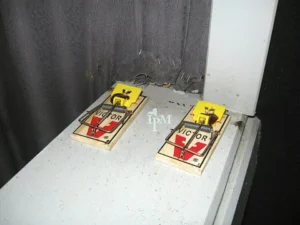
This is why some pest control professionals rotate between different types of traps. If rats learn to avoid wooden snap traps, switching to plastic ones or electronic traps can catch them off guard.
Some rats will specifically avoid any object that looks mechanical or has metal parts. They seem to recognize that these human-made objects are potentially dangerous.
This visual learning is part of why traps that blend into the environment can be more effective. If a trap looks out of place or obviously artificial, rats are more likely to avoid it.
Behavioral Changes After Trap Encounters
Rats that survive a trap encounter (or see another rat get caught) will often change their behavior in noticeable ways.
They might start taking longer routes to avoid the area where the trap was set. Even if you remove the trap, they’ll remember the location and stay away from it.
Some rats become extremely cautious about all food they find. Instead of eating normally, they’ll take tiny nibbles and wait to see if they get sick. This is called bait shyness.
Trap-shy rats will also move more carefully through their environment. They’ll pause more often, investigate objects more thoroughly before touching them, and generally be more paranoid.
This increased wariness can make them almost impossible to catch with conventional methods. You need to completely change your approach to fool them.
Can Rats Warn Other Rats About Traps?
While rats can’t communicate in the way humans do, they do have ways of warning each other about danger, including traps.
As mentioned earlier, distress calls from caught rats alert others. But rats also communicate through scent marking. They leave pheromone trails that other rats can follow or avoid.
If a rat has a bad experience with a trap, it might leave chemical signals in that area that warn other rats. These signals basically say “danger here” in rat language.
Some researchers believe rats can even distinguish between different types of threats based on the specific chemical signals left behind. A trap might create a different warning signal than a predator, for example.
This chemical communication is invisible to humans but very real to rats. It’s another reason why cleaning traps and trap areas thoroughly is so important.
Why Some Rats Are Easier to Catch Than Others
Not all rats are equally cautious. Young rats, especially, tend to be more reckless and easier to catch in traps.
Juvenile rats haven’t had as much time to learn about dangers in their environment. They’re more likely to approach new objects (like traps) out of curiosity.

Hungry rats are also easier to catch. If food is scarce, rats will take more risks to get it. They might approach a trap even if they’re slightly suspicious of it.
Rats that are new to an area don’t yet know the safe routes and safe food sources. They’re more likely to stumble into traps because they’re still exploring.
Conversely, older, experienced rats that have lived in your house for months are much harder to catch. They know the territory, they know what’s normal, and they’re suspicious of anything new.
Trap Placement and Rat Recognition
Where you place traps affects how quickly rats learn to recognize and avoid them. Rats notice patterns, and if all your traps are in similar locations, they’ll catch on.
If you always put traps against walls in corners, rats might start avoiding all corners. If you always put them near food sources, rats might become suspicious of food in certain locations.
Varying your trap placement can help. Put some traps against walls, some near entry points, some in open areas (though these are less likely to work), and some in unexpected locations.
Also, don’t cluster all your traps in one area. Spread them out throughout the space where you’re seeing rat activity. This prevents rats from just avoiding one section of your house.
Rotating trap locations every few days can also help. If rats learned to avoid a certain spot, moving the trap even just a few feet over can catch them off guard.
How Long Does It Take for Rats to Recognize Traps?
The timeline for rats learning to avoid traps varies, but it can happen surprisingly fast.
If a trap catches a rat and other rats witness it, they might avoid that trap immediately. One bad experience is sometimes all it takes.
If rats are just being cautious due to neophobia (without any actual bad experiences), it usually takes 3 to 7 days for them to get comfortable enough to approach a new trap.

But if you catch several rats in the same trap over a few days, the remaining rats will likely start avoiding it. You might get 2 to 5 rats and then nothing, even though you know there are more rats around.
The learning process is faster in larger rat populations. With more rats, there are more chances for some to witness traps being triggered, and information spreads through the group more quickly.
Overcoming Trap Recognition
The good news is that there are strategies to catch rats even after they’ve learned to recognize traps.
Switching trap types is one of the most effective methods. If rats are avoiding snap traps, try electronic traps or live traps. The different appearance can fool them.
Pre-baiting is another good strategy. Leave traps unset (with bait but not armed) for several days. Let the rats eat from them safely. Then, when you actually set the trap, they’re not suspicious anymore.
Changing bait types can also help. If you’ve been using peanut butter, switch to bacon or chocolate. The novelty might overcome their wariness.
Covering or disguising traps can work too. Put a cardboard box over a trap with a rat-sized entrance hole, or cover it with paper towels. This hides the trap’s appearance while still allowing it to function.
Taking a break from trapping for a week or two can reset their behavior. Rats have good memories, but if traps disappear for a while, they might let their guard down.
Do Electronic Traps Help Avoid Recognition?
Electronic traps have some advantages when it comes to avoiding recognition by rats.
These traps are fully enclosed, so rats don’t see the mechanism. They just see a box with a hole in it, which is less obviously dangerous than a snap trap with visible metal parts.

Electronic traps also kill instantly and silently (usually). There’s no noise to alert other rats, and the body is contained inside, so there’s no visual warning either.
Because the trap is a box, you can also add bedding material or familiar scents inside to make it seem like a safe hiding spot rather than a trap.
The downside is that electronic traps are expensive, so you can’t use as many of them as you could with cheap snap traps. This limits your coverage.
Memory and Trap Avoidance
Rats have surprisingly long memories when it comes to danger. They can remember trap locations for months.
Even if you remove a trap, a rat that had a bad experience there might avoid that exact spot for a long time. This spatial memory is very precise.
This is why moving traps around is so important. Don’t keep resetting a trap in the same exact position. Shift it a few inches or a foot over.
Rats also remember the context of danger. If a trap was near a certain smell, object, or landmark, they’ll be cautious about anything near that same reference point.
Some professional exterminators actually recommend completely changing the environment after rats become trap-shy. Rearrange furniture, change lighting, or add new objects to make the space seem different.
Can Rats Outsmart Traps?
In some cases, rats seem to actively outsmart traps rather than just avoiding them. They’ll figure out how to get bait without triggering the mechanism.
Lightweight traps or traps with sensitive triggers can sometimes be defeated this way. A rat will very carefully lick bait off the trigger plate without putting enough weight or pressure to snap the trap.

Some rats will approach from the side or back of a trap instead of from the front where the trigger is. They reach in, grab the bait, and pull it out without getting caught.
There are even documented cases of rats disabling traps by setting them off with sticks or other objects before approaching. This is rare, but it shows just how clever they can be.
Using properly designed, high-quality traps with sensitive triggers makes this harder. Cheap traps with slow mechanisms are easier for rats to beat.
The Role of Dominant Rats
In a rat colony, there’s usually a social hierarchy, and dominant rats tend to be the smartest and most cautious.
These dominant rats are often the ones that learn to avoid traps first. They’re older, more experienced, and they’ve survived this long by being careful.
Younger or subordinate rats might still get caught in traps even after dominant rats have learned to avoid them. This is why you might catch several rats and then hit a wall with the remaining few.
The last rats you’re trying to catch are usually the hardest. They’re the smart ones, the cautious ones, the survivors. You need to really change tactics to catch them.
Some exterminators specifically target dominant rats by using bait or traps in locations that only a confident, dominant rat would access.
Conclusion
Rats can definitely recognize and identify traps, and they learn to avoid them through both personal experience and by observing other rats. Their intelligence, memory, and natural caution make them much harder to catch than most people expect.
The key to successful rat trapping is understanding this intelligence and working around it. Use multiple trap types, change locations regularly, pre-bait when possible, and remove caught rats immediately.
If rats seem to be avoiding your traps, don’t give up. Switch tactics, try new baits, use different traps, or take a break and start fresh. With persistence and smart strategies, you can catch even the wariest rats.

Hi, my name is Ezra Mushala, i have been interested animals all my life. I am the main author and editor here at snakeinformer.com.