
When you’re dealing with a rat problem, you want a solution that’s effective but also humane. Nobody wants to cause unnecessary suffering, even to a pest.
Snap traps are one of the most common rat control methods, but there’s always that nagging question in the back of your mind. Does a rat trap kill instantly?
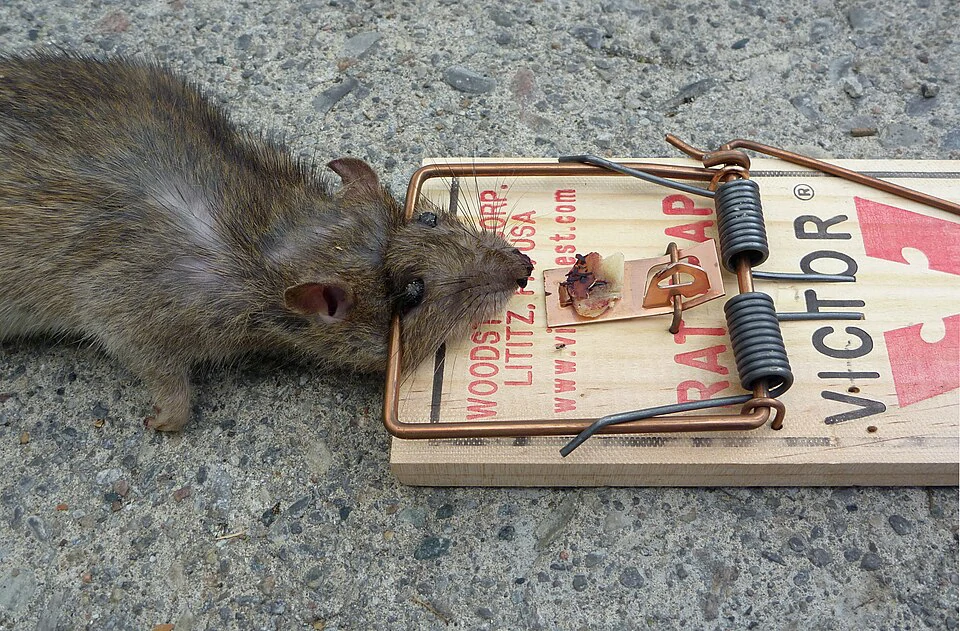
A properly set snap trap can kill a rat instantly by breaking its neck or crushing its skull, but this only happens about 60-70% of the time when the trap strikes the right area. In other cases, the rat might be injured but not killed immediately, or it might escape with injuries.
The key word here is “can.” When everything goes right with trap placement, bait position, and the rat’s approach angle, death is instantaneous. But there are a lot of variables that affect whether the trap works perfectly.
How Snap Traps Are Designed to Kill
Traditional snap traps work with a spring-loaded metal bar that’s held back by a trigger mechanism. When the rat touches the trigger (usually while going for the bait), the bar snaps forward with significant force.
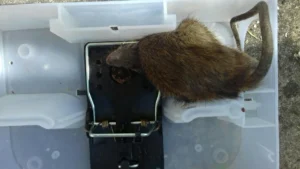
The goal is for the bar to strike the rat’s neck or head area. If the hit lands correctly, it breaks the neck or crushes the skull, causing instant death.
The spring tension on these traps is calibrated to deliver enough force to kill a rat that weighs up to about 1.5 pounds. The impact happens in a fraction of a second.
When Death Is Truly Instant
When a snap trap works perfectly, the rat dies so fast that it probably doesn’t register pain. The brain stops functioning before pain signals can be processed.
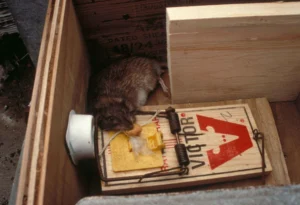
This happens when the bar strikes the back of the neck or the base of the skull. The impact severs the spinal cord or causes massive brain trauma.
You’ll know it worked right if you find the rat completely still with the bar across its neck. There won’t be any signs of struggle like scratches or disturbed bait.
When Things Don’t Go as Planned
The problem is that rats don’t always approach traps the exact same way. Sometimes they come from an angle that puts their body in the wrong position when the trap goes off.
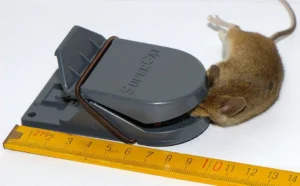
If the bar catches the rat across its back or side instead of the neck, the rat might be injured but not killed. It could be paralyzed, bleeding, or in shock, but still alive.
Some rats are only partially caught. The bar might clip them and they escape, or they might get stuck but not hit hard enough to die instantly.
Factors That Affect Instant Kill Rate
The size of the rat matters a lot. Smaller rats are more likely to be killed instantly because the force of the trap is more than enough for their body size.
Larger rats, especially ones close to 1.5 pounds or bigger, might not be killed as cleanly. The trap has enough force, but if the rat is big enough, it might survive the initial impact.
The type and quality of the trap also matters. Cheap, low-quality traps with weak springs are less likely to kill instantly than heavy-duty traps with strong springs.
Different Types of Snap Traps
The classic wooden Victor trap is what most people think of when they hear “rat trap.” These work well when they’re fresh, but the wood can warp over time and affect how the trap functions.
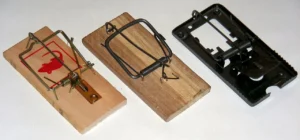
Plastic snap traps are more durable and weather-resistant. Many have a design that’s supposed to improve the kill rate by positioning the rat’s head in the right spot when the trap triggers.
Heavy-duty metal traps have the strongest springs and the fastest strike. These probably have the highest instant kill rate, but they’re also the most dangerous to set.
Where You Place the Trap Matters
Even the best trap won’t kill instantly if it’s not placed correctly. Rats travel along walls and edges, so your trap should be perpendicular to the wall with the trigger end facing the wall.
This makes the rat walk straight into the trigger, putting its head in the strike zone. If the trap is parallel to the wall, the rat might approach from the side and get caught on the body.
Distance from the wall also matters. Too far away and rats might just walk around it. Too close and they might be able to snatch the bait without putting their head in position.
How Bait Placement Affects the Kill
The bait needs to be positioned so the rat has to reach over the trigger to get it. This naturally puts the rat’s head and neck in the path of the strike bar.
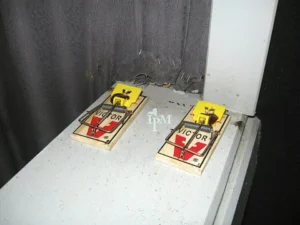
If you put too much bait on the trigger or smear it in the wrong spot, the rat might be able to lick it off from a safer angle. Then the trap goes off, but the rat isn’t in position to be killed.
A small dab of peanut butter right on the trigger plate works best. The rat has to commit to reaching for it, which puts it in the kill zone.
What Happens When the Kill Isn’t Instant
If a rat is caught but not killed instantly, it’ll struggle and try to escape. Sometimes the rat drags the trap with it before dying from injuries.
You might find the rat still alive when you check the trap. It could be in shock, paralyzed from the waist down, or bleeding from the mouth or nose.
This is the worst-case scenario because now you have to decide what to do with an injured, suffering animal. Most people euthanize it, but that’s not easy for everyone.
Signs That a Trap Worked Properly
A clean kill leaves the rat motionless with the trap bar across its neck or head. There’s usually very little blood, and the body is still in or near the trap.
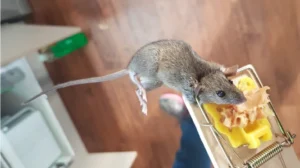
The area around the trap won’t be disturbed much. A rat that died instantly doesn’t have time to thrash around and make a mess.
If you find the trap sprung with no rat and no blood, the rat probably managed to escape. It might be injured somewhere else in your home.
Electronic Traps vs. Snap Traps
Electronic rat traps deliver a high-voltage shock that’s supposed to kill in less than 10 seconds. The rat enters a chamber, steps on metal plates, and gets electrocuted.
These are generally more reliable for instant kills than snap traps because there’s less room for error. Once the rat is in the chamber, it’s getting shocked.
The downside is cost. Electronic traps run $30 to $60 or more, while snap traps cost just a few dollars. But if instant kills are your priority, electronic might be worth it.
Comparing to Other Trap Types
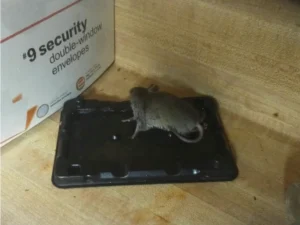
Glue traps never kill instantly. Rats stuck to glue traps die slowly from stress, exhaustion, and dehydration over hours or days.
Live catch traps don’t kill at all. They capture the rat alive, which means you have to decide what to do with it afterward.
Poison baits also don’t kill instantly. Most rat poisons take several days to kill, and the rat suffers the whole time.
Setting the Trap for Best Results
When you set a snap trap, make sure the trigger is sensitive enough to go off when touched, but not so sensitive it triggers from vibration or wind.
The bait should be fresh and smelly. Old dried-out peanut butter won’t attract rats as well, so they’re less likely to commit to reaching for it.
Place multiple traps in the same area. This increases your chances of getting a clean kill because the rat might approach from different directions on different nights.
Safety Concerns When Using Snap Traps
These traps are powerful enough to break a rat’s neck, which means they can hurt you too. Always be careful when setting them.
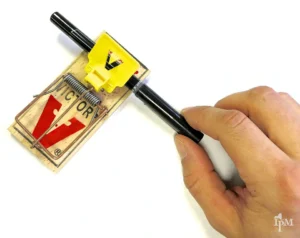
Keep your fingers away from the strike bar when the trap is set. Use a pencil or stick to position the trigger if you need to adjust anything.
If you have pets or small children, place traps in areas they can’t access. A cat or small dog could get seriously injured if they trigger a rat trap.
Checking Traps Regularly
Even if you think the trap kills instantly, you should still check traps at least twice a day. This ensures you remove dead rats before they start to smell.
It also means if a rat is caught but not dead, you can deal with the situation quickly instead of letting it suffer.
Regular checking also lets you reset successful traps right away, maximizing your chances of catching multiple rats if you have an infestation.
What to Do If You Find a Live Rat in a Trap
If you find a rat that’s caught but still alive, you need to euthanize it as humanely as possible. The fastest way for most people is a sharp blow to the head.
This isn’t pleasant, but it’s better than leaving the rat to die slowly from its injuries. You can use a heavy stick or hammer, making sure the blow is hard enough to be lethal.
If you can’t do it yourself, you can call animal control in some areas. They may come euthanize the rat for you, though policies vary.
Improving Your Success Rate
Using high-quality traps with strong springs gives you the best chance of instant kills. Don’t cheap out on $1 traps if you want reliable results.
Fresh traps also work better than old ones. If you’ve been using the same traps for years, the springs might be weaker than when they were new.
Learning from each catch helps too. If you keep finding rats caught on the body instead of the neck, adjust your trap placement or bait position.
The Reality of “Humane” Pest Control
No method of killing animals is perfectly humane 100% of the time. Even the best snap traps fail to kill instantly in some cases.
But snap traps are still considered one of the more humane options when you need to kill rats. They’re certainly better than poison or glue traps in terms of minimizing suffering.
The goal is to choose the method that causes the least suffering most often, and snap traps fit that description when used correctly.
When Professional Help Makes Sense
If you’re not comfortable with the possibility of finding injured rats or having to euthanize them yourself, call a professional pest control service.
Professionals have experience with proper trap placement and use high-quality equipment. They also handle all the unpleasant parts of checking and disposing of caught rats.
The cost is higher, but you don’t have to deal with the emotional or physical aspects of rat control yourself.
Prevention Is Better Than Trapping
The most humane way to deal with rats is to keep them out in the first place. Seal holes in your foundation, roof, and walls to block entry points.

Remove food sources by storing food in sealed containers and cleaning up crumbs and spills immediately. Rats won’t stick around if there’s nothing to eat.
Fix water leaks and remove standing water sources. Rats need water more than food, so eliminating water access is really effective.
Understanding Rat Behavior
Rats are cautious animals that tend to avoid new objects in their environment. This is called neophobia, and it’s why rats might avoid freshly set traps for a few days.
They’re also smart enough to learn from watching other rats. If one rat gets caught, others might become more cautious around traps.
This means your first few traps might be your most successful. As rats learn to avoid them, your success rate may drop over time.
Conclusion
A properly set snap trap can kill a rat instantly, but this only happens about 60-70% of the time under ideal conditions.
When the trap strikes the rat’s neck or head correctly, death is immediate and the animal doesn’t suffer. However, factors like trap quality, placement, rat size, and approach angle all affect whether you get a clean, instant kill.
For the most humane results, use high-quality traps with strong springs, place them correctly along rat travel paths, and position bait to ensure the rat’s head is in the strike zone.
Check traps at least twice daily so you can quickly deal with any rats that are caught but not killed instantly.
While snap traps aren’t perfect, they’re still one of the better options for humane rat control when compared to methods like poison or glue traps that cause prolonged suffering.
If you want even more reliability, electronic traps offer a higher instant kill rate, though at a higher price.

Hi, my name is Ezra Mushala, i have been interested animals all my life. I am the main author and editor here at snakeinformer.com.