
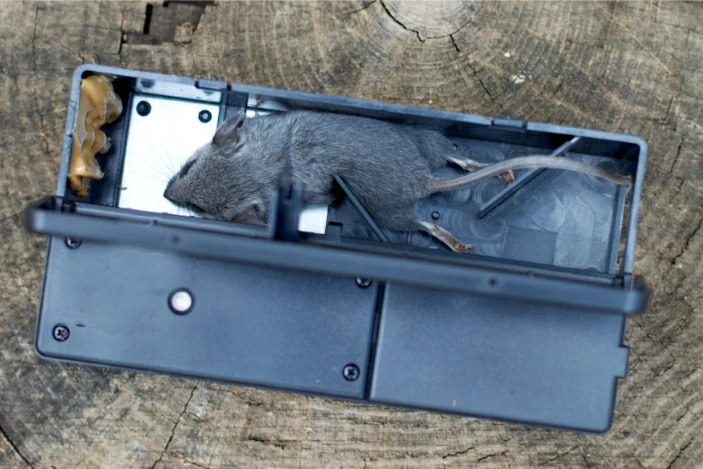
Rat trap boxes are commonly used in homes, businesses, and outdoor areas to catch rats without exposing the trapping mechanism to people, pets, or non-target animals.
If you’ve seen these black or green plastic boxes around and wondered what’s going on inside, you’re not alone. How does a rat trap box work?
A rat trap box is a protective housing that contains a snap trap, glue trap, or bait station inside. Rats enter through small holes on the sides, access the trap or poison bait inside, and either get caught or consume the bait. The box keeps children and pets from accessing the trap while allowing rats to enter freely.
These boxes serve multiple purposes beyond just holding a trap.
They protect the mechanism from weather, hide dead rats from view, and make your pest control efforts safer and more discreet.
What’s Actually Inside a Rat Trap Box?
The box itself is just a container. What actually catches or kills the rat is what you put inside it.
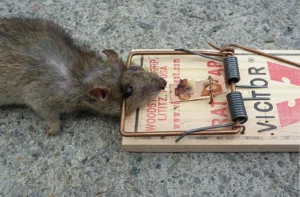
Most commonly, people use snap traps inside these boxes. The snap trap sits in the middle, and when a rat enters and steps on the trigger plate, the spring-loaded bar snaps down and kills it.
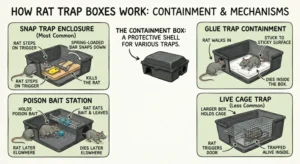
Some boxes are designed to hold glue traps instead. The rat walks in, steps on the sticky surface, and gets stuck. It can’t escape and eventually dies inside the box.
Bait stations are another type of rat trap box, but they work differently. Instead of catching the rat, they hold poisoned bait that the rat eats and then leaves. The rat dies later, usually somewhere else.
You can also use cage traps (live traps) in some larger boxes, though this is less common. The rat enters, triggers the door mechanism, and gets trapped alive inside.
How Rats Enter the Trap Box
Rat trap boxes have entrance holes on the sides, usually two or more. These holes are sized specifically for rats, typically 2 to 3 inches in diameter.
The holes are big enough for rats to squeeze through comfortably but small enough to keep out larger animals like cats or dogs. This is one of the main safety features.
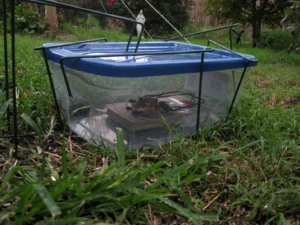
Rats naturally look for small openings and enclosed spaces. In the wild, they live in burrows and prefer tight areas where they feel protected. The entrance holes mimic these natural openings.
Once a rat smells food or bait near the box, it’ll investigate the entrance. Rats follow walls and edges when they move around, so placing the box with the entrance against a wall makes it more likely they’ll find it.
The rat enters cautiously at first, checks things out, and then moves toward the bait. If it feels safe, it’ll go all the way in to reach the food.
Why the Box Design Keeps Pets and Kids Safe
The main reason for using a box is safety. Without it, a snap trap sitting out in the open could hurt a curious child or pet.
The entrance holes are too small for most dogs or cats to get their heads through. Even if they can reach a paw inside, they usually can’t reach far enough to trigger the trap.
Young children can’t easily open most trap boxes either. Many designs have locks or latches that require adult strength and dexterity to open.
This means you can place traps in areas where kids and pets are around without worrying as much about accidents. The box acts as a barrier between the dangerous mechanism and anyone who shouldn’t be touching it.
For bait stations with poison inside, this is especially important. You don’t want pets or children accessing toxic rodenticide, and the box prevents that.
The Path from Entrance to Trap
Inside the box, there’s usually a clear path from the entrance hole to where the trap sits. Rats follow this path because it’s the most obvious route to the bait.
Some boxes have internal baffles or walls that guide the rat in a specific direction. This helps position the rat correctly so it steps on the trigger plate when it reaches the bait.
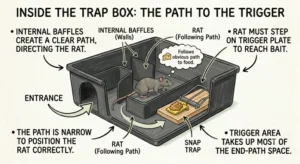
The bait itself is placed either on the trap’s trigger mechanism or just beyond it. When the rat reaches for the food, it has to step on the trigger, which sets off the trap.
With glue traps, the entire floor of the path might be sticky, so the rat gets caught as soon as it walks far enough inside. It doesn’t need to reach specific bait.
Good trap box designs make it almost impossible for a rat to reach the bait without triggering the trap. The path is narrow, and the trigger area takes up most of the space.
How the Box Protects the Trap from Weather
When you use traps outdoors, rain, snow, and moisture can ruin them. Water can rust metal parts on snap traps, wash away bait, or make glue traps lose their stickiness.
The box provides a roof and walls that keep the trap dry. Even in heavy rain, the inside stays relatively protected because the entrance holes are on the sides, not the top.
This means your traps keep working even in bad weather. You don’t have to replace them as often or worry about them failing when you need them most.
Temperature protection is another benefit. Extreme heat or cold can affect how traps work. Glue becomes less sticky in cold weather, and metal parts can contract or expand with temperature changes.
The box moderates these temperature swings somewhat, keeping the internal environment more stable than it would be completely exposed.
Monitoring and Checking Your Trap Box
Most trap boxes are designed so you can open them to check if you’ve caught anything. There’s usually a lid on top that lifts off or hinges open.
You should check your boxes regularly, ideally every day if possible. A dead rat will start to smell after a while, and you want to remove it before that happens.
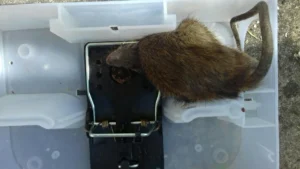
When you open the box, you can see right away if the trap has been triggered. With snap traps, the bar will be down. With glue traps, you’ll see the rat stuck to the surface.
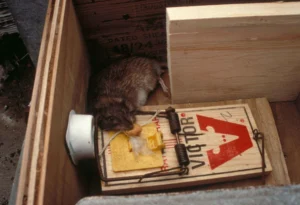
If the trap hasn’t caught anything but the bait is gone, the rat might have been smart enough to steal it without getting caught. This happens sometimes with experienced rats.
You’ll need to reset the trap or add more bait and try again. Some rats are more cautious than others and need several exposures to the box before they’ll fully enter.
Bait Stations vs. Trap Boxes: The Difference
People often confuse bait stations with trap boxes, but they work differently. A bait station holds poison bait, not traps.
When a rat enters a bait station, it eats the poison and then leaves. The poison takes time to work, usually a day or more, and the rat dies somewhere else.
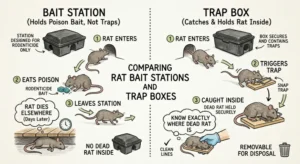
This means you won’t find dead rats inside the bait station. You might find them in other areas of your property as the poison takes effect.
Trap boxes, on the other hand, are designed to catch and hold the rat. Whether you’re using a snap trap, glue trap, or cage trap, the rat ends up stuck or dead inside the box.
The advantage of trap boxes is that you know exactly where the dead rat is. You can remove it and dispose of it properly instead of having rats die in your walls or under your house.
Placement Strategies for Maximum Success
Where you put your trap box matters as much as what’s inside it.
Rats travel along walls and edges, so placing boxes against walls is more effective than putting them in the middle of a room.
Look for signs of rat activity like droppings, gnaw marks, or greasy rub marks along baseboards.
These tell you where rats are traveling, and those are the best spots for trap boxes.
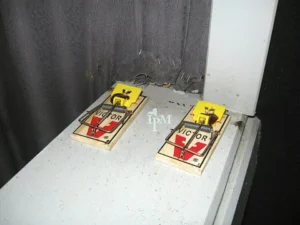
Corners are particularly good locations. Rats often turn corners as they follow walls, and a box placed right at the corner intercepts them perfectly.
Keep the entrance holes facing the direction rats are likely to come from. If you see a trail along a wall, position the box so the entrance is along that path.
Avoid placing boxes in areas with a lot of human traffic. Rats are cautious and won’t approach a box if there’s constant activity nearby.
Quiet, undisturbed spots work best.
How Long It Takes for a Rat to Enter
Rats don’t always enter a trap box right away. They’re naturally suspicious of new objects in their environment, a behavior called neophobia.
It might take several days for a rat to feel comfortable enough to enter the box. During this time, they’ll approach it, smell around it, and maybe even peek inside, but they won’t commit.
You can speed this up by placing the box a few days before you actually set the trap. Let the rats get used to seeing it and smelling it. Some people even put bait inside without setting the trap at first.
Once the rats are comfortable entering and taking the bait without danger, then you set the actual trap. This technique is called pre-baiting, and it works really well with cautious rats.
Young rats are less cautious than adults and will often enter boxes more quickly. But older, experienced rats that have survived previous traps are much more careful.
Cleaning and Maintaining Your Trap Box
After you’ve caught a rat, you need to clean the box before using it again. Dead rats leave behind blood, urine, and scent that will warn other rats away.
Remove the dead rat and the trap. Dispose of the rat according to your local regulations (usually wrapped in plastic and thrown in the trash).
Spray the inside of the box with a disinfectant solution. A mixture of bleach and water (one part bleach to nine parts water) works well for killing bacteria and eliminating odors.
Wipe down all the surfaces inside the box with paper towels. Pay attention to corners and crevices where blood or tissue might collect.
Let the box air out and dry completely before putting a new trap inside and setting it up again. This removes any lingering scent that might deter other rats.
Different Types of Trap Boxes Available
Trap boxes come in various sizes and designs. Small boxes are designed for mice and young rats, while larger boxes can handle full-grown Norway rats, which can be quite big.
Some boxes are made from heavy-duty plastic that holds up well to weather and rough handling. Others are made from metal, which is even more durable but also more expensive.
Lockable boxes have keys or combination locks to prevent tampering. These are important if you’re placing boxes in public areas or anywhere children might be around.
Disposable boxes are also available. These are cheaper, lighter-weight options that you throw away after catching a rat instead of cleaning and reusing.
Professional-grade boxes used by pest control companies tend to be more expensive but more durable. They’re built to last for years of heavy use.
Using Multiple Boxes for Better Results
If you’re dealing with a serious rat problem, one trap box probably isn’t enough. Rats reproduce quickly, and there are likely multiple rats in the area.
Setting up several boxes in different locations increases your chances of catching rats. You’re covering more of their territory and intercepting them in multiple spots.
Place boxes anywhere you see signs of activity. Don’t just rely on one or two locations. The more traps you have out, the faster you’ll reduce the rat population.
Check all your boxes on the same schedule. If you’re checking daily, make the rounds to all of them. This helps you see patterns in where rats are most active.
You might find that some locations catch rats consistently while others never do. This tells you where the main travel routes are and where you should focus your efforts.
When to Call a Professional Instead
If you’ve been using trap boxes for several weeks without catching anything, or if you’re catching rats but the problem doesn’t seem to be getting better, it might be time for professional help.
Pest control professionals have access to stronger tools and more effective strategies than what’s available to homeowners. They can also identify entry points and seal them to prevent new rats from entering.
Large infestations are hard to handle on your own. If you’re dealing with dozens of rats, professional treatment is usually more cost-effective than buying endless supplies and spending all your time managing traps.
Professionals also know how to use poison baits safely and legally. In many areas, there are restrictions on what types of rodenticides homeowners can use, but licensed pest control companies have access to professional-grade products.
If rats are getting into your walls or attic, professionals have the tools and experience to trap them in those hard-to-reach areas without causing damage to your home.
Conclusion
Rat trap boxes work by providing a safe, weatherproof container for traps or bait stations. Rats enter through small holes on the sides, access the trap or poison inside, and either get caught or consume toxic bait.
The box protects children and pets from accessing dangerous mechanisms while still allowing rats to enter freely.
These boxes make pest control safer and more effective, especially in areas where people and pets are present. They protect traps from weather damage, hide dead rats from view, and help position traps in the most effective locations.
By understanding how trap boxes work and using them correctly, you can manage rat problems more successfully while keeping your household safe. Place them strategically, check them regularly, and maintain them properly for the best results.

Hi, my name is Ezra Mushala, i have been interested animals all my life. I am the main author and editor here at snakeinformer.com.