
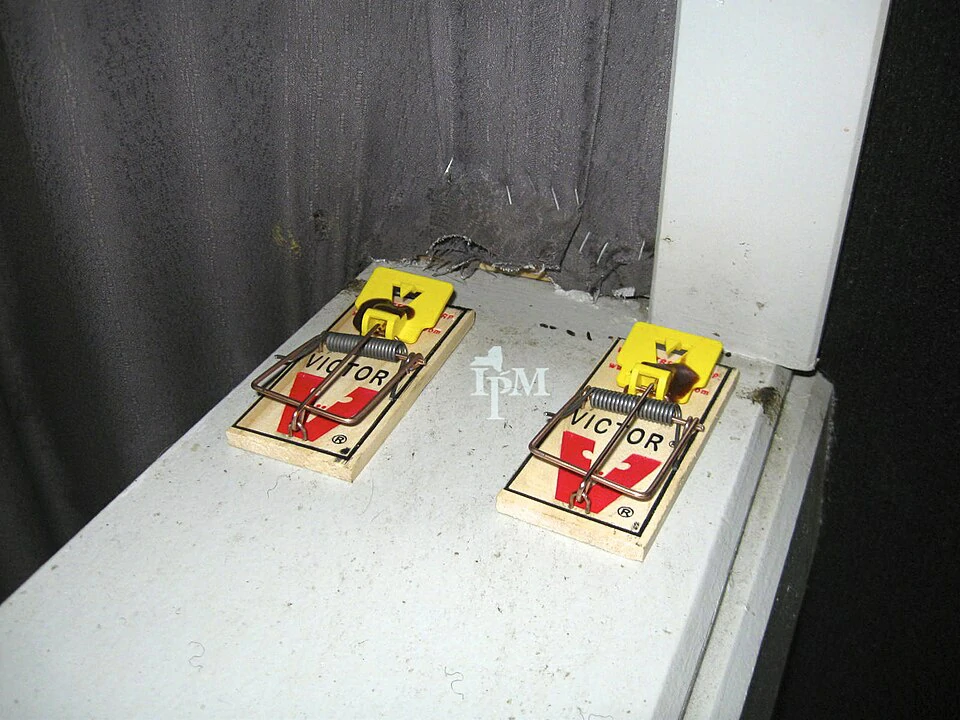
Rat traps are spring-loaded devices that need a certain amount of pressure or movement to trigger. If you’ve ever set one up and heard it snap shut when you weren’t around, you might be wondering what caused it. Can a rat trap go off by itself?
Yes, rat traps can go off by themselves due to vibrations, temperature changes, poor setup, or a sensitive trigger mechanism. Even small movements like someone walking nearby, a door closing, or the house settling can set off a trap that’s been wound too tight or placed on an unstable surface.
While it might seem like the trap just randomly decided to snap, there’s always a reason behind it. Let’s look at why this happens and what you can do to prevent it.
Why Rat Traps Go Off Without Catching Anything
The most common reason a rat trap goes off by itself is vibrations. When you set a trap, the spring is under a lot of tension and the trigger bar is barely holding it in place.
Any small shake or movement can be enough to release it. This could be someone walking across the floor, a door slamming, or even heavy traffic outside if you live near a busy road.
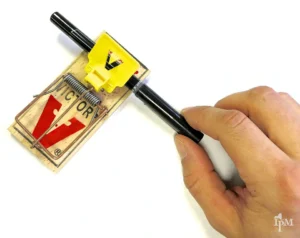
Temperature changes can also cause traps to go off. Metal expands and contracts as it heats up or cools down, and this tiny movement can shift the trigger mechanism just enough to release the spring.
You’ll notice this more in places like garages or attics where temperatures swing a lot between day and night. The metal parts of the trap adjust to these changes, and sometimes that’s all it takes.
How Sensitive Trigger Mechanisms Cause False Snaps
Some rat traps are designed to be very sensitive so they’ll catch even the lightest, most careful rats. But this sensitivity can work against you when there’s no rat around.
If the trigger plate (the part where you put the bait) is set too sensitive, even air currents can set it off. A strong breeze from an open window, the AC kicking on, or someone walking past quickly can create enough air movement to trigger it.
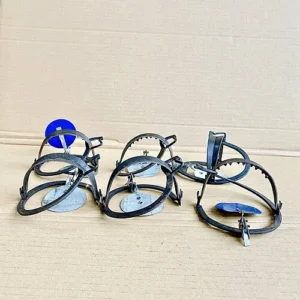
Snap traps with hair-trigger mechanisms are especially prone to this. The bar that holds the spring back is barely catching, so it doesn’t take much to knock it loose.
Some cheaper traps are also just poorly made. The parts don’t fit together quite right, or the metal is too thin and bends easily, making the whole thing unstable.
Poor Trap Placement and Setup Issues
Where you put your trap matters a lot. If you set it on an uneven surface, it’s already unstable before anything even touches it.
The trap might rock slightly, and that movement alone can cause it to snap. Hard floors are better than soft surfaces like carpets or rugs, which can shift and move.
How you set the trap also plays a big role. If you wind the spring bar back too far or don’t position the trigger bar correctly, you’re basically creating a trap that’s ready to go off at the slightest touch.
When you’re setting it up, the trigger should catch firmly but still be sensitive enough to work when a rat steps on it. Finding that balance takes practice, and if you rush through it, you’ll end up with traps that fire randomly.
Vibrations from Household Activity
Your house is constantly moving in small ways you don’t notice. People walking around, appliances running, doors opening and closing – all of this creates vibrations that travel through the floor and walls.
Rat traps are sitting right there on the floor, picking up all these tiny shakes. If the trap is already set at maximum tension, it doesn’t take much to push it over the edge.
Heavy footsteps are a common trigger. If you set a trap in a hallway or near a doorway where people walk frequently, you’re more likely to find it snapped shut with no rat in it.
Even things like a washing machine running, a dishwasher going through its cycle, or someone exercising upstairs can create enough vibration to set off a sensitive trap.
Temperature and Humidity Effects on Trap Mechanisms
Metal parts expand when they get warm and contract when they cool down. This is basic physics, but it really affects how rat traps work.
When you set a trap in the evening and the temperature drops overnight, the metal parts shrink slightly. This can change how tightly the trigger bar is holding the spring, and sometimes it changes just enough to let it slip.
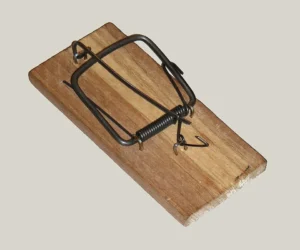
The same thing happens in reverse when temperatures rise. If you set a trap in a cool basement and then the sun warms the house during the day, the expanding metal can shift the mechanism.
Humidity also plays a role, especially with wooden traps or traps that have wooden platforms. Wood absorbs moisture from the air and swells, or dries out and shrinks.
This movement can affect how the trigger mechanism sits and how much pressure it takes to release it. In very humid environments, you might notice traps going off more often.
Old or Worn Out Trap Components
Rat traps don’t last forever. The more you use them, the more worn out the parts become.
The spring loses some of its tension over time. The metal gets bent slightly out of shape from repeated use, and the catch mechanism wears down.
When these parts are worn, they don’t fit together as precisely as they should. The trigger bar might not catch as firmly, making it easier for the trap to go off accidentally.
Rust is another issue. If you store traps in damp areas like basements or garages, the metal can rust, which makes the moving parts stick or creates rough spots that catch differently than they should.
If you’re reusing old traps and they keep going off by themselves, it might be time to replace them. New traps work more reliably and won’t waste your time with false snaps.
How Wind and Air Currents Trigger Traps
You might not think about it, but air movement can definitely set off a rat trap. When you place a trap near a window, vent, or doorway, you’re putting it in the path of air currents.
A sudden gust of wind from an open window can push against the trigger plate or the bait you’ve placed on it. If the bait is light (like a piece of bread or a dab of peanut butter on paper), the wind can move it just enough to trigger the mechanism.
HVAC systems create strong air currents when they turn on. If a vent is blowing directly at a trap, that rush of air might be enough to set it off, especially if the trap is already very sensitive.
Even ceiling fans can create enough downward air pressure to affect a trap that’s set nearby. The constant movement of air pushes down on the trigger plate little by little until it finally releases.
The Role of Pets and Other Animals
If you have pets, they might be setting off your traps without you realizing it. Dogs and cats are curious, and they’ll investigate anything new you put down.

A dog walking past might brush the trap with its tail or paw. A cat might bat at it, trying to figure out what it is. Even if they don’t get caught, they can trigger it.
Other animals can also be the culprit. If you’re dealing with rats, you probably have mice too. Mice are lighter and faster than rats, so they can sometimes trigger a rat trap and jump away before it snaps.
Insects can also play a role. If you put bait on a trap and leave it overnight, ants might swarm it. Their combined weight and movement across the trigger plate can sometimes be enough to set it off.
How to Prevent Traps from Going Off Accidentally
The best way to stop traps from going off by themselves is to place them carefully. Put them on flat, stable surfaces away from high-traffic areas.
Avoid placing them near doors, windows, or vents where vibrations and air currents are strongest. Inside cabinets, along walls, or in corners are usually better spots.
When you’re setting the trap, don’t wind the spring back too tight. It should have good tension, but not so much that it’s barely holding. Take your time with the trigger mechanism and make sure it’s catching properly.
Test the trap before you walk away. Give the surface it’s sitting on a light tap or bump to see if it goes off. If it does, adjust the trigger and try again.
Using fresh traps also helps. If you’re constantly dealing with traps that go off randomly, check if they’re old or damaged. Sometimes it’s worth spending a few dollars on new ones.
When a Trap Going Off Might Mean You Caught Something
Just because a trap went off doesn’t always mean it was random. Sometimes rats are smart enough to steal the bait without getting caught.
They’ll approach carefully, grab the food, and jump back before the trap snaps. You’ll come back to find the trap sprung and the bait gone, which looks like it went off by itself.

Larger rats can also trigger a trap and escape if the trap isn’t positioned right. If the trap is at an angle or not flush against the wall, a rat might step on it partially and get away when it snaps.
You might also have caught something very small, like a mouse or a large insect, that got flung out when the trap snapped. Check around the trap for any signs that something was actually caught.
Different Trap Types and Their Sensitivity Levels
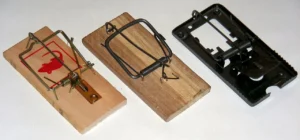
Not all rat traps are created equal when it comes to sensitivity. Traditional wooden snap traps with metal bars are usually less sensitive than modern plastic traps.
The wooden ones have been around forever and tend to be pretty stable. They need a decent amount of pressure to trigger, so they don’t go off as easily from vibrations or air movement.
Plastic snap traps often have more sensitive triggers because they’re designed to catch rats that are cautious about new objects. This makes them more effective, but also more likely to snap without catching anything.
Electronic traps don’t have this problem since they use sensors instead of mechanical triggers. They’re more expensive, but you won’t deal with false triggers as much.
Glue traps and cage traps don’t “go off” at all, so if you’re tired of dealing with snap traps firing randomly, these might be better options for you.
What to Do When Your Trap Keeps Going Off
If you’ve got a trap that keeps snapping shut with nothing in it, first try moving it to a different location. Sometimes just getting it away from a source of vibration or air current solves the problem.
Check the trap itself for damage. Look at the spring, the trigger bar, and the catch mechanism. If anything looks bent, rusty, or worn, replace the trap.
Try adjusting how you set it. Don’t pull the spring bar back quite as far, and make sure the trigger bar is catching firmly. It might take a few tries to find the right balance.
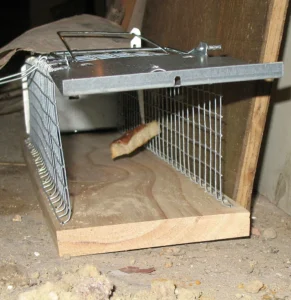
You can also try a different type of trap entirely. If snap traps aren’t working for your situation, cage traps or electronic traps might be better suited to your environment.
Keep notes on which traps are going off and where they’re located. If you notice a pattern (like traps in one room always going off but traps in another room working fine), that’ll help you figure out what’s causing it.
Conclusion
Rat traps can definitely go off by themselves, and it’s usually because of vibrations, temperature changes, air currents, or sensitivity issues with the trap mechanism. Where you place the trap and how you set it makes a big difference in whether it’ll work properly or just snap randomly.
If you’re dealing with traps that keep going off without catching anything, try moving them to more stable locations away from doors, windows, and heavy foot traffic. Make sure you’re setting them correctly and that the parts aren’t worn out or damaged.
Sometimes switching to a different type of trap solves the problem entirely. The goal is to catch rats, not waste time resetting traps that fire for no reason, so don’t be afraid to try different approaches until you find what works in your home.

Hi, my name is Ezra Mushala, i have been interested animals all my life. I am the main author and editor here at snakeinformer.com.