
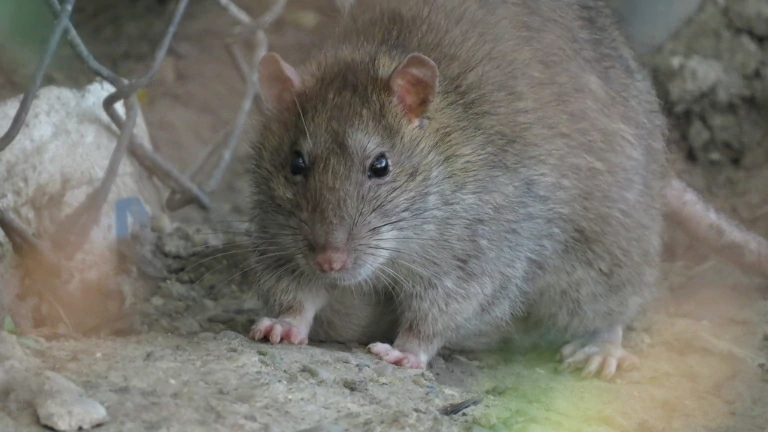
Every Halloween, you’ll see rats showing up in decorations, haunted houses, and spooky displays. They’re right there with ghosts, witches, and skeletons as classic Halloween imagery. But why are rats associated with Halloween?
Rats are associated with Halloween because they’re connected to death, disease, and decay in people’s minds. This connection comes from the Black Death (bubonic plague) in medieval Europe where rats were blamed for spreading the disease that killed millions. They’re also linked to graveyards, old buildings, witches, and darkness – all things that fit Halloween’s spooky themes. Their appearance in scary movies and horror stories made this connection even stronger over time.
The rat’s role in Halloween isn’t just random. It’s based on centuries of fear, superstition, and cultural stories that turned these animals into symbols of everything creepy and unsettling.
The Black Death and Rats’ Reputation
The biggest reason rats got associated with death and horror is the bubonic plague, also called the Black Death.
This disease killed about one-third of Europe’s population between 1347 and 1353, which was absolutely devastating.
People at the time noticed that rats seemed to be everywhere the plague struck. Dead rats would appear in streets before people started dying.
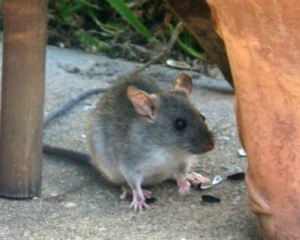
Rats were living in the same filthy, crowded conditions as the human victims, and they died from the plague too.
For centuries, people believed rats directly caused the plague by spreading it through their bites or by contaminating food.
We now know the real story was more complicated (fleas that lived on rats carried the bacteria), but the damage to rats’ reputation was already done.
This association between rats and mass death became deeply embedded in European culture. Rats weren’t just pests, they were symbols of disease, suffering, and death itself.
This made them perfect for Halloween, which celebrates all things spooky and morbid.
Rats and Their Connection to Graveyards
Rats have long been associated with cemeteries and burial grounds, which adds to their creepy Halloween image. This connection is based on real behavior that people found disturbing.
In older times, especially before modern burial practices, graveyards weren’t always well-maintained. Rats would burrow in the soft earth and sometimes disturb graves.

People would see rats coming out of burial areas, which created horror stories about rats eating corpses.
While rats generally prefer fresher food sources, they are scavengers and will eat whatever’s available.
The idea of rats in graveyards, near the dead, made people view them as creatures that crossed the boundary between life and death.
This graveyard connection made rats natural additions to Halloween decorations.
Haunted graveyards are classic Halloween scenes, and rats fit perfectly into this setting. They’re the creatures that lurk in the shadows among the tombstones.
The Link Between Witches and Rats
In medieval times and during the witch trial era, rats (along with cats, toads, and crows) were considered “familiars” (animals that witches supposedly kept as magical helpers or that the devil sent to serve witches).
This belief came partly from the fact that poor, isolated women (who were often accused of being witches) would sometimes keep rats as companions.
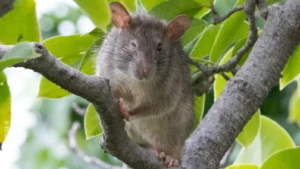
In those times, a lonely old woman with rats in her cottage seemed suspicious to her neighbors.
Rats were also seen as unclean animals, and anything unclean was associated with the devil in Christian medieval thinking.
The idea that witches would have rats as pets or servants fit perfectly with how people viewed both witches and rats.
Since witches are one of the main symbols of Halloween, their association with rats brought rats into Halloween imagery too.
You’ll often see Halloween witches depicted with rats on their shoulders or crawling around their feet, alongside the more famous black cats.
How Rats Became Symbols of Decay and Abandoned Places
Rats thrive in abandoned buildings, ruins, and decaying structures. This behavior has made them symbols of neglect, decay, and places humans have left behind( all things that feel spooky and unsettling).
When a building gets old and falls apart, rats are often among the first animals to move in. They nest in the walls, create tunnels through the debris, and make these forgotten places their home.
This means finding rats is a sign that a place has been abandoned.
Haunted houses (a major Halloween theme) are almost always shown with rats. The presence of rats signals to us that this building is old, neglected, and possibly dangerous.
It adds to the atmosphere of decay and wrongness.
The sounds rats make (scratching, squeaking, and scurrying) are perfect for creating scary atmospheres. These noises in the dark, in the walls, or above the ceiling trigger fear in most people.
Halloween haunted houses use these sounds (real or recorded) to scare visitors.
Rats in Horror Movies and Literature
Horror fiction and movies have used rats for decades to create fear and disgust. This has reinforced their place in Halloween culture and made them even more connected to scary imagery.
Stephen King has used rats in several horror stories. In “Graveyard Shift,” giant rats in a mill basement terrorize workers. In “The Stand,” rats appear as harbingers of the plague that wipes out humanity. These stories tapped into people’s existing fears of rats.
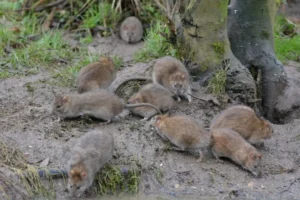
Movies like “Willard” (1971) and its remake made rats into actual horror villains (trained swarms of rats that attack people). The image of being overwhelmed by hundreds of rats is a common nightmare scenario.
Rats also appear as background elements in countless horror films. They scurry across the floor in haunted houses, crawl over vampires’ coffins, and lurk in serial killers’ basements. They’re visual shorthand for “this place is evil and dangerous.”
Even kids’ Halloween content includes rats. Goosebumps books, Are You Afraid of the Dark episodes, and other youth horror regularly featured rats as spooky elements. This taught new generations to associate rats with fear and Halloween.
The Physical Appearance of Rats
The way rats look contributes to why they fit Halloween aesthetics. Their appearance triggers disgust and fear in many people, which makes them perfect for spooky decorations.
Rats have long, hairless tails that many people find disturbing. This tail looks snake-like and alien. It’s completely different from the fluffy tails of squirrels (which people find cute) even though squirrels are basically tree rats.
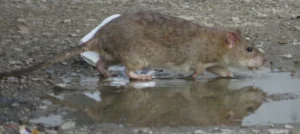
Their teeth are prominent and keep growing throughout their lives. Rats have to constantly gnaw on things to keep their teeth filed down. These visible, sharp teeth make them look aggressive and threatening.
Rats have dark, beady eyes that can catch light in the dark, creating an eerie glowing effect. In horror imagery, these glowing eyes peering out from shadows are instantly recognizable and unsettling.
Their quick, darting movements also add to the creepy factor. Rats move in sudden bursts, appearing and disappearing in flashes. This unpredictable movement pattern keeps people on edge, never knowing when or where a rat will show up next.
Rats as Disease Carriers in Popular Imagination
Beyond just the plague, rats have a reputation (partly deserved, partly exaggerated) for carrying all kinds of diseases. This adds to their scary, dangerous image for Halloween.
Rats can carry diseases like leptospirosis, hantavirus, and salmonella. They can also have fleas, ticks, and mites that spread illness. This is real, though the actual risk from rats is often overstated.
But popular culture has blown this danger way out of proportion. Movies and TV often show a single rat bite as potentially deadly.
Haunted houses and horror stories use diseased rats as biological weapons or signs of contamination.
This association with disease and contamination makes rats perfect for Halloween’s focus on death and danger. They’re not just scary.
They’re genuinely harmful in people’s minds, which makes them more frightening than purely supernatural threats.
The Victorian Era and Rat Folklore
The Victorian era (1800s) was obsessed with death, mourning, and the macabre. This time period created a lot of the spooky folklore and traditions that eventually became part of Halloween.
Victorians told ghost stories and scary tales as entertainment, especially around dark winter nights. Rats appeared frequently in these stories as omens of death or as creatures that appeared before disasters.
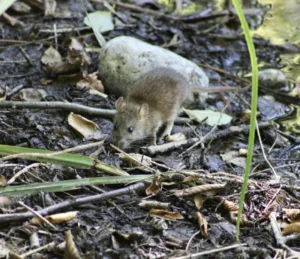
There were urban legends about giant rats in London’s sewers and about rats attacking sleeping babies. These stories spread fear and disgust, making rats seem even more monstrous than they really were.
The Victorian fascination with spiritualism, death, and the supernatural also included rats. Some believed seeing a rat was a bad omen or that rats could sense death coming.
These superstitions added mystical, supernatural qualities to rats beyond just being physical threats.
How Halloween Decorations Use Rat Imagery
Modern Halloween decorations have fully embraced rats as essential spooky elements. You can find them in almost every Halloween store and catalog.
Fake rubber rats are everywhere during Halloween season. They’re used in haunted houses, scattered on party tables, and hidden in trick-or-treat bowls to scare kids. Some are realistic, while others are cartoonishly creepy.
Animated rat decorations have become popular too. These battery-powered or mechanical rats move, make sounds, and even have glowing eyes.
They’re designed to startle people when they activate.
Rats appear on Halloween costumes, often as accessories for witch, mad scientist, or villain costumes. A fake rat on someone’s shoulder instantly makes their costume creepier.
Even Halloween food gets the rat treatment. Rat-shaped cookies, cakes decorated with rat designs, and “rat tail” candy all play on the gross-out factor of rats for Halloween fun.
The Difference Between How Halloween Treats Rats vs. Mice
Interestingly, Halloween tends to use rats more than mice, even though they’re related animals. This choice is deliberate and based on how each animal is perceived.
Mice are often seen as cuter and less threatening than rats. Mickey Mouse, Stuart Little, and other mouse characters have made mice seem friendly and harmless in popular culture. They’re small and can be portrayed as sweet.
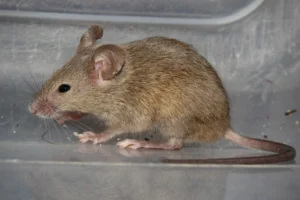
Rats are bigger, and size matters in fear. A rat is large enough to be a real threat in people’s minds, while a mouse seems too small to be truly dangerous.
Halloween wants scary, not cute, so rats win.
The word “rat” itself sounds harsher than “mouse.” Say both words out loud – “rat” is sharp and hard, while “mouse” is soft. Even the language makes rats seem more aggressive and dangerous.
That said, some Halloween content does use mice, usually for slightly less scary, more kid-friendly Halloween themes. But when decorations want to be genuinely creepy, they choose rats almost every time.
Rats in Different Cultural Halloween Traditions
Halloween as we know it in America has spread globally, but different cultures incorporate rats into their spooky celebrations in different ways.
In Mexico’s Day of the Dead (Día de los Muertos), which happens around the same time as Halloween, rats don’t feature as prominently.
This celebration is more about honoring ancestors with beauty and remembrance, not trying to scare people.
However, in Europe where the plague memories run deeper, rats appear more frequently in autumn festivals and spooky traditions. German and Eastern European Halloween-like celebrations often include rat imagery connected to old plague stories.
Asian countries that have adopted Halloween sometimes use rats differently. In Chinese culture, rats aren’t automatically negative – they’re actually the first animal in the zodiac and can represent cleverness. Halloween in these places might use rats less frequently.
The Science Behind Why Rats Actually Scare People
There’s some interesting psychology behind why many people find rats so scary, which explains why they work so well for Halloween.
Psychologists think fear of rats might be partly evolutionary. Our ancestors who avoided rats (and the diseases they could carry) survived better and passed on their genes.
This created a natural tendency to fear and avoid rats.
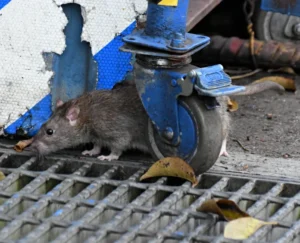
Rats also trigger disgust, which is a different emotion from fear but often goes together. Disgust evolved to keep us away from contaminated or diseased things. Rats, with their association with garbage and sewage, trigger this disgust response strongly.
The unexpected appearance of rats is part of what scares people. Rats are good at hiding and then suddenly appearing. This surprise element activates our fight-or-flight response, creating a fear reaction.
Interestingly, people who work with rats or keep them as pets rarely fear them. This shows the fear is learned and cultural, not inevitable.
But for the majority who don’t have positive rat experiences, the fear remains strong.
When Rats Are Portrayed Positively vs. Negatively
Not all rat portrayals are negative, though Halloween definitely emphasizes the scary side. Looking at when rats are shown positively helps us understand when and why they become Halloween symbols.
In children’s movies like “Ratatouille,” rats are heroes. The movie deliberately fights against rat stereotypes by making them clean, intelligent, and sympathetic.

But notice this movie doesn’t come out in October or use Halloween themes.
Pet rat communities work hard to show rats as cute, smart, and loving. But they’re fighting against centuries of negative associations. Their cute rat photos don’t appear on Halloween decorations because that’s not what Halloween is looking for.
Laboratory rats that contribute to medical research could be seen positively, but even here the “lab rat” image is sterile and experimental, not exactly friendly.
And experiments on rats make some people uncomfortable, adding another negative layer.
Halloween specifically wants the scary, gross, dangerous version of rats. It’s not interested in the reality of rats as intelligent, social animals. It wants the cultural myth of rats as creepy harbingers of disease and death.
How Realistic Are Halloween Rat Fears?
It’s worth asking whether the rats we fear on Halloween match real rats. The answer is mostly no – Halloween exaggerates rat dangers considerably.
Real rats generally avoid humans. They’re actually pretty shy and will run away rather than attack. The aggressive, swarming rats of horror movies don’t match rat behavior in reality.
While rats can carry diseases, the chances of getting sick from a random rat encounter are pretty low in modern developed countries. We have better sanitation, pest control, and medical care than medieval plague victims did.
The giant rats of Halloween decorations and horror movies don’t exist either. The largest rats (like the Gambian pouched rat) can get pretty big, but they’re not the monstrous creatures shown in scary stories.
Still, Halloween isn’t about reality – it’s about playing with our fears in a fun, controlled way. Exaggerating rat dangers is part of the entertainment, not a scientific statement about actual rats.
Conclusion
Rats are associated with Halloween because centuries of history have connected them with death, disease, and decay.
The Black Death plague created a lasting link between rats and mass death in European culture.
Their presence in graveyards, abandoned buildings, and dark places made them symbols of everything spooky and unsettling.
Cultural stories, superstitions, and horror fiction built on this foundation.
Witches supposedly kept rats as familiars, horror movies showed them as monsters, and Victorian ghost stories made them omens of doom. Each generation added new layers to rats’ scary reputation.
Their physical appearance – hairless tails, prominent teeth, glowing eyes, and quick movements – also works perfectly for Halloween aesthetics. They look creepy and move in unsettling ways that trigger fear and disgust.
Today, rats are as much a part of Halloween as pumpkins and ghosts. Decorations, haunted houses, and scary stories all use rats to create atmosphere and fear.
While real rats don’t match their Halloween image, the cultural association is now permanent. When you see a rat on Halloween, you’re seeing centuries of fear, superstition, and storytelling all wrapped up in one small, furry package.

Hi, my name is Ezra Mushala, i have been interested animals all my life. I am the main author and editor here at snakeinformer.com.