
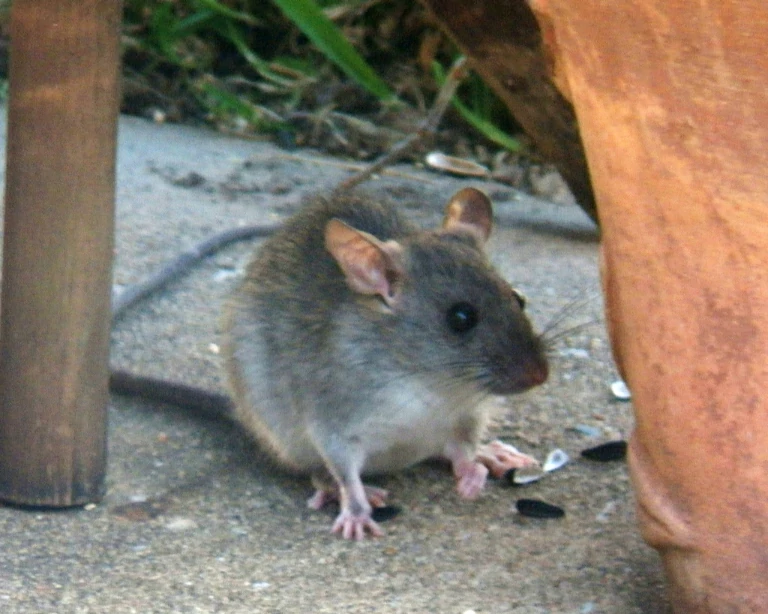
Walk into any cartoon, read any children’s book, or look at any mousetrap advertisement, and you’ll probably see the same thing: a rat or mouse going crazy over cheese. This image is so common that most people just accept it as fact. But why are rats associated with cheese?
Rats are associated with cheese mainly because of media, cartoons, and old stories, not because they actually prefer cheese over other foods. This connection became popular in Europe centuries ago when rats would eat whatever stored food they could find in homes and barns, including cheese. Cartoons and movies made this association even stronger, but in reality, rats don’t have any special love for cheese and often prefer other foods like grains, fruits, and nuts.
The cheese and rat connection is actually one of the biggest myths about these animals. While rats will eat cheese if it’s available (they’ll eat almost anything), it’s far from their favorite food.
The real story of how rats got linked with cheese in our minds is more about human history and storytelling than actual rat behavior.
How This Myth Started in Medieval Europe
The association between rats and cheese goes back hundreds of years to medieval Europe. Back then, people didn’t have refrigerators or sealed containers, so they stored food in cellars, pantries, and barns.
Cheese was one of the main foods people stored for long periods. It didn’t spoil as quickly as milk or meat, so families would make large amounts and keep it in their homes.
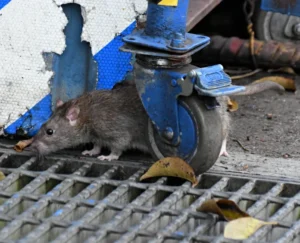
Rats, being excellent at sneaking into buildings and finding food, would discover these cheese stores and eat them.
But here’s the thing: rats were also eating the grain, the dried fruits, the salted meat, and basically everything else stored in those same spaces.
Cheese just happened to be there, and because it was valuable and expensive to make, people noticed when rats ate it.
Writers and storytellers from this time period started including rats and cheese in their tales. Since cheese was a common household item that everyone knew about, it made sense as a simple way to show a rat stealing food.
Why Cartoons Made the Connection Even Stronger
The cheese and rat myth really took off in the 1900s when cartoons became popular. Animators needed a quick, visual way to show what rats wanted, and cheese was perfect.
Tom and Jerry is probably the most famous example. In countless episodes, Jerry the mouse is shown stealing cheese, hiding cheese, or eating cheese.

This cartoon was so popular worldwide that it taught millions of kids that mice (and by extension, rats) love cheese above all else.
Other cartoons followed the same pattern. It became a shorthand in animation – if you wanted to show a rat or mouse, you’d draw it with a piece of cheese.
This image got repeated so many times across so many shows that it became “common knowledge.”
The yellow color of cheese also helped. In animation, bright yellow is easy to see and draw.
It stands out against the gray or brown of a rat, making for a clear, simple image that even young kids can understand immediately.
What Rats Actually Prefer to Eat
If you offer a rat a choice between cheese and other foods, cheese usually won’t be their first pick. Rats are omnivores (meaning they eat both plants and animals), but they naturally prefer certain types of food.
In the wild, rats love grains like wheat, rice, and oats. They’ll also go crazy for seeds, nuts, and fruits.

These high-carbohydrate foods give them quick energy and are closer to what their ancestors would have eaten.
Rats also enjoy proteins, but they prefer things like eggs, insects, and small amounts of meat over dairy products. Some rats actually have trouble digesting dairy because they’re somewhat lactose intolerant, just like many humans.
When scientists test what rats prefer in controlled studies, sweet and high-carbohydrate foods almost always win. Peanut butter, for example, is way more attractive to rats than cheese. Chocolate, grains, and even some vegetables rank higher on their preference list.
The Problem with Using Cheese in Rat Traps
Despite the popular belief, cheese is actually one of the worst baits you can use in a rat trap. Professional pest control experts almost never use it, and here’s why.
Cheese doesn’t have a very strong smell compared to other foods. Rats rely heavily on their sense of smell to find food, so a bait needs to have a powerful scent that travels through the air.
Cheese, especially when it’s fresh, doesn’t produce enough odor to attract rats from a distance.
Cheese also dries out quickly when left in a trap. As it dries, it becomes even less appealing and loses what little smell it had. A trap baited with cheese might sit for days without catching anything.
Better baits include peanut butter (which smells strong and doesn’t dry out), bacon (the fat and salt are very attractive), dried fruit, chocolate, or even small amounts of pet food.
These all work much better than cheese because they produce stronger scents and appeal more to what rats actually want.
Where Rats and Dairy Actually Cross Paths
While rats don’t seek out cheese specifically, they do sometimes encounter dairy products in ways that might have reinforced the myth.
In old farmhouses and dairies, rats would often get into milk storage areas. They might knock over milk containers or find spilled cream.

This brought them into contact with dairy products regularly, even if these weren’t their preferred foods.
Cheese-making facilities also attracted rats, but not because of the cheese itself. These places often had lots of other food around: grains used in the process, whey (which is sweeter and more appealing than cheese), and scraps.
Rats came for all of it, but people remembered the cheese because that was the valuable product.
In cities, rats living near restaurants or grocery stores might eat cheese simply because it’s available. Urban rats are opportunistic – they eat whatever they can find in garbage and storage areas.
If there’s cheese, they’ll eat it, but they’ll also eat pizza crust, leftover pasta, or anything else in that dumpster.
How Different Cultures View the Rat and Cheese Connection
The cheese and rat association is actually much stronger in Western countries than in other parts of the world. This makes sense when you think about where cheese has been a major food throughout history.
In Asian countries, where cheese wasn’t traditionally a big part of the diet, the rat and cheese stereotype is much weaker.
Stories and cartoons from these cultures don’t always show this connection because it wouldn’t have made sense to their audiences historically.
However, as Western media (especially American cartoons) spread globally, the cheese myth spread with it.
Now even in countries where cheese isn’t traditional, young people might associate rats with cheese just because they watched Tom and Jerry or other Western shows.
In France, where cheese is extremely important culturally, the rat and cheese connection appears in lots of literature and art.
The famous children’s book “The Town Mouse and the Country Mouse” features cheese prominently in French versions, even though the original ancient fable didn’t mention it.
The Scientific Truth About Rats and Food Preferences
Researchers who study rat behavior have done extensive testing on what these animals actually prefer to eat. The results consistently show that cheese ranks pretty low on their list.
One study let rats choose between different foods over several weeks. The rats almost always picked sweet items first, then high-protein foods, then grains.

Cheese was eaten, but only after the preferred options were gone.
Rats have taste buds similar to humans, and like us, they generally prefer sweet tastes. This is why peanut butter (which is sweet and fatty) is so effective as bait. It hits multiple preference points that cheese just doesn’t match.
The texture of cheese can also be a problem. Rats prefer foods they can easily hold and nibble. Hard cheeses can be difficult for them to eat, while soft cheeses might be too sticky.
Foods like nuts, grains, and fruits are easier to handle with their paws.
Why the Myth Won’t Go Away
Even though experts know rats don’t prefer cheese, the myth continues to thrive. There are several reasons why this false connection stays so strong in our culture.
First, it’s been repeated so many times in so many places that it feels like truth. When something appears in cartoons, movies, books, and even educational materials for decades, people accept it without questioning.
The image is also really simple and memorable. A rat holding a wedge of yellow cheese is instantly recognizable. It’s become a symbol, almost like a logo.
Advertisers and artists use it because everyone immediately understands what it means.
There’s also not much reason for most people to question it. Unless you’re dealing with actual rats (as a pet owner or pest control person), you probably never test whether rats really like cheese. So the myth just continues unchallenged in most people’s minds.
What Pet Rat Owners Know About Cheese
People who actually keep rats as pets quickly learn that the cheese stereotype is wrong. Most pet rats will eat cheese if you give it to them, but it’s definitely not their favorite treat.
Many pet rat owners report that their rats get digestive upset from eating too much cheese. This makes sense because rats, like many mammals, can be lactose intolerant.

A little bit of cheese might be okay, but a lot can cause stomach problems and diarrhea.
Experienced rat owners use cheese very sparingly as treats, if at all. They know that healthier options like fresh vegetables, fruits, whole grains, and small amounts of meat or eggs make their rats happier and healthier.
When pet rats are given a variety of treats to choose from, they typically go for things like yogurt drops, banana chips, or bits of cooked chicken before they choose cheese. This real-world observation backs up what scientists have found in their studies.
The Marketing Power of the Cheese Myth
Companies have made a lot of money off the rat and cheese association. Mousetrap manufacturers still often show cheese on their packaging, even though they know it’s not the best bait.
The famous board game Mousetrap features cheese prominently in its design. The game wouldn’t be as recognizable or fun if it used peanut butter or grains instead. The cheese is part of what makes the game visually interesting.
Cartoon characters and logos still use the rat with cheese image because it’s instantly understood across cultures. It’s a visual shorthand that doesn’t need explanation, which makes it valuable for communication and marketing.
Even pest control websites sometimes use images of rats with cheese, even though their actual advice tells you to use different baits. The image is just so deeply connected with rats that it’s hard to use anything else.
Other Food Myths About Rats
The cheese myth isn’t the only false belief about what rats eat. There are several other common misconceptions.
Many people think rats love trash and rotten food. While rats are scavengers, they actually prefer fresh food when they can get it. They have a good sense of smell and taste, and they’ll choose fresh items over spoiled ones.

Another myth is that rats will eat anything, including things that aren’t food. While rats do chew on non-food items (to keep their teeth filed down), they’re actually pretty selective about what they’ll swallow. They won’t eat just anything you put in front of them.
Some people believe rats need to eat meat regularly. While rats are omnivores and will eat meat, they can actually do fine on a mostly plant-based diet. Wild rats get most of their calories from plants and grains, with only occasional protein from insects or small animals.
How to Actually Attract (or Repel) Rats with Food
If you’re trying to catch rats (or keep them away), understanding what they really like is important.
For traps, the best baits are: peanut butter (the number one choice for most professionals), bacon or bacon grease, chocolate (especially chocolate-hazelnut spread), dried fruits like raisins or cranberries, or nuts and seeds. All of these work better than cheese.
If you’re trying to keep rats away, you need to eliminate their preferred food sources. This means storing grains in sealed containers, cleaning up fallen fruit from trees, securing garbage cans, and picking up pet food at night.
Interestingly, the smell of peppermint oil is supposed to repel rats, though results vary. What definitely works is removing access to their preferred foods – without easy meals, rats will move on to find better territory.
Conclusion
Rats are associated with cheese because of centuries of stories, art, and media, not because they actually prefer it. The connection started when rats would eat stored cheese in medieval European homes, but they were eating everything else too.
Cartoons like Tom and Jerry made the association even stronger in the 1900s, and now it’s a myth that’s so widespread most people never question it.
The truth is that rats prefer sweet foods, grains, nuts, and fruits over cheese. Many rats are somewhat lactose intolerant and can get sick from eating too much dairy.
When given a choice, they’ll almost always pick peanut butter, chocolate, or fresh fruit before they choose cheese.
This matters if you’re trying to catch rats or keep them as pets. Cheese is actually one of the least effective baits you can use in a trap, and it’s not the healthiest treat for a pet rat.
Understanding what rats really want helps you deal with them more effectively, whether you’re trying to catch them or care for them.
The cheese myth probably won’t disappear anytime soon – it’s too deeply embedded in our culture.
But now you know the real story behind why rats and cheese got connected in the first place, and why that connection doesn’t match reality.

Hi, my name is Ezra Mushala, i have been interested animals all my life. I am the main author and editor here at snakeinformer.com.