

Seeing a rat come toward you instead of running away can be a startling experience. Most wild animals avoid humans, so when a rat approaches rather than fleeing, it can feel strange or even unsettling.
This behavior goes against what we expect from wild animals, which usually see humans as threats. Whether you come across a rat in your home, yard, garden, or on the street, watching it move toward you rather than scurrying away raises questions.
Is something wrong with the rat? Is it dangerous? Does it mean something specific? So what does it mean when a rat comes to you?
When a rat comes toward you instead of running away, it usually means the rat is looking for food, has become comfortable with humans through repeated exposure, or is sick and disoriented. In rare cases with pet rats, it can mean the rat recognizes you and wants attention, but wild rats approaching humans is generally not normal behavior.
Understanding why a rat might approach you helps you respond appropriately and stay safe.
The meaning varies significantly depending on whether the rat is wild or domesticated, and the context of the encounter.
The Rat Is Looking for Food
The most common reason a rat approaches a human is because it’s learned to associate people with food. In areas where people regularly feed animals, drop food, or leave garbage accessible, rats quickly learn that humans mean food might be available.
Urban rats especially can become quite bold around people. If you’re eating something outdoors or carrying food, a rat might approach hoping for scraps or dropped crumbs.
These rats have learned that people often leave food behind or drop things.

In places like parks, outdoor restaurants, subway platforms, or anywhere food is regularly present, rats can lose much of their natural fear of humans.
They’ve had enough positive experiences (getting food) around people that approaching humans seems worth the risk.
This doesn’t mean the rat thinks you’re friendly or wants to interact with you. It just means it’s hoping you’ll provide food, either intentionally or by accident.
The rat is still a wild animal acting on learned behavior and hunger, not affection.
If a rat approaches while you’re eating, it’s almost certainly after your food. The same goes if you’re near a trash can, dumpster, or area where food is often dropped.
The Rat Has Become Habituated to Humans
Habituation is when an animal gets so used to something that it stops seeing it as a threat. Rats living in close proximity to humans for many generations can become habituated to human presence.
In cities, rats live alongside humans constantly. They see people walking by all the time, hear human voices, and experience human activity as just part of their normal environment.
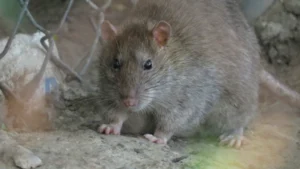
Some rats, especially younger ones, might not have developed the same strong fear response that rats in less populated areas have.
These habituated rats might not run away immediately when they see a person. They might continue what they’re doing (eating, exploring, moving from one place to another) without showing much concern for nearby humans.
This is different from being tame. A habituated rat still won’t want you to touch it and will likely run if you move toward it quickly. It’s just not automatically fleeing at the mere sight of a person.
College campuses, apartment complexes, and areas with dense human populations often have more habituated rats. These rats have learned that most people ignore them or just walk past without posing danger.
The Rat Might Be Sick or Injured
A sick, injured, or poisoned rat might approach humans because it’s disoriented, weak, or not thinking clearly. Healthy wild rats are generally cautious and avoid direct contact with potential threats, including humans.
Rats suffering from poisoning can behave strangely. Many rat poisons affect the nervous system and can cause disorientation, lack of coordination, and unusual behavior.
A poisoned rat might stumble toward you simply because it’s not able to control its movements properly.

Disease can also affect rat behavior. Rats with neurological infections, severe injuries, or advanced illness might not have the energy or mental clarity to run away.
They might approach humans not out of choice but because they’re too weak to do anything else.
If a rat is moving strangely (wobbling, circling, falling over), seems lethargic, or is out during unusual times (like bright daylight when rats are normally nocturnal), illness or poisoning is a strong possibility.
Never touch or pick up a wild rat that’s acting strangely. Sick rats can carry diseases, and they might bite if handled even if they approached you first.
Keep your distance and contact local animal control if the rat appears to be suffering.
It Could Be a Lost or Abandoned Pet Rat
Domestic pet rats are completely different from wild rats in terms of behavior around humans. Pet rats are bred to be friendly and comfortable with people.
If you come across a rat that actually seems to want human interaction (not just tolerating your presence), it might be someone’s lost pet.
Pet rats often have distinctive features that set them apart from wild rats. They might be unusual colors (white, beige, spotted, hooded patterns) that wild rats never have.
They’re often fatter and less streamlined than wild rats. Their ears might be different (dumbo rats have large ears on the sides of their head instead of on top).
A lost pet rat might approach people because it’s hungry, scared, and hoping for help. These rats have lived their entire lives with human care and may not know how to survive on their own.
They might genuinely be seeking human contact because that’s all they’ve known.
If you suspect a rat is a lost pet, you can try to catch it safely (wearing gloves and using a box or carrier, never bare hands).
Contact local animal rescues or rat rescue groups who can help rehome it. Don’t release it back outside, pet rats can’t survive in the wild like wild rats can.
The Environment Makes Approach More Likely
Sometimes environmental factors make rats bolder. If a rat is trapped (like in a corner or dead-end), it might move toward you simply because it’s trying to escape and you’re blocking the other way out.
In confined spaces like basements, garages, or small rooms, rats have fewer escape options. They might run in your direction not because they want to approach you, but because that’s the only direction available.

Similarly, if you’re standing between a rat and its burrow or nest, especially if the rat has babies in the nest, it might try to push past you to get home.
Mother rats can be particularly bold when they have young to protect.
Weather can also play a role. During extreme cold, flooding, or other harsh conditions, rats might be more desperate and take more risks, including approaching humans in search of food or shelter.
Body Language Tells You the Rat’s Intent
A rat’s body language gives you clues about why it’s approaching. A rat seeking food will usually have its nose up, sniffing the air. It might move cautiously forward, stop to sniff, and then move forward again.
An aggressive or defensive rat holds its body differently. The fur might be puffed up, making it look bigger. It might show its teeth, make hissing or squeaking sounds, and have its tail up. This rat is probably scared and warning you to back off, not genuinely attacking.
A sick or injured rat often moves slowly and unsteadily. It might drag itself, move in circles, or seem unaware of where it’s going. This rat isn’t trying to approach you specifically, it’s just not capable of moving normally.
A curious rat (more common with young rats or pet rats) will have alert eyes, whiskers forward, and will approach in short dashes, stopping to assess between each movement. This exploration behavior is less common in adult wild rats.
What You Should Do When a Rat Approaches
If a wild rat comes toward you, the safest response is to back away and give it space. Don’t try to touch it, pick it up, or corner it. Even rats that seem calm can bite if they feel threatened.
Make yourself appear larger by standing up straight or raising your arms. Make noise by clapping or talking loudly.
Most rats will run away from loud noises and sudden movements, even ones that have approached you initially.

Don’t feed the rat or encourage it to come closer. Feeding wildlife creates dependency and can make the rat more likely to approach other people, which could lead to negative interactions or the rat being killed.
If the rat is inside your home, open doors or windows to give it an escape route. Don’t chase it or try to trap it yourself unless you have proper equipment and knowledge.
Contact pest control professionals who can handle removal safely.
If the rat appears sick, injured, or is behaving very strangely, keep your distance and contact local animal control. They have the equipment and expertise to handle potentially diseased animals safely.
Cultural and Spiritual Interpretations
In some cultures and spiritual traditions, animals appearing in your life are seen as having symbolic meaning. While these interpretations aren’t scientific, they’re meaningful to many people.
In some Asian cultures, rats are seen as symbols of intelligence, resourcefulness, and adaptability. A rat appearing could be interpreted as a sign to use your wit and resources wisely.
In Chinese astrology, the rat is the first animal of the zodiac and represents new beginnings, wealth, and surplus. Some might interpret a rat’s appearance as relating to financial matters or new opportunities.
Some spiritual traditions view any animal approaching you as a messenger or sign to pay attention to something in your life.
The rat might symbolize hidden problems that need addressing (since rats often live in hidden spaces), or the need to look at things from a different perspective.
Other interpretations see rats as symbols of survival and persistence. Their ability to thrive in difficult conditions might be interpreted as encouragement to persist through your own challenges.
It’s important to note these are cultural interpretations, not facts about rat behavior. A rat approaching you has practical, biological explanations as described earlier.
But if spiritual or symbolic meanings are important to you, those can coexist with understanding the practical reasons.
Geographic and Situational Differences
Rat behavior varies depending on location. Rats in dense urban areas like New York City or London tend to be much bolder around humans than rats in rural or suburban areas.
Years of living alongside millions of people has changed how these urban rat populations respond to humans.
In parks where people regularly feed birds or squirrels, rats learn to hang around these feeding areas and may approach when they see someone with food. The behavior is learned from repeated experience.

Rats on college campuses often show less fear of humans because they’re constantly around young people who tend to ignore them or react with less aggression than in other settings.
In contrast, rats in areas where they’re actively hunted or trapped tend to be much more wary. Rural rats that have had negative experiences with humans will typically run at the first sign of people.
The time of day matters too. Rats out during the day when they’re normally nocturnal are often there because they’re desperate (very hungry, displaced from their burrow) or sick, making approach more likely.
Health Risks of Rat Encounters
Regardless of why a rat approaches you, it’s important to understand the health risks. Rats can carry diseases that spread to humans through bites, scratches, urine, feces, or even just close contact.
Leptospirosis is a bacterial disease rats can carry in their urine. You can get it through contact with contaminated water or soil. Hantavirus, though rare, can be transmitted through breathing in air contaminated with rat urine or droppings.

Rat-bite fever can come from bites or scratches, but sometimes even without being bitten if you handle a rat or something contaminated with rat saliva. Salmonella and other bacterial infections are possible through contact with rats or their waste.
Even if a rat doesn’t bite you, having one approach closely means you’re potentially in contact with an animal that could be carrying parasites like fleas or mites that can jump to humans.
This is why you should never try to touch or pet a wild rat, no matter how friendly it seems. The health risks are real, and rats can bite quickly if startled or threatened.
How to Prevent Rats from Approaching
If you want to avoid having rats approach you or come onto your property, the key is removing attractants. Don’t leave food or garbage accessible.
Use sealed trash cans, don’t leave pet food outside, and clean up any spilled birdseed or fallen fruit from trees.
Eliminate water sources like leaky outdoor faucets, standing water, or pet water bowls left outside overnight. Rats need water daily and will come to reliable sources.
Seal up potential entry points to buildings. Rats can squeeze through holes the size of a quarter, so fill gaps around pipes, doors, and foundations.
Keep yards clean and eliminate places rats can hide or nest. Thick vegetation, woodpiles, debris piles, and clutter all provide shelter that attracts rats.
In areas where you regularly see rats, avoid eating or carrying food openly. Rats watching from hiding will learn your patterns and might approach if they associate you with food.
Conclusion
When a rat comes toward you, it’s usually looking for food, has become comfortable around humans through repeated exposure, or is sick and disoriented.
Wild rats that approach humans are acting outside their normal cautious behavior for a specific reason, not because they want human interaction.
The safest response is always to back away, make noise to encourage the rat to leave, and never try to touch or handle a wild rat. If you see rats regularly approaching people in an area, it’s a sign that food sources need to be better controlled.
Understanding why rats approach helps you respond appropriately and stay safe. While rare encounters with bold rats might seem frightening, they’re usually easily explained by food-seeking behavior or habituation to human presence.
Stay calm, keep your distance, and remember that the rat is just trying to survive, not attack you. If the behavior seems very unusual or the rat appears sick, contact local animal control for assistance rather than handling the situation yourself.

Hi, my name is Ezra Mushala, i have been interested animals all my life. I am the main author and editor here at snakeinformer.com.