
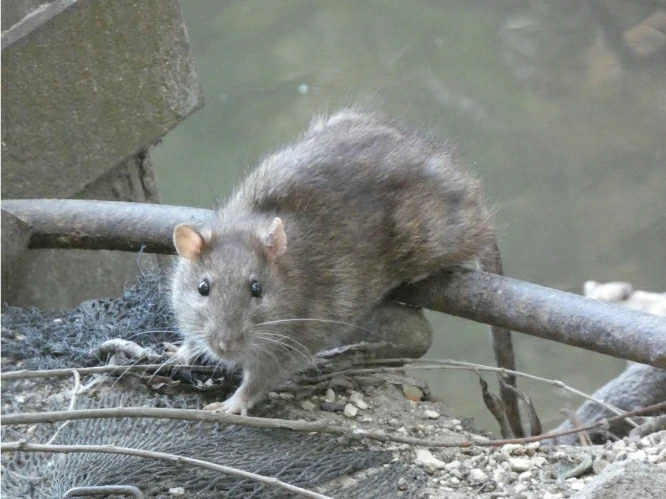
Rats have lived alongside humans for thousands of years, and throughout history, they’ve earned a reputation as dangerous pests.
This bad reputation isn’t just unfair prejudice or superstition. Rats cause real, serious problems for human health, property, food supplies, and the environment. So what are the reasons why rats are bad?
Rats are bad because they spread over 35 deadly diseases to humans, cause billions in property damage by gnawing through structures and wiring, contaminate massive amounts of food, trigger electrical fires, reproduce so fast that small problems become major infestations, bite when threatened, and devastate ecosystems where they’re invasive species.
Understanding why rats are problematic helps you take infestations seriously and deal with them quickly.
While rats can be interesting animals in controlled settings like labs or as pets, wild rats in human environments create dangers that shouldn’t be ignored or downplayed.
Rats Spread Dangerous Diseases to Humans
The biggest reason rats are considered bad is the serious health threat they pose to humans through disease transmission.
Rats carry over 35 different diseases that can infect humans.
These include plague, hantavirus, leptospirosis, rat-bite fever, salmonellosis, and many others. Some of these diseases can kill you if you don’t get treatment quickly.
The bubonic plague killed millions throughout history, and rats were the main spreaders.
While plague is rare now in developed countries, it still exists and people still get it from rats. About 50% of untreated bubonic plague victims die, and pneumonic plague is almost always fatal without quick antibiotic treatment.
Hantavirus is one of the deadliest diseases rats carry today.
You can catch it just by breathing dust contaminated with rat droppings or urine. It attacks your lungs, and about 38% of people who get it die. There’s no vaccine or specific treatment.
Leptospirosis spreads through rat urine contaminating water and soil.
Rats pee constantly as they move around, spreading millions of bacteria. Without treatment, this disease can cause kidney failure, liver damage, and death. People working in sewers, farms, or anywhere with standing water are at high risk.
Rat-bite fever causes severe illness even from minor bites.
The bacteria rats carry in their mouths can cause high fever, vomiting, severe joint pain, and rashes. If not treated with antibiotics, it can spread to your heart, lungs, or brain and cause serious complications or death.

Salmonella infections from rats cause severe digestive illness.
Rats spread salmonella bacteria through their droppings, contaminating food and surfaces. This causes severe diarrhea, fever, and stomach cramps that can be especially dangerous for children, elderly people, and those with weak immune systems.
You don’t need direct contact with rats to get sick.
Just touching surfaces rats walked on, breathing air in areas where rats live, or eating food rats contaminated can expose you to diseases. The contamination rats leave behind remains dangerous long after they’re gone.
How Rats Destroy Property and Infrastructure
Beyond health risks, rats cause massive property damage that costs billions of dollars every year worldwide.
Rats gnaw constantly because their teeth never stop growing.
They have to chew on hard materials to keep their teeth worn down. Unfortunately, they’ll chew on anything in your home, including things that are expensive or dangerous to damage.
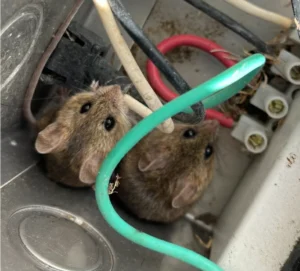
Electrical wiring is a favorite target for rat teeth.
When rats strip insulation off wires, it causes short circuits, power outages, and electrical fires. Experts estimate that rats cause about 25% of unexplained fires in homes and buildings. People have lost their homes and even died in fires started by rats.
They chew through wood, drywall, plastic, and even concrete.
Rat teeth are incredibly hard and can gnaw through materials you wouldn’t expect. They’ll damage your home’s structure, create holes in walls and floors, and weaken support beams. The repair costs can be thousands of dollars.
Rats destroy insulation in attics and walls.
They tear it apart for nesting material and contaminate it with urine and droppings. Once rats have infested insulation, it usually needs complete removal and replacement because cleaning isn’t effective.
They damage water pipes and gas lines.
Rat gnawing can puncture pipes, causing water damage to your home. Gas line damage is even more dangerous because it can cause explosions or carbon monoxide poisoning. What starts as small gnaw marks can become a major disaster.
Rats ruin stored belongings and valuables.
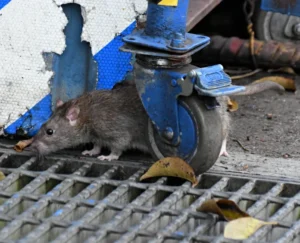
They shred fabric, paper, and cardboard to build nests. Clothes, books, important documents, furniture, and family heirlooms can be destroyed. Some things that rats damage are irreplaceable.
Vehicle damage from rats costs car owners thousands.
Rats nest in engine compartments and chew on wires, hoses, and insulation. Many people have had their cars completely disabled by rats, requiring expensive repairs to get them running again.
The smell of rat urine and droppings soaks into everything.
This odor is extremely difficult to remove and can make your home unpleasant to live in. In severe cases, the smell reduces property value because potential buyers can smell the contamination.
Rats Contaminate Massive Amounts of Food
Food contamination by rats is a huge economic and health problem worldwide.
For every bit of food a rat eats, it destroys or contaminates about 10 times that amount.
Rats nibble on food, urinate on it, leave droppings in it, and walk through it with dirty feet. All of this makes the food unsafe to eat, even if the rat only took a small bite.
Rats constantly urinate as they travel.
They leave tiny drops of pee everywhere they walk, marking their territory. This means every surface they touch (countertops, dishes, food packages, utensils) gets contaminated with bacteria and viruses.
A single rat produces 25,000 fecal pellets per year.
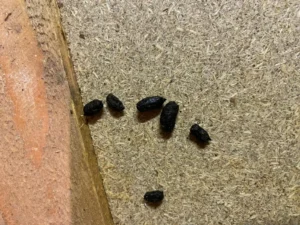
These droppings fall into food, on cooking surfaces, and in areas where you prepare meals. Each dropping contains harmful bacteria, viruses, and parasites that can make you seriously sick.
They gnaw through food packaging to get inside.
Once packaging is compromised, the food becomes contaminated even if the rat didn’t eat much. You can’t just throw away the nibbled part because microscopic contamination has already spread.
Rats contaminate grain storage on a massive scale.
Worldwide, rats destroy millions of tons of grain every year. This wasted food could feed millions of people, but instead it has to be thrown away because of rat contamination.
Restaurant and food service infestations can shut businesses down.
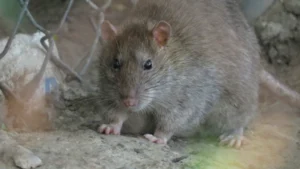
A single rat sighting can result in failed health inspections, mandatory closures, and huge fines. The business loses money from being closed, plus the cost of pest control and cleaning.
Grocery stores can lose entire shipments to rat contamination.
If rats get into a warehouse or storage area, thousands of dollars worth of food might need to be destroyed. The contamination spreads beyond what the rats actually touched.
Food contamination contributes to foodborne illness outbreaks.
When rats contaminate food with salmonella or other bacteria, people who eat that food get sick. Some outbreaks have been traced back to rat contamination in food processing or storage facilities.
Why Rat Reproduction Makes Them Worse
One of the most problematic things about rats is how incredibly fast they reproduce and create massive infestations.
A female rat can get pregnant when she’s only 5 weeks old.
This means rats start reproducing before they’re even fully grown. Populations can explode in just a few months because new generations start breeding so quickly.

Rats can have babies every 3 to 4 weeks.
A single female can have 5 to 10 litters per year, with 6 to 12 babies in each litter. That’s potentially 120 offspring from one female in a single year.
Those babies start having their own babies within weeks.
If you do the math, a single pair of rats could theoretically produce up to 2,000 descendants in one year. Even accounting for deaths, the numbers grow shockingly fast.
The pregnancy period is only 21 to 23 days.
This short gestation means the time between litters is really brief. Rats can get pregnant again almost immediately after giving birth.
They breed year-round when conditions are good.

Unlike animals with specific breeding seasons, rats can reproduce constantly. Indoor rats have ideal conditions all year, so they never stop breeding.
This rapid reproduction turns minor problems into major infestations.
If you see one rat, there are probably many more hidden. By the time you spot a problem, you likely already have a breeding population that’s growing every day.
More rats mean exponentially more damage and disease risk.
A house with 100 rats is way more than 10 times worse than a house with 10 rats. The contamination, damage, and health risks multiply as populations grow.
How Rats Bite and Attack
While rats usually avoid humans, they will bite when threatened, and these bites can cause serious problems.
Rat bites are deep and painful.
Their teeth are designed for gnawing through hard materials, so when they bite flesh, they can cause significant damage. The wounds can be deep enough to require stitches.
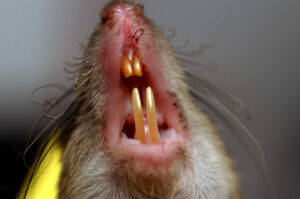
Bacteria from rat mouths cause severe infections.
Even small bites can introduce harmful bacteria deep into your tissue. These infections spread quickly, causing swelling, redness, severe pain, and fever. In bad cases, the infection reaches your bloodstream (sepsis), which can be fatal.
Rats can bite you while you’re sleeping.
They’re attracted to the smell of food on your hands or face. Some people wake up to rat bites without even knowing rats were in their home. This is especially traumatic for children.
Children and elderly people are at higher risk.
Their immune systems can’t fight off infections as well, so rat bites are more likely to cause serious complications. Children are also more likely to be bitten because they might try to catch or play with rats.

Large rat populations can become aggressive.
When rats are competing for resources in overcrowded conditions, they become more defensive and more likely to bite if they encounter humans.
Cornered rats will attack rather than flee.
If you trap a rat or it feels it has no escape route, it will turn and bite. This defensive biting can be vicious because the rat is fighting for its life.
The psychological trauma from rat bites can be significant.
Beyond physical injury, being bitten by a rat causes fear and anxiety. Some people develop phobias or have trouble sleeping after being bitten.
Rats as Invasive Species Destroy Ecosystems
In many parts of the world, rats are invasive species that devastate native wildlife and environments.
Rats introduced to islands have caused extinctions.
On islands where rats aren’t native, they’ve driven numerous bird species to extinction by eating eggs and chicks. Some species disappeared within years of rats arriving.
They compete with native animals for food and shelter.
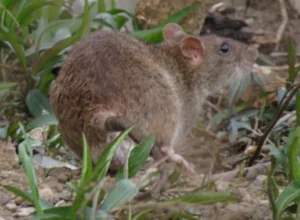
In ecosystems where they’re invasive, rats outcompete native species because they reproduce faster and eat almost anything. Native animals that evolved without rat competition often can’t survive.
Rats prey on vulnerable native species.
They eat bird eggs, chicks, lizards, frogs, and insects that have no defenses against them. Some species evolved on islands without predators and are helpless against rats.
They alter plant communities by eating seeds.
Rats consume and destroy seeds before they can grow into new plants. This changes forest composition and can prevent forest regeneration in areas with heavy rat populations.
Native predators can’t control invasive rat populations.

The predators that evolved on islands or in isolated ecosystems often can’t handle the huge rat populations. Rats breed faster than native predators can eat them.
Eradication efforts are expensive and difficult.
Getting rid of rats from islands where they’re invasive costs millions of dollars and takes years. Some islands have never successfully removed rats despite multiple attempts.
The damage is sometimes permanent.
Once rats drive a species to extinction, it’s gone forever. Even if you remove all the rats, the extinct species can’t come back.
Why Rats Are Hard to Control
Part of what makes rats so bad is how difficult they are to eliminate once they’ve established themselves.
Rats are highly intelligent and learn to avoid traps.
If they see another rat caught in a trap, they’ll avoid that type of trap completely. They can figure out how traps work and steal bait without getting caught.
They’re neophobic, meaning they fear new things.
When you put out traps or poison, rats might avoid them for weeks because they’re unfamiliar. This gives them time to keep breeding and causing damage.

Rats can squeeze through holes as small as a quarter.
Even if you think you’ve sealed your home, rats can find or create tiny openings. It’s nearly impossible to completely rat-proof a building.
They live in hidden, hard-to-reach areas.
Rats nest in walls, under floors, in attics, and crawl spaces where you can’t easily access them. You might set traps in visible areas while rats stay safely hidden.
Rats can survive on very little.
They only need about an ounce of food and water per day. Even if you eliminate obvious food sources, they find enough in tiny crumbs or garbage.
They send “scout” rats to test dangerous things first.
If you put out poison, rats might send a subordinate to eat it first. If that rat gets sick, the others learn it’s dangerous.
Professional help is often necessary.
Many people try DIY rat control and fail because rats are too smart and adaptable. Professional exterminators have better tools and knowledge but even they sometimes struggle with severe infestations.
The Economic Cost of Rat Damage
The financial impact of rats on society is staggering and affects everyone through higher costs.
Rats cause an estimated $19 billion in damage annually in the United States alone.
This includes property damage, contaminated food, health care costs, and lost productivity. Worldwide, the costs are much higher.
Individual homeowners can face thousands in repair costs.

Between pest control, repairing damage, replacing contamination, and fixing electrical or plumbing problems, a serious rat infestation can cost $5,000 to $20,000 or more to fully address.
Businesses can be destroyed by rat infestations.
Restaurants that fail health inspections because of rats can lose their licenses. Warehouses might lose entire inventories. The reputation damage alone can put businesses under.
Agricultural losses from rats are massive.
Farmers lose crops to rat feeding and contamination. Stored grain gets destroyed. Livestock feed becomes unsafe. These losses contribute to higher food prices for everyone.
Rat-related fires cause millions in insurance claims.
When rats chew through electrical wiring and cause fires, the resulting property damage, injuries, and deaths lead to huge insurance payouts. These costs get passed on to policyholders.
Healthcare costs from rat-borne diseases add up.
Treating leptospirosis, hantavirus, plague, and other rat-borne diseases costs the healthcare system millions. Some diseases require hospitalization, expensive treatments, and long recovery times.
Lost productivity from rat problems affects the economy.
When businesses shut down for pest control, when employees get sick from rat-borne diseases, or when people miss work dealing with infestations, the economy loses productive work time.
Conclusion
Rats are bad because they spread deadly diseases, cause billions in property damage, contaminate massive amounts of food, reproduce at alarming rates, and create serious health and safety hazards wherever they infest.
Their ability to chew through anything, squeeze into tiny spaces, and avoid control efforts makes them one of the most problematic pests humans deal with.
Whether it’s the risk of hantavirus, electrical fires from chewed wiring, or destroyed food supplies, rats create real dangers that shouldn’t be ignored.
If you discover rats in your home or property, take the threat seriously and act quickly.
Professional pest control, thorough cleaning, and proper prevention can eliminate rats and protect your health and property. The longer you wait to address a rat problem, the worse it becomes and the more it costs to fix.

Hi, my name is Ezra Mushala, i have been interested animals all my life. I am the main author and editor here at snakeinformer.com.