

You walk out your front door in the morning and there it is. A dead rat, laid out right on your doorstep like some kind of unwanted gift. Your cat is sitting nearby looking pleased with itself.
This situation is confusing and kind of gross, especially if it happens regularly. Your cat has access to food, toys, and everything it needs, so why is it hunting rats and bringing them to you?
Cats leave rats at your door because of instinctual hunting behavior, to share their catch with their family group (you), to teach hunting skills, or to bring prey to a safe place to eat later. This behavior is rooted in natural cat instincts and doesn’t mean you’re not feeding your cat enough. It’s actually a sign of affection and trust.
Even well-fed domestic cats have strong hunting instincts that don’t go away just because they get regular meals. When your cat brings you a rat, it’s not trying to gross you out or make more work for you.
From the cat’s perspective, it’s doing something positive and natural. Understanding why this happens can help you deal with it better.
The Hunting Instinct in Domestic Cats
Cats are natural-born hunters. This instinct is hardwired into their DNA and doesn’t disappear just because they’re pets.
Even cats that have never had to hunt for food will still have the urge to stalk, pounce, and catch prey. It’s not about hunger. It’s about instinct.
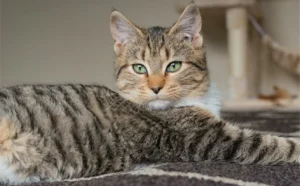
Kittens start showing hunting behaviors as young as 4-5 weeks old. They practice on their siblings, toys, and anything that moves. This play is actually hunting practice.
Mother cats in the wild teach their kittens to hunt by bringing back live or dead prey for them to interact with. Your cat might be trying to do the same thing with you.
The hunting sequence (stalk, pounce, catch, kill) releases feel-good chemicals in a cat’s brain. It’s rewarding for them regardless of whether they eat what they catch.
Outdoor cats will hunt even if they’re completely full from their regular meals. The two behaviors (hunting and eating) are separate for cats.
Some cat breeds have stronger hunting drives than others, but all cats have the instinct to some degree.
Domestic cats are actually incredibly efficient hunters. Studies show outdoor cats can have huge impacts on local wildlife populations because they hunt so effectively.
Bringing Prey Home as Gift-Giving
One of the main reasons cats bring rats to your door is that they see it as giving you a gift. Seriously.
In cat social groups, sharing food is an important bonding behavior. Cats that like each other will sometimes share their catches.
Your cat sees you as part of its family group. By bringing you a rat, it’s sharing its success with someone it cares about.
From the cat’s perspective, you’re a pretty terrible hunter. You never bring home prey. The cat might be trying to help you out by providing food.
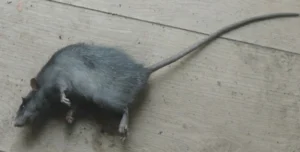
This behavior is especially common in female cats because mother cats bring prey back to their kittens. Your female cat might see you as a kitten who needs feeding.
The fact that the rat is left at your door specifically (rather than somewhere random in the yard) shows the cat is deliberately putting it where you’ll find it.
Some cats will even meow or call attention to their gift, making sure you see what they brought. They want acknowledgment for their effort.
Getting upset or punishing your cat for this behavior doesn’t make sense from the cat’s point of view. They think they’re doing something nice.
Teaching You to Hunt
Another major reason cats bring prey to your door is an attempt to teach you hunting skills.
Mother cats bring live or recently killed prey back to the nest to teach kittens how to hunt. First they bring dead prey, then injured prey, then live prey.
Your cat might be going through this teaching sequence with you. A dead rat is lesson one: here’s what prey looks like and smells like.

If your cat sometimes brings live rats or injured rats that are still moving, it’s moved on to lesson two: here’s how you practice the killing bite.
Cats that bring multiple prey items over time might be giving you repeated lessons because you haven’t “gotten it” yet.
This is more common with cats that don’t have kittens of their own. Their teaching instinct gets redirected to their human family.
Indoor-outdoor cats that have regular outdoor access are more likely to do this because they have more opportunities to catch prey.
The cat genuinely believes it’s helping you learn an important life skill. It doesn’t understand that you buy your food at a store.
A Safe Place to Store or Eat Prey
Sometimes the reason is more practical. Your doorstep is a safe, familiar place where the cat can deal with its catch.
Cats often carry prey to safe locations before eating it. They want to be in a spot where they feel protected from other predators stealing their catch.
Your porch or doorstep is a territory the cat knows well and feels secure in. It’s close to the safety of the house.
The cat might intend to come back and eat the rat later. It’s storing it somewhere safe for a future meal.
Some cats will actually eat part of the rat and leave the rest. You’re finding the leftovers they didn’t want.
Cats sometimes lose interest in their prey after the kill. The thrill was in the hunt. Now that it’s dead, the cat doesn’t care about it anymore.
If the rat is too big for the cat to eat in one sitting, bringing it to a safe spot makes sense. The cat can eat some now and come back for more later.
Doorsteps and porches are usually sheltered from rain and sun, which makes them good storage spots from a cat’s perspective.
Social and Territorial Behavior
Bringing prey home can also be related to territory marking and social signaling.
Cats mark their territory in lots of ways including rubbing, scratching, and urinating. Leaving prey at territory boundaries is another marking behavior.
Your house is the center of your cat’s territory. Bringing prey there reinforces that this is the cat’s space.
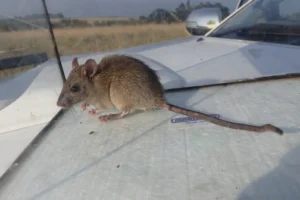
In areas with multiple cats, leaving prey out can be a way to signal to other cats that this territory is actively hunted and occupied.
Some experts think cats might be showing off their hunting skills to other cats in the area. The dead rat is proof of their competence.
For outdoor cats that roam, bringing prey back to home base is a way of centering their activities around your house even while they explore far away.
The behavior can be more common in multi-cat households where there might be some competition or social dynamics at play.
Male cats, especially unneutered ones, might be more likely to display their catches as a way of demonstrating their prowess.
Why Rats Specifically
The question isn’t just why cats bring prey home, but why rats in particular show up on your doorstep.
Rats are common in many areas, so cats encounter them frequently. If rats are in your neighborhood, your cat will hunt them.
Rats are the right size for cats to hunt. They’re big enough to be satisfying prey but small enough for most cats to catch and carry.
Unlike mice, rats can sometimes fight back. A cat that catches a rat might be especially proud of it because rats are more challenging prey.
The cat might be trying to protect you from rats. From the cat’s perspective, rats near the house are a threat that needs to be eliminated.
If you have a rat problem around your property, your cat is probably catching rats that are already close to your house.
Cats are actually one of the reasons humans first domesticated them thousands of years ago. They helped control rodent populations around grain stores.
Some cats develop a preference for hunting certain types of prey. If your cat is good at catching rats, it might focus on them more than other animals.
When This Behavior Is Most Common
Cat prey-bringing behavior tends to increase at certain times and under certain conditions.
Spring and summer are peak times because that’s when prey animals are most active and abundant. More rats around means more catches.
Dawn and dusk are when cats hunt most actively since they’re crepuscular (most active at twilight). You’ll often find the “gifts” in the morning.
After you’ve been away for a while, your cat might bring more prey. It’s been hunting while you were gone and wants to share the results.
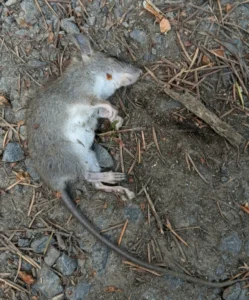
When a cat is particularly well-fed and comfortable, it might hunt more for fun. The hunting isn’t driven by hunger, so it happens regardless of meal times.
Younger cats (1-3 years old) often hunt most actively. They have lots of energy and their hunting skills are at their peak.
Female cats, especially those who have had kittens before, tend to bring prey home more often because of their teaching instincts.
During breeding season for rodents (spring and early summer), there are more rats around, which leads to more hunting opportunities.
Health and Safety Concerns
While your cat is being nice by bringing you rats, there are legitimate health concerns you should be aware of.
Rats can carry diseases including leptospirosis, hantavirus, and rat-bite fever. Even dead rats can transmit these diseases.
Parasites like fleas, ticks, and mites living on rats can jump to your cat or even to you. These parasites can carry their own diseases.

If the rat was poisoned before your cat caught it, there’s a risk of secondary poisoning. The cat might get sick from eating a poisoned rat.
Rats can fight back and injure cats. Check your cat for bite wounds and scratches, especially around the face and paws.
Never touch a dead rat with your bare hands. Use gloves or a plastic bag turned inside out to pick it up for disposal.
Dispose of dead rats in sealed bags in your outside trash. Don’t let them sit on your porch or in your yard.
If your cat eats part of the rat, watch for signs of illness like vomiting, diarrhea, lethargy, or loss of appetite. Contact your vet if you’re concerned.
Make sure your cat’s rabies vaccination is up to date, especially if it’s catching wild animals regularly.
How to Discourage This Behavior
If you want your cat to stop bringing rats to your door, there are some strategies that might help.
The most effective solution is to keep your cat indoors, especially at dawn and dusk when hunting is most active. Indoor cats can’t catch rats.
If indoor-only isn’t an option, a catio (outdoor cat enclosure) gives your cat outdoor time without the hunting opportunities.
Putting a bell on your cat’s collar might reduce successful hunts. The bell warns prey animals that a cat is nearby. However, some cats learn to hunt silently even with a bell.
Interrupt the behavior if you catch your cat in the act. If you see your cat carrying prey toward the house, distract it with a toy or treat.
Don’t reward the behavior. Don’t give treats, pets, or attention when your cat brings prey. Quietly remove the dead animal and go about your day.
Increase indoor playtime with toys that mimic prey. Wand toys, laser pointers, and small toys the cat can “hunt” might satisfy some of the hunting urge.
Feed your cat before typical hunting times (early morning and evening). A slightly full cat might be less motivated to hunt, though this doesn’t always work.
Block cat doors or keep your cat inside during peak hunting hours if you can’t keep it inside full-time.
Understanding Your Cat’s Perspective
To really deal with this behavior, it helps to see things from your cat’s point of view.
Your cat has no idea that you find dead rats disgusting. In the cat world, fresh prey is valuable and desirable.
The cat is genuinely trying to help or please you. Punishment or anger will confuse the cat since it doesn’t understand what it did wrong.
Hunting is a fundamental part of being a cat. Asking a cat not to hunt is like asking it not to groom or not to nap. It’s built into who they are.
Your cat probably doesn’t connect your negative reaction to the rat with the actual behavior. The cat caught the rat hours ago. Scolding now doesn’t teach anything.
From the cat’s perspective, bringing prey home is a success. It caught something, brought it to safety, and shared with its family. All positive things.
Understanding this doesn’t mean you have to be happy about dead rats on your porch, but it helps you respond in a way that makes sense.
Different Types of Prey and What They Mean
While we’re focusing on rats, cats bring home all kinds of prey. The type of prey can tell you something about your cat’s hunting behavior.
Rats are bigger, more challenging prey. A cat bringing home rats is probably a skilled hunter with good confidence.
If your cat brings mice instead of rats, it might be hunting in different areas. Mice are more common in fields and gardens, while rats are often near human structures.
Birds indicate your cat is hunting above ground level. Cats that catch birds are good climbers and have excellent timing.

Lizards, frogs, or insects show your cat is hunting smaller, easier prey. This is common in younger cats or cats still developing their skills.
Half-eaten prey suggests the cat is actually hungry and is supplementing its diet with hunting.
Completely intact, undamaged prey is more likely to be a “gift” since the cat didn’t eat any of it.
Multiple prey items brought home in a short time might indicate a rat nest or abundant prey source nearby.
What to Do When You Find a Dead Rat
Here’s a practical guide for dealing with the rats your cat brings home.
Don’t panic or make a big fuss in front of your cat. Stay calm and neutral. Getting upset will stress the cat out without teaching it anything.
Put on disposable gloves before touching anything. You can also use a plastic bag turned inside out as a makeshift glove.
Pick up the rat and any associated mess (blood, fur, etc.). Double-bag it in plastic bags.
Dispose of it in your outside garbage can with a secure lid. Don’t leave it in kitchen trash or anywhere it could smell.
Clean the area where the rat was left with disinfectant. This removes disease risk and scent markers.
Check your cat for injuries, especially around the face and front paws. Look for scratches, puncture wounds, or swelling.
Wash your hands thoroughly with soap and hot water after cleaning up, even if you wore gloves.
If you find rats regularly, consider documenting where and when. This might help you identify a pattern or a rat problem in your area.
Watch your cat for the next day or two for signs of illness from eating rat parts or from injuries you might have missed.
Conclusion
Your cat leaves rats at your door because it’s following deep instincts to hunt, share with family, teach hunting skills, or store prey in a safe spot. This isn’t a sign of anything wrong with your cat or your relationship with it.
Actually, it’s often a sign of a strong bond. Your cat trusts you enough to share its catches and sees you as important family. The behavior just happens to involve dead rats, which understandably grosses most people out.
You can try to reduce the behavior by keeping your cat inside, blocking access during hunting hours, or redirecting hunting instinct to play. But understand that you’re working against powerful natural drives.
The best approach is probably a combination of prevention where possible, calm disposal when it happens, and acceptance that this is just part of living with a cat that goes outdoors.
Those rats on your doorstep might be gross, but in your cat’s mind, they’re gifts of love.

Hi, my name is Ezra Mushala, i have been interested animals all my life. I am the main author and editor here at snakeinformer.com.