
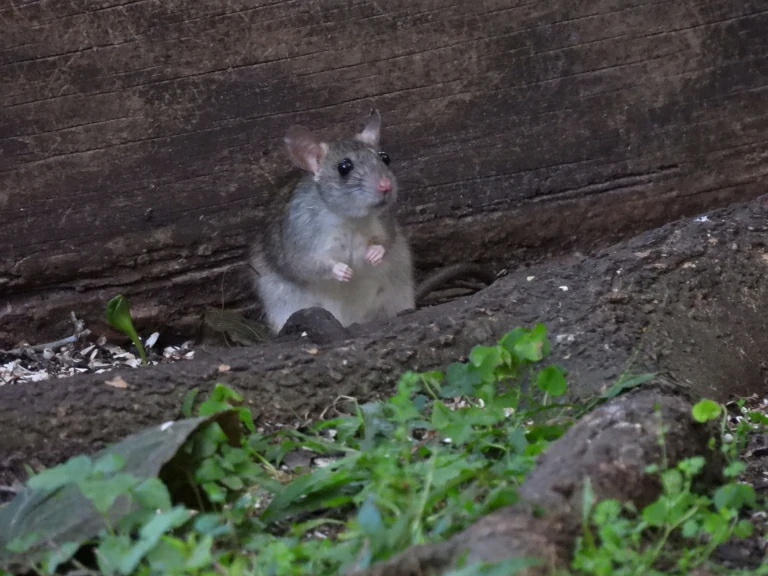
If you’ve ever heard a rat make a loud, sharp squeak, you know it can be alarming. Unlike the soft chirps and gentle sounds rats make during normal activity, loud squeaking usually means something important is happening.
These high-pitched sounds can signal anything from fear and pain to social conflict between rats. Understanding what loud squeaking means helps you respond appropriately and keep your rats safe. So why do rats squeak loudly?
Rats squeak loudly when they’re in pain, scared, fighting with other rats, or feeling threatened. Loud squeaks are distress calls that signal something is wrong. Young rats also squeak loudly when separated from their mothers. Unlike quiet bruxing or soft chirps, loud squeaking is never a happy sound and always deserves your attention.
When you hear loud squeaking from your rats, you need to investigate immediately. The sound is their way of telling you they need help or that something in their environment is causing serious stress or harm.
Pain and Injury Squeaks
One of the most common reasons rats squeak loudly is pain. When a rat gets hurt, it’ll often let out a sharp, loud squeak to signal distress.
Injuries from fights with other rats are a frequent cause. If two rats are fighting and one gets bitten or scratched, you’ll hear loud squeaking. The injured rat is crying out in pain.

Accidents during play can cause squeaking too. A rat might fall from a height, get a foot caught in something, or bump into a sharp edge. The immediate pain response is often a loud squeak.
Chronic pain from health problems also triggers squeaking. Rats with tumors, arthritis, infections, or internal problems might squeak when moving hurts or when you touch them in a painful area.
If your rat squeaks loudly when you pick it up or touch a certain spot, something is wrong. Check carefully for injuries, lumps, or swelling. See a vet as soon as possible.
Pain squeaks are usually single, sharp squeaks or a series of desperate-sounding squeaks. The rat’s body language will also show distress, like hunching, trying to escape, or freezing.
Fear and Threat Response
Loud squeaking can be a fear response when a rat feels threatened or cornered. This is the rat’s way of saying “I’m scared, leave me alone!”
Rats that aren’t used to handling will often squeak loudly when you try to pick them up. They’re frightened and don’t trust you yet. With patient, gentle handling, this usually improves over time.
Sudden movements, loud noises, or the appearance of predators (including household pets like cats and dogs) can trigger fear squeaks. The rat is basically screaming because it thinks it’s in danger.
Cornering a rat or grabbing it roughly will definitely make it squeak. Rats are prey animals, and being trapped or grabbed triggers panic.
Some rats are just naturally more nervous than others. Shy or skittish rats squeak more easily when startled, even if there’s no real danger.
If your rat is squeaking from fear, you need to reduce the perceived threat. Move slowly, speak softly, let the rat come to you instead of grabbing it, and remove any scary stimuli from the environment.
Fear squeaks often come in bursts and might be accompanied by the rat trying to escape, freezing in place, or even attempting to bite in self-defense.
Fighting and Dominance Squeaks
When rats fight, loud squeaking is part of the conflict. Both the aggressor and the victim might squeak, but usually the rat being attacked squeaks the loudest.
Rats establish social hierarchies through play fighting and occasional real fights. During serious fights, you’ll hear loud, aggressive squeaking combined with the sounds of rats tumbling and scuffling.
The rat that’s losing the fight squeaks loudly as a submission signal. It’s saying “I give up, you win, stop hurting me!” Sometimes this works and the dominant rat backs off.

Male rats are more likely to fight seriously than females, especially if they’re not neutered. Intact males can be very territorial and aggressive.
New introductions between rats that aren’t going well often involve loud squeaking. If rats aren’t properly introduced, they might see each other as threats and fight aggressively.
If you hear fighting squeaks, you need to check on your rats immediately. Separate them if the fight is serious (blood, injuries, non-stop aggression). Minor squabbles with some squeaking are normal, but prolonged loud squeaking means someone’s getting hurt.
After separating fighting rats, check both for injuries. Bites can get infected and need cleaning or veterinary care.
Baby Rat Distress Calls
Baby rats (called pups or kittens) squeak loudly and frequently, especially when they’re very young. Their squeaks serve specific purposes.
Newborn and young baby rats squeak when they’re cold. They can’t regulate their body temperature yet, so if they get separated from the pile of siblings and mother, they squeak to call for help.
Hungry babies squeak to let their mother know they need to nurse. If you hear constant squeaking from a nest of babies, they might not be getting enough milk.
Baby rats separated from their mother squeak desperately. This is an evolutionary survival mechanism. In the wild, a lost baby’s loud calls help the mother locate and retrieve it.
If you need to handle baby rats, expect lots of squeaking. They don’t understand you’re not a threat, and being away from mom and the nest is terrifying for them.
Mother rats usually respond quickly to baby squeaks. If a mother is ignoring her babies’ distress calls, something might be wrong with her (illness, stress, first-time mother confusion).
As baby rats get older (around 2 to 3 weeks), they squeak less frequently. By the time they’re weaned, they’ll sound more like adult rats.
Medical Problems That Cause Squeaking
Sometimes rats squeak loudly because of internal medical problems that cause pain or discomfort. These squeaks can be harder to interpret because you can’t see an obvious injury.
Respiratory infections can cause squeaking, especially if breathing is difficult or painful. The rat might squeak when taking deep breaths or when moving in ways that stress its lungs.
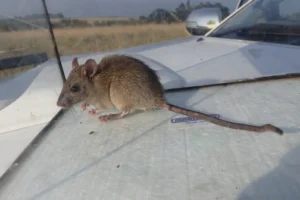
Bladder stones or urinary tract infections can cause rats to squeak when urinating. If your rat squeaks while peeing or right after, urinary problems are likely.
Digestive issues like bloating, constipation, or gas can cause pain that makes rats squeak. You might hear squeaking when the rat moves or when you touch its belly.
Tumors can cause pain when they press on organs, nerves, or other body parts. A rat with a painful tumor might squeak when moving or when the tumor is touched.
Dental problems like overgrown teeth or mouth infections can make eating painful. The rat might squeak while chewing or when you touch its face.
If your rat is squeaking without any obvious external cause, it needs a vet visit. Internal problems are serious and often get worse quickly without treatment.
Mating and Social Communication
Loud squeaking also happens during mating and certain social interactions, though these squeaks sound different from distress squeaks.
Female rats in heat sometimes squeak when males are trying to mate with them. This can sound aggressive or distressed, but it’s actually normal mating behavior.
Male rats might make loud vocalizations when trying to mate. These aren’t quite squeaks but more like chirps or calls to attract the female’s attention.
During social play, young rats especially might squeak loudly even though they’re having fun. The squeaks are part of the play interaction and sound different from pain squeaks. The rats will keep playing afterward instead of running away.
Rats might also squeak during grooming sessions with other rats if one gets too rough. It’s the rat’s way of saying “Hey, that hurts, be gentler!”
You can usually tell social squeaks from distress squeaks by watching what happens next. If the rats separate peacefully or keep interacting positively, the squeak was probably social. If one rat runs away, hides, or shows fear, it was a distress squeak.
Attention-Seeking Squeaks
Some rats learn that squeaking gets them attention from their humans. This is less common than other causes, but it does happen.
Smart rats figure out that when they squeak, you come running to check on them. If you then give them treats, attention, or let them out of the cage, you’ve reinforced the behavior.
Rats that are bored, lonely, or want to come out for playtime might squeak loudly to get your attention. This is manipulative behavior, but it works.
You can usually tell attention-seeking squeaks from real distress because the rat looks fine otherwise. It’s alert, active, and might even stop squeaking when you approach, like “Good, I got your attention.”
If you think your rat is squeaking for attention, make sure its needs are actually met first. Is it getting enough out-of-cage time? Does it have companions? Is the cage interesting with toys and enrichment?
If all its needs are met and it’s still squeaking for attention, you can choose to ignore the behavior or give attention on your schedule, not the rat’s. Don’t reward squeaking with immediate treats or playtime, or you’ll make it worse.
How to Tell Different Squeaks Apart
Learning to distinguish between different types of squeaks helps you respond appropriately. The context, pitch, and what happens before and after the squeak all give you clues.
Pain squeaks are sharp, sudden, and loud. They often happen right after something hurts (being grabbed wrong, bumping into something, getting bitten). The rat usually stops what it was doing and might show signs of injury.
Fear squeaks come in rapid bursts. The rat will try to escape or hide while squeaking. Its body language shows terror (wide eyes, frozen, or frantic movement).
Fighting squeaks happen during obvious conflict between rats. You’ll see the rats tumbling, biting, and chasing while squeaking. Both rats might squeak, but the one losing squeaks more.
Baby squeaks are higher-pitched and more continuous than adult squeaks. They sound desperate and don’t stop until the problem is fixed (reunited with mom, warmed up, fed).
Attention squeaks are loud but the rat seems fine otherwise. It might squeak, wait, squeak again, almost like it’s calling you.
Social squeaks during play or mating are briefer and the rats continue interacting normally afterward.
What to Do When You Hear Loud Squeaking
When you hear your rat squeak loudly, your response depends on what’s causing it. Here’s how to handle different situations.
First, locate the source immediately. Figure out which rat is squeaking and what’s happening. Don’t ignore it.
If rats are fighting seriously, separate them carefully. Use towels or gloves if needed to avoid getting bitten. Put them in different spaces and check for injuries.
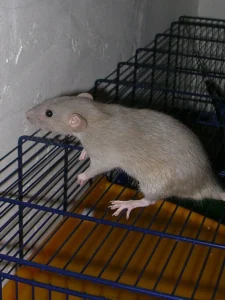
If a rat seems injured or in pain, examine it gently. Look for wounds, blood, limping, lumps, or signs of distress. If you find something concerning or aren’t sure what’s wrong, get to a vet.
If the rat is scared, remove the threat. Move away predators (cats, dogs), reduce noise, give the rat space, and let it calm down. Approach slowly and speak softly once it’s calmer.
For baby squeaks, check if they’re cold, hungry, or separated from mom. Fix the immediate problem and keep monitoring.
If squeaking seems to come from internal pain or illness, see a vet the same day if possible. Don’t wait to see if it gets better.
Keep notes if squeaking becomes frequent. Write down when it happens, what seems to trigger it, and what you observe. This information helps your vet diagnose problems.
When Loud Squeaking Is an Emergency
Most loud squeaking isn’t life-threatening, but some situations require immediate action. Know when to rush to emergency vet care versus when you can wait for a regular appointment.
Emergency situations include constant, non-stop squeaking that doesn’t let up (signals severe pain or distress), squeaking combined with difficulty breathing, gasping, or blue-tinged skin, squeaking with paralysis, seizures, or inability to move, and bleeding from an injury while squeaking.
Squeaking from a fall or accident where the rat might have internal injuries or broken bones is also an emergency.
A mother rat squeaking and rejecting or attacking her babies might signal a serious problem requiring intervention.
If a rat is squeaking and seems to be dying (extremely weak, cold, unresponsive), that’s obviously an emergency even if you can’t see what’s wrong.
For less urgent but still concerning squeaking (occasional squeaks from unknown cause, squeaking when touched in one area, squeaking during urination), you should see a vet within 24 to 48 hours.
Use your judgment. If something feels seriously wrong, it’s better to overreact and get emergency care than to wait and risk losing your rat.
Preventing Situations That Cause Loud Squeaking
While you can’t prevent all squeaking, you can reduce many causes through good rat care and environmental management.
Introduce new rats properly using gradual, supervised introductions. Don’t just throw strange rats together and hope they get along. Proper introductions prevent serious fighting.

Neuter male rats if you’re keeping them together. Neutered males fight less and are generally calmer.
Provide enough space. Overcrowding causes stress and fighting. Make sure your cage is big enough for the number of rats you have.
Check the cage regularly for hazards. Remove sharp objects, fix broken parts, and make sure nothing can trap a rat’s foot or tail.
Handle your rats gently and teach children proper handling. Rough handling causes fear and pain squeaks.
Keep rats away from predators. Don’t let cats or dogs near rat cages, and supervise any interactions carefully.
Take sick or injured rats to the vet promptly. Untreated health problems get worse and cause ongoing pain and squeaking.
Provide enrichment and social interaction. Bored, lonely rats are more stressed and might fight more or squeak for attention.
Other Rat Vocalizations vs Loud Squeaks
Rats make lots of different sounds, and most of them aren’t loud squeaks. Understanding the full range of rat sounds helps you put loud squeaking in context.
Bruxing is a soft grinding or chattering of teeth that sounds like clicking. This is a happy sound, like purring. Rats brux when they’re content and relaxed.
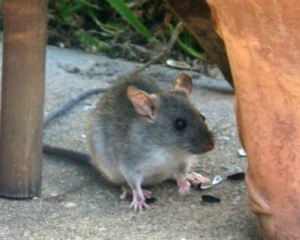
Soft chirps and squeaks during play or exploration are normal. These are quiet, brief sounds that indicate the rats are engaged and interested.
Hissing happens when a rat is annoyed or warning someone to back off. It sounds like a small hiss or sharp breath.
Rats also communicate ultrasonically at frequencies humans can’t hear. They’re actually “talking” to each other all the time in ways we can’t detect.
Loud, aggressive chattering can happen during fights or when a rat is very annoyed. This sounds angrier than bruxing.
Wheezing, clicking, or rattling sounds aren’t vocalizations. These are respiratory sounds that signal illness and need vet care.
Compared to all these other sounds, loud squeaking stands out as the distress signal. It’s the sound that means “something’s wrong, help me.”
Conclusion
Rats squeak loudly when they’re in pain, scared, fighting, or experiencing medical problems. Unlike their happy sounds like bruxing or soft play chirps, loud squeaking is always a warning that something needs your attention.
When you hear loud squeaking, investigate immediately. Check for fights, injuries, illness, or threats in the environment. Respond appropriately by separating fighting rats, providing vet care for injuries or illness, or removing sources of fear.
By understanding what loud squeaking means and responding quickly, you can keep your rats safer and healthier. Your rats are counting on you to hear their distress calls and help them when they need it most.

Hi, my name is Ezra Mushala, i have been interested animals all my life. I am the main author and editor here at snakeinformer.com.