
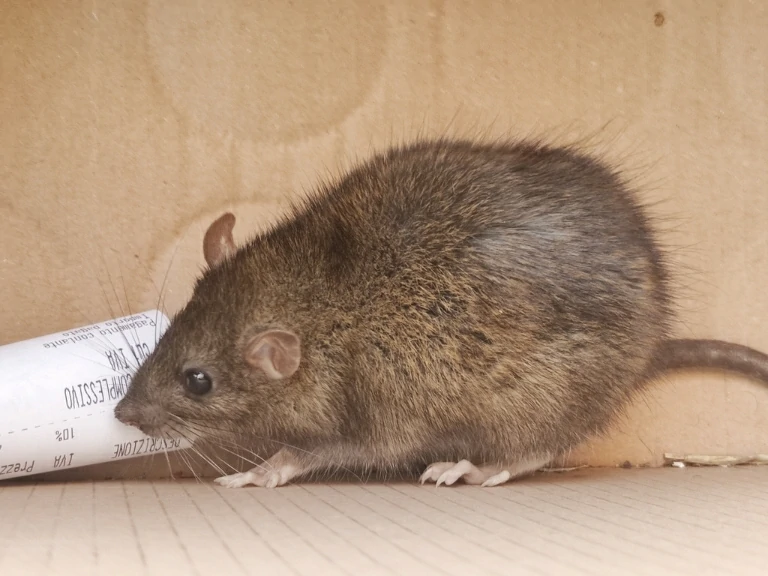
If you’ve ever been near a rat cage or encountered rats in the wild, you’ve probably noticed they can smell pretty bad.
That strong, musky odor is one of the things that puts people off from keeping rats as pets or makes rat infestations so unpleasant.
The smell can range from mildly unpleasant to absolutely overwhelming depending on the situation. So why do rats smell so bad?
Rats smell bad mainly because of ammonia buildup from their urine, scent marking behavior, poor cage hygiene, and natural musk oils on their skin. Male rats smell stronger than females because they mark territory more aggressively. The smell gets worse when cages aren’t cleaned regularly or when rats live in overcrowded, dirty conditions.
The good news is that with proper care, pet rats actually don’t have to smell bad at all. Most of the odor problem comes from how they’re kept, not the rats themselves. Understanding the sources of the smell helps you prevent or eliminate it.
Ammonia From Rat Urine
The single biggest source of rat smell is ammonia from their urine. This is the sharp, eye-watering stench that most people associate with rats.
Rat urine contains urea, a waste product from protein breakdown. When urine sits and bacteria break down the urea, it converts to ammonia gas.
Ammonia has that distinctive sharp, stinging smell that burns your nose. It’s the same chemical that makes cat litter boxes and horse stalls smell if they’re not cleaned enough.

Rats urinate frequently throughout the day and night. They don’t have designated bathroom areas like cats do. They pee wherever they are, which means urine gets all over the cage, bedding, toys, and surfaces.
When urine-soaked bedding sits in a cage for days, the ammonia buildup becomes intense. The smell gets worse in warm conditions because heat speeds up the breakdown process.
The ammonia doesn’t just smell bad. It’s actually harmful to rats and humans. High concentrations irritate eyes, noses, throats, and lungs. For rats living in the cage where ammonia concentrates at floor level, constant exposure damages their respiratory systems and makes them sick.
Male Rats Smell Worse Than Females
If you’ve been around both male and female rats, you’ve probably noticed that males tend to smell much stronger. This isn’t your imagination. There are real biological reasons for this difference.
Male rats produce more urine than females. They use urine for scent marking to establish territory and attract mates. Males will deliberately urinate in small amounts all over their territory.
Intact (not neutered) males are the worst. Their hormones drive them to mark constantly. You might see a male rat drag his belly along surfaces, leaving a trail of urine drops behind him. This is called “buck grease” marking.
Male rats also produce oils on their skin that have a musky smell. This scent is strongest along the back and tail. When combined with urine marking, the smell can be pretty intense.
Female rats still urinate regularly, but they don’t scent mark as aggressively. They produce less of the musky skin oils too.
Neutering male rats significantly reduces the smell. Neutered males mark less frequently and produce fewer hormones that contribute to the musky odor. Many rat owners say their neutered males smell similar to females.
Buck Grease and Skin Oils
Beyond urine, rats produce natural oils on their skin that contribute to their smell. In males, this is often called “buck grease.”
Buck grease is a yellow-orange oily substance that builds up on a male rat’s back, sides, and tail. It has a distinctive musky, sometimes greasy smell.
This oil is produced by sebaceous glands in the skin. Intact males produce way more of it than neutered males or females. The oils serve as another way to mark territory and signal to other rats.

You can often see buck grease as a yellowish discoloration on the fur, especially on white or light-colored rats. The tail can look particularly greasy and dirty.
Some male rats produce more buck grease than others. It varies by individual. Factors like diet, hormones, age, and overall health affect how much oil they produce.
You can reduce the smell and appearance of buck grease by wiping your male rat down with unscented baby wipes occasionally. Some owners give their male rats gentle baths every few weeks to wash away the buildup.
Female rats produce similar skin oils but in much smaller amounts. You probably won’t notice it on females at all.
Dirty Cages and Poor Hygiene
Here’s the truth that many people don’t realize: clean, well-cared-for pet rats don’t smell bad. Most of the smell problem comes from cages that aren’t cleaned often enough.
If you clean a rat cage thoroughly once a week (or more often with many rats), change bedding completely, wash all surfaces, and spot-clean daily, the smell is minimal.
But if bedding sits for two weeks, three weeks, or longer, the ammonia and bacteria buildup becomes disgusting. This is where the reputation for rats smelling terrible comes from.
Overcrowded cages smell worse because more rats mean more urine and more waste in the same space. The concentration of ammonia builds up faster.
Cheap, thin bedding that doesn’t absorb well makes the problem worse. If bedding gets saturated quickly, urine sits on the cage floor and on solid surfaces, creating more smell.
Rats kept in aquariums or containers with poor ventilation develop stronger smells because the ammonia can’t dissipate. It just builds up in the enclosed space.
Food waste also contributes to smell. Rats often stash food in hidden spots. Old, rotting food creates additional odors. Check the cage regularly for hidden food piles and remove them.
Scent Marking Behavior
Scent marking is a natural rat behavior, and it’s one of the main reasons they spread urine everywhere. Understanding this behavior helps you manage it better.
Rats use scent to communicate with each other. Urine contains chemical information about the rat’s identity, gender, health, and reproductive status.
When a rat urinates in small amounts on objects and surfaces, it’s leaving messages for other rats. It’s saying “I was here” or “This is my territory.”
Both males and females scent mark, but males do it much more. Intact males can leave dozens of tiny urine marks throughout the day.
Rats mark new objects and areas more heavily. If you put a new toy in the cage or let your rats explore a new room, they’ll mark it extensively.
Rats also mark their favorite people. If a rat really likes you, it might urinate a little on you while sitting on your lap or shoulder. It’s gross, but it’s actually a compliment. The rat is claiming you as part of its territory.
You can’t stop scent marking entirely. It’s hardwired into rat behavior. But neutering males reduces it significantly, and keeping cages clean removes the buildup that creates the worst smells.
Diet and Smell Connection
What you feed your rats can actually affect how much they smell. Diet influences urine composition and the strength of the ammonia odor.
High-protein diets make urine smell stronger. When rats eat lots of protein, their bodies break it down and eliminate the waste as urea in urine. More protein means more urea, which converts to more ammonia.
Cheap, low-quality rat food often contains too much protein, especially from plant sources that rats don’t digest efficiently. This creates smellier waste.
Feeding lots of protein-rich treats like eggs, chicken, or meat can also increase smell. These treats are fine occasionally, but daily protein treats might make your rats smell worse.
On the other hand, a balanced diet with moderate protein (around 16% to 18% for adults) produces less smell. High-quality lab blocks or rat blocks formulated for proper nutrition are your best bet.
Fresh vegetables don’t tend to make rats smell worse. Some owners report that certain vegetables might create mild odor changes, but vegetables are generally fine and healthy.
Drinking enough water helps too. Well-hydrated rats produce more dilute urine, which smells less intense than concentrated urine.
Health Problems That Cause Bad Smells
Sometimes unusual or extra-strong smells from rats can signal health problems. It’s important to know when smell is just normal rat smell versus when it indicates something wrong.
Respiratory infections can create bad breath and a sick smell. If your rat’s breath smells foul or you notice a different smell coming from its body, check for other respiratory symptoms like sneezing, wheezing, or discharge.
Skin infections or abscesses can smell terrible. If you notice a rotting or putrid smell and can locate it to a specific area of the rat’s body, check for wounds, lumps, or signs of infection.

Dental problems can cause bad breath. Rats with overgrown teeth, broken teeth, or mouth infections may have noticeable breath odor.
Diarrhea or digestive problems create extra-foul-smelling waste. If your rat’s droppings suddenly smell much worse than usual and are soft or runny, it might be sick.
Urinary tract infections can change the smell of urine. It might smell stronger, different, or even sweet (which can indicate diabetes).
If you notice unusual smells combined with other symptoms, see a vet. The smell might be your first clue that something’s wrong.
Wild Rats vs Pet Rats
Wild rats generally smell much worse than properly cared for pet rats. The difference comes down to living conditions and hygiene.
Wild rats live in filthy environments. They nest in garbage, sewers, abandoned buildings, and other dirty places. Their fur gets contaminated with whatever they’re living in.
Wild rats don’t groom as effectively as pet rats because they’re stressed, may be sick, and don’t have the same quality nutrition. Dirty fur smells worse.
Wild rat colonies can have dozens or hundreds of rats living in close quarters. The concentration of urine and waste in these colonies is overwhelming.

Wild rats also carry diseases and parasites that pet rats typically don’t have. Some of these can contribute to smell.
Pet rats living in clean cages with regular grooming and good food smell much milder. They groom themselves constantly and keep relatively clean if their environment is clean.
This is why people who’ve only encountered wild rats or poorly kept pet rats think all rats smell terrible. Well-cared-for pet rats really don’t have to be smelly animals.
How to Reduce Rat Smell
If your rats smell bad, there are specific steps you can take to dramatically reduce or eliminate the odor. Most of these are about improving basic care.
Clean the cage at least once a week. Twice a week is even better if you have many rats. Remove all bedding, wash all surfaces with pet-safe cleaner, rinse thoroughly, and add fresh bedding.
Spot-clean daily. Remove visible droppings, soiled bedding, and any spilled food. This prevents buildup between full cleanings.
Use deep, high-quality bedding. Paper-based beddings like Carefresh absorb better than wood shavings and control odor better. Use at least 2 to 3 inches of bedding.
Consider a litter box. Some rats can be trained to use a litter box for most of their urination and defecation. This concentrates waste in one area that’s easy to clean daily.
Neuter male rats. Neutering reduces scent marking and buck grease production significantly. Most neutered males smell similar to females.
Improve ventilation. Make sure the cage has good airflow. Wire cages ventilate better than aquariums or plastic containers. But avoid putting the cage in a drafty spot.
Wash fabric items regularly. Hammocks, pouches, and fleece liners should be washed at least weekly. Urine and oils soak into fabric.
Wipe down solid surfaces. The platforms, shelves, and walls of the cage get marked with urine. Wipe them down during cage cleaning with diluted vinegar or pet-safe cleaner.
Best Bedding Choices for Odor Control
The type of bedding you use makes a huge difference in how much your rats smell. Some beddings control odor much better than others.
Paper-based bedding is usually the best choice. Brands like Carefresh, Yesterday’s News, or similar products absorb urine well and help control ammonia. They’re also low-dust, which is better for rat respiratory health.
Aspen shavings are okay but not as good as paper bedding for odor control. They’re better than cedar or pine, though.
Never use cedar or pine shavings. Besides being dusty and irritating to rat lungs, they don’t control odor as well as paper bedding. The aromatic oils in cedar and pine also cover up smells rather than controlling them, which can mask health problems.
Fleece liners are popular because they’re reusable and eco-friendly. However, they need to be washed very frequently (every 2 to 3 days) or they start to smell. Fleece doesn’t absorb as much as paper bedding, so urine can pool underneath.
Hemp bedding is another option. It’s very absorbent and controls odor well, though it can be expensive.
Corn cob bedding looks clean but doesn’t control odor as well as paper bedding. It can also grow mold if it gets wet, which creates different smell problems.
Use enough bedding. A thin layer of any bedding won’t control smell. Use at least 2 to 3 inches to adequately absorb urine.
Cleaning Products That Work
The products you use to clean the cage can either help control smell or make it worse. Some cleaners leave residues that smell bad or are unsafe for rats.
White vinegar diluted with water (1:1 ratio) is excellent for cleaning rat cages. It neutralizes ammonia, cuts through grime, and is safe for rats when rinsed well. The vinegar smell dissipates as it dries.
Enzyme cleaners designed for pet urine work great on rat cages. These break down the organic compounds in urine that cause smell. Look for products safe for small animals.
Mild dish soap and hot water work fine for routine cleaning. Make sure to rinse thoroughly so no soap residue remains.
Avoid harsh chemicals like bleach, ammonia-based cleaners, or strong disinfectants unless you’re dealing with illness. These can be toxic to rats and irritate their respiratory systems.
If you must use bleach (for example, to disinfect after illness), rinse the cage extremely thoroughly multiple times and let it air out completely before putting rats back in.
Don’t use scented cleaners or leave air fresheners near the cage. These mask smells temporarily but don’t actually eliminate odor sources, and they can harm rats.
Baking soda can help absorb odors. Some people sprinkle a thin layer under their bedding, but make sure it doesn’t create dust that rats could breathe.
Why Some Rats Smell More Than Others
Even with identical care, you might notice that some individual rats smell stronger than others. Several factors explain this variation.
Gender is the biggest factor. Males smell more than females, and intact males smell more than neutered males.
Age matters too. Older male rats often develop more buck grease and may smell stronger. Very old rats might not groom themselves as well if they have arthritis or other health problems.

Individual variation exists. Just like how some people sweat more than others, some rats produce more oils and mark more frequently. It’s genetic and individual.
Health status affects smell. A sick rat might smell different or stronger, either from the illness itself or from not grooming properly.
Diet can vary between rats even in the same cage. If one rat hoards and eats more protein treats, it might smell stronger.
Grooming habits differ. Some rats are fastidious groomers who keep themselves clean. Others are lazy about it and end up dirtier and smellier.
Color can make smell more obvious. White or light-colored rats show buck grease and staining more than dark rats, so they might seem smellier even if the actual smell is the same.
Conclusion
Rats smell bad mainly because of ammonia from urine, scent marking behavior, and male hormones that drive marking and oil production. However, the worst smells come from poor cage hygiene rather than the rats themselves.
With regular cage cleaning, proper bedding, neutering males, and good basic care, pet rats can smell surprisingly mild. Many rat owners report that their well-kept rats have barely any smell at all.
If your rats smell terrible, it’s usually a sign that something needs to change in how they’re being cared for. Clean more often, use better bedding, consider neutering, and address any health problems. Your nose (and your rats’ health) will thank you.

Hi, my name is Ezra Mushala, i have been interested animals all my life. I am the main author and editor here at snakeinformer.com.