

If you have pet rats, you’ve probably noticed a pattern. During the day, they’re often curled up sleeping, barely making a sound. But when evening rolls around, suddenly your quiet cage becomes a hub of activity.
You’ll hear running, climbing, squeaking, and the sound of toys being tossed around. This day-night difference in activity is one of the most noticeable things about rat behavior. So why are rats quiet during the day?
Rats are quiet during the day because they’re naturally crepuscular animals, meaning they’re most active during dawn and dusk. They sleep during the day to conserve energy and stay safe from predators. This is an instinctive behavior that’s hardwired into all rats, both wild and domestic.
Understanding your rat’s natural sleep schedule can help you provide better care and know when to expect noise and activity.
While you can’t completely change this pattern, you can work with it to keep both you and your rats happy.
Rats Are Crepuscular, Not Nocturnal
Most people think rats are nocturnal (active at night), but that’s not quite right. Rats are actually crepuscular, which means they’re most active during twilight hours, dawn and dusk.
In the wild, these times offer the best combination of enough light to see but enough darkness to hide from predators. It’s the sweet spot for rat activity.

This means rats naturally sleep during the brightest parts of the day and the darkest parts of the night. They wake up and become active when the light levels are changing.
For pet rats in homes with artificial lighting, this pattern can shift somewhat. They might be active whenever their humans are active, but they still tend to sleep more during the day.
Predator Avoidance in the Wild
One of the main reasons rats evolved to be quiet during the day is predator avoidance. Many predators that hunt rats, like hawks, eagles, and some snakes, are active during daylight hours.
By sleeping during the day and hiding in burrows or nests, wild rats avoid being seen and caught by these daytime hunters. Staying quiet and still makes them even harder to detect.

Even though your pet rats don’t face predators, this instinct is still hardwired into their behavior. They naturally feel safer sleeping during the day when it’s bright.
This is also why rats often sleep in enclosed spaces like hideouts or hammocks. They’re instinctively trying to stay hidden even though they’re perfectly safe in their cage.
Energy Conservation
Rats have fast metabolisms and burn through energy quickly. Sleeping during the day helps them conserve energy for when they really need it, during their active periods.

When rats are awake, they’re usually very active. They run, climb, explore, play, and eat. All of this takes a lot of energy.
By sleeping for extended periods during the day, rats can store up energy for their evening and early morning activity bursts. This is an efficient way to manage their high-energy lifestyle.
Young rats and older rats might sleep even more than adult rats because they need extra rest for growth or to cope with aging.
They’re Not Completely Inactive During the Day
While rats are generally quiet during the day, they’re not totally inactive. They’ll wake up periodically to eat, drink, use the bathroom, and maybe do a little grooming.
You might notice your rats stirring around mid-morning or early afternoon for a quick snack and drink before going back to sleep.
Some rats are more flexible about their schedule than others. A particularly social rat might wake up if it hears you nearby, hoping for treats or attention.
But for the most part, expect your rats to be sleepy and quiet during daylight hours. This is when they’re getting their main sleep and shouldn’t be disturbed too much.
Light Levels Affect Their Activity
Rats use light levels as a cue for when to be active and when to sleep. When it’s bright, they sleep. When it gets dimmer, they wake up.
This is controlled by their circadian rhythm, which is their internal biological clock. This clock is influenced by light exposure and tells the rat when it’s time to be active or rest.

If you keep your rats in a room with no natural light and the artificial lights are on all the time, this can mess with their natural rhythm.
Rats do best with a regular light-dark cycle. They need about 12 hours of light and 12 hours of darkness (or at least dim light) to maintain healthy sleep patterns.
Temperature Also Plays a Role
Rats are sensitive to temperature, and this affects when they’re active. During hot days, rats will sleep more to avoid overheating.
Being active generates body heat, so sleeping during the warmest part of the day helps rats stay cool. This is especially true for wild rats in hot climates.
Pet rats in climate-controlled homes might not show this behavior as strongly, but they still tend to be less active during the day when temperatures naturally rise.
If you notice your rats are especially lethargic during the day in summer, make sure their cage isn’t in direct sunlight and that the room temperature is comfortable.
Nighttime Activity Can Be Noisy
When rats are active, they’re not quiet about it. They’ll run on wheels, climb cage bars, toss toys around, dig in their bedding, and wrestle with cage mates.
All of this creates noise, which is why many rat owners notice the activity most at night when they’re trying to sleep. This can be frustrating if your rats’ cage is in your bedroom.
The noise isn’t the rats being deliberately annoying, they’re just doing natural rat behaviors during their natural active time. To them, nighttime (or evening/early morning) is prime time for activity.
If the noise is a problem, you might need to move the cage to a different room or find ways to reduce cage noise (like using quieter bedding or removing the noisiest toys overnight).
Age Affects Activity Patterns
Young rats tend to have more energy and be active for longer periods than adult rats. Baby and juvenile rats might wake up more often during the day to play and eat.
As rats mature into adults, they usually settle into a more predictable routine with longer daytime sleep periods and concentrated activity during twilight hours.

Elderly rats sleep more overall. They might still be slightly more active in the evening, but they won’t have the energy bursts that younger rats do.
Sick or injured rats will also sleep more and be quieter than healthy rats. If your rat’s activity level changes suddenly, it could be a sign of health problems.
Social Rats Might Adjust Their Schedule
Rats are social animals, and pet rats often adjust their schedules somewhat to match their humans. If you interact with your rats regularly during the day, they might start waking up more often when you’re around.
This doesn’t mean they’ll become completely diurnal (daytime-active), but they might be more willing to wake up for treats, playtime, or handling during your active hours.
Rats that are bonded to their owners will often come to the front of the cage when they hear their human approaching, even if it’s during their normal sleep time.
Still, you shouldn’t force rats to be awake during the day. They need their sleep, and constantly waking them up can cause stress and health problems.
How to Work with Your Rat’s Schedule
The best approach is to work with your rat’s natural schedule rather than against it. Plan playtime and interaction for early evening or early morning when your rats are naturally more active.
If you want to handle your rats during the day, do it when they’re naturally waking up for a snack. You’ll have better luck getting responsive, happy rats.
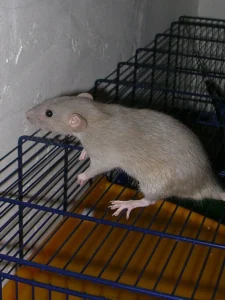
Avoid loud noises or disturbances during the day when your rats are sleeping. Just like you wouldn’t want someone waking you up repeatedly during your sleep time, rats need uninterrupted rest.
Keep the cage in a location where your normal daytime activities won’t constantly disturb the rats. A quiet corner of a living room is better than right next to a TV or in a high-traffic area.
Providing a Good Sleep Environment
To help your rats get quality sleep during the day, give them plenty of hiding spots and enclosed sleeping areas. Hammocks, boxes, tubes, and igloos all make good sleeping spots.
Use bedding that’s comfortable and absorbent. Rats like to burrow and nest, so having enough bedding to dig into helps them feel secure while sleeping.
Keep the cage out of direct sunlight. Bright light can make it hard for rats to sleep, and direct sun can overheat the cage quickly.
Maintain a regular schedule. Try to keep lights on and off at consistent times so your rats can maintain their natural circadian rhythm.
When Daytime Quietness Is a Problem
While it’s normal for rats to be quiet during the day, excessive sleepiness or total lack of activity can be concerning. Healthy rats should still wake up periodically to eat and drink.
If your rats are sleeping all day and all night, barely eating, and showing no interest in anything, something is wrong. This could indicate illness, depression, or environmental problems.
Check that the temperature is appropriate (65-75°F is ideal), the cage is clean, there’s fresh food and water, and the rats aren’t showing signs of illness like discharge from eyes or nose, labored breathing, or lumps.
Rats that are sick will often sleep more than healthy rats. If you’re worried about your rat’s activity level, a vet visit is a good idea.
Multi-Rat Households
In multi-rat households, you might notice that rats influence each other’s sleep schedules. If one rat wakes up and starts moving around, others might wake up too.
This is because rats are social sleepers. They often sleep in piles with their cage mates, and when one rat gets up, it can disturb the others.
You might also see rats taking turns being “on watch.” While most of the group sleeps, one rat might stay awake and alert. Then they’ll switch, and a different rat will be the watchful one.
This is instinctive behavior from their wild ancestors, where having at least one rat staying alert helped protect the group from predators.
Conclusion
Rats are quiet during the day because they’re crepuscular animals that naturally sleep when it’s bright outside. This behavior evolved to help them avoid daytime predators and conserve energy for their active periods at dawn and dusk.
While pet rats don’t face the same dangers as wild rats, this sleep pattern is hardwired into their biology. They’ll naturally be quieter and less active during daylight hours and wake up for serious activity in the evening and early morning.
Understanding and respecting your rat’s natural schedule will help you provide better care. Plan interactions for when they’re naturally active, provide good sleeping spaces for daytime rest, and don’t stress if your quiet daytime rats turn into noisy nighttime acrobats.

Hi, my name is Ezra Mushala, i have been interested animals all my life. I am the main author and editor here at snakeinformer.com.