
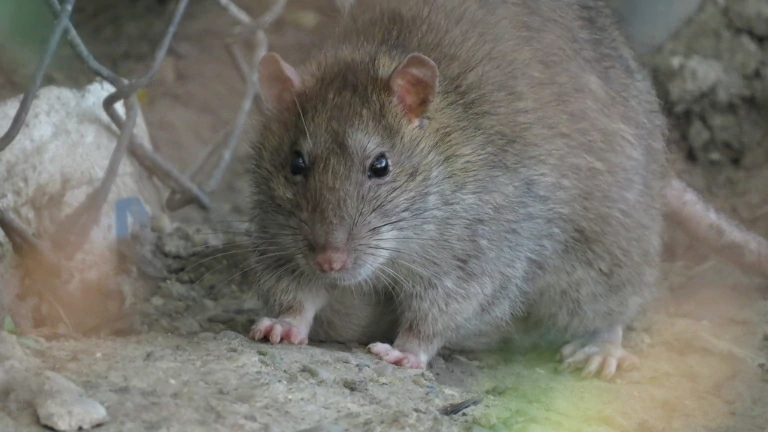
If you have multiple pet rats, you’ve probably seen this behavior. One rat suddenly tackles another, pins it down on its back or side, and holds it there for a few seconds.
This can look alarming if you’ve never seen it before, especially if the pinned rat squeaks or seems to struggle. But in most cases, pinning is actually a normal part of rat social behavior. So why do rats pin each other down?
Rats pin each other down to establish social hierarchy, play, resolve conflicts, or show dominance. This is normal behavior in rat groups and usually isn’t harmful. The pinning helps rats figure out their social rank and maintain order in the group without serious fighting.
Understanding the difference between normal pinning and actual aggression is important for keeping your rats safe and happy.
Most pinning is completely harmless, but sometimes it can cross the line into bullying or fighting.
Establishing Social Hierarchy
The most common reason rats pin each other down is to establish who’s in charge. Rats are social animals that live in groups with clear hierarchies.
Every rat group has a dominant rat (usually called the “alpha”), subordinate rats, and sometimes rats in the middle. Pinning is one way rats figure out and maintain this social order.

When a dominant rat pins a subordinate rat, it’s basically saying “I’m in charge here.” The subordinate rat usually submits by staying still and quiet.
This isn’t mean or cruel, it’s just how rats organize their social groups. Having a clear hierarchy actually reduces serious fighting because everyone knows their place.
It’s Part of Normal Play
Young rats especially love to play-fight, and pinning is a big part of this. Rats will chase each other, wrestle, and pin each other down as part of their play.
Play pinning looks different from dominance pinning. During play, the rats take turns being the pinner and the pinned. One rat will pin the other, let it up, then get pinned itself.
The rats usually move quickly and energetically. They might hop around, do little jumps, and generally look like they’re having fun.
Play pinning is important for young rats because it helps them develop social skills, learn their physical limits, and build relationships with their cage mates.
Males Pin More Than Females
Male rats tend to pin each other more frequently than female rats. This is partly because males are more focused on establishing dominance and social rank.
Unneutered males especially will pin each other a lot, particularly during adolescence when hormones are high and they’re figuring out the social hierarchy.

Female rats do pin each other, but they usually rely more on other behaviors like grooming, sharing food, or subtle body language to maintain their social structure.
If you have a mixed group of males and females, you’ll probably see the males pinning each other far more often than the females pinning anyone.
How to Tell If It’s Normal or Aggressive
Normal pinning is brief, usually lasting just a few seconds. The dominant rat pins the other rat, the subordinate rat submits (stays still and quiet), and then both rats go back to normal activities.
You might hear some squeaking during normal pinning, but it’s usually short and not too loud. The pinned rat might struggle a little but gives up quickly.
Aggressive pinning looks different. It lasts longer, the pinning rat might bite or scratch, and the pinned rat will scream loudly and struggle hard to escape.
After aggressive pinning, you might see injuries like bite marks, scratches, or missing patches of fur. The pinned rat might also act scared and try to avoid the aggressive rat afterward.
New Rats Need to Figure Out Rank
When you introduce a new rat to an existing group, you’ll usually see a lot more pinning than normal. The rats are figuring out where the new rat fits in the hierarchy.
This can look concerning because there might be a lot of chasing, pinning, and squeaking. But as long as no one is getting hurt, this is normal and necessary.

The adjustment period can last anywhere from a few days to a couple of weeks. During this time, the rats are basically negotiating who’s in charge and who’s subordinate.
Once the hierarchy is established, the pinning should decrease significantly. You’ll still see it occasionally, but not as frequently or intensely as during the introduction period.
Barbering Can Happen with Dominant Rats
Sometimes a very dominant rat will pin another rat and then “barber” it, meaning it chews or pulls out patches of fur. This is the dominant rat asserting its control.
Light barbering isn’t necessarily harmful, though it can make the subordinate rat look patchy and scruffy. The rat being barbered usually doesn’t seem bothered by it.
Excessive barbering can be a sign of stress or overly aggressive dominance. If one rat is being barbered so much that it has bald spots or irritated skin, you might need to separate them.
Some rats are just chronic barbers and will do this to any cage mate. These rats might need to live alone or only with very confident rats that won’t tolerate being barbered.
Hormones Drive Some Pinning Behavior
Unneutered male rats produce testosterone, which increases aggressive and dominant behaviors, including pinning. These males will pin each other frequently to establish and maintain dominance.
During adolescence (around 4-8 months old), male rats often become more aggressive as their hormone levels surge. Pinning and other dominance behaviors increase during this time.

Neutering male rats can reduce pinning behavior significantly, though it won’t eliminate it completely. Even neutered males still need to establish social hierarchy.
Female rats also have hormonal cycles, and some females become more aggressive or dominant when they’re in heat. You might see more pinning during these times.
The Pinned Rat’s Response Matters
How the pinned rat reacts is just as important as the pinning itself. A rat that understands rat social rules will submit when pinned, staying still and quiet.
This submission tells the dominant rat “okay, you win, you’re in charge.” The dominant rat then lets the subordinate rat go, and everything is fine.
Problems happen when a rat doesn’t submit properly. If the pinned rat keeps struggling and fighting back, the dominant rat might escalate to actual fighting to enforce its dominance.
Very confident or dominant rats might refuse to submit even when pinned. This can lead to ongoing conflicts as two rats compete for the top position in the hierarchy.
It Can Be About Resources
Sometimes rats pin each other over specific resources like food, sleeping spots, or toys. The dominant rat is basically saying “this is mine” by pinning a subordinate rat that got too close.
This is more common if resources are limited. If you only have one hammock and three rats, they’ll need to figure out who gets priority access.
Providing multiple food dishes, water bottles, hammocks, and hiding spots can reduce resource-based pinning. When there’s plenty to go around, there’s less to fight about.
Still, even with abundant resources, dominant rats might pin others just to remind them who’s boss. It’s not always about the actual resources, sometimes it’s just about maintaining rank.
When Pinning Becomes Bullying
Sometimes pinning crosses the line from normal dominance behavior to actual bullying. This happens when one rat constantly pins another, doesn’t let it access food or water, and generally makes its life miserable.
A bullied rat will look stressed. It might lose weight, have patches of missing fur, act scared or jumpy, and spend a lot of time hiding.
If you see this happening, you need to intervene. Sometimes separating the rats temporarily and reintroducing them slowly can help reset the dynamic.
In severe cases, the rats might not be compatible and will need to live separately. Not all rats get along, and forcing them to live together when one is being bullied isn’t fair to the victim.
Multiple Rats Create Complex Dynamics
The more rats you have, the more complex the social dynamics become. With just two rats, the hierarchy is simple (one is dominant, one is subordinate).
With three or more rats, you might have an alpha rat at the top, a beta rat in the middle, and omega rats at the bottom. The beta rat might pin omega rats but submit to the alpha.
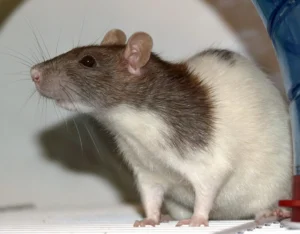
You might see shifting alliances, where two rats team up against a third. Or one rat might be dominant in certain situations (like around food) but subordinate in others (like when sleeping).
These complex dynamics are normal and actually show that your rats have a functioning social group. As long as everyone is healthy and no one is being seriously injured, let them work it out.
Age and Experience Matter
Older, more experienced rats usually know the social rules better and engage in less pinning because the hierarchy is already established and everyone knows their place.
Young rats need to learn these rules, so they pin each other more as they’re figuring things out. They’re basically practicing social skills.
An older rat introduced to young rats might need to pin them frequently at first to teach them respect and establish itself as the elder.
Very old rats sometimes lose their dominant position because they can’t physically enforce it anymore. You might see younger rats starting to pin an elderly rat that used to be the alpha.
What You Should Do
Most of the time, you should do nothing. Pinning is normal rat behavior and they need to be allowed to establish their social hierarchy without human interference.
Watch to make sure no one is getting hurt. As long as the pinning is brief, doesn’t result in injuries, and both rats go back to normal afterward, leave them alone.
If the pinning seems excessive, lasts too long, or one rat is clearly distressed, you might need to step in. A quick hand clap or saying “hey” in a firm voice can interrupt the behavior.
Never punish rats for pinning. This is natural behavior and they don’t understand why you’d be upset about it. Punishment will just stress them out and make behavior problems worse.
Conclusion
Rats pin each other down to establish social hierarchy, play, and communicate about dominance and submission. This is completely normal behavior in rat groups and usually isn’t harmful.
Understanding the difference between normal pinning and actual aggression helps you know when to let your rats work things out and when to intervene. Most pinning is brief, relatively quiet, and ends with both rats going back to their normal activities.
As long as no one is getting injured and all rats are eating, drinking, and behaving normally, the pinning you’re seeing is probably just healthy social interaction. This is how rats maintain order and relationships in their group.

Hi, my name is Ezra Mushala, i have been interested animals all my life. I am the main author and editor here at snakeinformer.com.