
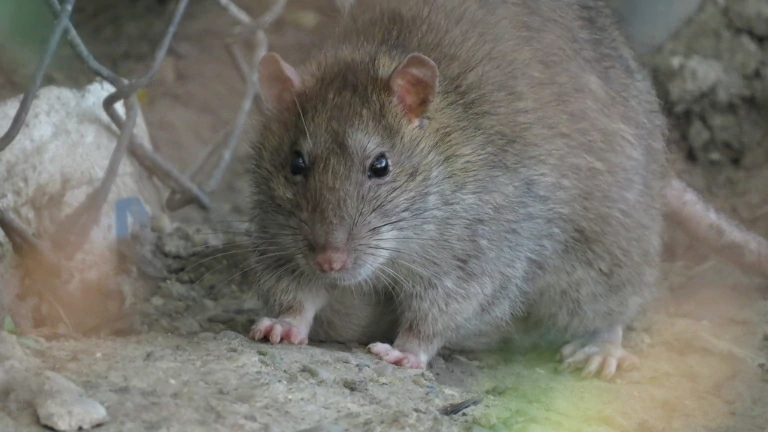
If you have pet rats or have dealt with wild rats in your home, you’ve probably noticed one particularly frustrating habit. They seem to pee everywhere they go, leaving tiny puddles and wet spots all over the place.
This behavior can be messy and confusing, especially if you’re used to other pets that can be house-trained. So why do rats pee everywhere?
Rats pee everywhere because they use urine to mark their territory, communicate with other rats, and navigate their environment. Both male and female rats do this, though males tend to mark more frequently. This is completely normal rat behavior and isn’t something you can fully stop.
Rats don’t pee everywhere because they’re dirty or poorly trained. It’s actually a natural behavior that serves important purposes in their world.
Understanding why they do this can help you manage it better and keep your home or their enclosure cleaner.
Scent Marking and Territory
The main reason rats pee so much is scent marking. Rats have scent glands that produce chemicals called pheromones, and these chemicals are released in their urine.
When a rat pees in different spots, it’s leaving behind a scent trail that tells other rats “I was here” or? “this is my space.” This is how rats claim territory and establish dominance.
Male rats are especially notorious for scent marking. They’ll dribble small amounts of urine as they walk, creating a map of where they’ve been.
Some rats will also mark vertical surfaces like walls, cage bars, or the sides of furniture. This gives other rats a three-dimensional map of their territory.
You might notice them leaving tiny droplets along ledges or corners. These aren’t accidents, they’re intentional markers that help the rat feel secure in its environment.
Even subtle surfaces like the edge of a shelf or the rim of a water bottle can get marked over time.
Female rats also scent mark, but usually less frequently than males. The behavior increases in both sexes when they’re in new environments or around other rats.
Communication with Other Rats
Urine isn’t just about marking territory. It’s also how rats talk to each other. The pheromones in rat urine carry information about the rat’s identity, health, reproductive status, and even emotional state.
When one rat encounters another rat’s urine, it can “read” this information. This is why you’ll often see rats sniffing spots where other rats have been.

In multi-rat households, scent marking helps establish social hierarchies. Dominant rats tend to mark more frequently, and subordinate rats will often avoid marking in areas where the dominant rat has already marked.
Rats can even detect subtle changes in each other’s health or mood through urine.
For example, a rat feeling ill may leave slightly different pheromone signals, and other rats will notice and adjust their interactions accordingly.
Mothers use scent to keep track of their pups, and young rats can follow older rats’ urine trails to learn safe paths or find hidden food.
In this way, urine becomes a sophisticated communication tool, almost like a written message invisible to humans.
This chemical communication is so important to rats that they’ll continue doing it even in environments where there are no other rats around.
Navigation and Familiarity
Rats use their urine trails to navigate. When a rat marks its environment with urine, it’s creating a familiar scent map that helps it find its way around.
This is especially important for rats because they have relatively poor eyesight. They rely much more heavily on their sense of smell to understand their surroundings.
If you move your pet rat to a new cage or let it explore a new room, you’ll probably notice it marking more frequently at first. The rat is making the new space smell familiar and safe.
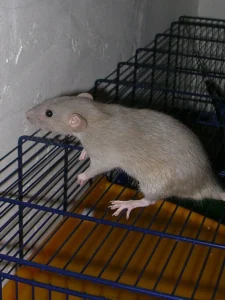
Once the area is thoroughly marked, the rat might reduce its marking slightly, though it’ll still maintain the scent trails with regular marking.
Rats can even combine visual landmarks with scent trails. When exploring a new space, they often pause to sniff objects and surfaces, linking smells to shapes and positions.
This dual system of navigation allows them to move quickly and confidently, even in low light or cluttered areas.
In a pet cage, this is why your rat might consistently walk the same routes or circle familiar objects. It’s reinforcing its scent map for easy navigation.
Stress and Anxiety
Rats often increase their scent marking when they’re stressed or anxious. If something in their environment changes, like a new pet in the house, a different cage location, or even rearranged furniture, rats might mark more to cope with the stress.
This extra marking helps them feel more secure. By saturating their environment with their own scent, they’re basically surrounding themselves with something familiar and comforting.

If your rat suddenly starts peeing more than usual, it could be a sign that something is bothering it. Look for other stress signals like excessive grooming, hiding, or changes in eating habits.
Environmental stress can also come from subtle changes like loud noises, unfamiliar scents, or even strong cleaning products. Rats are highly sensitive to smell, so introducing a new air freshener or moving furniture can trigger extra marking.
Overcrowding or introducing new rats without proper acclimation can also spike urine marking, as rats try to reestablish boundaries and reduce tension in their social hierarchy.
Reducing stressors in the rat’s environment can sometimes help decrease excessive marking, though some baseline marking will always continue.
Hormones and Sexual Behavior
Hormones play a big role in scent marking, especially in male rats. Unneutered males produce testosterone, which increases marking behavior significantly.
These males will often leave urine trails constantly, sometimes even while they’re walking around. It’s not that they can’t control it, they’re actively choosing to mark as much as possible.

Female rats also increase their marking when they’re in heat. They’ll leave scent trails to advertise their reproductive availability to male rats.
Neutering male rats can reduce marking behavior quite a bit, though it won’t eliminate it completely. Even neutered rats still mark to some degree because it’s such an ingrained part of their natural behavior.
Female rats can also increase marking during ovulation, leaving more urine around nesting or hiding spots to signal fertility.
Even subtle hormonal cycles in both sexes can influence marking frequency, and these changes are often more pronounced in younger, more active rats.
They Can’t Control It Like Other Pets
One important thing to understand is that rats aren’t really capable of being house-trained in the way dogs or cats are. Their bladders work differently, and marking is an instinctive behavior, not a bathroom accident.
Rats can learn to use a litter box for most of their actual urination and defecation. Many pet rats will naturally choose one corner of their cage as a bathroom area.

But the small dribbles of urine they leave while scent marking are different. These aren’t “bathroom trips,” they’re deliberate communication acts.
You can train a rat where to go to the bathroom, but you can’t train away the biological urge to scent mark.
Even litter-trained rats will leave occasional droplets in random spots as part of their marking instinct.
Unlike cats or dogs, rats don’t associate this with a “bathroom accident”. It’s purposeful communication.
Some rats will even mark objects you handle, like keys or clothing, as if noting changes in their human environment.
Health Issues That Increase Urination
While most rat peeing is normal marking behavior, sometimes excessive urination can signal a health problem. Urinary tract infections, kidney disease, or diabetes can all cause rats to pee more than usual.
If your rat’s urine suddenly looks different (cloudy, bloody, or unusually dark), smells stronger than normal, or if the rat seems to be straining to pee, it might need veterinary care.
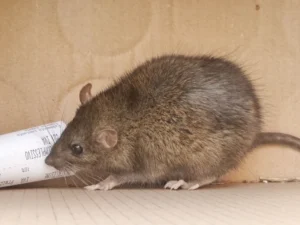
Increased drinking and urination together can be a sign of kidney problems or diabetes. If you notice your rat drinking way more water than usual and producing more urine, get it checked by a vet.
It’s important to know the difference between normal scent marking (small dribbles) and actual urination (larger puddles). Both are normal, but changes in either pattern could indicate health issues.
Male Rats vs Female Rats
Male rats are generally worse about marking than females. Unneutered males can be absolutely relentless, leaving tiny urine drops everywhere they walk.
They’ll mark on you, on their cage, on furniture, on other rats, and basically any surface they encounter. This is totally normal for male rats, just really messy.
Female rats mark too, but usually less frequently. They tend to focus their marking around their nesting areas and during their heat cycles.
If you want a rat that marks less, getting females or neutered males is your best bet. But even these rats will still mark to some degree.
How Age Affects Peeing Behavior
Younger rats tend to mark more frequently than older rats. This is partly because they are more energetic and curious, exploring new spaces constantly.
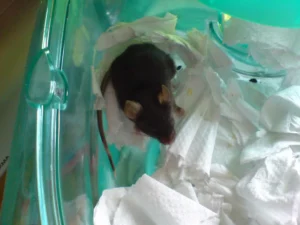
As rats mature, they often become more deliberate, leaving urine only in key areas like nesting spots or pathways.
However, hormonal cycles and social dynamics can keep marking frequent even in older rats.
How to Manage the Peeing
You can’t stop rats from marking, but you can manage it. For pet rats, using fleece liners in their cage that you can wash regularly makes cleanup much easier than trying to constantly replace bedding.
Keep paper towels or wipes handy for when your rats are out playing. You can quickly wipe up any pee spots before they dry and smell.
Some people use “pee rocks” or specific objects in the cage that rats preferentially mark. The rats will focus most of their marking on these objects, which you can then clean or replace easily.
Washing your hands after handling rats is important, not just because of the pee but also because rats can carry bacteria. This is just basic hygiene when dealing with any pet.
Cage Setup Tips to Reduce Peeing
Placing multiple litter boxes in different corners of the cage can help guide your rats to consistent bathroom spots.
Using materials like paper bedding or fleece liners in these areas makes cleaning easier and encourages rats to use designated spots.
Adding hideaways or tunnels can also reduce random marking, as rats feel more secure in defined spaces.
Changing the layout occasionally can help prevent marking on new areas, but keep core litter zones consistent to reinforce good habits.
Free-Roaming Rats and Furniture
If you let your rats free-roam in your home, the marking can become an issue with furniture and carpets. Rats will mark these areas just like they mark their cage.
Some people designate specific “rat-safe” areas with washable surfaces. Others use washable blankets or pee pads on furniture where rats are allowed.
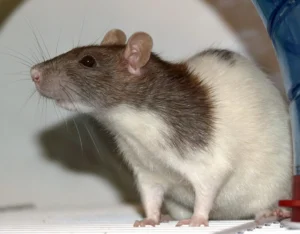
Training rats to stay in certain areas can help, but it won’t stop the marking behavior in those areas. You’re just containing the mess to places that are easier to clean.
Enzymatic cleaners work best for removing rat urine smell from fabrics and surfaces. Regular cleaners might remove the visible stain but leave the scent behind, which could actually encourage more marking.
The Smell Factor
Rat urine does have a smell, especially male rat urine. It’s musky and can build up quickly if you don’t clean regularly.
The smell is partly from the urine itself and partly from the pheromones in it. The stronger the smell, the more information other rats can gather from it.
Keeping cages clean, washing fabric items frequently, and maintaining good ventilation can help control the smell. Some cage materials hold odors more than others, powder-coated metal tends to be easier to keep fresh than plastic.
If the smell becomes overwhelming, it might mean you need to clean more frequently or that you have too many rats in too small a space.
Male Urine Smells Stronger
Male rats produce higher levels of certain pheromones, which gives their urine a much stronger odor than females.
This musky scent serves as a communication signal to other rats, indicating dominance, territory, and sexual availability.
Even neutered males retain some of these pheromones, though less intense.
In homes with multiple rats, this smell can build up quickly, which is why frequent cleaning and proper ventilation are key to maintaining a pleasant environment.
Conclusion
Rats pee everywhere because it’s how they communicate, mark territory, and navigate their world. This is completely normal behavior driven by instinct and hormones, not a sign of poor training or a dirty animal.
Male rats tend to mark more than females, and unneutered males are the most prolific markers. You can’t train this behavior away completely, but you can manage it with regular cleaning and smart cage setup.
If you have pet rats, understanding that marking is natural can help you accept it as part of rat ownership. With the right cleaning routine and realistic expectations, you can enjoy your rats without being overwhelmed by the mess.

Hi, my name is Ezra Mushala, i have been interested animals all my life. I am the main author and editor here at snakeinformer.com.