
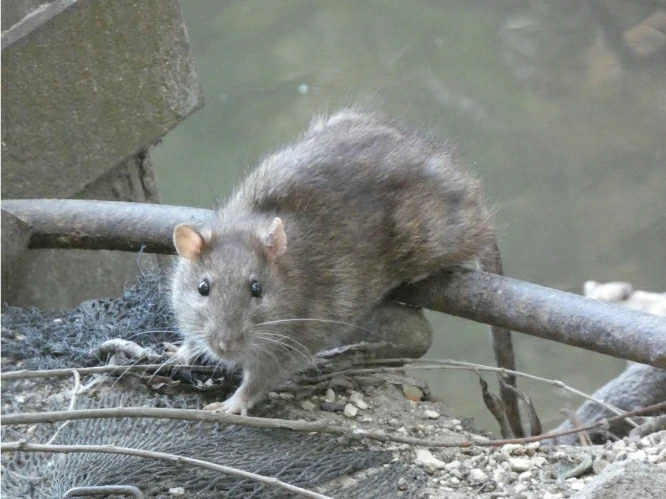
If you’ve ever heard a rat scream in the middle of the night, you know it’s a sound that can send chills down your spine. It’s high-pitched, urgent, and honestly pretty disturbing if you don’t know what’s causing it.
Whether you have pet rats or you’ve heard wild rats making this noise outside, it’s natural to wonder what’s going on. So why do rats scream at night?
Rats scream at night primarily when they’re in pain, being attacked, or experiencing extreme fear. Since rats are most active during nighttime hours, this is when conflicts between rats, encounters with predators, and other stressful situations are most likely to happen. The screaming is a distress call that warns other rats of danger.
Understanding why rats scream can help you figure out if your pet rats are in trouble or if wild rats near your home are facing some kind of threat. The sound always means something serious is happening.
Rats Are Naturally Active at Night
Before we get into why rats scream, it’s important to understand when they’re most active. Rats are nocturnal animals, which means they do most of their living during the night.
During daylight hours, rats typically sleep or rest in their nests. When the sun goes down, they wake up and start their daily routine of looking for food, exploring their territory, and interacting with other rats.

This is why you’re much more likely to hear rats screaming at night than during the day. It’s not that nighttime specifically makes them scream, it’s just when they’re awake and active, so that’s when all their activities (including the ones that cause screaming) happen.
Wild rats stick to nighttime activity because it helps them avoid predators. Many of the animals that hunt rats are active during the day, so staying hidden until dark gives rats a better chance of survival.
When Rats Fight Each Other
One of the most common reasons rats scream is because they’re fighting with other rats. Rat fights can get pretty brutal, and the losing rat will often let out screams of pain or fear.
Rats fight over territory, food, mates, and social dominance. In wild rat colonies, there’s usually a hierarchy with dominant rats and subordinate ones. When a rat challenges the established order or when a new rat tries to join the group, fights can break out.
These fights aren’t just playful wrestling. Rats have sharp teeth and can inflict serious injuries on each other. The rat that’s being bitten or overpowered will scream, partly from pain and partly as a signal of submission.
In pet rat situations, fights can happen if you’re trying to introduce new rats who don’t get along, or if there’s not enough space or resources for all the rats in the cage. The screaming is a warning sign that the fight is getting serious.
How Predators Trigger Rat Screams
Another major reason rats scream at night is because they’re being attacked by predators. Rats have a lot of natural enemies, and nighttime is when many of these encounters happen.
Common rat predators include cats, owls, snakes, weasels, and even larger rats. When a predator catches a rat, the rat will often scream loudly as it’s being killed or eaten.
This screaming serves a purpose beyond just expressing pain. It’s a warning to other rats in the area that danger is nearby. Other rats hear the scream and know to stay hidden or run away.
If you hear rats screaming outside at night, there’s a good chance a cat or owl is hunting them. The screams usually stop pretty quickly, which is a grim sign that the predator was successful.
What Pain-Related Screaming Sounds Like
Rats experiencing physical pain will scream, and this type of screaming has a particular quality that’s different from other types of rat vocalizations.
A pain scream is usually high-pitched, sharp, and sudden. It might be a single loud shriek or a series of short screams. The sound is distressing to hear because it’s clearly a cry of suffering.
In pet rats, pain screams might happen if they’ve injured themselves (like getting a foot caught in cage bars), if they’re sick and experiencing internal pain, or if you’ve accidentally hurt them while handling them.
If your pet rat screams and you can’t see an obvious cause like a fight or being attacked, check them over carefully for injuries. Sometimes rats can hurt themselves in ways that aren’t immediately obvious.
Why Fear Makes Rats Scream
Rats don’t just scream when they’re in immediate danger or pain. They’ll also scream when they’re extremely frightened, even if nothing has actually hurt them yet.
A rat might scream if it’s cornered by a predator with no escape route, if it’s trapped somewhere, or if it encounters something that terrifies it. The scream is basically a panic response.
In pet rats, fear screaming can happen during stressful situations like being grabbed by someone they don’t trust, being cornered, or encountering a perceived threat like a loud noise or unfamiliar person.
Fear screams often come with other signs of terror, like the rat’s eyes bulging, their body going rigid, or them trying desperately to escape. It’s their way of saying “I’m in serious danger and I need help.”
Do Male and Female Rats Scream Differently?
Both male and female rats can and do scream, but there are some differences in when and why each gender might be more likely to make these sounds.
Male rats tend to be more aggressive and territorial, especially if they haven’t been neutered. This means male rats are more likely to get into fights with each other, which can lead to more screaming.
Female rats can be aggressive too, particularly when they’re pregnant or protecting babies. A mother rat will scream if she feels her babies are threatened, and she’ll fight fiercely to protect them.
The actual sound of the scream is pretty similar between males and females, though some people report that female screams can be slightly higher-pitched. But individual variation matters more than gender when it comes to the exact sound.
What Rat Screams Mean in a Colony
In wild rat colonies, screaming serves as an important communication tool. It’s not just the screaming rat expressing distress, it’s also sending information to all the other rats nearby.
When one rat screams, others in the colony immediately become alert. They’ll often freeze, listening to figure out where the danger is coming from and what type of threat it might be.

If the screaming continues or if there are multiple screams, other rats will typically flee to safety or hide in their burrows. The screaming rat is basically sacrificing itself to warn the others.
In pet rat groups, you might notice that when one rat screams, the others react immediately. They might run to check on the screaming rat or scatter to hiding spots. This shows that even domesticated rats still understand and respond to these distress calls.
How to Tell If Your Pet Rat’s Screaming Is Serious
If you have pet rats and you hear one scream at night, you need to figure out quickly whether it’s an emergency or a less serious issue.
First, turn on the lights and check what’s happening. Look for obvious problems like rats fighting, a rat stuck somewhere, or a rat that’s injured. Sometimes the cause will be immediately clear.
A single short scream might not be a major emergency. Sometimes rats will let out a quick scream if they startle themselves or if another rat accidentally steps on them during play.
But repeated screaming or prolonged screaming is always serious. This means the rat is in real distress, and you need to intervene. Separate fighting rats, help a stuck rat get free, or get your rat to a vet if they seem injured or sick.
Can Rats Scream in Their Sleep?
This is an interesting question that rat owners sometimes wonder about. Can rats have nightmares and scream because of them?
There’s no strong scientific evidence that rats scream in their sleep the way humans might cry out from a nightmare. But rats do experience sleep cycles that include REM sleep (the stage where dreaming happens in humans).
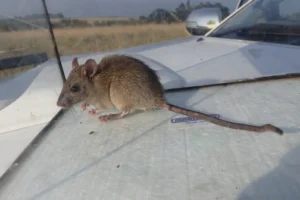
If you hear a scream from a sleeping rat, it’s more likely that they were startled awake by something (like a noise or another rat moving) rather than having a nightmare. The scream would be their immediate reaction to being suddenly woken up.
Some rats do make other sounds while sleeping, like small squeaks or chirps. But a full scream is almost always because the rat is awake and experiencing actual distress, not dreaming about it.
Why Wild Rats Scream More Than Pet Rats
If you have pet rats, you might notice they rarely scream compared to wild rats. There are good reasons why domesticated rats are generally quieter.
Wild rats face constant threats. They deal with predators, fights over resources, territory disputes, and all kinds of dangers that can trigger screaming. Their lives are much more stressful and dangerous than pet rats.
Pet rats live in a safe, controlled environment with regular food, no predators, and (hopefully) compatible cage mates. They simply don’t encounter as many situations that would make them scream.
Domesticated rats have also been bred over many generations to be calmer and less reactive than wild rats. This selective breeding has probably made them less likely to scream in response to minor stresses.
What Sounds Get Mistaken for Rat Screams
Sometimes people think they’re hearing rats screaming when they’re actually hearing something else. Several animals and situations can produce similar high-pitched squealing sounds.
Baby rabbits make a screaming sound that’s very similar to rats. If you have wild rabbits in your area, you might be hearing a rabbit in distress rather than a rat.

Mice can also scream, and their screams sound a lot like rat screams, just maybe a bit higher-pitched. If you’re hearing screaming but don’t see rats, you might have mice instead.
Some birds, particularly young owls or certain types of seabirds, make screeching sounds that can be mistaken for mammal screams. Metal objects scraping together or machinery sounds can also sometimes sound like animal screams if you’re hearing them from a distance.
How Rat Screams Differ From Other Vocalizations
Rats make a variety of sounds, and it’s helpful to know the difference between a true scream and other types of vocalizations they produce.
Regular rat squeaks are much softer and shorter than screams. These are communication sounds that rats use during normal social interactions. They might squeak when playing, greeting each other, or expressing mild annoyance.
Bruxing is a grinding sound rats make with their teeth when they’re content and happy. It’s sometimes accompanied by the rat’s eyes vibrating. This is completely different from screaming and means the opposite thing.
Hissing is another sound rats make, usually when they’re annoyed or warning another rat to back off. It’s more of a defensive sound than a distress call. A scream, on the other hand, is always a sign of serious distress or danger.
What to Do When You Hear Wild Rats Screaming
If you hear wild rats screaming outside your home at night, you might wonder if you should do anything about it.
In most cases, there’s not much you can or should do. The screaming usually means a predator is hunting, or rats are fighting, and these are natural events that you shouldn’t interfere with.
If the screaming is coming from inside your home (like in the walls or attic), that’s a different story. This means you have rats living in your house, and you should contact pest control to deal with the problem.
Don’t try to rescue a screaming wild rat. They can carry diseases, they might bite if you try to handle them, and interfering with natural predator-prey relationships isn’t a good idea.
Can Rats Scream Ultrasonic Sounds Humans Can’t Hear?
Here’s something interesting: the screams we hear from rats aren’t the only vocalizations they make. Rats also produce ultrasonic sounds that are too high-pitched for human ears to detect.
These ultrasonic calls happen in the 20-50 kHz range, which is above the upper limit of human hearing (around 20 kHz). Rats use these sounds for all kinds of communication, including during play and mating.
When rats are in extreme distress, they might produce both audible screams (that we can hear) and ultrasonic distress calls (that we can’t). Other rats can hear both types of sounds.
This means if you hear a rat scream, there might be additional communication happening that you’re completely unaware of. The full “conversation” is richer than what reaches our ears.
How Long Do Rat Screaming Episodes Last?
The duration of rat screaming can tell you a lot about what’s happening and how serious the situation is.
A single scream that lasts just a second or two usually means the rat was startled or felt a brief moment of pain. These short screams often aren’t followed by any other sounds.
Screaming that continues for 10-30 seconds typically means a fight is happening or a predator has caught the rat. The screaming continues as long as the attack is ongoing.
If you hear repeated screams over several minutes, with pauses in between, this could mean multiple rats are fighting, or one rat is stuck somewhere and keeps screaming for help.
Why Some Rats Never Scream
Interestingly, some pet rats go their entire lives without ever screaming, even in situations where you’d expect them to. This doesn’t mean they’re defective or that nothing ever bothers them.
Individual rats have different temperaments and pain tolerances. Some rats are just naturally more stoic and less likely to vocalize distress, while others will scream at the slightest discomfort.
Rats that have been well-socialized from a young age and have always lived in safe, calm environments might never encounter a situation scary or painful enough to trigger a scream.
This is actually a good thing. If your pet rats never scream, it generally means they’re living comfortable, stress-free lives without the kinds of dangers and conflicts that would make them scream.
Conclusion
Rats scream at night primarily because nighttime is when they’re active and when the situations that cause screaming (fights, predator attacks, injuries, extreme fear) are most likely to occur.
Whether it’s a wild rat being hunted by an owl or a pet rat fighting with a cage mate, the scream is always a sign of serious distress. It’s not a sound rats make casually or for fun.
If you hear your pet rats screaming, always investigate to make sure they’re safe. If you hear wild rats screaming outside, understand that it’s usually a natural part of the nighttime ecosystem. Either way, rat screams are one of nature’s most effective alarm calls, designed to warn others of immediate danger.

Hi, my name is Ezra Mushala, i have been interested animals all my life. I am the main author and editor here at snakeinformer.com.