
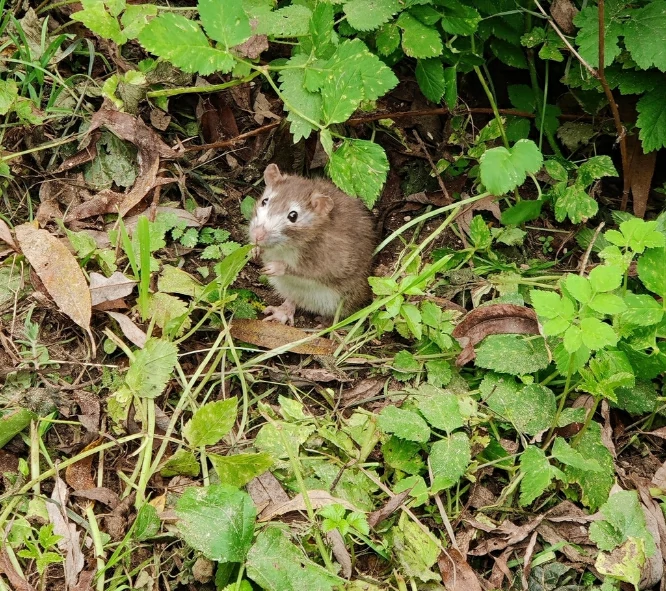
Finding rats in your garden can be really frustrating, especially if you’ve tried to get rid of them before and they just keep coming back. You’re not alone in dealing with this problem, and there’s usually a pretty clear reason why they’re hanging around your property.
Rats aren’t just randomly showing up. They’re coming to your garden because it’s giving them something they need to survive. So why do rats keep coming in my garden?
Rats keep coming to your garden because it provides food, water, and shelter. They’re attracted to things like fallen fruit, bird seed, compost piles, dense vegetation, and places to hide like woodpiles or sheds. If your garden has these things, rats will see it as a perfect place to live and keep returning.
Your garden is basically a rat buffet if it has the right conditions. Rats need the same basic things all animals need to survive, and if you’re accidentally providing those things, they’ll stick around.
The good news is that once you understand what’s attracting them, you can make changes to make your garden less appealing.
What Attracts Rats to Gardens in the First Place
Rats are looking for three main things when they explore an area: food, water, and a safe place to nest. If your garden has even one of these things, you might see rats. If it has all three, you’re basically running a rat hotel.
Food is usually the biggest draw. Gardens often have lots of food sources that rats love, and many people don’t even realize they’re there.
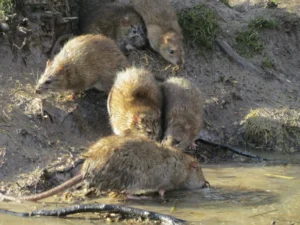
Things like fallen fruit from trees, vegetables in your garden beds, seeds from bird feeders, and even pet food left outside can all attract rats. They’re not picky eaters, and they’ll take advantage of whatever’s available.
Water is another big factor. If you have a birdbath, a pond, a leaky hose, or even just areas where water collects after rain, rats will use these as drinking sources.
Rats need water every day, so having a reliable water source nearby makes your garden much more attractive to them.
Shelter is the third piece of the puzzle. Rats need safe places to hide from predators and build their nests. Gardens are full of potential hiding spots like dense bushes, tall grass, woodpiles, compost bins, sheds, and even the space under decks or porches.
If your garden has lots of overgrown areas or cluttered spots, rats will move right in.
Fruit Trees and Vegetable Gardens Are Like Free Food
If you have fruit trees, you’re probably dealing with rats on a regular basis. Rats love fruit, and they’ll eat it right off the tree or wait for it to fall to the ground.
Even if you pick your fruit regularly, there’s usually some that drops and sits on the ground. That’s all rats need.
Citrus fruits, apples, pears, figs, and berries are all favorites. Rats will climb trees to get to the fruit, and they’re really good climbers, so height isn’t much of a barrier.

The same goes for vegetable gardens. Tomatoes, corn, squash, and leafy greens are all on the menu for hungry rats. They’ll eat what they can on the spot and sometimes carry pieces back to their nests.
If you’re growing food in your garden, you need to harvest it regularly and clean up any fallen produce as soon as possible. Leaving it on the ground is basically putting out a welcome mat for rats.
Some people use netting or fencing around their fruit trees and garden beds to keep rats out. This can work, but you need to make sure there aren’t any gaps they can squeeze through. Rats can fit through holes as small as a quarter.
Bird Feeders Are a Huge Rat Magnet
Bird feeders are one of the most common reasons people have rats in their gardens, and many folks don’t realize it until the problem gets bad. Rats love bird seed, and they’ll eat it just as happily as the birds do.
The problem isn’t just the seed in the feeder. It’s all the seed that spills onto the ground when birds eat. Birds are messy eaters, and they scatter seed everywhere. Rats come out at night and clean up whatever’s fallen.
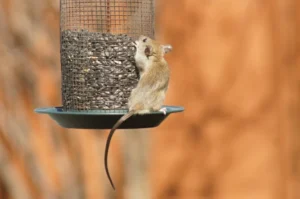
If you want to keep feeding birds but don’t want to attract rats, you need to use feeders that catch the spilled seed. There are trays you can attach under the feeder that’ll collect most of the mess.
You should also clean up any seed that does hit the ground every evening before it gets dark. That’s when rats start coming out to look for food.
Some people switch to seeds that rats don’t like as much, like nyjer seed or safflower seed. These aren’t as attractive to rats, but they’ll still eat them if nothing else is available.
Another option is to just stop feeding birds for a while until the rat problem is under control. It’s not ideal if you love watching birds, but it might be necessary.
Compost Bins Can Become Rat Nests
Compost bins are great for your garden, but they can also be perfect homes for rats if you’re not careful about what you put in them and how you maintain them.
Rats are attracted to compost because it’s warm, it’s full of food scraps, and it provides good cover. If your compost bin isn’t secure, rats will move right in and start raising families.
The biggest mistake people make is putting meat, dairy, or oily foods in their compost. These smell really strong and will bring rats from all over the neighborhood.
Stick to plant-based materials like fruit and vegetable scraps, leaves, grass clippings, and coffee grounds. Even then, you need to bury the fresh scraps under a layer of brown material like leaves or shredded paper.
Your compost bin should have a secure lid that rats can’t lift or squeeze under. Some bins sit right on the ground, which makes it easy for rats to burrow underneath. Consider using a bin with a solid bottom or placing hardware cloth under it.
Turn your compost regularly to disturb any rats that might be trying to nest in there. If you turn it every few days, rats won’t feel safe enough to stay.
If you already have rats living in your compost, you might need to stop adding to it for a while and let it fully break down. Once it’s finished compost, clean out the bin completely before starting fresh.
Overgrown Areas Give Rats Places to Hide
Rats don’t like being out in the open where predators can see them. They prefer to stay hidden in dense vegetation, tall grass, and cluttered areas where they can move around without being spotted.
If your garden has overgrown bushes, piles of leaves, or sections that haven’t been trimmed in a while, you’re giving rats perfect hiding spots. They’ll use these areas as highways to move around your property.
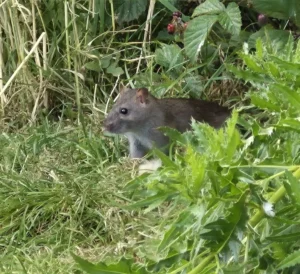
Keeping your garden tidy is one of the best ways to make it less attractive to rats. Trim back bushes and shrubs so there’s space underneath them. Cut your grass regularly and don’t let it get too tall.
Clear away piles of leaves, branches, and other debris. These might seem harmless, but to a rat, they’re perfect nesting material and cover.
If you have ivy or other climbing plants on your walls or fences, keep them trimmed. Rats will use these as ladders to get into higher areas, including your house.
The more open and tidy your garden is, the less comfortable rats will feel. They like clutter and chaos, so keeping things neat works against them.
Woodpiles and Storage Areas Are Perfect Rat Homes
If you have a woodpile in your garden, there’s a good chance rats are living in it. Woodpiles provide everything rats need: shelter from the weather, protection from predators, and a quiet place to raise their young.
Rats will burrow into the spaces between the logs and create elaborate nests. They’ll use the woodpile as a base and then venture out at night to find food in other parts of your garden.
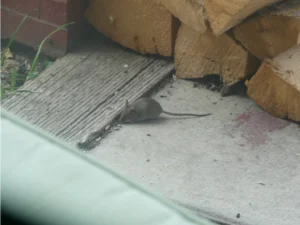
If you need to store wood, keep the pile as far from your house as possible. Stack it on a raised platform or on pallets so it’s off the ground. This makes it harder for rats to nest underneath.
Rotate your wood regularly so you’re always using the oldest pieces first. This disturbs any rats that might be trying to settle in.
The same goes for any other storage areas in your garden. Sheds, garages, and garden boxes can all become rat homes if they’re cluttered and rarely disturbed.
Keep these areas organized and clean. Don’t leave bags of soil, fertilizer, or other materials sitting on the floor where rats can chew through them and nest inside.
Check these spaces regularly for signs of rats like droppings, gnaw marks, or nesting material. The sooner you catch a problem, the easier it is to deal with.
Pet Food Left Outside Is an Easy Meal
If you feed your pets outside, you might be feeding rats too. Rats will happily eat dog food, cat food, and even food meant for chickens or other backyard animals.
The problem is worse if you leave food out overnight. Rats are most active at dusk and during the night, so food sitting out during those times is basically a free dinner.
If possible, feed your pets inside. If that’s not an option, only put out as much food as your pet will eat in one sitting, and pick up the bowl as soon as they’re done.
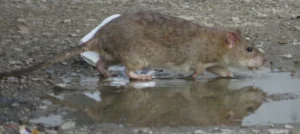
Don’t leave big bags of pet food in your shed or garage unless they’re in sealed, rat-proof containers. Rats can smell food through plastic and paper bags, and they’ll chew right through them.
Metal or thick plastic containers with tight-fitting lids are your best bet. Make sure there are no gaps or cracks where rats can get in.
If you keep chickens or other animals in your garden, clean up any spilled feed every day. Chickens are messy eaters just like birds, and they’ll scatter food all over the place.
Water Sources Keep Rats Coming Back
Rats need water just as much as they need food, and they’ll keep coming back to any reliable water source in your garden. This is especially true in dry weather when water is harder to find.
Birdbaths are convenient drinking spots for rats. If you have one, consider removing it or at least emptying it at night when rats are most active.
Ponds and water features are harder to deal with, but you can make them less accessible by keeping the edges clear of vegetation so rats can’t hide while they drink.
Leaky hoses, dripping outdoor faucets, and poorly drained areas all create water sources for rats. Fix any leaks and make sure water doesn’t pool in low spots in your garden.
If you water your plants with a hose or sprinkler, do it in the morning so the ground has time to dry out before evening. Damp soil and standing water at night will attract rats.
Even something as simple as a bucket or container that collects rainwater can be enough to keep rats coming back. Empty these regularly or turn them upside down when not in use.
Gaps and Holes Give Rats Easy Access
Rats are surprisingly good at squeezing through small spaces. They can fit through holes as small as a quarter, which means even tiny gaps in your fence, shed, or house foundation can let them in.
Walk around your garden and look for any holes or gaps in structures. Check your fence, especially near the ground where rats are most likely to go under. Look at the foundation of your house and any outbuildings.
If you find holes, seal them with steel wool or metal mesh. Rats can chew through wood, plastic, and even soft metals, but they can’t chew through steel.
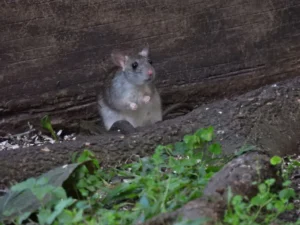
Don’t use spray foam or caulk alone because rats will just chew through it. You need something with metal in it to really keep them out.
Pay special attention to areas where pipes or wires enter your house or shed. These often have gaps around them that rats can use as entry points.
If you have a deck or porch, check underneath. Rats love to nest in these protected spaces, and if there’s a way in, they’ll find it.
Neighbors Can Be Part of the Problem
Sometimes the reason you keep getting rats in your garden is because your neighbors have them too. Rats have large territories, and they’ll move between properties looking for food and shelter.
If your neighbor has a messy garden, feeds outdoor cats, or has other conditions that attract rats, those rats will probably explore your property too.
This is frustrating because you might be doing everything right, but you still have rats. There’s not much you can do about your neighbor’s yard, but you can make your own property as unattractive as possible.
Focus on removing food sources, water, and shelter from your garden. Even if rats are coming from next door, they won’t stick around if there’s nothing for them to eat or drink.
You can try talking to your neighbors if you have a good relationship with them. Let them know you’re dealing with rats and ask if they’ve noticed them too. Sometimes people don’t realize they have a rat problem.
If you live in an area with a lot of rats, you might need to work together with neighbors to really make a difference. Rats are a community problem, and community solutions work best.
How to Make Your Garden Less Attractive to Rats
The best way to deal with rats in your garden is to make it a place they don’t want to be. This means removing or securing everything that attracts them.
Start by cleaning up fallen fruit, vegetables, and bird seed every day. Don’t let food sit on the ground overnight.
Secure your compost bin and only add plant-based materials. Keep the lid tight and turn it regularly.

Trim back overgrown vegetation and keep your garden tidy. Remove piles of debris and clutter.
Store wood on raised platforms and keep sheds and garages organized. Don’t leave bags of anything sitting on the floor.
Feed pets inside or pick up food bowls right after meals. Store pet food in metal containers.
Fix leaky hoses and remove standing water. Empty birdbaths at night.
Seal any holes or gaps in fences, buildings, and foundations with steel wool or metal mesh.
These steps won’t necessarily get rid of rats overnight, but they’ll make your garden much less appealing. Over time, rats will move on to easier targets.
When to Call Pest Control
If you’ve tried everything and rats are still coming back, it might be time to call a professional pest control service. Some rat problems are too big to handle on your own.
Pest control professionals can identify exactly where rats are nesting and what’s attracting them. They have access to tools and methods that aren’t available to regular homeowners.
They can also set up traps and bait stations in safe locations where pets and wildlife won’t be harmed. This is especially important if you have kids or pets who spend time in the garden.
Don’t feel bad about calling for help. Rats reproduce really quickly, and a small problem can become a big infestation in just a few weeks. Getting professional help early can save you a lot of trouble down the road.
Conclusion
Rats keep coming to your garden because it has what they need: food, water, and shelter. By removing these attractions, you can make your garden a place rats don’t want to visit.
It takes effort and consistency, but keeping your garden clean and tidy is the best defense. Clean up food sources, fix water leaks, remove hiding spots, and seal entry points.
If the problem continues despite your best efforts, don’t hesitate to get professional help. With the right approach, you can enjoy your garden without sharing it with rats.

Hi, my name is Ezra Mushala, i have been interested animals all my life. I am the main author and editor here at snakeinformer.com.