

If you’ve spent any time watching rats, you’ve probably noticed they don’t just walk from place to place. They jump, hop, bounce, and leap around in ways that can seem random or hyperactive.
Sometimes this jumping looks playful, sometimes it looks frantic, and sometimes it’s hard to figure out what’s going on. Why do rats jump around so much?
Rats jump around because they’re excited or happy (called “popcorning”), exploring their environment, playing, escaping from perceived threats, or responding to their natural athletic abilities. Young rats especially jump around constantly as part of normal, healthy behavior.
The jumping isn’t random or pointless. Each type of jumping serves a purpose for the rat, whether it’s expressing emotion, gathering information about their surroundings, or preparing for potential danger.
Popcorning: The Happy Jump
One of the most delightful reasons rats jump around is because they’re happy. This behavior is called “popcorning” because the rat looks like a kernel of popcorn popping up and down.
During popcorning, a rat will suddenly jump straight up in the air, often twisting their body while airborne. They’ll land, then immediately jump again. Sometimes they’ll do this over and over in rapid succession.

This is pure joy expressed through movement. Rats popcorn when they’re excited about something good happening, like getting a favorite treat, coming out for playtime, or seeing their favorite person.
Young rats popcorn more than adults, but even older rats will occasionally show this behavior when they’re really happy. It’s most common in rats who are well-cared for and feel safe in their environment.
You might see popcorning right before feeding time when rats know food is coming. They’ll jump around their cage in excitement, bouncing off walls and levels.
Some rats popcorn during play sessions with their owners or other rats. The excitement of social interaction and play triggers these happy jumps.
Exploration and Information Gathering
Rats are naturally curious animals, and jumping around is part of how they explore and learn about their environment. Each jump gives them new information.
When a rat jumps to a new location, they’re not just moving. They’re testing that location to see if it’s safe, if there’s food, if there are threats, and how it connects to other areas they know.
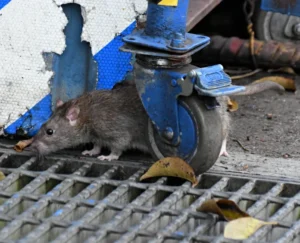
Rats have poor eyesight compared to humans. They rely heavily on their whiskers, sense of smell, and physical exploration to build a mental map of their space. Jumping around helps them fill in this map.
A rat might jump onto an object to investigate it more closely. From the new height, they can smell different scents in the air and see things from a different angle.
Young rats especially jump around constantly when exploring. They’re learning about their world, and every surface, level, and corner needs to be investigated through direct physical interaction.
Even in familiar environments, rats will periodically jump around to check for changes. Their survival instincts tell them to constantly update their knowledge of their territory.
Play Behavior and Social Interaction
Jumping around is a huge part of how rats play, both with each other and by themselves. Play is important for rat development and mental health.
Young rats will chase each other around, jumping over obstacles and bouncing off surfaces. This play-chasing involves lots of rapid jumping and direction changes.
Solo rats will also jump around during play. They might jump from level to level in their cage, leap onto and off of toys, or bounce around just because it feels good.

Play jumping is different from stressed or scared jumping. During play, the rat’s body is relaxed, their tail is loose, and they often make soft chirping sounds.
Rats will sometimes do what looks like a play bow, similar to what dogs do. They’ll lower their front end and then suddenly jump forward, inviting others to chase or play.
The jumping during play helps rats develop coordination, strength, and agility. It’s practice for movements they might need to make to escape predators in the wild.
You’ll notice play jumping happens more when rats feel safe and content. Stressed or scared rats don’t play. If your rat is jumping around playfully, it’s a good sign they’re happy and healthy.
Escaping Threats and Danger
Rats are prey animals in the wild, and their jumping ability is a key survival skill. When they sense danger, they jump to escape quickly.
A startled rat will often jump straight up or to the side before running. This sudden movement confuses predators and gives the rat precious seconds to get away.
Rats can jump up to 36 inches vertically and 48 inches horizontally. These impressive jumping abilities mean they can quickly reach safety on higher ground or leap across gaps to escape.
If a rat hears a loud noise or sees sudden movement, they might jump erratically in multiple directions. This isn’t panic, it’s a survival strategy. Unpredictable movement is harder for predators to follow.
In a cage or enclosed space, a threatened rat might jump from level to level rapidly, trying to find the safest spot or looking for an escape route.
Even domesticated pet rats retain these jumping escape behaviors. A rat who’s scared of something will jump around trying to get away, even if they’re objectively safe.
Natural Athletic Ability and Movement Style
Rats are built to jump. Their powerful hind legs, flexible spine, and light body weight make them excellent jumpers, and they use this ability constantly during normal movement.
A rat’s hind legs are much stronger than their front legs. These powerful back legs can propel them upward and forward with impressive force.

Their flexible spine allows them to twist and turn mid-air. This is why you’ll see rats change direction while jumping, or rotate their bodies to land at different angles.
Rats use jumping as a regular part of getting around, not just for special situations. Where a human might take a step up, a rat will jump.
Their tail acts as a counterbalance during jumps, helping them maintain stability in the air and land safely. You’ll notice a rat’s tail moves actively while they’re jumping around.
Because jumping is so easy and natural for rats, they do it even when they could walk. It’s simply their preferred method of movement for many situations.
Wild rats jump constantly while foraging and traveling. They jump over obstacles, across gaps, onto branches and rocks, and between different levels of terrain. Domestic rats have the same physical capabilities and instincts.
Energy Release and Exercise
Rats need physical activity to stay healthy, and jumping around is one way they burn excess energy and get exercise.
Rats are active animals who need several hours of movement every day. In the wild, they’d travel long distances foraging for food. Captive rats still have this need for movement.
When a rat has been resting for a while and then suddenly starts jumping around energetically, they’re often just releasing built-up energy. This is especially common in young rats who have tons of stamina.
Rats who don’t get enough out-of-cage playtime or don’t have stimulating environments will jump around more in their cages. They’re trying to get the exercise they need in the space they have.
The jumping behavior often comes in bursts. A rat will jump around intensely for several minutes, then rest, then have another active period. This is normal energy management.
If you let your rat out for playtime in a rat-proofed area, you’ll likely see lots of jumping around as they explore and exercise. This is healthy and should be encouraged.
Rats who are overweight or don’t get enough exercise will jump around less. If your normally active rat stops jumping around much, it could indicate health problems or insufficient stimulation.
Environmental Stimulation Response
Rats jump around more in interesting, enriched environments. New objects, levels, and experiences trigger jumping behavior as rats investigate and interact with their surroundings.
When you add new items to a rat’s cage, you’ll probably see an increase in jumping around. They’re excited about the novelty and want to explore every aspect of the new additions.

Different textures and surfaces encourage jumping. Rats will jump from a smooth surface to a rough one to a soft one, experiencing the different sensations with their sensitive paws.
Ramps, platforms, hammocks, and hanging toys all invite jumping. Rats will leap from platform to hammock, jump onto ramps, and bounce between different levels.
Foraging toys that make rats work for food often involve jumping. A rat might jump up to reach a hanging treat, or leap onto a platform where food is hidden.
Even changes in lighting or temperature can affect jumping behavior. Rats are most active during dawn and dusk hours, and you’ll see more jumping around during these times.
An environment that’s too bare leads to less jumping. Rats need things to jump on, around, and between. A cage with only one level and no enrichment won’t encourage natural jumping behaviors.
Age-Related Jumping Patterns
How much a rat jumps around changes dramatically with age. Baby rats are jumping machines, while elderly rats slow down considerably.
Very young rats (under 8 weeks) spend most of their waking time jumping around. They’re learning motor skills, exploring everything, and burning tremendous amounts of energy.
Teenage rats (2-4 months) are at peak jumping activity. They’re strong, coordinated, confident, and incredibly energetic. This is when you’ll see the most intense jumping behaviors.
Adult rats (6 months to 18 months) still jump around regularly but more selectively. They’ve explored their territory, they know their environment, and they’re more efficient in their movements.
Elderly rats (over 2 years) jump much less. Their joints might be stiff, they have less energy, and they prefer to move more slowly and carefully.
A young rat might jump to reach something a few inches away just because jumping is fun. An old rat will carefully climb or walk the same distance to conserve energy and protect sore joints.
Changes in jumping behavior can indicate aging or health issues. If a previously active adult rat suddenly stops jumping around, it’s worth checking for arthritis, respiratory problems, or other age-related conditions.
Stress and Anxiety-Related Jumping
While much jumping is positive, sometimes rats jump around excessively because they’re stressed or anxious. This type of jumping looks and feels different from happy jumping.
A stressed rat might jump around frantically, seeming unable to settle. They’ll jump from spot to spot without really investigating anything, just moving constantly.
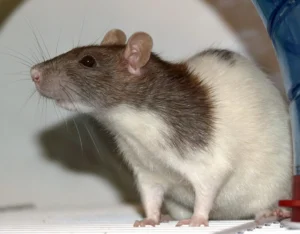
Rats in new environments often show this stressed jumping. They’re overwhelmed and trying to find safety, so they jump around checking every possible escape route.
Overcrowded cages can cause stress jumping. When rats don’t have enough space, they jump around more trying to find their own territory or escape from cage mates.
Loud noises, strong smells, or other environmental stressors can trigger anxious jumping behavior. The rat is on high alert and ready to escape at any moment.
You can tell stress jumping from happy jumping by the rat’s body language. Stressed rats have their fur slightly puffed up, their eyes are wide, and they’re breathing rapidly. Happy jumpers are relaxed and smooth-furred.
If the jumping is paired with other stress signs like excessive grooming, porphyrin staining around the eyes and nose, or loss of appetite, the rat needs help managing their stress.
Health Issues That Affect Jumping
Sometimes changes in jumping behavior indicate health problems. Both jumping more than usual and jumping less than usual can be warning signs.
Rats with neurological issues might jump around erratically or uncontrollably. They’re not choosing to jump, their nervous system is causing involuntary movements.
Respiratory infections can cause rats to jump around less because breathing is difficult. Exercise and jumping require oxygen, and sick rats conserve energy.
Rats with ear infections or balance problems might jump awkwardly or avoid jumping. They can’t judge distances well or land safely, so they minimize jumping.
Pain from injuries, arthritis, or tumors will reduce jumping. If your rat suddenly stops jumping onto favorite platforms or avoids vertical movement, pain is a likely cause.
On the flip side, some hormonal imbalances can cause excessive jumping and hyperactivity. The rat seems unable to calm down and constantly jumps around without rest.
Vision problems don’t usually stop rats from jumping since they rely more on other senses, but blind rats might be more cautious about jumping to unfamiliar areas.
Breed and Individual Personality Differences
Different rat breeds and individual personalities show varying amounts of jumping behavior. There’s no single “normal” amount of jumping for all rats.
Some rat breeds are naturally more active. Standard rats tend to jump around more than dumbo rats, though this isn’t a hard rule.
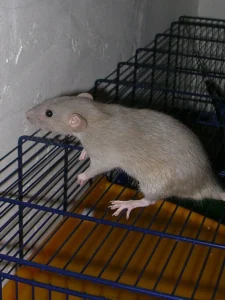
Individual personality plays a huge role. Some rats are naturally energetic and athletic, jumping constantly. Others are more laid-back and prefer to walk or climb.
Confident rats jump around more freely. They’re not worried about potential dangers, so they leap without hesitation.
Shy or anxious rats might be excellent jumpers physically but choose to jump less because they’re cautious. They’ll carefully climb where a confident rat would just jump.
Some rats are what owners call “bouncy” rats. These individuals just naturally express themselves through lots of jumping, even when other rats would be still.
You might have one rat who popcorns and jumps constantly and another who rarely jumps much, even though both are healthy and happy. That’s normal variation.
Creating a Jump-Friendly Environment
If you want to encourage healthy jumping behavior in your rats, you can design their space to support it.
Multiple levels in the cage give rats plenty of jumping opportunities. Platforms at different heights let them jump up, down, and across.
The spacing between levels matters. Too far apart and rats can’t jump safely (risk of injury). Too close together and there’s no challenge or fun.
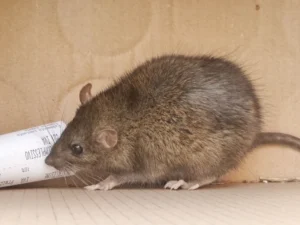
Add variety to jumping surfaces. Include ramps (some rats prefer these), ladders, ropes, and platforms of different materials and textures.
Hanging items encourage vertical jumping. Hammocks, baskets, and toys suspended from the cage top make rats jump up to reach them.
Leave some open space in the cage. If everything is too cluttered, rats can’t build up momentum for good jumps.
During out-of-cage time, create obstacle courses or play areas with boxes, tubes, and platforms. Rats love jumping around in new environments.
Make sure all jumping surfaces are secure. Wobbly platforms or unstable items can cause injury and make rats hesitant to jump.
Conclusion
Rats jump around for many reasons, and most of them are completely normal and healthy. Happy popcorning, playful leaping, exploratory jumping, and energetic exercise are all part of natural rat behavior.
Young rats jump almost constantly because they’re learning, playing, and burning energy. Adult rats jump more selectively but still regularly. Elderly rats jump less due to age-related limitations.
The key is understanding what the jumping means by watching the context and the rat’s overall behavior. Happy jumping comes with relaxed body language and appropriate rest periods. Stressed jumping is frantic and paired with other anxiety signs.
Changes in jumping patterns can indicate health issues, so if your normally bouncy rat stops jumping or your calm rat suddenly can’t settle, it’s worth investigating.
But in general, a rat who jumps around regularly is showing normal, healthy behavior that should be encouraged and supported through proper environment and care.

Hi, my name is Ezra Mushala, i have been interested animals all my life. I am the main author and editor here at snakeinformer.com.