
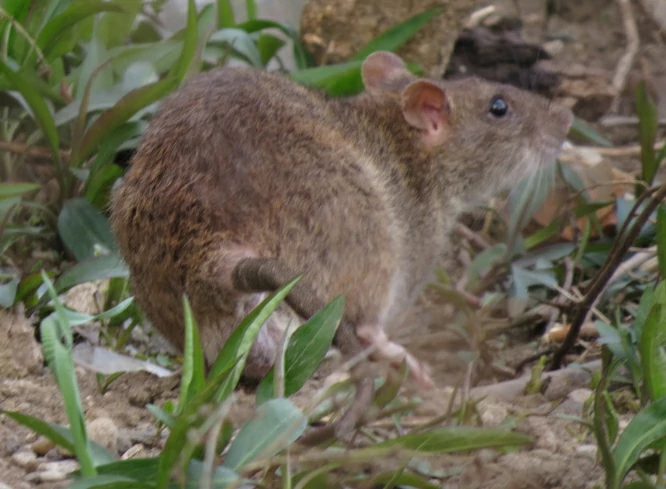
If you’ve ever watched rats interact, you’ve probably seen them suddenly leap at each other. Sometimes it looks playful, sometimes it looks aggressive, and sometimes it’s hard to tell what’s going on.
This jumping behavior can be confusing for rat owners and observers. Why do rats jump at each other?
Rats jump at each other for several reasons: playing and wrestling, establishing dominance in their social hierarchy, defending territory, showing excitement during mating behavior, or fighting when they’re aggressive. The context and body language tell you whether it’s friendly or hostile.
The jumping itself isn’t automatically good or bad. You need to look at what’s happening before and after the jump, how the rats are positioning their bodies, and what sounds they’re making. All of these clues together tell you what the jumping actually means.
Play Fighting vs. Real Fighting
Young rats especially love to play fight, and this involves a lot of jumping at each other. Play fighting looks intense but it’s actually how young rats learn social skills and practice movements they’ll need as adults.
During play fighting, rats will jump on each other, roll around, and wrestle. They might look like they’re really going at it, but there are clear differences between playing and actual fighting.

When rats are playing, they take turns. One rat will be on top for a bit, then they’ll switch and the other rat gets to be on top. They’re basically practicing dominance without actually trying to hurt each other.
Their movements are bouncy and energetic during play. They’ll jump at each other, but then immediately jump away and come back for more. There’s a back-and-forth rhythm to it that looks almost choreographed.
Real fighting is different. When rats are actually fighting, there’s no turn-taking. The dominant rat stays dominant and keeps attacking. The losing rat tries to escape rather than coming back for more.
You’ll also hear different sounds. Playing rats might squeak a bit, but it’s usually quiet or just soft chirping sounds. Fighting rats make loud, distressed squeals. If you hear those high-pitched alarm squeals, it’s a real fight, not play.
Establishing Social Hierarchy
Rats are social animals that live in groups, and every group has a hierarchy. The jumping behavior is often about figuring out who ranks where in that hierarchy.
When new rats meet or when young rats mature, they need to work out their social positions. This involves testing each other through various behaviors, including jumping at each other.

A rat might jump at another rat to assert dominance. This is basically the rat saying “I’m higher ranked than you” through physical action. If the other rat backs down, the hierarchy is established without a real fight.
Sometimes the other rat doesn’t back down. They might jump back, which starts a dominance contest. These contests can look aggressive, with rats jumping at each other, pushing, and trying to pin each other down.
But even during dominance contests, rats usually aren’t trying to seriously injure each other. They’re testing strength and resolve. Once one rat clearly establishes dominance, the other usually accepts the lower position and the jumping stops.
This hierarchy establishment is completely normal and healthy for rat social groups. It’s how they organize themselves and reduce actual violence in the long run. Once everyone knows their place, there’s less need for constant conflict.
Territory Defense and Protection
Rats are territorial animals, and they’ll jump at intruders who enter their space. This is especially common when you introduce new rats to an established group or territory.
An established rat in a cage or territory sees a new rat as a potential threat. They might jump at the newcomer to drive them away from important resources like food, water, or nesting areas.
Male rats are typically more territorial than females, though females can also show this behavior, especially if they have babies. A mother rat will aggressively jump at any rat that gets too close to her nest.
The jumping in territorial situations is usually accompanied by other warning signs. The territorial rat might puff up their fur to look bigger, arch their back, and move sideways toward the intruder. Then comes the jump.
If the intruding rat leaves the area, the territorial rat usually doesn’t pursue. They’ve accomplished their goal of protecting their space. But if the intruder doesn’t leave, the jumping can escalate into actual fighting.
You’ll also see this behavior around food. A dominant rat might jump at subordinate rats who try to eat before them or who take food the dominant rat wants. It’s a way of saying “this is mine” without necessarily fighting.
Excitement and Social Bonding
Not all jumping is about aggression or dominance. Sometimes rats jump at each other because they’re excited and happy to see each other.
When rats who are bonded friends haven’t seen each other for a while, they might jump at each other in greeting. This is usually accompanied by soft chirping sounds and lots of nose-touching and sniffing.
Young rats especially do what’s called “popcorning,” where they jump straight up in the air repeatedly when they’re really excited. Sometimes this excitement translates into jumping at their cage mates.
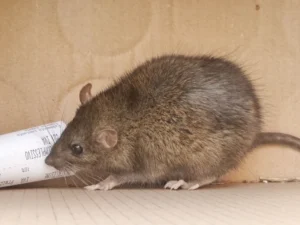
During social grooming sessions, one rat might suddenly jump at another in a playful way, then immediately go back to grooming. It’s like a momentary burst of energy in the middle of a calm activity.
Rats also jump at each other during what researchers call “rough-and-tumble play.” This isn’t about dominance or fighting. It’s just energetic social interaction that helps rats bond with each other and burn off excess energy.
You can tell this is positive jumping because the rats’ body language is relaxed. Their fur is smooth, their tails are relaxed, and they keep coming back to each other rather than trying to escape.
Mating Behavior and Courtship
Male rats will jump at female rats as part of courtship and mating behavior. This isn’t aggressive, but it can look intense if you’re not familiar with rat mating patterns.
When a female rat is in heat (ready to mate), she releases pheromones that signal her status to males. Male rats become very excited and will chase and jump at the female.
The female often runs away, but this is part of the mating dance. She’s not actually trying to escape permanently. She’ll run, the male will chase and jump at her, and this pattern continues as part of the courtship.
During this process, the male might jump at the female and then immediately start vibrating his ears, a behavior called “ear wiggling.” This is a courtship display that shows his interest.
The female controls the mating process. If she’s not interested, she’ll either aggressively reject the male (including jumping at him to drive him away) or she’ll completely avoid him. If she is interested, she’ll allow the chase-and-jump pattern to continue.
Sometimes female rats will also jump at males, either as rejection if they’re not interested, or as playful interaction if they are. The context and the female’s other behaviors tell you which it is.
Stress and Fear Responses
Rats will jump at each other when they’re stressed or scared, even if they normally get along. This is a defensive reaction rather than true aggression.
If something frightens a group of rats, like a sudden loud noise or a perceived threat, they might jump at each other in panic. They’re not attacking each other intentionally. They’re just reacting to fear and sometimes bumping into each other in the chaos.

Rats in overcrowded conditions show more jumping behavior because they’re stressed. When rats don’t have enough space, they can’t get away from each other when they need to. This creates tension that leads to more frequent jumping and conflict.
Changes in their environment can also trigger stress-related jumping. If you rearrange a rat’s cage, introduce new objects, or change their routine, they might be on edge and more likely to jump at cage mates.
Sick or injured rats might jump at others who come too close because they’re in pain and feel vulnerable. This is a defensive behavior. They’re trying to protect themselves when they don’t feel strong enough to escape.
Once the stress is removed, this jumping behavior usually stops. If rats are jumping at each other constantly, it’s worth looking at their environment and situation to see what might be causing ongoing stress.
Age and Gender Differences
Young rats jump at each other much more than adult rats. This is because young rats are learning social skills, testing boundaries, and have tons of energy to burn.
Baby rats start play fighting around three weeks old. From that point until they’re about three months old, they’ll spend huge amounts of time jumping at each other and wrestling. This is completely normal development.
As rats mature, they usually calm down. Adult rats still interact and occasionally jump at each other, but it’s much less frequent than with youngsters. They’ve already established their relationships and hierarchy.
Male rats tend to jump at each other more than females do. Males are more focused on dominance and hierarchy, so they engage in more of the jumping and wrestling behaviors to work out their social positions.
Female rats jump at each other too, but they’re generally less intense about it. Female social hierarchies are usually more stable and less physical than male hierarchies.
Intact male rats (not neutered) show more jumping behavior than neutered males. The hormones drive more territorial and dominance behaviors. Neutering often reduces how much male rats jump at each other.
Health Issues That Cause Jumping Behavior
Sometimes increased jumping at other rats is a sign of health problems. If a rat suddenly starts jumping at cage mates they normally get along with, it might indicate pain or illness.
Rats with neurological problems might jump at other rats because their coordination is off or they’re having involuntary muscle spasms. This isn’t intentional aggression, it’s a medical issue.

Rats with poor eyesight or hearing might startle easily and jump at other rats who approach them. They can’t detect the other rat coming, so when contact happens, they react with a defensive jump.
Hormonal imbalances can also cause increased aggression and jumping. This is more common in older rats or rats with certain health conditions affecting their endocrine system.
If you notice a rat who used to be calm suddenly jumping at others frequently, especially if it’s combined with other behavior changes like loss of appetite or lethargy, get them checked by a vet who specializes in small animals.
Pain makes rats irritable. A rat with dental problems, tumors, or any condition causing chronic pain might jump at other rats who bump them or touch painful areas. Treating the pain often reduces the aggressive behavior.
How to Tell If the Jumping Is a Problem
Not all jumping needs intervention. The key is figuring out whether the jumping is normal social behavior or a sign of real problems in your rat group.
Watch for injuries. If the jumping is leading to bites, scratches, or visible wounds, it’s too aggressive and needs to be addressed. Normal play and social jumping shouldn’t cause injuries.

Look at the frequency. If rats are constantly jumping at each other all day long with no breaks, that’s excessive. Normal rats will play or establish dominance, then calm down and rest together.
Check if one rat is being targeted. If all the jumping is directed at one specific rat and that rat is trying to hide or escape, you have a bullying situation that needs intervention.
Listen to the sounds. Constant distressed squealing means the jumping isn’t friendly. Some squeaking during play is normal, but loud alarm calls indicate real fear or pain.
Observe the aftermath. After normal play jumping, rats will usually groom each other or sleep together. After aggressive jumping, rats will stay separated and avoid each other.
If rats are eating, sleeping, and relaxing together when they’re not jumping at each other, the jumping is probably just normal social interaction. If they’re always tense and never relaxed around each other, there’s a problem.
Managing Aggressive Jumping Between Rats
If the jumping has crossed from normal into aggressive territory, there are steps you can take to help your rats get along better.
First, make sure they have enough space. Overcrowding is a major cause of rat aggression. Each rat needs adequate room to move around and claim their own resting spots.
Provide multiple food and water sources. Competition over resources causes a lot of jumping and fighting. If there are several feeding stations, rats don’t have to compete for one spot.
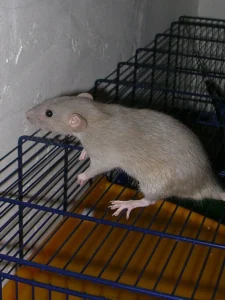
Add more hiding places and levels to the cage. Rats need to be able to get away from each other when they need breaks. Hammocks, boxes, and tunnels give them escape options.
Sometimes separating aggressive rats for a few days, then reintroducing them slowly in neutral territory can help reset their relationship. This works best if the aggression is recent rather than long-standing.
Neutering male rats significantly reduces aggressive jumping in most cases. It takes a few weeks after the surgery for hormone levels to drop, but many rat owners see big improvements in male rat relationships after neutering.
If you’re introducing new rats, do it gradually. Put their cages near each other first, then allow short supervised interactions in neutral space before putting them together full-time. Rushed introductions often lead to excessive jumping and fighting.
When Jumping Means You Need to Separate Rats
Sometimes rats just don’t get along, and no amount of intervention will fix it. There are situations where you need to accept that certain rats can’t live together.
If the jumping has led to serious injuries multiple times despite your efforts to reduce aggression, the rats need to be separated permanently. Some rats are just too aggressive to live safely with others.
When one rat is clearly terrified of another and spends all their time hiding, the stress isn’t worth it. That rat needs to be in a different cage where they feel safe.
If you’ve tried all the environmental changes, done proper introductions, and considered neutering, but the rats still can’t be in the same space without constant aggressive jumping, it’s time to separate them.
This doesn’t mean you failed. Some rats, like some people, just don’t get along. It’s better to have rats living separately and peacefully than together and constantly stressed.
You can still let them have supervised playtime outside the cage if they’re not too aggressive with each other. Some rats are fine during play sessions but can’t handle living together 24/7.
Conclusion
Rats jump at each other for many different reasons. It can be play, dominance establishment, territorial defense, mating behavior, excitement, stress, or actual aggression. The jumping itself isn’t the whole story.
You need to look at the context, body language, sounds, and what happens before and after the jump to understand what it means.
Young rats playing will jump at each other constantly but without causing harm. Rats establishing hierarchy will jump and wrestle until they work out their positions. Aggressive rats will jump with the intent to chase away or injure.
Most jumping between rats is normal and healthy social behavior. It only becomes a problem when it leads to injuries, constant stress, or prevents rats from eating and resting peacefully.

Hi, my name is Ezra Mushala, i have been interested animals all my life. I am the main author and editor here at snakeinformer.com.