
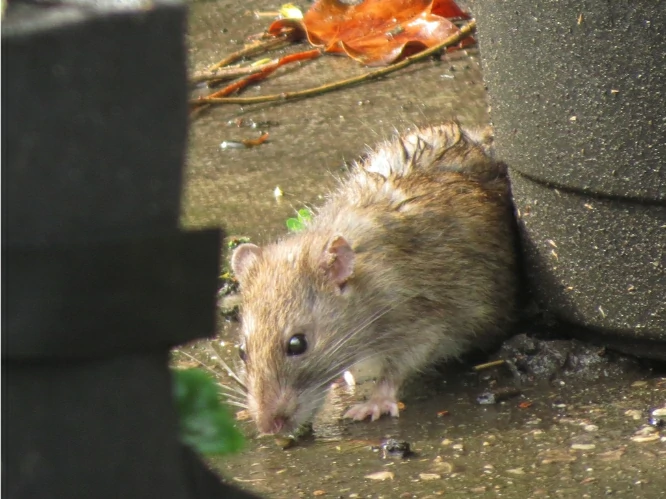
If you’ve ever walked through a city after a heavy rainstorm, you might’ve noticed something unsettling: rats everywhere. They scurry along sidewalks, climb out of sewers, and seem way more visible than usual.
So why do rats come out in the rain? What makes them suddenly appear when the weather gets wet?
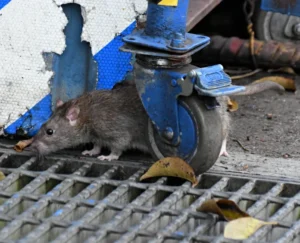
Rats come out in the rain because heavy rainfall floods their underground burrows, tunnels, and nests, forcing them to the surface to avoid drowning. They’re not choosing to come out; they’re being pushed out of their homes by rising water levels.
When their normal living spaces fill with water, rats have no choice but to seek higher ground. This means moving to street level where people can see them.
The phenomenon is especially noticeable after heavy or prolonged rain when sewers, storm drains, and underground spaces become completely flooded.
How Rain Floods Rat Habitats
Rats prefer to live underground or in hidden spaces where they’re protected from predators and weather. But these same spaces are vulnerable to flooding.
In cities, rats commonly live in sewer systems, storm drains, subway tunnels, and underground burrows they dig beneath buildings and sidewalks. All of these locations can flood during heavy rain.
When rainwater enters the sewer system faster than it can drain away, water levels rise quickly. Rats living in these spaces suddenly find their homes filling with water.
Storm drains are especially problematic. During heavy rain, water rushes into storm drains at high volume, creating powerful currents that can sweep rats along and force them to evacuate.
Burrows that rats dig in yards, parks, and green spaces also flood. These tunnel systems might have multiple chambers and exits, but if rain is heavy enough, the entire system can fill with water.
Even rats living in building basements or crawl spaces aren’t safe from flooding. If water seeps in from the ground or through cracks in foundations, rats have to move to higher floors.
Why Rats Don’t Just Stay Underground
You might wonder why rats don’t just wait out the rain in their tunnels. The problem is that they can’t breathe underwater, and flooding happens fast.
Rats can swim really well and can tread water for days if needed, but they can’t stay in flooded tunnels indefinitely. They need air, and when water fills their living spaces, there’s no oxygen left.
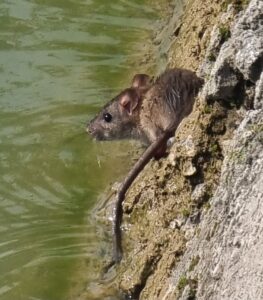
The water level in sewers and drains can rise several feet in just minutes during heavy storms. Rats don’t have time to prepare; they have to react immediately or drown.
Even if the water doesn’t completely fill a tunnel, the air quality becomes dangerous. Sewage and chemicals in floodwater create toxic fumes that can suffocate rats even in air pockets.
Rats also need access to food, and their stored food gets ruined when their nests flood. Rather than starve in a flooded burrow, they come to the surface to find new food sources.
Young rats (called pups) are especially vulnerable because they can’t swim as well as adults. Mother rats will abandon flooded nests and bring their babies to the surface to save them.
The Sewer System Connection
City sewer systems are prime rat habitat, which is why heavy rain causes such noticeable rat problems in urban areas.
Sewers provide everything rats need: shelter, warmth, water, and access to food waste that people flush or wash down drains. During dry weather, rats live comfortably in these systems.
But sewers are designed to fill with water during rainstorms. That’s their job. When that happens, the rats living there get displaced.
Combined sewer systems (which carry both sewage and stormwater in the same pipes) are especially bad. During heavy rain, the volume of water can increase by 100 times or more, leaving no room for rats.
Rats in sewers usually stay in larger pipes and chambers where there’s more space. But when these areas flood, rats follow the pipes upward looking for air, often emerging through manholes, catch basins, and grates.
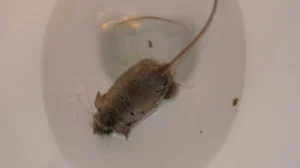
In some cities, heavy rain can actually push rats up through toilets. The pressure from rising water in sewer lines can force rats into building plumbing, though this is pretty rare.
Where Rats Go When Displaced
When flooding forces rats to the surface, they don’t have a lot of good options. They’re suddenly exposed and vulnerable in an environment where they normally hide.
Many rats head for buildings. They’ll look for any gap or opening that leads to dry shelter, whether it’s a basement, garage, or crawl space. This is why rat sightings inside buildings often increase after heavy rain.
Rats also climb. They’re surprisingly good climbers and will scale walls, fences, and even trees to get above the water. You might see rats on elevated surfaces like porches, window sills, or fire escapes.
Some rats take refuge in dumpsters, trash piles, or under parked cars. Anywhere that’s dry and provides some cover becomes attractive.
Parks and green spaces see increased rat activity because rats from nearby flooded burrows move there temporarily. They hide in bushes, under benches, or in any available vegetation.
Subway stations often experience rat invasions during heavy rain. Rats from flooded subway tunnels come up to station platforms where they’re highly visible to commuters.
The rats you see during and after rain aren’t new arrivals. They’ve always been there, just living underground where you couldn’t see them.
Why They’re More Active During Rain
Beyond just being forced to the surface, rats become more active during and after rain for a few reasons.
The reduced visibility during rain (especially at night) gives rats more confidence to move around. There are fewer people on the streets, and those who are out are usually rushing to get inside.
Rain masks scent trails that rats normally use to navigate. This forces them to explore more actively to reorient themselves and find new routes to food and shelter.

Their normal food sources might be inaccessible when their territory floods, so they have to search more widely for meals. This increased foraging makes them more visible.
The stress of displacement also makes rats less cautious. When they’re desperate to find shelter and food, they take more risks and venture into areas they’d normally avoid.
After the rain stops, rats don’t immediately go back underground. They wait until water levels drop and often spend several hours or even days on the surface.
Health Risks From Flooded-Out Rats
Rats coming to the surface during floods create increased health risks for people living in the area.
Floodwater that rats have been swimming through contains sewage, bacteria, and other contaminants. When rats come out of this water and move through neighborhoods, they spread these pathogens.
Rats carry diseases like leptospirosis, which spreads through rat urine. When floodwater mixes with rat urine and then rats travel through neighborhoods, they contaminate everything they touch.
The stress of flooding makes rats more likely to bite if cornered. Stressed, disoriented rats are more aggressive than usual.
More rats on the surface means more rat droppings in areas where people live and walk. These droppings can spread diseases and trigger allergies.
Rats displaced by floods are also more likely to enter buildings where they have direct contact with people’s living spaces, food, and belongings.
After major floods, health departments often see increases in rat-related disease cases because of this increased contact between rats and people.
Not All Rain Causes Rat Emergence
Light rain or short showers usually don’t bring rats to the surface. It takes specific conditions to flood their habitats badly enough to displace them.
Heavy rainfall that dumps an inch or more in a short period is most likely to cause flooding. The volume of water overwhelms drainage systems.
Prolonged rain over several hours or days can also cause problems even if the rain isn’t particularly heavy. The ground becomes saturated and can’t absorb any more water.

Rain during or after snowmelt is especially problematic because there’s already lots of water in the system. Add rain on top of melting snow and flooding becomes severe.
Areas with poor drainage are more prone to this problem. Old sewer systems, clogged storm drains, or locations with hard-packed soil all flood more easily.
Cities with combined sewer systems (where stormwater and sewage share the same pipes) see worse rat emergence during rain than cities with separate systems.
Seasonal Patterns
Rat emergence during rain follows seasonal patterns based on when heavy rainfall occurs in your region.
Spring often brings the most rat sightings because many areas get heavy rainfall and snowmelt at the same time. Rats that survived winter underground get flooded out.
Summer thunderstorms can dump huge amounts of rain in short periods, causing sudden flooding and rat displacement. These storms often happen in late afternoon or evening when more people are around to notice rats.

Fall rains can flood burrows that rats have stocked with food for winter, forcing them to the surface to relocate their supplies and find new shelter.
Winter rain (in areas where it doesn’t freeze) can be particularly bad because the ground is already cold and saturated, so it can’t absorb much water.
Hurricane and tropical storm activity brings both heavy rain and flooding, leading to massive rat displacement in affected areas. After major storms, rat sightings can increase by 300-500%.
Geographic Differences
Some cities and regions deal with rain-related rat problems more than others based on their infrastructure and geography.
Coastal cities often have water tables close to the surface, meaning less rain is needed to flood underground rat habitats. Cities like New York, Miami, and San Francisco see significant rat emergence during rain.
Cities with old infrastructure and aging sewer systems have more severe problems. Places like Boston, Philadelphia, and Chicago have sewers built over a century ago that can’t handle modern rainfall volumes.
Areas with flat topography have worse drainage than hilly areas. Water doesn’t run off as quickly, leading to more standing water and flooding.
Cities built on reclaimed land or wetlands are especially vulnerable. The ground is already saturated, and drainage is poor.
Regions with clay-heavy soil have drainage problems too. Clay doesn’t absorb water well, so rain sits on the surface and floods burrows.
Surprisingly, dry regions can have severe rat emergence during rare heavy rains because the infrastructure isn’t built to handle much water and neither rats nor drainage systems are adapted to it.
What Happens After the Water Recedes
Once flooding subsides, rats don’t instantly disappear back underground. There’s a transition period that can last several days.
Rats need to check if their old burrows are safe to return to. They’ll visit previous nesting sites and assess whether they’re still usable or if they need to find new homes.
Many burrows and nests have been destroyed or filled with mud and debris. Rats have to clean out these spaces or dig new ones, which takes time.

Food stored in flooded burrows is ruined. Rats spend extra time foraging to rebuild their supplies.
Some rats decide to stay in the new locations they found during flooding, especially if these spots offer better resources than their previous homes.
There’s often increased conflict between rat colonies during the post-flood period because normal territorial boundaries get disrupted when everyone’s displaced.
Dead rats are sometimes found after floods recede. These are usually young, old, or sick rats that couldn’t swim well enough or find shelter in time.
How to Protect Your Property
If you live in an area prone to flooding and rat problems, there are steps you can take to keep rats from entering your home during heavy rain.
Seal all openings larger than a quarter inch. Check foundations, where pipes enter your home, gaps around doors and windows, and vent covers. Rats can squeeze through surprisingly small spaces.
Install backflow preventers on floor drains and basement drains. These devices stop rats from coming up through your plumbing during floods.
Keep gutters and downspouts clear so water drains away from your foundation. Standing water near your house creates conditions that attract displaced rats.
Store garbage in sealed containers, not bags sitting on the ground. Rats looking for food during floods will target easy meals.
Trim vegetation away from your house. Overgrown bushes and vines give rats cover and easy access to your walls and roof.
After heavy rain, inspect your property for signs of rat activity like droppings, gnaw marks, or burrow holes. Catching an invasion early makes it easier to deal with.
The Climate Change Factor
Climate change is making rain-related rat problems worse in many areas. Changing weather patterns mean more extreme rainfall events.
Many cities are experiencing heavier downpours than their infrastructure was designed to handle. A “100-year storm” might now happen every decade or even more frequently.
Rising sea levels make coastal flooding worse, which pushes more rats inland and into human-populated areas.
Warmer temperatures let rats breed year-round in areas where winter used to slow them down. This means larger rat populations that can be displaced by flooding.
Irregular weather patterns make it harder for rats to adapt. When flooding happens at unexpected times, rats haven’t prepared alternative shelter.
Cities are struggling to update their infrastructure fast enough to handle new rainfall patterns, which means the flooding (and rat displacement) will likely get worse before it gets better.
Conclusion
Rats come out in the rain because flooding forces them from their underground homes. Heavy rainfall fills sewers, storm drains, and burrows with water, leaving rats no choice but to surface and search for dry shelter.
This isn’t a sign that rat populations are growing. You’re just seeing rats that were always there but normally stayed hidden underground. The rain makes them visible.
The problem is likely to get worse as climate change brings more extreme rainfall to many areas. Understanding why this happens can help you protect your property and avoid panic when you see rats scurrying around after a storm.
If you see rats during heavy rain, remember they’re just trying to survive, same as any other animal. But that doesn’t mean you should tolerate them in your home or ignore the health risks they bring.

Hi, my name is Ezra Mushala, i have been interested animals all my life. I am the main author and editor here at snakeinformer.com.