

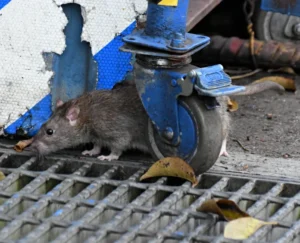
New York City and rats go together like pizza and cheese. If you’ve ever walked through the subway or past a pile of garbage bags on the street, you’ve probably seen at least one of these furry creatures scurrying around.
But why are there so many rats in New York? What makes this city such a perfect home for them?
Rats thrive in New York because the city provides everything they need to survive: endless food from garbage, shelter in buildings and subways, and a warm environment year-round. The dense population and aging infrastructure create perfect conditions for rats to live and multiply.
New York has an estimated 3 million rats (some experts say it could be much higher). That’s roughly one rat for every three people living in the city.
The combination of constant food sources, countless hiding spots, and mild winters compared to the surrounding areas makes New York one of the best rat cities in the world.
The Never-Ending Food Supply
The biggest reason rats love New York is simple: there’s food everywhere. The city produces around 14 million tons of garbage every year, and a lot of it sits on sidewalks in plastic bags waiting to be picked up.
Rats don’t need much to survive. A single rat only needs about an ounce of food per day, which means even small scraps are enough to keep them going.

New York’s restaurant scene makes things even better for rats. With over 27,000 restaurants in the city, there’s always food waste being thrown out. Rats can smell food from pretty far away, and they’ll chew through almost anything to get to it.
Street vendors, food carts, and outdoor dining areas also drop crumbs and scraps throughout the day. Even if people try to be clean, there’s just so much food moving through the city that rats will always find something to eat.
The subway system is like an all-you-can-eat buffet for rats. People drop food on platforms and tracks all the time, and since trains run 24/7, there’s always fresh food appearing.
Perfect Hiding Spots Everywhere
Rats need places to hide, nest, and raise their babies. New York gives them millions of options.
The city’s buildings are packed close together, and many of them are old with cracks, holes, and gaps in the foundations. Rats can squeeze through openings as small as a quarter, so even tiny cracks become doorways for them.
Basements, crawl spaces, and wall voids are perfect nesting areas. They’re dark, protected from weather, and usually undisturbed. A female rat can have up to 12 babies in a single litter and can get pregnant again just days after giving birth.

The subway system isn’t just a food source. It’s also a massive network of tunnels where rats can travel safely without being seen. The tracks, stations, and maintenance areas provide warm shelter, especially in winter.
Parks and green spaces also give rats places to burrow. They dig complex tunnel systems underground where they can live in large groups called colonies.
Piles of garbage, construction debris, and abandoned equipment create even more hiding spots. Rats are really good at staying out of sight during the day and coming out at night when fewer people are around.
New York’s Infrastructure Helps Rats Thrive
The way New York is built actually helps rats survive and spread. The sewer system is like a highway system for rats, connecting different parts of the city underground.
Old buildings with outdated plumbing often have gaps where pipes enter walls or foundations. Rats use these entry points to move between floors and buildings. Once they’re inside a building, they can access multiple apartments or businesses.
The steam pipes that heat many New York buildings create warm areas underground, even in winter. Rats love warmth, and these heated spaces let them stay active and breed year-round instead of slowing down in cold weather.
Construction and renovation projects constantly disturb rat populations, but this often just pushes them into new areas rather than getting rid of them. When you demolish a building or dig up a street, the rats living there just move next door.
The age of the infrastructure matters too. Many of New York’s buildings and sewers were built over a century ago, and they’ve developed countless cracks, holes, and weak points over time. Fixing all of these issues would cost billions of dollars.
Why Rats Can Multiply So Fast in the City
Rats are incredibly good at reproducing, and New York’s environment lets them do it faster than almost anywhere else. A single pair of rats can theoretically produce over 1,500 descendants in a year if conditions are right.
Female rats (called does) reach sexual maturity at just 8 to 12 weeks old. They can have litters of 6 to 12 babies every month, and those babies can start reproducing within two to three months.

In New York, rats don’t face the same challenges they would in nature. They don’t have to worry about finding food, they’re protected from most predators, and the environment stays warm enough for year-round breeding.
The constant food supply means female rats stay healthy and well-fed, which increases their fertility and the survival rate of their babies. In areas with less food, rats might have smaller litters or skip breeding cycles, but that rarely happens in New York.
Rats also live in social groups, which helps protect the young. Adult rats in a colony will help care for babies that aren’t theirs, increasing the chances that more young rats survive to adulthood.
The Weather Works in Their Favor
New York’s climate is actually pretty good for rats. While winters can get cold, the city stays much warmer than the surrounding countryside because of something called the urban heat island effect.
All the concrete, buildings, and underground infrastructure absorb and hold heat. The subway system, steam pipes, and building basements stay warm even when it’s freezing outside. This means rats can stay active and comfortable year-round.

In colder climates, rat populations often drop in winter because food becomes scarce and the cold slows their breeding. That doesn’t really happen in New York.
Summer in the city also works well for rats. While extreme heat can be tough on them, there are plenty of cool spots underground and in basements where they can escape the worst of it.
Rain actually brings more rats to the surface. When it rains heavily, their underground burrows and tunnels can flood, forcing them up to street level where people see them more often.
Predators Can’t Keep Up With the Population
In natural environments, rats have lots of predators that keep their numbers in check. Hawks, owls, foxes, snakes, and other animals hunt rats regularly.
New York has some predators, but not nearly enough to control millions of rats. There are some hawks and owls in the city, and occasionally cats will catch rats, but these predators can’t make a dent in the population.

Most of New York’s rats live in areas where natural predators can’t reach them. The subway tunnels, sewers, and inside buildings are all predator-free zones where rats can live safely.
Humans try to control rat populations through poison, traps, and other methods, but it’s really hard to keep up. For every rat that gets killed, several more are being born.
Some neighborhoods have tried using cats for rat control, but domestic cats usually avoid adult rats because they can be aggressive and fight back. Cats might catch young rats, but they’re not an effective solution for large infestations.
Dense Population Means More Rats
The more people live in an area, the more food waste and shelter opportunities exist for rats. New York has over 8 million people packed into just 300 square miles, making it one of the most densely populated cities in the country.
This density creates tons of opportunities for rats. Every apartment building, restaurant, office, and store produces waste. Every street and alley has potential food sources.

In less crowded areas, rats might have to travel long distances to find food and shelter. In New York, everything they need is just a few feet away.
The constant activity in the city also helps rats stay hidden. With so much noise, movement, and distraction, people often don’t notice rats even when they’re nearby. Rats have learned to time their activity around human patterns.
Neighborhoods with higher poverty rates often have worse rat problems because there might be less frequent garbage collection, more abandoned buildings, and fewer resources for pest control. But even wealthy areas of New York have rat issues because the fundamental conditions (food, shelter, warmth) exist everywhere.
Why It’s So Hard to Get Rid of Them
New York has been fighting rats for over a century, but the problem just keeps going. The city spends millions of dollars every year on rat control, but the population stays huge.
Part of the problem is that you can’t just kill rats and expect them to stay gone. If you remove rats from an area but don’t change the conditions that attracted them, new rats will just move in to take their place.
Rats are also really smart and adaptable. They learn to avoid traps and poisons after a while. They can develop resistance to certain poisons, and they’re cautious about eating unfamiliar foods in areas where other rats have died.

The infrastructure problems that help rats thrive would cost billions to fix. You’d have to renovate thousands of old buildings, replace ancient sewer systems, and completely change how the city handles garbage.
Coordinated effort is also tough because the city is so big and has so many property owners. Even if one building gets rid of its rat problem, rats can just come from neighboring buildings where nothing’s being done.
What New York Is Trying to Do About It
The city hasn’t given up on fighting rats. New York has a whole department dedicated to pest control, and they’ve tried lots of different approaches over the years.
Some neighborhoods have started using special rat-proof garbage containers instead of leaving bags on the sidewalk. These containers keep rats out and have shown some success in reducing populations.
The city has also tried flooding rat burrows, using dry ice to suffocate rats in their tunnels, and even hiring a “rat czar” to coordinate control efforts across different agencies.
Education programs teach residents and business owners how to properly store garbage, seal up buildings, and report rat sightings. The more people who take prevention seriously, the harder it becomes for rats to thrive.
Some areas have tried more creative solutions like using birth control for rats or deploying trained dogs that can detect and eliminate rats. These methods show promise but are expensive and hard to scale up across the whole city.
Conclusion
Rats live in New York because the city is basically a rat paradise. Between the endless supply of food from garbage and restaurants, millions of hiding spots in old buildings and subway tunnels, and a climate that lets them breed year-round, rats have everything they need to survive and multiply.
The city’s dense population and aging infrastructure create conditions that are almost impossible to completely fix. Even with millions spent on control efforts, rats keep coming back because the fundamental environment supports them.
If you live in or visit New York, you’re going to see rats. They’re as much a part of the city as yellow cabs and skyscrapers. Understanding why they’re there is the first step to dealing with them, even if getting rid of them completely might never happen.

Hi, my name is Ezra Mushala, i have been interested animals all my life. I am the main author and editor here at snakeinformer.com.