
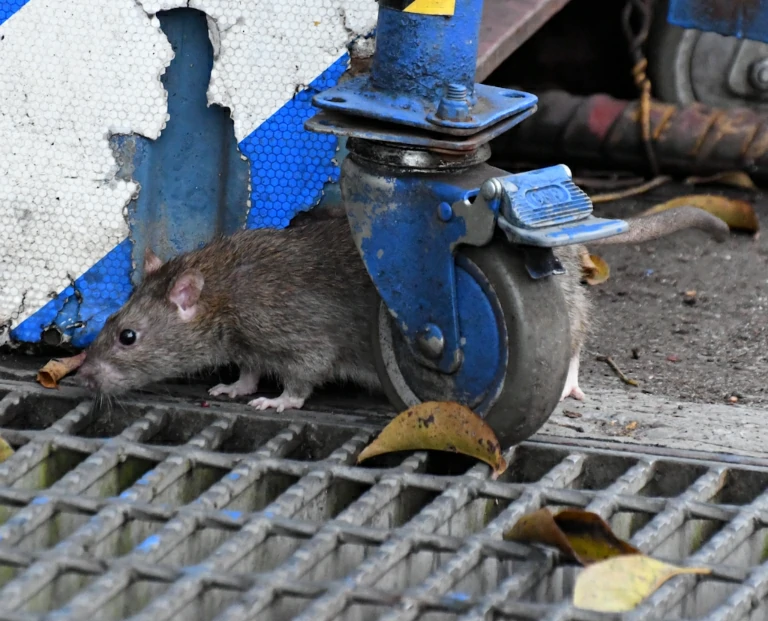
Mention rats at a party and watch people’s faces change. Some people shudder. Others launch into stories about seeing one in the subway or their basement.
Almost everyone has a negative reaction, even people who’ve never actually had a problem with rats. This hatred seems almost universal across cultures and time periods.
But rats are just small mammals trying to survive like any other animal. They’re actually pretty smart and can even make decent pets when raised in captivity. So why do people hate rats?
People hate rats because they’re associated with disease and death from historical plagues, they invade homes and damage property, they trigger deep evolutionary fears of small, fast-moving creatures, and centuries of cultural conditioning have taught us to see them as disgusting pests rather than just another animal.
The hatred runs deep and comes from multiple sources, some logical and some purely emotional. It’s a mix of real danger, cultural learning, and instincts we can’t fully control.
The Black Death Changed How We See Rats Forever
The bubonic plague killed somewhere between 75 to 200 million people in the 1300s. That’s roughly a third of Europe’s entire population at the time, wiped out in just a few years.
For centuries, people blamed rats for spreading the plague. We now know it was actually fleas living on rats, but that detail doesn’t matter much for public perception. Rats became the face of death itself.

Stories about the plague were passed down through generations. Even people living hundreds of years later grew up hearing about how rats brought disease that killed entire villages. This created a cultural memory that stuck.
Modern people might not consciously think about the Black Death when they see a rat. But the association between rats and deadly disease is baked into Western culture at this point. It’s part of the collective unconscious.
Other diseases got blamed on rats too. Typhus, leptospirosis, and various other illnesses spread through rat populations. Whether rats were the main cause or just involved, they got the blame.
What Diseases Do Rats Actually Carry Today?
The historical fear isn’t completely outdated. Rats do carry diseases, though the risk is lower now than it was centuries ago.
Leptospirosis is probably the biggest concern. Rats spread it through their urine, and humans can catch it if the urine contaminates water or food. It causes fever, headache, and muscle pain. In severe cases it can damage kidneys and liver.
Hantavirus is another serious one. Rat droppings and urine can transmit it, and in some cases it causes a potentially fatal respiratory disease. It’s rare but scary when it happens.
Rat-bite fever does exactly what the name suggests. If a rat bites you (or sometimes even if you just handle one), you can develop fever, vomiting, and rash. Most cases aren’t life-threatening but they’re definitely unpleasant.

Salmonella spreads through rat droppings. If rats get into food storage and contaminate it with their waste, people can get food poisoning when they eat that food.
The actual risk of catching these diseases is pretty low for most people. But the fact that the risk exists at all keeps the fear alive.
Rats Damage Property and Cost Money
Beyond disease, rats cause real, expensive problems for homeowners and businesses. This gives people practical reasons to hate them, not just emotional ones.
Rats chew constantly because their teeth never stop growing. They’ll chew through wood, plastic, drywall, and even concrete if it’s not too thick. This damages buildings and creates new entry points for more rats.
Electrical wiring is particularly dangerous. Rats chew through insulation on wires, which can cause shorts, fires, and expensive repairs. House fires caused by rodents are more common than most people realize.
Food contamination costs money too. If rats get into a pantry or food storage area, you have to throw out everything they might have touched. For restaurants or grocery stores, this can mean thousands of dollars in lost inventory.
Insulation gets destroyed when rats nest in attics and walls. They pull it apart to make nests, urinate on it, and compact it down. Replacing insulation isn’t cheap.
The cost of getting rid of rats adds up fast. Professional exterminators, repairs to entry points, replacing damaged items, and preventing future infestations can easily run into hundreds or thousands of dollars.
We’re Hardwired to Fear Small, Quick Creatures
Part of the hatred toward rats might be evolutionary. Humans seem to have built-in fear responses to certain types of animals, and rats tick several boxes.
Small, fast-moving creatures trigger alertness in most people. This probably goes back to when venomous snakes and spiders were serious threats to our ancestors. Our brains are wired to notice and react to things that move quickly at ground level.
Rats also have features that many people find inherently creepy. Beady eyes, long naked tails, sharp teeth, and jerky movements all contribute to an “uncanny valley” effect. They’re similar enough to other mammals to be familiar but different enough to feel wrong.
The way rats move doesn’t help. They scurry and dart unpredictably. This triggers fear responses because our brains can’t predict where they’ll go next. Unpredictable movement equals potential threat in our unconscious mind.
Rats appearing suddenly creates a startle response that feels awful. When a rat runs out from under something unexpectedly, your heart races and adrenaline spikes before your conscious mind even processes what happened.
Cultural Conditioning Makes Rat Hatred Worse
We don’t form our opinions about rats in a vacuum. From childhood, we’re taught that rats are bad, dirty, and scary. This shapes how we react to them for the rest of our lives.
Children’s books and movies almost always show rats as villains or pests. When rats appear in stories, they’re usually sneaky, diseased, or evil. Positive rat characters are rare, and even then they’re usually the exception that proves the rule.

Language reinforces negative associations. Calling someone a “rat” means they’re a traitor or snitch. “Rat-infested” describes the worst slums. “Dirty rat” is an insult. We use rat-related terms to describe things we find disgusting or morally wrong.
Urban legends and horror stories about rats spread fear that goes beyond reality. Tales of rats eating babies, swimming up through toilets, or carrying off small pets circulate constantly. Most are exaggerated or false, but they shape public perception anyway.
Even people who’ve never seen a rat in person often hate them because everyone around them does. The hatred becomes a social norm that you absorb without questioning.
How Do Rats Compare to Other Pests?
Interestingly, people seem to hate rats more than other animals that cause similar problems. Looking at why reveals a lot about the hatred.
Mice are basically small rats, but people react to them less intensely. A mouse in the house is annoying. A rat in the house is terrifying. The size difference triggers different emotional responses.
Squirrels are also rodents that can damage property and carry disease. But they’re seen as cute or at worst a minor nuisance. They live outside most of the time, which helps, but their fluffy tails and daytime activity probably matter more for perception.

Raccoons cause more damage than rats and can be aggressive. But they’re viewed more neutrally, maybe because they don’t have the historical disease association and they’re “clever” rather than “sneaky.”
Even cockroaches, which are genuinely disgusting and carry disease, might get less hatred than rats. They’re gross, but they don’t trigger the same fear response. You can step on a roach. You can’t easily kill a rat that way.
What About Pet Rats?
Here’s where rat hatred gets complicated. Many people who keep rats as pets absolutely love them. They say rats are smart, affectionate, and playful. So what gives?
Pet rats (usually fancy rats, which are domesticated Norway rats) are different from wild rats in important ways. They’re bred to be calm around humans. They’re clean because owners bathe them and clean their cages. They’re healthy because they’re vet-checked and well-fed.
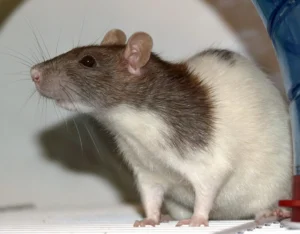
People who get past their initial disgust often discover rats make good pets. They can learn tricks, recognize their names, and bond with their owners. This firsthand positive experience can completely change someone’s view.
But most people never get to this point. The cultural conditioning and fear response are too strong. The idea of having a rat in their house, even a clean pet rat, feels wrong at a gut level.
Pet rat owners often face judgment from others. People think they’re weird or gross for choosing rats as pets. This shows how deep the cultural hatred runs. Even when presented with evidence that rats can be good pets, most people can’t get past their prejudice.
Do Rats Deserve Their Bad Reputation?
This is where things get more nuanced. Rats do cause real problems, but they’re also just animals doing what they need to do to survive. Whether they “deserve” hatred depends on your perspective.
From a practical standpoint, wild rats in human spaces are legitimately problematic. They damage property, contaminate food, and carry disease. Taking steps to keep them out of homes and businesses makes sense.
But rats aren’t evil or even particularly unusual. They’re successful because they’re adaptable and smart. They eat human garbage because it’s abundant and easy to access. They live in our buildings because we created perfect rat habitat by accident.
In ecosystems where they belong, rats play useful roles. They’re prey for many predators, they spread seeds, and they help break down organic matter. They’re part of the food web like any other animal.
The hatred seems disproportionate when you compare it to how we treat other animals that cause similar problems. We don’t hate birds even though they carry diseases and damage property. We don’t hate deer even though they cause car accidents and eat gardens.
How Does Rat Hatred Vary by Culture?
Not every culture hates rats equally. Looking at differences around the world shows that some of the hatred is cultural rather than universal.
In Chinese culture, the rat is one of the twelve zodiac animals and represents intelligence and resourcefulness. People born in the year of the rat are supposed to be clever and quick-thinking. There’s still practical concern about pest rats, but less cultural disgust.
Some Asian cuisines include rat meat. In Vietnam, field rats are considered a delicacy in certain regions. This would be unthinkable in Western cultures where rats are seen as too disgusting to even consider eating.
Certain Hindu temples in India actually protect rats as sacred animals. The Karni Mata temple has thousands of rats living there, and harming them is forbidden. Pilgrims feed them and see them as holy.
Even within Western culture, attitudes vary. Urban areas with serious rat problems often have more intense hatred than rural areas where rats are less common or less problematic.
What Makes People Overcome Their Rat Hatred?
Some people manage to get past the cultural conditioning and fear. Understanding how this happens is interesting.
Direct positive experience is the biggest factor. Someone forced to interact with a friendly pet rat might realize they’re not as bad as expected. A child who grows up with pet rats might never develop the hatred in the first place.
Education about rats can shift perspectives for some people. Learning about rat intelligence, social behavior, and actual disease risk (versus perceived risk) makes them seem less monstrous and more like just another animal.
Empathy plays a role too. Seeing rats as living creatures that feel pain and fear rather than just pests makes some people reconsider their hatred. Animal rights activists often include rats in their concern for all animals.
Exposure therapy works in some cases. People with genuine phobias of rats can sometimes overcome them through gradual, controlled exposure. This doesn’t necessarily make them like rats, but it reduces the fear.
Context matters a lot. The same person who screams at a rat in their basement might think a pet rat in a cage is kind of cute. The hatred isn’t always about the animal itself but about where it is and what it represents.
How Do Movies and Media Affect Rat Perception?
Entertainment has probably done more to shape rat hatred than anything else in modern times. The way rats are portrayed in media reinforces and spreads negative attitudes.
Horror movies use rats to create disgust and fear. Scenes of rats swarming, rats in sewers, or rats eating corpses are designed to make viewers uncomfortable. This links rats to horror in people’s minds.

Animated movies occasionally feature sympathetic rat characters (like Ratatouille), but these are rare exceptions. Most of the time, animated rats are sneaky villains or comic relief based on how gross they are.
News coverage focuses on rat infestations, disease outbreaks, and failed pest control efforts. When rats make the news, it’s almost never positive. This constant stream of negative stories reinforces the idea that rats are a serious problem.
Social media spreads videos of rats doing disturbing things (like the famous “pizza rat” in New York, or rats swarming in certain cities). Even when these videos aren’t meant to spread hatred, they often reinforce negative stereotypes.
Video games often use rats as low-level enemies that players kill without thinking. This positions them as threats to be eliminated, not creatures worthy of any consideration.
Can Rat Hatred Ever Be Rational?
The question isn’t really whether people should hate rats, but whether the intensity of hatred matches the actual threat they pose. For most people, it probably doesn’t.
If you have rats in your house, some level of concern and dislike makes sense. They’re causing a real problem that needs to be solved. Taking action to remove them and keep them out is reasonable.
But the visceral disgust and fear many people feel toward rats goes beyond rational concern. Screaming at the sight of a rat, having nightmares about them, or refusing to go places where rats might be present is more about emotional reaction than logical threat assessment.
The health risk from rats in developed countries is actually pretty low. You’re statistically more likely to be injured in a car accident, bit by a dog, or struck by lightning than to contract a serious disease from a rat.
The hatred also doesn’t account for the fact that rats are individuals. A wild rat in your kitchen is very different from a pet rat in a cage. Hating all rats equally doesn’t make logical sense.
Conclusion
People hate rats because of a perfect storm of historical trauma, real practical problems, evolutionary fear responses, and cultural conditioning that reinforces itself across generations.
The Black Death linked rats to death and disease in a way that still echoes today. Actual property damage and health risks give the hatred a practical foundation. Our brains are wired to fear small, fast creatures that move unpredictably. And every generation teaches the next that rats are disgusting, dangerous, and deserving of hatred.
Is this hatred fair to rats as individual animals? Probably not. They’re just trying to survive, and they’re actually quite intelligent and interesting when you look at them objectively
. But fairness doesn’t really matter when you’re dealing with centuries of cultural programming.
Whether rat hatred will ever fade is anybody’s guess. For now, rats remain one of the most universally despised animals on the planet, and that’s unlikely to change anytime soon.

Hi, my name is Ezra Mushala, i have been interested animals all my life. I am the main author and editor here at snakeinformer.com.