

Finding rats in your house is one of the most stressful pest problems you can face. These rodents don’t just appear randomly.
They’re drawn to your home for specific reasons, and understanding those reasons is the first step to getting rid of them and keeping them out.
If you’ve discovered rats in your house or suspect you might have them, you’re probably wondering what attracted them in the first place. Why do rats come in your house?
Rats come in your house because it provides the three things they need to survive: food, water, and shelter. Your home offers warmth, protection from predators, nesting sites, and easy access to food sources. Rats enter through surprisingly small openings, and once they find these resources inside, they establish territories and reproduce rapidly.
Rats aren’t picky about where they live as long as their basic needs are met. Your house might offer better living conditions than the outside world, especially during extreme weather or when outdoor food sources run low.
Understanding exactly what attracts rats to your specific home can help you eliminate those attractions and prevent future infestations.
Food Sources That Attract Rats to Homes
Food is the number one reason rats enter houses. Rats need to eat constantly because of their fast metabolism, and if your home provides food, they’ll find a way in to get it.
Accessible food in kitchens is the biggest draw. This includes food left out on counters, unsealed packages in pantries, crumbs that aren’t cleaned up, and food residue on dishes left in the sink.
Rats can smell food through packaging, walls, and floors, so even food you think is put away might be attracting them.
Pet food is another major attractant. Dog food and cat food left in bowls overnight become rat buffets. Bags of pet food stored in garages or sheds with improper sealing are easy targets. Bird seed, either in feeders or stored in bags, is basically gourmet food for rats.

Garbage is obviously attractive to rats. If your kitchen trash isn’t in a sealed container, if you leave garbage bags sitting around, or if your outdoor garbage cans are damaged or overflowing, rats will investigate.
They don’t need much. Even a few crumbs or a small amount of food waste is enough to make your home worth visiting.
Fruit trees and vegetable gardens near your house can draw rats to your property, and once they’re close, they’ll look for ways inside. Fallen fruit left on the ground, unharvested vegetables, or compost piles all provide food that brings rats near your home’s entry points.
Water Sources Rats Need
Rats can’t survive long without water. They need consistent access to water sources, and your home likely has several that rats can exploit. Leaky pipes are a common attractant.
Even a small drip can provide enough water for multiple rats, and the moisture from leaks can also make the area more appealing for nesting.

Pet water bowls left out are easy water sources for rats, especially if you keep them full overnight. Rats can drink from these bowls just like your pets do.
Condensation from pipes, especially in basements or crawl spaces, provides drinking water. Air conditioning units that produce condensation create regular water sources. Leaky roofs or poor drainage that causes standing water in attics or basements attracts rats.
Even humidity can help rats meet their water needs. Rats absorb moisture through their skin and respiratory system, so damp areas of your house are more attractive than dry areas.
In dry climates or during droughts, water becomes an even stronger draw. Rats will take bigger risks and travel farther to access reliable water sources, which can bring them into houses they might otherwise avoid.
Shelter and Nesting Opportunities
Your house provides shelter from weather, predators, and competition that makes it incredibly attractive to rats. Attics are especially popular because they’re usually undisturbed, warm, and have good nesting materials like insulation.
Basements and crawl spaces offer ground-level access and often have clutter, stored items, or equipment that rats can hide behind or under. The darkness and low traffic make these areas perfect for establishing rat colonies.

Wall voids between your interior and exterior walls are like ready-made rat highways and nesting sites. Rats can move throughout your entire house using these spaces without ever being seen.
Garages and sheds often have the perfect combination of shelter and stored items. Boxes, old furniture, equipment, and building materials all create hiding spots and nesting sites.
Rats prefer areas that are warm, dark, quiet, and protected. If your house has these conditions along with minimal disturbance, rats will see it as prime real estate.
The more cluttered and disorganized an area is, the more attractive it becomes because clutter provides more hiding spots and nesting materials.
How Rats Actually Get Inside
You might wonder how rats get into your house in the first place, especially if you think it’s well-sealed. Rats are incredibly good at finding and exploiting entry points.
They can squeeze through openings as small as a quarter (about the size of their skull). If they can fit their head through, they can get their whole body through.
Common entry points include gaps around pipes and utility lines where they enter the house. Plumbing, electrical, gas, and cable lines all create openings that rats can use. Even if these were sealed when the house was built, settling and aging can create new gaps.

Vents and vent screens are another common entry point, especially if screens are damaged or missing. Dryer vents, roof vents, foundation vents, and attic vents all can provide access if not properly secured.
Doors that don’t seal properly offer entry opportunities. Gaps under doors, worn weather stripping, or doors that are left open (like garage doors) allow rats to walk right in.
Rats can flatten themselves remarkably and slip under doors with gaps you wouldn’t think were large enough.
Windows with damaged screens or frames can be entry points. Rats can chew through standard window screens if they’re motivated. Basement windows are particularly vulnerable because they’re often overlooked and might be damaged or poorly maintained.
Roof and siding damage creates openings. Missing roof tiles, gaps in fascia boards, damaged soffits, or holes in siding all provide roof rat access to your attic.
Roof rats are excellent climbers and will use tree branches, vines, or even rough wall surfaces to reach roof-level entry points.
Foundation cracks and gaps are ground-level entry points for Norway rats. These larger rats prefer lower areas and will exploit any crack or gap in your foundation.
Seasonal Factors That Drive Rats Indoors
Certain times of year see increased rat activity in houses because of seasonal pressures that make indoor living more attractive.
Fall and winter bring rats inside as temperatures drop. Rats are warm-blooded and need to maintain their body temperature.

Cold weather makes outdoor living much harder, so rats seek the warmth of heated buildings. They also know that outdoor food sources will be scarcer in winter, making your home’s year-round food availability more appealing.
During these months, rats are also preparing for winter by building up food caches and finding secure nesting sites. Your warm attic or basement is far superior to any outdoor nest they could build.
Spring breeding season can drive rat population booms that push young rats to seek new territories.
When outdoor colonies get crowded, younger or lower-ranking rats get pushed out and have to find new places to live. Your house might be where they end up.
Summer monsoons or heavy rain can flood rat burrows and force them to seek higher, drier ground. Your house offers both. Extreme heat can also drive rats inside seeking cooler conditions and water.
Changes to the Outdoor Environment
Environmental changes near your property can suddenly drive rats toward your house when they wouldn’t have come before.
Construction or demolition in your area destroys rat habitat and forces them to relocate. Your house might become a refuge for displaced rat populations.
Landscaping changes like removing brush piles, cutting down trees, or clearing overgrown areas can eliminate rat habitat, pushing them to find new homes.
While these activities are generally good for pest control, they can create a temporary surge in rat pressure on nearby buildings.
Agricultural changes in rural areas affect rat populations. Harvest time can displace rats living in crop fields, sending them toward farm buildings and nearby houses.
Changes in farming practices or crop types can also shift where rats concentrate.
Natural disasters or extreme weather events can cause mass rat movements. Floods, fires, or severe storms can destroy rat populations in outdoor areas, and the survivors often head to the nearest buildings for shelter.
Previous Infestations Create Attractions
If your house had rats before, even if they were removed, the house might still be attractive to new rats. Rats leave scent marks through urine and gland secretions.
These scents can last for months and signal to new rats that this location was previously inhabited by other rats, suggesting it’s a good place to live.
Entry points that were used before but not properly sealed remain vulnerable. Even if the rats are gone, the holes they created or used are still there, making re-infestation easy.
Rats also leave droppings and nesting materials behind. While these might seem like they’d repel new rats, they actually serve as evidence that the location can support rat life.
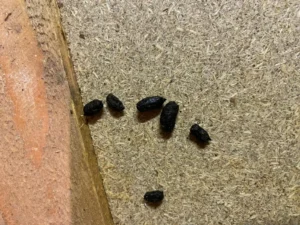
If the conditions that attracted rats the first time (food sources, water, shelter opportunities) haven’t been addressed, new rats will be drawn to the same things that attracted the first wave.
Neighborhood and Area-Wide Rat Populations
Sometimes rats come into your house simply because you live in an area with high rat populations.
Urban areas almost always have resident rat populations, and living in a city means you’re at higher risk regardless of how clean your home is.
If your neighbors have rats, you’re at higher risk. Rats from neighboring properties will explore outward from their home territory, and that exploration can lead them to your house.
Even if your neighbor’s infestation is being treated, the treatment might drive rats to seek new territories, including your property.
Proximity to restaurants, grocery stores, or food processing facilities increases rat populations in the area. These businesses attract rats, and the rats spread out from these central food sources to surrounding properties.
Living near water sources like rivers, streams, or canals means higher rat populations naturally. Rats need water and prefer to live near it, so waterfront properties face more rat pressure.
Parks, wooded areas, or greenbelts near your property can harbor rat populations that occasionally venture into nearby houses.
These rats might have established outdoor territories but will opportunistically exploit houses when the opportunity presents itself.
Building Design and Maintenance Issues
Some houses are simply more vulnerable to rats because of how they’re designed or maintained.
Older homes often have more gaps, cracks, and deterioration that create entry points. Settling over time opens up gaps that didn’t exist when the house was new.
Multi-story buildings give rats more options for entry at different levels. Roof rats can enter at the roof while Norway rats enter at ground level, meaning you’re vulnerable to different rat species at different heights.

Homes built on raised foundations or with crawl spaces underneath create protected areas that rats can easily access and use as staging areas before entering the main house.
Poor maintenance is probably the biggest factor. Homes with peeling paint, damaged siding, broken vents, clogged gutters, or deferred repairs have more vulnerabilities that rats can exploit.
Attached garages or sheds that connect to the house give rats a two-step entry process. They can establish themselves in the garage first, then move into the house proper through interior doors or shared walls.
How Rat Infestations Start and Grow
Rat infestations usually start with just one or two rats finding their way inside. They explore, find food and water, and decide the location is suitable for living.
These initial rats might be pregnant females or a male-female pair.
Rats reproduce incredibly quickly. A female can have up to 12 litters per year with 6 to 12 babies each time.

This means a single pregnant female entering your house in January could theoretically produce over 100 descendants by the end of the year if conditions are perfect.
In reality, not all rats survive and conditions are rarely perfect, but populations can still grow very quickly. Within a few months, what started as one or two rats can become a colony of 20 or 30.
As the population grows, rats expand their territory within your house. They might start in the attic but eventually move into walls, then the basement, then the main living areas. Each generation becomes more established and harder to remove.
The Role of Human Behavior
Human behavior and habits play a huge role in whether rats enter and establish themselves in homes. Leaving doors or windows open, even briefly, provides opportunities.
People who work on cars with the garage door open or who leave doors propped open for ventilation are creating entry opportunities.
Poor housekeeping attracts and sustains rat populations. If you don’t clean up food spills, leave dirty dishes out, or don’t vacuum regularly, you’re providing constant food sources.
Hoarding or excessive clutter creates perfect rat habitat. Rats love clutter because it provides hiding spots, nesting materials, and protection from detection.
Delaying repairs allows small problems to become rat entry points. That crack in the foundation you’ve been meaning to fix or the broken vent screen you haven’t replaced might be all the opening rats need.
Not securing food properly is probably the most common mistake. Food left in original packaging (cardboard boxes, plastic bags that can be chewed through) is accessible to rats. Using sealed plastic or glass containers prevents rat access.
Conclusion
Rats come in your house because it offers superior living conditions compared to outdoor alternatives.
Food, water, and shelter are all available inside your home, often in abundance. Rats find entry through small gaps and openings that are present in almost every structure, and once inside, they can reproduce rapidly and establish large colonies.
Preventing rats from entering requires eliminating what attracts them and sealing how they get in.
This means proper food storage, fixing water leaks, reducing clutter, maintaining your home’s exterior, and sealing all potential entry points.
If rats have already moved in, professional pest control combined with these preventive measures is usually necessary to eliminate the infestation and keep rats from returning.
Understanding why rats are drawn to your specific home is the first step in making it less attractive and protecting your property from these persistent pests.

Hi, my name is Ezra Mushala, i have been interested animals all my life. I am the main author and editor here at snakeinformer.com.