
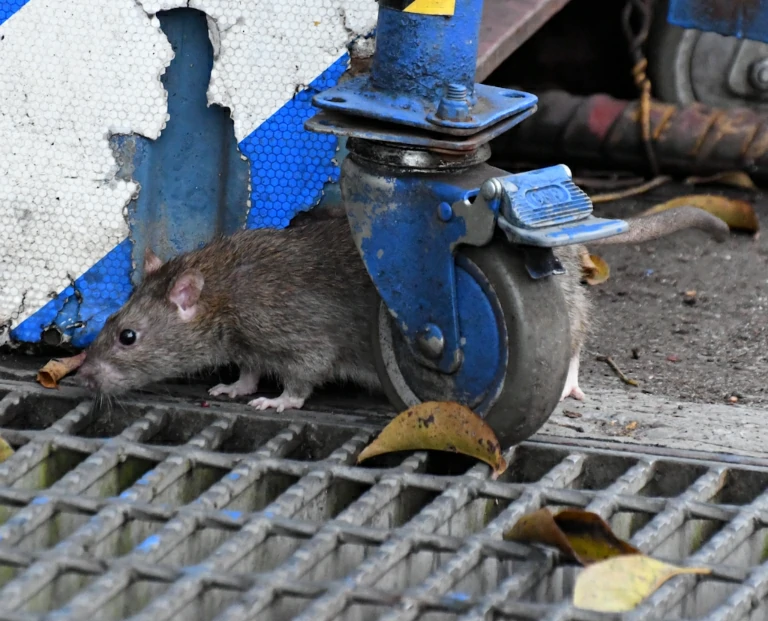
If you’ve noticed rats following you, whether in your home, yard, or even on the street, it can be an unsettling experience.
You might wonder if the rats are aggressive, if they’re tracking you specifically, or what they want from you. While it might feel creepy or personal, rats usually have very practical reasons for following humans around. Why do rats follow you?
Rats follow you because you’re leading them to something they want, usually food. They might smell food on you or in your pockets, they’ve learned that you drop crumbs or provide food, or they’re following you to see where you’re going because that location has food or resources they want. Rats are opportunistic and intelligent, and they quickly learn to associate humans with food sources.
Understanding why rats follow you requires looking at rat behavior, intelligence, and survival strategies.
Rats don’t follow people out of affection or aggression in most cases. They’re following the trail of opportunity, and you just happen to be part of that trail.
You Might Have Food They Can Smell
The most common reason rats follow people is simple: they smell food. Rats have an incredibly powerful sense of smell that’s far more sensitive than human smell.
They can detect food odors from considerable distances, and they can smell trace amounts of food that you might not even realize you’re carrying.
If you’ve recently eaten, especially foods with strong odors like fast food, chips, cookies, or anything greasy or sweet, the smell lingers on your hands, clothes, and breath.
Rats can pick up on these scent trails and will follow you hoping to find where the food is.
Food in your pockets or bag is like a beacon to rats. Even sealed packages can release tiny amounts of scent that rats detect.
f you’re carrying groceries, a lunch bag, or even just had snacks in your pockets earlier, rats might follow you tracking that smell.
This is especially common in urban environments where rats have learned that humans are mobile food sources.
A rat following you down the sidewalk might not be following “you” specifically but rather following the smell of the half-eaten sandwich in your bag.
Rats Have Learned You’re a Food Source
Rats are intelligent animals with excellent memory. If you’ve fed them before, either intentionally or accidentally, they remember.
Even a single feeding event can teach a rat that you’re someone worth paying attention to.
This happens a lot with people who feed birds or other wildlife in their yards. The seed, bread, or other food you put out attracts rats, and the rats start associating you with food delivery.
When they see you, they follow because they’ve learned that food usually appears when you’re around.
Similarly, if you regularly eat in certain locations and drop crumbs or leave food waste, rats learn your patterns. T
hey might follow you to those spots because they know that’s where food appears. You’ve essentially trained them to follow you through repeated association.
Pet owners sometimes notice that rats follow them if they have pet food. The smell of dog food, cat food, or bird seed on your clothes or in your garage creates an association. The rats aren’t following you personally but following the food source you represent.
Following Doesn’t Always Mean Following You
Sometimes what looks like a rat following you is actually a rat traveling the same route you’re using.
Rats are creatures of habit and follow established pathways through their environment. They create and use specific routes repeatedly because these routes are safe and lead to resources.
If you’re walking along a wall, fence line, or building edge, rats naturally travel these same edges because it provides cover and security. They’re not following you. You just happen to be using the same pathway they always use.

This is especially common in buildings. Rats in a house or apartment building have specific routes they travel from their nests to food sources and back.
If you’re walking down a hallway or along a wall where rats have an established path, it might look like they’re following you when really they’re just using their normal highway.
In outdoor environments, rats follow edges like fences, walls, hedges, and landscape borders. If your walking path takes you along these same edges, you’ll encounter rats using the same routes. The timing just makes it look like they’re following you.
Curiosity and Intelligence at Work
Rats are curious animals. They explore their environment thoroughly and investigate new things, including people. If a rat sees you regularly in their territory, they might follow you out of curiosity to learn more about your patterns and behavior.
This is especially true for bold or young rats. Young rats are more exploratory and take more risks as they learn about their world. A young rat might follow you simply because you’re an interesting moving object worth investigating.
Rats also learn by watching. If a rat sees you opening doors, accessing certain areas, or handling objects, they might follow to see what you’re doing and whether it creates opportunities for them.
Rats have been observed watching humans to learn how to access food sources or navigate obstacles.
In some cases, particularly wit
h pet rats or rats that have become habituated to human presence, following behavior can be genuine curiosity mixed with comfort. The rat isn’t afraid of you, so it’s willing to approach and investigate.
Nesting or Territory-Related Behavior
If rats are following you in your home, garage, or shed, they might be checking on their territory.
Rats are territorial and they keep track of who and what is in their claimed space. When you enter an area where rats have established themselves, they might follow you to monitor your activity.
This is especially common if you’re near a rat nest. Mother rats with babies are particularly vigilant and might follow you to make sure you’re not a threat to their young.
They’re not being aggressive necessarily, just protective and watchful.
Rats also follow to see if you’re disturbing their food caches. If you’re in an area where rats have stored food, they might shadow you to check if you’re taking their supplies or otherwise interfering with their resources.
In buildings where rats are well-established, they might follow you because they’ve learned that human activity sometimes creates opportunities.
For example, when you open a cabinet or closet, it might give rats access to areas they couldn’t reach before. They follow to take advantage of these opportunities.
You’re Disturbing or Displacing Them
Sometimes rats follow because you’ve disturbed them and they’re trying to figure out where to go.
If you’ve walked into an area where rats were hiding or nesting, they might run in the same direction you’re heading not because they want to follow you but because they’re fleeing and you’re blocking other exits.
This can create the illusion that rats are following you when actually they’re just trying to get away and your presence is channeling them into certain pathways.
This is particularly common in cluttered areas like basements, attics, or storage areas where rats have limited escape routes.
Rats don’t want confrontation with humans generally. If you’re larger and in their space, their first instinct is to hide or flee.
But if the hiding spots are behind you or the normal escape routes are blocked, they might move in the same direction as you’re moving, creating the appearance of following.
Environmental and Seasonal Factors
During certain times of year, rats become more active and visible, which can make it seem like they’re following you more than usual.
Fall and winter bring rats closer to human structures as they search for warmth and food. If you’re noticing more following behavior during cold months, it’s probably because rats are more desperate and taking more risks.
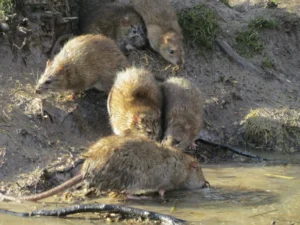
Bad weather also affects rat behavior. During or after rain, rats might follow people to dry areas or elevated ground.
They’re not following you specifically but heading to the same safe, dry locations you’re heading to.
Breeding season can also affect rat behavior. Pregnant females might follow to check if you’re near their nesting sites. Males during mating season might be bolder and more exploratory overall, leading to more human encounters that feel like following.
In urban areas, construction or demolition can displace rats from their normal territories, making them more active and visible in new areas.
If development is happening near you, rats might be in areas they don’t normally inhabit, creating more following encounters.
The Role of Scent Trails and Pheromones
Rats communicate and navigate using scent. They leave urine trails that contain pheromones and scent markers, and they follow these trails regularly.
If you walk through an area where rats have scent trails, you might pick up trace amounts of these scents on your shoes.
When you walk to a new area, you’re potentially carrying rat pheromones on your shoes and leaving a new trail.
Rats might follow this trail because it contains familiar scent markers mixed with new information about where those scents are going.
This is more relevant in heavy infestation situations where rat scent is everywhere. In these environments, your movements through the space create disturbances in the scent landscape that rats notice and investigate.
What Following Behavior Tells You About an Infestation
If rats are regularly following you in or around your home, it’s a strong indicator that you have an established rat population.
Following behavior suggests rats are comfortable enough in the environment to be bold and visible, which usually means there are quite a few of them.
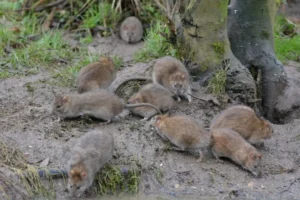
The boldness of the following behavior matters too. If rats are following you in broad daylight or not fleeing when you look at them directly, it suggests the population is large enough that individual rats are experiencing less fear response.
Overcrowding can make rats bolder out of desperation.
Following that happens repeatedly in the same locations tells you where rats are concentrated. If rats follow you every time you go to the garage or basement, that’s where their activity is centered. This information is valuable for targeting pest control efforts.
Are Rats Dangerous When They Follow You?
Most of the time, rats following you aren’t planning to attack. Rats are not naturally aggressive toward humans and prefer to avoid confrontation. The following behavior is usually about opportunity, not aggression.
However, rats can bite if they feel cornered, threatened, or if you accidentally step on or touch them.
If a rat is following you and you suddenly turn around or move toward it, the rat’s first instinct is to flee, but if it can’t escape, it might bite defensively.
Rats can also carry diseases, so even non-aggressive following behavior creates health risks. Rat urine and droppings can contaminate areas where they travel, and rats might leave these biological hazards in areas where you walk or work.
Pregnant or nursing mother rats can be more defensive than usual. If a rat following you seems aggressive or doesn’t flee when you approach, it might be a mother protecting nearby young. Give these rats extra space and avoid the area if possible.
How to Stop Rats from Following You
The best way to stop rats from following you is to eliminate what’s attracting them in the first place. If they’re following you for food, stop providing food. This means proper food storage, cleaning up crumbs immediately, securing garbage, and not leaving pet food out.
If you’ve been feeding outdoor animals, consider stopping or switching to methods that don’t create rat access. Use bird feeders that don’t spill seed on the ground. Feed pets indoors rather than outside. Don’t leave food waste in your yard.
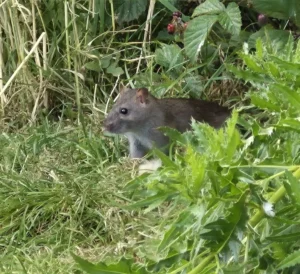
Clean yourself and your belongings after eating. Wash your hands, brush off crumbs, and clean bags or containers that held food. This reduces the scent trail that attracts rats.
For rats in your home, professional pest control is usually necessary. Following behavior in your house means you have an active infestation that needs to be addressed with trapping, exclusion, and sanitation improvements.
Seal entry points to keep rats out of buildings in the first place. Rats can squeeze through openings as small as a quarter, so check for gaps around pipes, vents, doors, and foundation cracks. Use steel wool and caulk or metal flashing to seal these openings.
What Pet Rat Owners Experience
If you keep rats as pets, following behavior is completely normal and has different meanings than wild rat following.
Pet rats follow their owners out of social bonding, learned behavior, and positive associations.
Pet rats often see their owners as part of their social group. Following you around during playtime or free-roaming is similar to how they’d follow other rats in their colony.
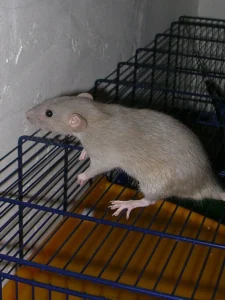
It’s social behavior rather than food-seeking behavior, though food still plays a role.
Many pet rats learn that following their owner leads to good things like treats, attention, or interesting activities. They’re smart enough to figure out that being near you often results in positive experiences, so they stick close.
Some pet rats even show what looks like attachment behavior, preferring their owner over other people and seeming to enjoy just being near them.
This is very different from wild rats following for opportunistic reasons.
Conclusion
Rats follow you mainly because you represent a path to resources, usually food.
Whether it’s the smell of food on your person, learned associations between you and feeding times, or simply using the same pathways through their environment, rats have practical reasons for following human movement.
This behavior showcases their intelligence and adaptability but can indicate an infestation problem when it happens regularly in or around your home.
Understanding why rats follow you helps you address the underlying issues. By eliminating food sources, sealing entry points, and maintaining good sanitation, you can reduce rat presence and stop the following behavior.
If rats are regularly following you inside your home, it’s time to take serious action to remove them and prevent future infestations.

Hi, my name is Ezra Mushala, i have been interested animals all my life. I am the main author and editor here at snakeinformer.com.