
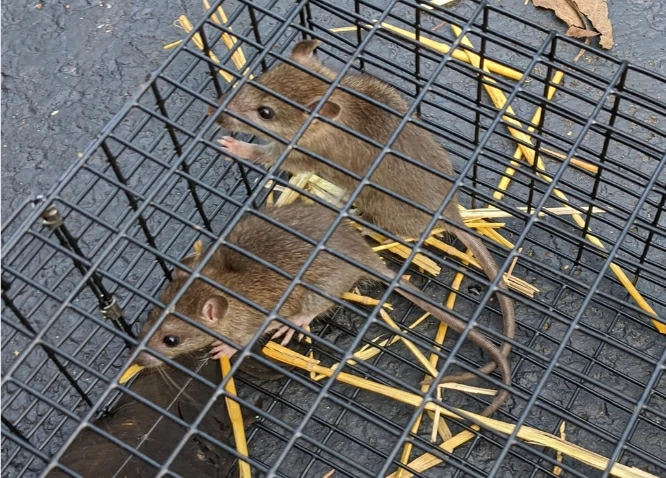
Rats are becoming more popular as pets, and some people are interested in breeding them. Whether you’re thinking about breeding rats as pets, for snake food, or as a small business, you might be wondering about the legal side of things. Do you need a license to breed rats?
In most places, you don’t need a license to breed rats on a small scale for personal use or as pets. However, if you’re breeding rats commercially (selling them as a business), running a rattery, or breeding large numbers, you may need a business license, animal breeding permit, or have to follow local zoning laws depending on where you live.
The rules change based on your location, how many rats you’re breeding, and what you’re breeding them for. Some states and countries have strict rules about animal breeding, while others don’t regulate small-scale rat breeding at all.
When You Don’t Need a License
If you’re just breeding a few rats at home for yourself or as pets for friends, you probably won’t need any special permits in most areas.
Small hobby breeders who keep things on a personal level usually fall under the same rules as regular pet owners. This means if you have a couple of female rats and one male, and you’re raising the babies to keep or give away, you’re typically fine without any paperwork.

Most cities and towns don’t consider this type of small-scale breeding a commercial activity. You’re just a pet owner who happens to have baby rats sometimes.
But here’s the thing. Even though you might not need a license, you still need to check your local laws. Some neighborhoods have rules about how many animals you can keep, and breeding can quickly increase your numbers.
When You Might Need a License or Permit
Things get more complicated when you start breeding rats as a business or on a larger scale.
If you’re selling rats regularly, advertising online, or running what’s called a “rattery” (a dedicated rat breeding operation), many places will consider this a business. And businesses usually need licenses.
Commercial breeders often need a general business license from their city or county. This is the basic permit that lets you operate any kind of business in your area.
Some states also require animal breeding permits or kennel licenses if you have more than a certain number of animals. The number varies, but it’s often around 10-20 adult animals.
If you’re breeding rats to sell as food for reptiles (called feeder rats), the rules might be different. Some areas have specific regulations for breeding animals intended as food for other animals.
USDA Requirements for Rat Breeders
The United States Department of Agriculture (USDA) has rules about who needs to be licensed as an animal dealer or breeder.
Generally, if you’re breeding and selling rats wholesale (to pet stores or other businesses), you’ll need a USDA Class A or Class B dealer license. This comes with inspections and paperwork requirements.y?utm_source=chatgpt.com
However, if you’re only selling rats directly to pet owners (retail sales), you typically don’t need a USDA license. This is a big difference that affects many small breeders.

The USDA mainly focuses on larger operations and animals sold to research facilities. Small hobby breeders selling a few rats here and there usually aren’t on their radar.
Still, it’s worth checking the current USDA requirements because rules can change. You can find this information on the USDA Animal and Plant Health Inspection Service (APHIS) website.
Local Zoning Laws and HOA Rules
Even if you don’t need a breeding license, you might run into problems with local zoning laws.
Many residential areas are zoned only for household pets, not for breeding operations. If your neighbors complain about noise, smell, or the number of animals you have, local authorities might investigate.
Some cities have specific ordinances about breeding animals within city limits. These rules are designed to prevent backyard breeding mills and keep neighborhoods peaceful.
If you live in a neighborhood with a Homeowners Association (HOA), check your HOA rules too. Many HOAs restrict or ban animal breeding entirely, even if it’s legal under city or state law.
Violating zoning laws or HOA rules can result in fines, being forced to stop breeding, or even having to move. It’s better to check before you start.
State-Specific Regulations
Each state has its own approach to regulating animal breeding, and rats fall into different categories depending on where you live.
Some states classify rats as livestock, especially if they’re being bred as feeder animals. This can mean you need livestock permits or have to follow agricultural regulations.
Other states treat rats like any other pet, which means fewer regulations for small breeders but more rules if you’re running a commercial operation.
A few states have very strict exotic animal laws, and while rats aren’t exotic, the breeding laws in these states tend to be stricter overall.
California, for example, has detailed rules about animal breeding and sales. New York has different requirements. Texas might have looser regulations in some counties but stricter ones in others.
The best way to find out your state’s specific rules is to contact your state’s department of agriculture or animal control office.
Health and Safety Requirements
Even if you don’t need a breeding license, you might have to meet certain health and safety standards.
Some jurisdictions require breeders to provide proof of veterinary care or health certificates for animals being sold. This is more common with larger animals, but it can apply to rats too.
You might need to keep records of births, sales, and any health issues in your breeding colony. Good record keeping is important anyway for managing your breeding program.
If you’re selling rats, some states require you to provide buyers with information about the animal’s health history and any known genetic issues.
Proper sanitation and housing standards might also be required, especially if you’re breeding commercially. This means clean cages, adequate space, fresh water, and proper food.
Insurance Considerations
While not exactly a license, having proper insurance is something to think about if you’re breeding rats.
If someone buys a rat from you and it bites them or makes them sick, you could potentially be held liable. Homeowner’s insurance doesn’t always cover business activities conducted from your home.
Commercial breeders often get business liability insurance to protect themselves. This can cover legal fees if something goes wrong with an animal you sold.
The cost of insurance varies, but it’s usually worth it if you’re selling animals regularly. It gives you peace of mind and protects your personal assets.
Selling Rats Online and Interstate Commerce
If you’re planning to sell rats online or ship them to other states, additional rules might apply.
Shipping live animals across state lines can trigger federal regulations, even if you’re not required to have a license in your home state.
Some states won’t allow you to import rats from other states without health certificates or permits. Before you ship rats anywhere, check both your state’s export rules and the buyer’s state’s import rules.
Online marketplaces like Craigslist, Facebook, and specialized pet sites have their own policies about selling live animals too. Some allow it with restrictions, others ban it completely.
If you’re shipping rats, you’ll also need to follow carrier regulations. Most shipping companies have strict rules about how live animals must be packaged and shipped.
What Happens If You Breed Without Required Licenses?
Breeding rats without proper licenses or permits (when they’re required) can get you into trouble.
First, you might face fines from your city, county, or state. These can range from a few hundred dollars to thousands, depending on the violation and how long it’s been going on.
Authorities might force you to stop breeding and could even seize your animals if conditions are bad or if you’re in serious violation of the law.
If you’re selling rats without required business licenses, you could also face tax penalties. The IRS expects you to report income from breeding sales, and operating without proper licenses can trigger audits.
In extreme cases, especially if animal welfare is being neglected, you could face criminal charges. This is rare for small-scale breeders but possible in serious situations.
How to Find Out Your Local Requirements
The best way to find out if you need a license is to contact local authorities directly.
Start with your city or county animal control office. They can tell you about local ordinances and whether you need any permits for breeding rats.
Contact your state’s department of agriculture or wildlife resources. They handle animal breeding regulations at the state level.
If you’re planning to sell rats as a business, check with your local business licensing office. They’ll tell you what business licenses you need.
You can also talk to other rat breeders in your area. Join local or online rat breeding communities and ask about their experiences with licensing requirements.
Best Practices Even Without a License
Whether you need a license or not, following best practices makes you a responsible breeder.
Keep detailed records of your breeding pairs, birth dates, and any health issues. This helps you manage your colony and provides documentation if questions come up later.
Make sure your rats have proper housing with enough space, clean conditions, and good ventilation. Overcrowding leads to health problems and unhappy animals.
Only breed healthy rats with good temperaments. Breeding rats with health problems or aggressive behavior creates issues for you and future owners.
Be honest with buyers about your rats’ backgrounds, health, and any potential issues. Good communication builds trust and protects you from complaints later.
Consider joining rat breeding associations or clubs. They often provide guidelines, support, and can help you stay updated on changing regulations.
Conclusion
Whether you need a license to breed rats depends on where you live and what scale you’re breeding at.
Small hobby breeders usually don’t need special licenses, but commercial breeders, large-scale operations, or those selling rats as a business often do. You might need business licenses, animal breeding permits, or have to follow zoning laws.
The rules vary widely by state, county, and even city, so the best approach is to check with your local animal control office, state agriculture department, and business licensing office before you start breeding.
Even if you don’t legally need a license, being a responsible breeder means following good practices, keeping records, and making sure your rats are healthy and well-cared for. This protects you, your rats, and the people who buy them.

Hi, my name is Ezra Mushala, i have been interested animals all my life. I am the main author and editor here at snakeinformer.com.