

Thinking about getting a pet rat but not sure which type to choose? With all the different varieties out there (Dumbo rats, Rex rats, hairless rats, and more), it can feel overwhelming to figure out which one is right for you.
Each type has its own look and sometimes its own care needs. So what rat breed should you get?
The best rat breed for most people is the standard fancy rat. They’re hardy, easy to care for, friendly, and widely available. If you want something unique, Dumbo rats make excellent pets with similar care needs. More specialized varieties like hairless or Rex rats need extra attention and aren’t recommended for first-time owners.
Your choice should really depend on your experience level, how much time you can spend on care, and what you find appealing. All rats have great personalities, but some varieties need more work than others.
Standard Fancy Rats Are the Best Starting Point
If you’re new to rat ownership, a standard fancy rat is your best bet. These are the most common pet rats you’ll find at pet stores and breeders, and there’s a good reason they’re so popular.
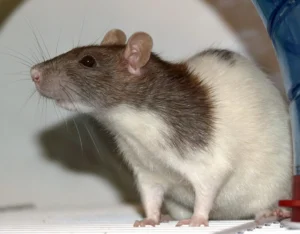
Standard fancy rats have regular fur, normal-sized ears on top of their heads, and come in tons of color combinations. They’re the “default” rat, and they’re incredibly easy to care for.
These rats are hardy and don’t have the health issues that some specialized varieties deal with. Their fur protects them from temperature changes, and they don’t need any special grooming or skin care.
You’ll also find a huge variety of colors and patterns in standard rats. You can get white rats, black rats, brown rats, gray rats, spotted rats, hooded rats (with colored heads and a stripe down the back), and many more combinations.
Dumbo Rats Have Adorable Ears
Dumbo rats are named after the Disney elephant because of their large, round ears that sit low on the sides of their heads instead of on top. They look incredibly cute and have become super popular.
Despite their unique appearance, Dumbo rats are just as easy to care for as standard rats. They don’t have any special health issues related to their ear placement, and they’re just as friendly and smart.

The main difference you’ll notice is cosmetic. Those big ears give them an almost cartoonish appearance that lots of people find irresistible.
Dumbo rats come in all the same color and pattern varieties as standard rats. You can get a Dumbo in any color combination you want.
Rex Rats Have Curly Fur
Rex rats have a genetic mutation that makes their fur curly and crimped. Even their whiskers are curly, which gives them a unique textured look.
Their coat feels different when you pet them (kind of like petting a sheep), and some people really love this texture. The curls can range from subtle waves to tight ringlets depending on the individual rat.
Rex rats need a bit more attention than standard rats because their curly coat can sometimes be more sparse, leaving patches of skin exposed. They might get cold easier and can be more sensitive to temperature changes.
Their curly whiskers are often shorter and more brittle than normal whiskers, which can affect their ability to navigate in the dark. This isn’t a huge problem, but it’s something to be aware of.
Hairless Rats Need Extra Care
Hairless rats (sometimes called Sphinx rats) have little to no fur and pink, wrinkly skin. They’re not for everyone, but some people absolutely love them.
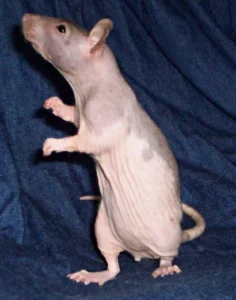
These rats need more care than furred varieties. Their skin needs to be kept clean and can get oily, so you might need to wipe them down regularly. They also get cold easily and need extra bedding or even small sweaters in cooler weather.
Hairless rats can be more prone to skin injuries because they don’t have fur to protect them. You need to make sure their cage doesn’t have any rough or sharp edges.
On the plus side, hairless rats are great for people with allergies to rat fur or dander. And many owners say they’re extra cuddly because they seek out warmth from their human friends.
What About Color and Pattern?
Beyond the different fur types and ear shapes, rats come in an amazing variety of colors and patterns. The color you choose is really just about personal preference since it doesn’t affect personality or care needs.
Some popular colors include black, white, blue (a gray-blue shade), beige, brown, and chocolate. Patterns include hooded (colored head with a stripe down the back), spotted, Berkshire (white belly with colored top), and many more.
If you’re breeding rats or showing them, color genetics matter. But if you just want a pet, pick whatever color combination you think is pretty.
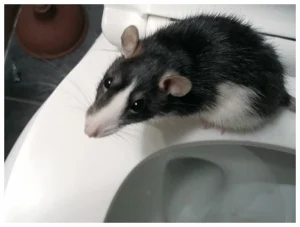
Keep in mind that some color varieties might be harder to find than others. White rats and hooded rats are super common, while some rarer colors might require finding a specialized breeder.
Male or Female Rats
While this isn’t exactly about “breed,” choosing between male and female rats is an important decision that affects your experience as much as which variety you pick.
Male rats are usually bigger, calmer, and more cuddly. They tend to be lazier and more content to sit on your lap for long periods. They can be a bit smelly though, especially if not neutered, because they mark their territory more.
Female rats are smaller, more active, and more playful. They’re busy little creatures who want to explore everything. They’re generally less smelly than males but might be too energetic for someone who wants a chill lap pet.
Both sexes are equally smart and affectionate. The choice comes down to whether you want a mellow couch potato or an energetic explorer.
Consider Your Living Situation
Your living situation should influence which rat variety you get. If you live in a small apartment, the size difference between male and female rats might matter more.
If your home runs cold in winter, hairless rats or Rex rats (with their thinner coats) might not be the best choice unless you’re prepared to provide extra heating.
Some landlords or roommates might be more accepting of certain rat appearances. A standard fancy rat looks more “normal” and might be less shocking to people who aren’t used to rats as pets.

If you have other pets, think about how they’ll react. A larger male rat might be safer around cats than a smaller female, though you should always supervise interactions regardless.
Health Considerations for Different Varieties
Standard fancy rats and Dumbo rats are generally the healthiest options with the fewest genetic health issues. They’re hardy and don’t require special care.
Rex rats can sometimes have respiratory issues, possibly related to their genetics. They might also have more sensitive skin than standard rats.
Hairless rats are more prone to skin problems, can get cold easily, and might have weaker immune systems. They also tend to have shorter lifespans than furred rats.
If you want a pet that’s likely to have fewer health problems and vet bills, stick with standard or Dumbo varieties.
Where You Get Your Rat Matters Too
Beyond choosing a variety, where you get your rat is super important. A well-bred rat from a responsible breeder will be healthier and better socialized than one from a pet store or accidental litter.
Good breeders focus on health and temperament, not just looks. They handle their baby rats from birth, making them friendly and comfortable with humans.

If you’re getting a more unusual variety like a hairless or double Rex, definitely go through a breeder rather than a pet store. These varieties need careful breeding to minimize health issues.
Adopting from a rescue is also a great option. You might not get to choose the exact variety you want, but you’ll be giving a rat in need a good home.
What If You Want Multiple Rats
Rats should always be kept in groups (at least two), so think about whether you want all the same variety or a mix.
There’s no problem with mixing varieties. A standard rat and a Dumbo can live together happily. A Rex and a hairless can be cage mates. They don’t care what each other looks like.
If you’re getting rats from the same litter, they’ll already be bonded, which makes things easier. If you’re introducing rats from different sources, you’ll need to do proper introductions regardless of variety.
Some people like having a variety of different-looking rats so they can tell them apart easily. Others prefer having matching rats because they think it looks cute.
Budget Considerations
Different varieties can have different price tags. Standard fancy rats are usually the cheapest, ranging from $10 to $25 at pet stores or from breeders.
Dumbo rats cost a bit more, usually $20 to $40, because they’re more popular and take more selective breeding.
Rex rats and especially hairless rats can run $50 to $100 or more from specialized breeders because they’re rarer and harder to breed properly.

Beyond the initial cost, think about ongoing expenses. Hairless rats might need more vet visits for skin issues. All rats need quality food, bedding, and veterinary care, but some varieties are more expensive to maintain.
Personality Matters More Than Variety
Here’s the thing: while variety affects appearance and some care needs, personality matters way more for how much you’ll enjoy your rat.
Individual rats have huge personality differences regardless of whether they’re standard, Dumbo, Rex, or hairless. Some rats are cuddly, some are independent, some are playful, some are lazy.
If possible, spend time with rats before choosing. A standard rat with an amazing personality will make a better pet than a fancy variety that’s skittish or unfriendly.
Good breeders and rescues can often tell you about each rat’s personality and help you pick one that matches what you’re looking for.
Conclusion
For most people, especially first-time rat owners, a standard fancy rat or a Dumbo rat is the best choice. They’re healthy, hardy, easy to care for, and widely available in lots of colors and patterns.
If you’re experienced with rats and want something unique, Rex rats are a good middle ground between standard care and something special-looking. Hairless rats are best left for experienced owners who understand their extra care needs.
Remember that variety is just one factor. Where you get your rat, how you care for it, and the individual rat’s personality matter much more than whether its ears are on top of its head or on the sides. Pick a healthy rat from a good source, give it proper care and companionship, and you’ll have an amazing pet regardless of what variety you choose.

Hi, my name is Ezra Mushala, i have been interested animals all my life. I am the main author and editor here at snakeinformer.com.