
Your dryer vent is a direct pathway from inside your home to the outside. Every time you do laundry, warm, moist air flows through this vent and exits outside.
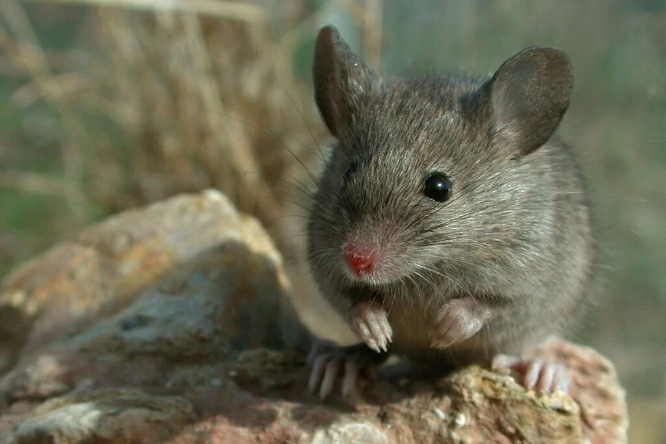
But when the dryer isn’t running, that same vent becomes a potential entry point for mice looking for a way into your warm house. Dryer vents are actually one of the most common ways mice get into homes. But can mice really come in through a dryer vent?
Yes, mice can easily come in through dryer vents. The vent leads directly from outside into your laundry area, and many dryer vents have flaps or covers that don’t close properly. Mice can push through weak flaps, squeeze through damaged screens, or enter when the flap is stuck open with lint buildup. Once inside the vent, they have direct access to your home.
Dryer vents are particularly attractive to mice because they smell like warmth and sometimes have lint buildup that makes comfortable nesting material. The vent opening is usually at ground level where mice naturally travel, and the flap that’s supposed to keep pests out is often the only barrier. If that flap doesn’t work properly, mice have an easy way in.
Why Dryer Vents Are So Vulnerable
Dryer vents lead directly into your home. Unlike other vents that might connect to ductwork or sealed systems, your dryer vent is a straight shot from outside to your laundry room.
The exterior flap is designed to stay closed when the dryer isn’t running. But these flaps are lightweight and often get stuck open, break off, or wear out over time. A flap that doesn’t close is basically an open door for mice.
Lint buildup is a major problem. Lint accumulates in the vent and around the flap mechanism. This lint can jam the flap open, giving mice constant access. Plus, mice actually like lint because it makes soft nesting material.
Most dryer vents exit close to the ground. Ground-level openings are much easier for mice to access than vents high up on walls. Mice traveling along your foundation will naturally encounter and investigate these low openings.
The vent diameter is large enough for mice to easily enter. Dryer vents are typically 4 inches in diameter, which is plenty of room for a mouse to walk through comfortably.
How Mice Get Into Dryer Vents
The most common entry is through a broken or stuck-open flap. These flaps are supposed to close when the dryer isn’t running, but they often fail. Mice just push through or walk in when the flap is open.
Lint buildup around the flap prevents it from closing completely. Even a small gap is enough for a mouse to squeeze through. Mice can compress their bodies to fit through openings as small as a dime.
Some dryer vents have damaged or missing flaps. If the flap has broken off or been removed, there’s nothing stopping mice from entering except the smooth duct material, which isn’t much of a barrier.
Birds sometimes build nests in dryer vents. These nests can hold the flap open or block the vent in ways that create gaps for mice to exploit.
Wind can also hold the flap open. On windy days, the constant air movement might keep the flap from closing properly, giving mice opportunities to enter.
Signs Mice Are Using Your Dryer Vent
Strange noises coming from your dryer vent are a clear sign. You might hear scratching, scurrying, or even squeaking sounds, especially at night when mice are most active.
Mouse droppings near or inside your dryer are obvious indicators. Check around your dryer, behind it, and inside the lint trap area. Fresh droppings are dark and moist, while old ones are gray and crumbly.
Excessive lint accumulation in unusual places might mean mice are bringing it deeper into your home for nesting. If you find piles of lint in areas away from your dryer, mice might be collecting it.
A musty or foul smell coming from your dryer area can indicate mouse urine or even dead mice in the vent. This smell gets worse when you run the dryer because the heat intensifies odors.
If your dryer isn’t working as well as it used to, mice or their nests might be blocking the vent. Reduced airflow makes drying take longer and can cause the dryer to overheat.
Checking Your Exterior Dryer Vent
Start by going outside and finding where your dryer vent exits. This is usually on an exterior wall close to where your dryer is located inside.
Look at the flap or cover. Push on it gently to see if it closes completely. It should snap shut on its own with no gaps. If it stays open or doesn’t close all the way, that’s a problem.
Check for lint buildup around the flap. If there’s a lot of lint visible from outside, the vent needs cleaning. This lint can prevent the flap from closing and also attracts mice.
Look for damage to the vent cover. Check if the flap is cracked, bent, or broken off. Make sure the mounting is secure and there are no gaps around where the vent housing connects to your wall.
Inspect the area around the vent opening. Mice leave grease marks where they repeatedly squeeze through. These dark, oily streaks show up on light-colored surfaces.
The Lint Problem and Mouse Attraction
Lint is actually attractive to mice. It’s soft, warm, and makes excellent nesting material. A dryer vent full of lint is like advertising free building materials to mice.
Heavy lint buildup is also a fire hazard. When you combine the fire risk with the mouse problem, dirty dryer vents become doubly dangerous.
Lint accumulation prevents proper airflow. This makes your dryer less efficient and creates moisture problems that can damage your vent system.
The lint around the flap mechanism jams it open. As lint builds up, it gets between the flap and the vent opening, creating gaps that never close.
Regular lint removal is critical for both fire safety and pest prevention. Cleaning your vent regularly eliminates the lint that attracts mice and ensures the flap works properly.
Installing Proper Vent Covers
Standard dryer vent covers aren’t very effective at keeping mice out. The basic plastic flap is lightweight and easily pushed open by determined mice.
Consider upgrading to a pest-proof dryer vent cover. These have additional barriers like screens or multiple flaps that make it much harder for mice to get through.
Some vent covers have spring-loaded flaps that close more firmly. These are better than gravity-fed flaps that mice can easily push open.
Magnetic vent covers use magnets to keep the flap closed when not in use. The magnetic seal is tighter and mice can’t push through as easily.
Whatever cover you choose, make sure it still allows proper airflow. The vent needs to let moist air escape freely, or your dryer won’t work efficiently and moisture can back up into your home.
Cleaning Your Dryer Vent
You should clean your dryer vent at least once a year, more often if you do a lot of laundry. This removes lint buildup that attracts mice and jams the flap.
Start by disconnecting the dryer from the vent. Most dryers have a flexible duct that connects the dryer to the wall vent. Loosen the clamp and pull it off.
Use a dryer vent cleaning brush to clean out the duct from inside. These brushes are long and flexible and can navigate the bends in your vent system. Push the brush all the way through to the exterior.
Clean from outside too. Remove the exterior vent cover if possible and brush or vacuum out lint from that end. This is when you’ll see how much lint has accumulated.
Check the flexible duct that connects your dryer to the wall. This should be as short and straight as possible. Replace it if it’s damaged, crushed, or clogged with lint.
What to Do If a Mouse Is in Your Dryer Vent
If you hear or see a mouse in the vent, don’t use your dryer. Running the dryer could trap or kill the mouse in the duct, which would create a terrible smell.
Try to encourage the mouse to leave on its own. Open the exterior flap and leave it open for several hours or overnight. The mouse might exit on its own.
You can also try making noise near the vent. Bang on the wall or the dryer to scare the mouse out. Mice don’t like noise and might flee through the exterior opening.
If the mouse doesn’t leave, you can try setting a trap inside the vent. A small snap trap or live trap placed just inside the exterior opening might catch it. Check traps frequently.
Once the mouse is gone, immediately seal the entry point. Clean the vent thoroughly and install a better vent cover that the mouse can’t get through again.
Sealing Around the Dryer Vent
The vent pipe where it exits through your wall should be sealed tightly. Check for gaps around the pipe where it passes through the exterior wall material.
Use caulk or expanding foam to seal any gaps. Make sure there are no spaces between the vent pipe and the hole in your wall.
Inside your home, check where the vent connects to your dryer. Some setups have gaps here that mice could use. Seal these with metal tape or replace the flexible duct with one that fits better.
If your dryer is on an exterior wall, the setup is simpler with a shorter vent run. This means fewer potential entry points and easier maintenance.
For dryers that aren’t on exterior walls, the vent has to run through walls or floors to reach the outside. Check these connection points inside your home for gaps that mice could exploit.
The Type of Vent Duct Matters
Rigid metal ductwork is best. It’s smooth inside, which helps with airflow and lint doesn’t accumulate as easily. Mice also can’t chew through metal.
Flexible plastic or foil ducts are more vulnerable. Mice can chew right through these materials. If you have flexible duct, check it regularly for damage.
White plastic duct is the worst. Many building codes don’t even allow it anymore because it’s a fire hazard. It also provides no barrier against mice.
Semi-rigid aluminum duct is better than flexible plastic but not as good as solid metal. It’s a compromise that works for some installations.
Whatever type you have, it should be as short and straight as possible. Longer vent runs and more bends mean more lint accumulation and more potential for problems.
Preventing Bird Nests in Dryer Vents
Birds will nest in dryer vents if they can access them. These nests then create perfect hiding spots for mice and often jam the flap open.
Bird nests are usually built in spring when birds are breeding. Check your vent in early spring before birds start nesting.
A proper vent cover with a screen will keep birds out. The screen needs to be fine enough to stop birds but coarse enough not to restrict airflow.
If you find a bird nest in your vent, you need to remove it carefully. In some areas, active bird nests are protected by law, so you might need to wait until babies have fledged before removal.
After removing a bird nest, install a better vent cover immediately. Don’t give birds or mice another chance to get in.
Winter Considerations for Dryer Vents
Cold weather makes mice more desperate to get inside. Your warm dryer vent is even more attractive in winter when temperatures drop.
Ice and snow can damage vent flaps. Freezing moisture can crack plastic flaps or ice them in place, keeping them stuck open.
Inspect your vent more frequently in winter. Check that the flap still closes properly after storms or periods of freezing weather.
The warm air from your dryer is especially noticeable in cold weather. Mice can feel this warmth from outside and will investigate the source.
Keep the area around your exterior vent clear of snow. Piled snow can damage the vent cover or create conditions that attract mice looking for shelter.
How Mice Travel Through Dryer Vents
Once a mouse gets into your dryer vent from outside, it has a straight path to your laundry room. The vent is like a tunnel leading directly into your home.
Mice can easily climb and navigate the smooth metal duct. They’ll follow the vent all the way to where it connects to your dryer.
From the dryer connection, mice can get behind the dryer, into walls, and throughout your house. The dryer area often has other gaps and openings that mice can use to spread further.
Some mice will nest right in the vent duct itself. The lint provides comfortable nesting material, and the enclosed space feels safe to them.
This is why a mouse in your dryer vent quickly becomes a mouse problem throughout your home. The vent gives them initial access, and from there they can go anywhere.
Professional Dryer Vent Services
Professional vent cleaning is thorough. Technicians have specialized tools that remove all the lint from your entire vent system, not just what you can reach.
Many dryer vent services also inspect for damage and pest problems. They can spot issues that homeowners miss and recommend solutions.
Professional installation of pest-proof vent covers ensures they’re mounted correctly and will actually keep mice out.
If you have a complex vent setup (long runs, multiple bends, hard to access), professional cleaning is worth the cost. These systems are difficult to clean properly on your own.
Consider professional service at least every few years, even if you clean the vent yourself regularly. Professionals can catch problems before they become serious.
Conclusion
Mice can easily come in through dryer vents, and they often do. The vent provides a direct pathway from outside to inside, and the flaps that are supposed to keep pests out frequently fail due to lint buildup, damage, or poor design.
The key to preventing mouse entry through dryer vents is regular maintenance and proper equipment. Clean your vent at least once a year to remove lint that attracts mice and jams the flap. Install a pest-proof vent cover with screens or multiple flaps that mice can’t push through. Seal any gaps around where the vent exits your home.
Regular inspection is critical. Check your exterior vent cover several times a year to make sure the flap closes properly and there’s no damage. If you catch problems early, you can fix them before mice find and exploit them.

Hi, my name is Ezra Mushala, i have been interested animals all my life. I am the main author and editor here at snakeinformer.com.