
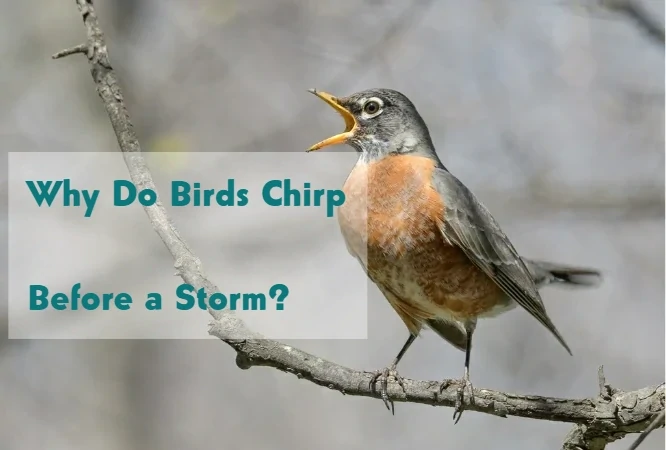
If you’ve ever spent time outside before a storm rolls in, you’ve probably noticed something interesting. Birds seem to get louder and more active just as dark clouds gather and the wind picks up.
This behavior has been observed for centuries, and it’s not just your imagination. Birds really do change how they act when storms approach. Why do birds chirp before a storm?
Birds chirp more before storms because they sense the drop in air pressure and know bad weather is coming. They’re frantically feeding, warning other birds, defending territory, and communicating with their flock before conditions become too dangerous to fly or find food.
This pre-storm activity is a survival behavior. Birds need to prepare quickly because once the storm hits, they won’t be able to fly safely or find food until it passes.
How Birds Seem to Know a Storm Is on the Way
Birds have incredible built-in weather prediction abilities that humans don’t have. They can detect tiny changes in the atmosphere hours before we notice anything unusual.
Air pressure drops significantly before storms arrive. Birds can feel this pressure change through organs in their ears and bodies, which gives them a warning ahead of time.
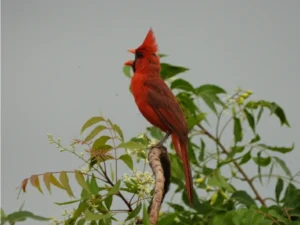
They also notice changes in wind patterns. Even small shifts in wind direction or speed tell birds that weather conditions are changing.
Birds can detect infrasound, which are low-frequency sound waves that storms produce long before they arrive. These sound waves can travel hundreds of miles ahead of the actual storm.
Some scientists think birds might also sense changes in electromagnetic fields associated with approaching storms. This would give them even more advance notice.
All these signals combine to tell birds that they need to take action before the storm hits.
Why Do Birds Rush to Eat Before a Storm Hits?
The main reason birds get so active before storms is simple: they need to eat as much as possible while they still can.
Once a storm arrives, flying becomes dangerous or impossible. Strong winds can blow birds off course, and rain makes it hard for them to see and navigate.
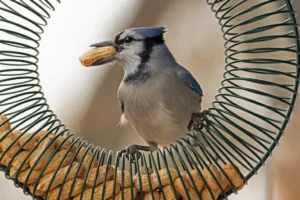
Birds also can’t find food easily during storms. Insects hide, seeds get soaked and blown away, and the ground becomes too wet to forage effectively.
Most birds have fast metabolisms and need to eat frequently to maintain their energy. Going without food for hours can be dangerous, especially for small birds.
By eating as much as they can before the storm, birds build up energy reserves that will carry them through the bad weather.
You’ll often see birds frantically visiting feeders or searching the ground for food when storms approach. They’re not being greedy, they’re being smart about survival.
Defending Territory Feels More Urgent
Male birds defend their territories year-round, but this behavior intensifies before storms. They know they won’t be able to patrol their area once bad weather hits.
Birds sing and chirp loudly to establish boundaries and warn other males to stay away. Before a storm, they need to reinforce these messages quickly.
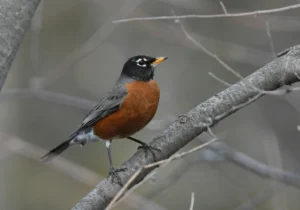
If another bird is going to challenge territory boundaries, it’ll probably do it before the storm when both birds can still fly and fight effectively.
This creates a burst of vocal activity as multiple males in an area all try to assert their territorial claims before conditions deteriorate.
Once the storm passes, birds will need to re-establish territories again, but the pre-storm communication helps maintain boundaries during the weather event.
Staying in Touch With the Flock Matters
Birds that live in flocks need to coordinate their storm preparations, which means lots of chirping and calling back and forth.
They’re essentially having a group discussion about where to shelter, when to leave exposed areas, and how to stay together once the storm hits.
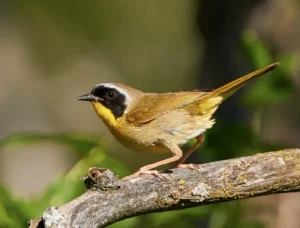
Flocks need to find safe roosting spots before the storm arrives. These locations need to protect the entire group from wind and rain.
Birds call to each other to share information about food sources. If one bird finds a good feeding spot, it’ll alert others so the whole flock can benefit.
This communication helps young or inexperienced birds learn what to do. They follow the signals of older, more experienced flock members who know how to survive storms.
Warning Calls Help Other Birds Stay Safe
Many bird species have specific alarm calls that they use when danger approaches. Storms definitely count as danger, so you’ll hear these warning calls more frequently.
Birds don’t just warn their own species. Many alarm calls are understood by multiple bird species, creating a neighborhood-wide alert system.
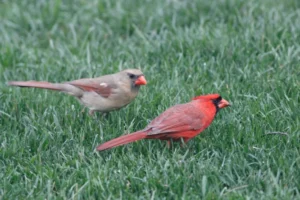
These calls tell other birds to seek shelter, stop foraging in exposed areas, and prepare for bad conditions.
You might notice the chirping becomes more urgent or changes in pitch as the storm gets closer. This reflects the birds’ increasing awareness of imminent danger.
Some birds serve as sentinels, posting themselves in high spots to watch for approaching storms and alert others when it’s time to take cover.
Finding a Safe Place to Hide Becomes the Top Priority
As storms approach, birds need to find protected spots where they can wait out the bad weather. This search for shelter creates more activity and vocalization.
Dense trees, thick bushes, and evergreen vegetation offer the best protection from wind and rain. Birds communicate about these spots and sometimes compete for the best locations.
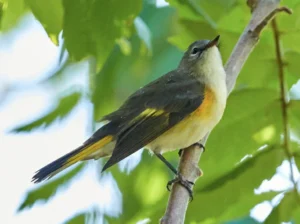
Birds will check multiple potential shelter sites before settling on one. Each inspection might include calls to claim the spot or alert family members.
Cavities in trees, birdhouses, and protected nooks in buildings are premium real estate before storms. Birds that find these spots might chirp to attract mates or family members.
Some birds huddle together in sheltered areas, and they call to gather group members before the storm makes travel too difficult.
Birds Can Feel Changes in Air Pressure
The drop in air pressure before storms is one of the most reliable weather indicators for birds, and it triggers their pre-storm behavior.
Most people can’t feel barometric pressure changes, but birds are incredibly sensitive to them. They have special organs that detect even small pressure shifts.
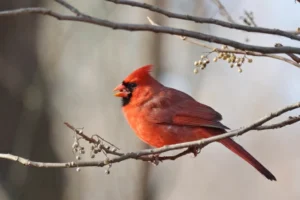
Air pressure typically drops 0.5 to 1 inch of mercury (inHg) before major storms. Birds can sense changes much smaller than this.
This pressure drop tells birds not just that a storm is coming, but roughly how severe it’ll be. Bigger pressure changes indicate more serious storms.
The ability to s
ense pressure helps birds time their preparations perfectly. They don’t waste energy preparing too early, but they don’t wait until it’s too late either.
Different Bird Species React to Storms in Their Own Ways
Not all birds react to approaching storms the same way. Species have evolved different strategies based on their size, diet, and habitat.
Small songbirds like chickadees and sparrows become very active before storms, chirping constantly and feeding frantically. Their small size makes them vulnerable to bad weather.
Larger birds like crows and ravens might actually become quieter before major storms. They’re more capable of weathering difficult conditions and focus on finding good shelter rather than panicking.
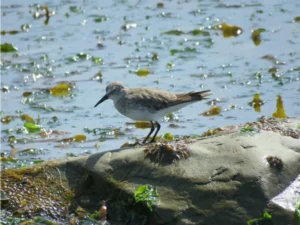
Waterfowl often leave their usual spots and fly to more protected areas before storms hit. You might see them migrating inland or to sheltered coves.
Birds of prey sometimes go silent and perch in protected spots well before storms arrive. They seem to sense dangerous weather earlier than other species.
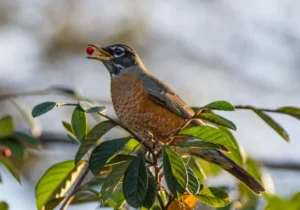
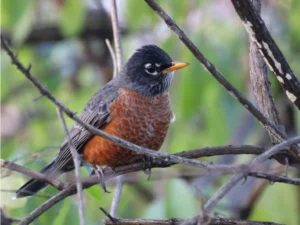
Ground-feeding birds like robins and thrushes work the ground intensively before storms, pulling up as many worms and insects as they can before the rain comes.
Why Some Birds Get Louder While Others Go Quiet
It might seem contradictory, but different birds respond to approaching storms with either more noise or complete silence depending on their strategy.
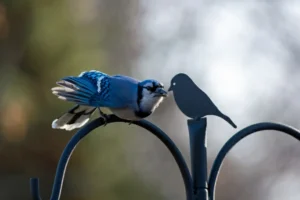
Birds that live in flocks or need to coordinate with mates become louder. Communication is essential for these species, so they chirp more before they lose the ability to fly and call safely.
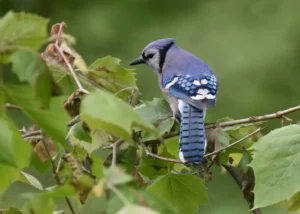
Solitary birds or those that prioritize hiding might go completely silent before storms. They don’t want to attract predators’ attention when they’ll be vulnerable.
Birds that defend territories sing louder before storms to make final territorial claims. But once they’ve established boundaries, they might go quiet and hide.
The size and severity of the approaching storm also matters. Birds might chirp excitedly before light rain but go completely silent before severe thunderstorms or hurricanes.
What Happens During the Storm?
Once the storm actually hits, bird behavior changes dramatically. The pre-storm chirping usually stops almost completely.
Most birds hunker down in their chosen shelter spots and wait quietly. They’re conserving energy and trying not to draw attention to themselves.
The wind and rain are too loud for vocal communication to work effectively anyway. Birds can’t hear each other over the storm noise.
Flying becomes extremely dangerous in high winds and heavy rain, so birds that are already in shelter tend to stay put until conditions improve.
You might occasionally hear brief calls during lulls in the storm as birds check on each other or reposition themselves.
How Long Birds Stay Active Before Storms?
The timing of pre-storm chirping depends on how quickly the storm approaches and how severe it’ll be.
For slow-moving storms, birds might increase their activity 2 to 4 hours before the rain starts. They have more time to prepare and take a more relaxed approach.
Fast-moving storms or squall lines create more urgent behavior. Birds might only have 30 to 60 minutes of warning, leading to frantic feeding and loud, constant chirping.
Severe thunderstorms with dangerous conditions prompt earlier and more intense preparation. Birds seem to know when storms will be particularly bad.
Some birds even respond to storm systems that are still many miles away, especially if those storms are producing strong winds or dramatic pressure changes.
What Do Birds Do After the Storm Passes?
Once storms move through, birds quickly become active again. You’ll hear lots of chirping as they emerge from shelter.
They’re checking on each other, reassessing their territories, and communicating about conditions. This post-storm chirping serves different purposes than pre-storm calls.
Birds also need to find food immediately after storms. They’re hungry after hours of sheltering and need to replenish their energy.
The storm might have uncovered new food sources or changed the landscape. Birds call to share information about these discoveries.
Young birds or inexperienced flock members might need guidance about what to do after severe weather, so you’ll hear teaching calls from adult birds.
Can Humans Use Bird Behavior to Predict Weather?
Absolutely. People have used bird behavior to forecast weather for thousands of years, and this folk wisdom has a solid scientific basis.
If you notice birds feeding frantically and chirping more than usual, there’s a good chance storms are coming within the next few hours.
Pay attention to when birds suddenly go quiet after being active. This often means the storm is about to hit and birds have taken shelter.
Large groups of birds flying in unusual directions or to different areas suggest they’re moving ahead of major weather systems.
If birds are flying low to the ground, air pressure is dropping and storms are likely approaching. High-flying birds usually indicate fair weather.
While bird behavior won’t tell you exactly when or where a storm will hit, it can give you useful advance notice to prepare.
Why This Behavior Evolved
Birds developed these pre-storm behaviors over millions of years because they provide a survival advantage.
Birds that could sense storms coming and prepare appropriately were more likely to survive bad weather. They could feed, find shelter, and communicate before conditions became dangerous.
Over time, these storm-sensing abilities and behavioral responses became hardwired into bird genetics. Modern birds inherit these skills from countless generations of ancestors.
The behavior is so important for survival that even young birds who’ve never experienced storms show appropriate responses when they sense changing weather patterns.
This evolutionary adaptation shows how connected birds are to their environment. They’ve developed sophisticated systems for reading atmospheric conditions that most humans can’t perceive.
Conclusion
Birds chirp more before storms because they’re frantically preparing for dangerous weather they can sense coming.
They’re feeding, warning others, defending territory, and finding shelter before flying becomes impossible.
This behavior isn’t random or mysterious. It’s a highly evolved survival strategy that helps birds make it through storms safely.
Next time you hear birds getting unusually loud or active, check the weather forecast.
There’s a good chance those birds are telling you that storms are on the way, giving you the same advance warning they’re using to protect themselves.

Hi, my name is Ezra Mushala, i have been interested animals all my life. I am the main author and editor here at snakeinformer.com.