
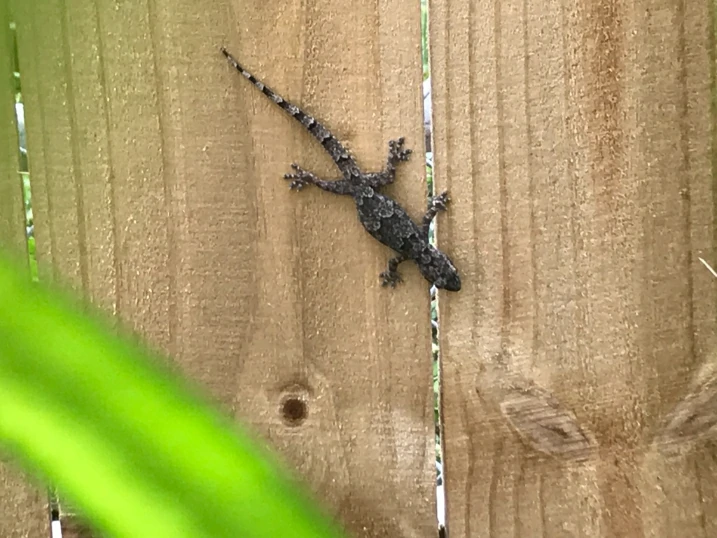
It usually happens in a split second. One moment your dog is sniffing around the porch or the corner of your living room, and the next moment you see a blur of movement, a small squeak, and your dog proudly lifting its head with a gecko sticking halfway out of its mouth.
In that moment, you can’t help but wonder what happens next. Is your dog in danger? What happens if a dog eats a gecko?
Most dogs are totally fine if they eat a gecko. Geckos aren’t poisonous, and dogs usually just get mild stomach upset at worst. The real risks come from things like salmonella or parasites that the gecko might be carrying, not from the gecko itself.
Why Geckos Aren’t Poisonous To Dogs
If you’re used to hearing about bright frogs with dangerous skin toxins, you might assume all small reptiles work the same way. But geckos are nothing like amphibians.
Their skin is dry, scaly, and waterproof, and it doesn’t release any poisons. They don’t carry toxins in their glands. They don’t use chemical defenses.
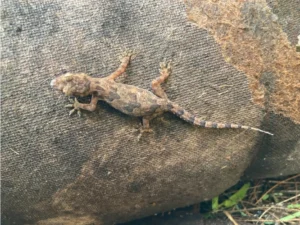
Geckos survive by running, hiding, and blending in with their surroundings, not by poisoning the animals that eat them.
So when a dog swallows a gecko, there’s no chemical reaction inside the body, no venom, no toxin spreading through the bloodstream.
The gecko simply goes down like any other small prey animal.
This is why so many dogs who eat geckos act completely normal afterward. They chew, swallow, lick their lips a few times, and then walk away like nothing happened.
Why Dogs Eat Geckos In The First Place
It’s easy to forget that underneath all the cuddles and the cute head tilts, there’s a tiny hunter tucked inside your dog. Movement triggers instinct.
The moment they see something small and fast sprint across the floor, every part of their brain fires at once.
Dogs aren’t trying to misbehave. They’re not trying to gross you out. They’re simply reacting to instinct:
-
Small, fast thing moves
-
Dog’s brain says “grab it”
-
Dog grabs it
Even well-trained dogs can’t always ignore that moment of excitement. And because geckos move in short, sudden bursts, dogs get extra interested.

Some dogs don’t even mean to swallow the gecko. They just pounce and end up gulping it down accidentally.
It’s natural behavior, and in the wild, many canines eat small reptiles all the time. Their stomachs are well equipped for it.
So Why Do Some Dogs Get Sick After Eating A Gecko?
If geckos aren’t poisonous, why do some dogs vomit or have loose stools afterward?
It basically comes down to three things: salmonella, parasites, and stress to the stomach.
Sometimes the stomach simply doesn’t like what just happened. When a dog suddenly swallows something unusual, especially something with bones, skin, and a tail, the stomach might react by pushing it back up.
This doesn’t mean the gecko was dangerous. It just means your dog’s body said, “Let’s not keep this.”
Other dogs might digest the gecko just fine but still get mild diarrhea for a day. Again, not dangerous, just the stomach adjusting to something new.
But every now and then, a gecko will be carrying things like parasites or bacteria. That’s where the real trouble can start.
How Salmonella From Geckos Can Affect Dogs
Geckos can carry salmonella on their skin and in their gut. They don’t get sick from it, but they can pass it along to animals that eat

them.
Not every gecko carries it, and not every dog that swallows salmonella gets sick. But it can happen.
If a dog does get infected, symptoms usually show up within 24 to 72 hours:
-
Vomiting
-
Diarrhea
-
Tiredness
-
Less interest in food
-
Fever in some cases
Most dogs bounce back on their own, but puppies, seniors, and dogs with weaker immune systems might need medication from the vet.
What’s interesting is that many dogs carry salmonella naturally from everyday life, especially if they eat raw meat or explore the outdoors a lot.
Their stomachs are incredibly acidic, which kills most bacteria before it becomes a problem. But it’s still something to watch for after a gecko snack.
Can A Gecko Give A Dog Parasites?
This is possible, though it doesn’t happen often.
Some wild geckos carry parasites like:
-
Pinworms
-
Roundworms
-
Flukes
-
Protozoa (like coccidia)
These aren’t common in household geckos, but wild ones can have them. If your dog eats an infected gecko, the parasite eggs or larvae can enter your dog’s digestive system.
The tricky part is that symptoms from parasites don’t usually show up right away. It can take weeks.
Things to watch for include:
-
Gradual weight loss
-
Dull coat
-
Occasional diarrhea
-
Swollen belly (in puppies especially)
-
Scooting or licking the rear
If your dog is regularly hunting geckos in your yard, your vet may recommend more frequent deworming just to be safe.
How A Dog’s Stomach Handles A Gecko’s Body
One thing people worry about is the gecko’s bones. But small reptile bones are soft, thin, and flexible. Dogs’ stomach acid is strong enough to soften and digest them easily.
Most geckos a dog encounters are small enough that the stomach can break them down without trouble. The only issue might be the tail, because it sometimes kicks around a bit if the gecko dropped it before being eaten.
But even that is made of soft cartilage.
So generally, the dog’s digestive system handles the actual body of the gecko pretty well.
A Realistic Look At What Happens Inside The Dog Over The Next 24 Hours
Let’s imagine this step by step, because it helps make the whole situation easier to understand.
Minutes 1–10:
The gecko enters the stomach. Your dog might lick its lips, drink some water, or act like nothing happened.
Hour 1–3:
Digestion starts. The stomach begins breaking down proteins, bones, skin, and cartilage.
Hour 4–12:
Most of the gecko is already softened or dissolved. If the dog is going to vomit from stomach irritation, it’s usually during this window.
Hour 12–24:
If diarrhea is going to happen, this is when it usually shows up. Some dogs skip this completely.
And if your dog acts normal through this first day, the odds are incredibly high that everything is fine.
What You Should Do Right After Your Dog Eats A Gecko
You don’t need to panic, but there are a few smart steps to take.
1. Keep an eye on your dog for the next 24 hours
Just watch for vomiting, diarrhea, or unusual tiredness.
2. Offer normal water
Dogs sometimes drink more when they eat something odd. That’s fine.
3. Don’t force vomiting
Your dog already swallowed it, and forcing vomiting can cause more harm than good. Let the digestive system do its job.
4. Don’t give human medications
Human meds can be dangerous for dogs.
5. Take notes if something seems off
If you do need to call the vet later, notes help.
When You Should Actually Call The Vet
Most of the time, you won’t need to.
But call your vet if:
-
Your dog vomits more than two or three times
-
Vomiting continues for more than 24 hours
-
Diarrhea lasts longer than a day
-
There’s blood in the stool
-
Your dog is unusually tired
-
Your dog stops eating or drinking
-
Your dog ate multiple geckos
These are signs that the stomach or intestines are irritated or that a bacterial infection might be developing.
Why Puppies And Senior Dogs Need Closer Watching
Puppies have fragile digestive systems. Senior dogs have weaker immune systems. So even mild bacteria or parasites can affect them more than it would a young, healthy adult dog.
If a puppy or older dog eats a gecko, they’re still likely to be fine, but it’s smart to watch more closely for signs like:
-
Tiredness
-
Repeated vomiting
-
Changes in appetite
Their bodies just react differently.
Are Some Geckos More Risky For Dogs Than Others?
Yes, mainly depending on where you live.
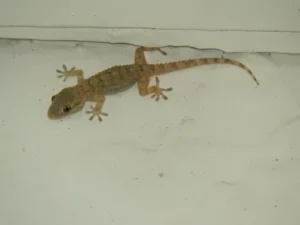
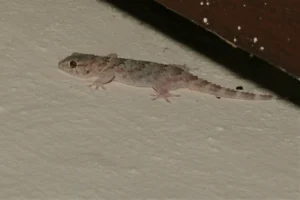
House geckos (the little gray ones on your walls)
These are usually harmless. They can carry salmonella, but they don’t have toxins.
Tokay geckos
These are bigger, stronger, and can bite. The danger isn’t poison; it’s the bite. If your dog tries to eat one, it might get bitten on the mouth or nose, which can lead to swelling or a small wound.
Wild geckos from forests, fields, or woodpiles
These are more likely to carry parasites or bacteria because they eat insects from soil, drains, old wood, and other dirty environments.
Pet store geckos
These are usually clean and parasite-free but are kept in controlled environments. Dogs don’t usually get access to these anyway unless someone leaves the enclosure open.
Can A Dog Get Sick From A Gecko’s Tail?
Gecko tails aren’t poisonous either. Some geckos drop their tail when scared and the tail wiggles on the ground. This movement can tempt dogs to grab and swallow it.
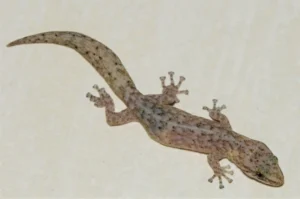
A tail alone is even less risky than eating the whole gecko. It’s mostly cartilage, fat, and a bit of soft bone. The stomach breaks it down quickly.
No toxins. No real danger.
Does Eating Geckos Make Dogs More Likely To Hunt Them Again?
Sometimes, yes. Dogs remember interesting experiences, especially ones involving movement and excitement.
If your dog eats a gecko once and nothing bad happens, they might start paying more attention to walls, windows, and corners where geckos like to hide.
This doesn’t mean your dog is turning into a professional lizard hunter. It just means the chase was fun.
If you want to discourage the behavior, you can:
-
Redirect your dog with toys
-
Keep geckos out of the house by blocking gaps
-
Limit access to areas where geckos gather
But realistically, dogs will always be tempted by fast-moving things.
Should You Worry About Dogs Who Eat Geckos Often?
If it happens once in a while, it’s usually nothing to worry about. But if your dog is eating geckos regularly, you should think about:
-
Increased exposure to parasites
-
Repeated stomach irritation
-
Higher chance of salmonella
-
Possible bites from larger geckos
A dog that eats geckos often might need more frequent deworming or stool checks just to stay safe.
If Your Dog Throws Up The Gecko, What Should You Do?
Some dogs vomit the gecko back up an hour or so after eating it. If this happens:
-
Clean the area to avoid bacteria exposure
-
Give your dog water
-
Let their stomach settle before feeding
-
Watch for continued vomiting
If vomiting stops after the gecko comes out, your dog is usually fine. The stomach was simply rejecting something unfamiliar.
What If Your Dog Shows No Symptoms At All?
This is the most common outcome.
Most dogs:
-
Don’t get sick
-
Don’t act differently
-
Don’t have stomach issues
They eat the gecko, digest it, and move on with their day.
It can be easy to assume something terrible will happen, but nature designed dogs to handle things like this surprisingly well.
Conclusion
Seeing your dog swallow a gecko can be a shocking moment, especially if it happens right in front of you.
But the truth is that dogs have strong digestive systems, tough stomach acid, and natural instincts that help them handle unusual snacks like this.
Most of the time, nothing bad happens at all. The gecko isn’t poisonous, and your dog goes on with its day like nothing unusual occurred.
The only real risks come from things the gecko might be carrying, like salmonella or parasites, and even then, most dogs handle those without serious problems.
The best thing you can do is stay calm, watch your dog for a day or two, and call the vet only if you see ongoing vomiting, diarrhea, or unusual tiredness.
Your dog isn’t the first to swallow a gecko, and it definitely won’t be the last. With a little monitoring and some simple common sense, everything usually turns out completely fine.

Hi, my name is Ezra Mushala, i have been interested animals all my life. I am the main author and editor here at snakeinformer.com.